
A Vision of Tomorrow

Released in 1936, Things to Come is a visionary sci-fi film based on H.G. Wells' novel, offering a sweeping narrative of humanity‘s struggle between collapse and progress. Spanning decades, the film explores themes of war, societal breakdown, and the ethical dilemmas of technological advancement—themes that feel strikingly relevant today.
Things to come argues that humanity is capable of achieving great things, but only if it embraces science, technology, and cooperation, and overcomes the forces of war, ignorance, and tradition.
As we grapple with modern challenges like AI, climate change, and global instability, Things to Come serves as both a warning and an inspiration, urging us to reflect on the choices that will shape our future.
The film begins with a catastrophic global war, mirroring today's fears of geopolitical tensions and societal fragility.
A devastating plague follows, eerily foreshadowing modern pandemics and our vulnerability to global crises.
The story transitions to a technocratic utopia, highlighting humanity's potential for renewal through innovation and reason.
Themes of authoritarianism and the ethical use of technology resonate deeply, especially with growing concerns about AI's impact on society.
Ultimately, Things to Come challenges us to choose: Will we use technology for collective good or self-destruction?
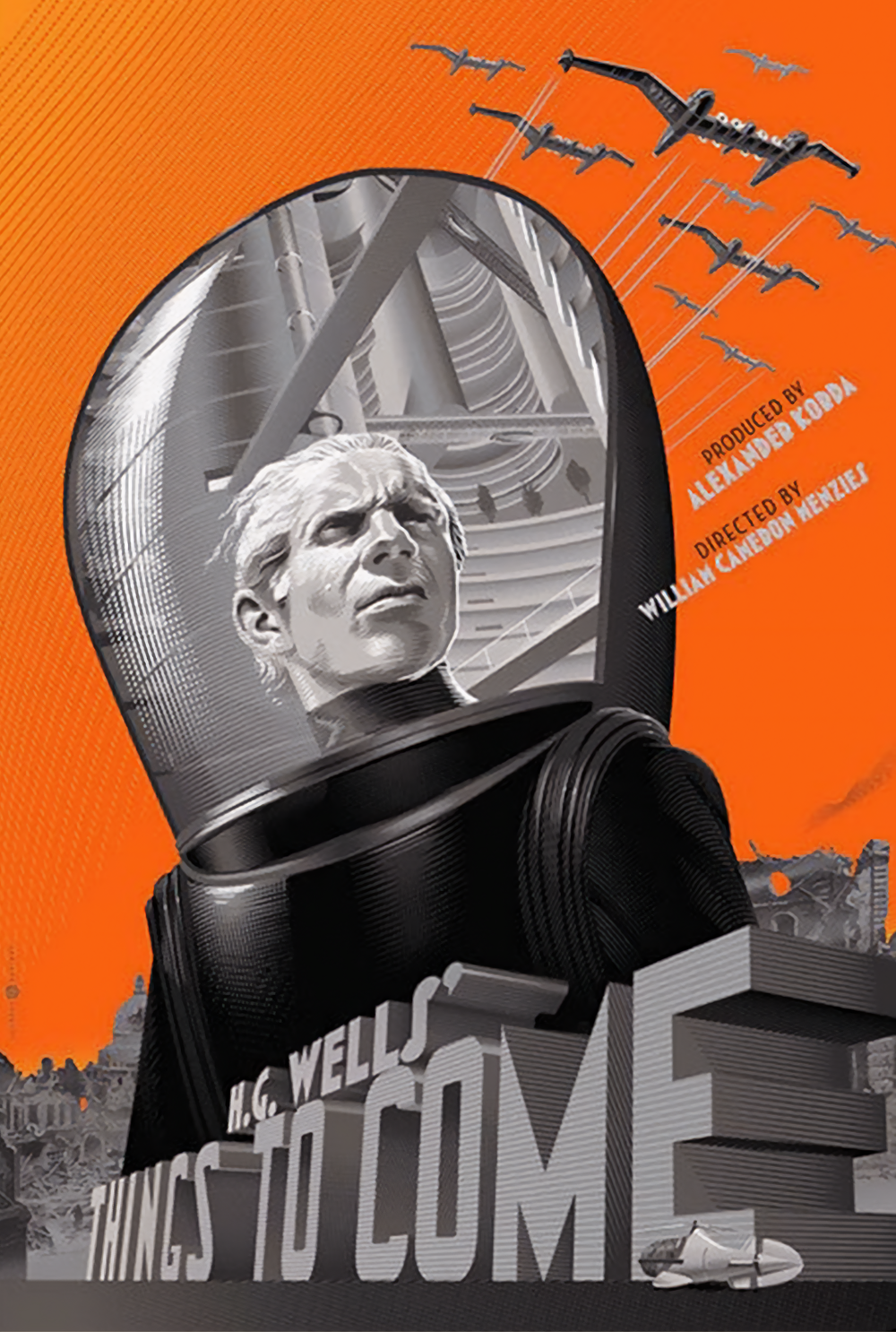

It's important to note that the film's message can be interpreted in different ways, and some viewers may find its vision of the future to be overly idealistic or even dystopian. However, its exploration of timeless themes such as progress, conflict, and the human condition continues to resonate with audiences today.
The film Things to Come is loosely based on H.G. Wells's 1933 novel, The Shape of Things to Come. While the film was intended to display the social and political possibilities outlined in the book, Wells had no control over the final product. Here are some of the main differences between the book and the movie:
-
In the screenplay, the story concludes in A.D. 2054, whereas, in the film, the story concludes in 2036.
-
The film is celebrated more for its visuals and set design than for its adherence to the source material or its acting. The visuals were designed by Vincent Korda and William Cameron Menzies, who adopted formal ideas from Le Corbusier's book, Towards a New Architecture.
-
Many scenes that were shot were either truncated or not included in the finished film. The script contains scenes that were never filmed or no longer exist, though extant footage includes scenes not in the published script.
-
The film prioritizes ideas over character development, resulting in characters that serve as symbols rather than emotionally engaging individuals. Some reviewers note a lack of energy in the plot and characters.
-
The film presents a variation of Socialism, where the individual is subverted for the sake of collective unity, entrusting the good of society to an intellectual elite. The film explores themes such as the consequences of war, the role of technology, and the balance between progress and tradition.
-
The film concludes with a debate about human progress and the conquest of the universe, whereas the book ends with the world state "withering away" after a bloodless coup.
H.G. Wells's Things to Come explores several themes about humanity's future, including both dystopian and utopian possibilities, as well as social and political evolution.
Some of the key themes are:
-
The film depicts a decades-long world war that leads to societal regression, a dark age, and widespread devastation. Wells highlights the destructive nature of conflict and its impact on individuals and families.
-
Things to Come emphasizes technological advancement as a means of achieving an idealistic utopia. The film suggests that progress can lead to a better tomorrow if humanity puts aside its differences and focuses on science. However, it also raises questions about whether scientific progress benefits all of mankind or if humanity is doomed to repeat past failures.
-
The film explores the tension between those who embrace progress and those who yearn for the old ways8.... Reactionaries like Theotocopulos stir up the masses against progress and the rise of new technology, questioning the direction of mankind
-
Wells' vision involves an intellectual elite, such as engineers, scientists, and airmen, guiding society. This relates to his socialist-leaning ideas in the film. This elite group leads the way in rebuilding civilization, promoting scientific learning, and abolishing national divisions.
-
The film touches on the idea of individual subversion for the sake of collective unity11.... It suggests a dichotomy between uniting for a common cause and suppressing individual expression
-
Things to Come suggests that history is cyclical and humanity has a tendency to rebuild and tear down empires.
Wells uses the film to ponder whether humanity will ever rest or if it is destined to continuously seek conquest beyond conquest, first of the planet, then of space. He also explores the sacrifices that may be necessary for progress, and if those sacrifices are worth it.
-
Raymond Massey as John Cabal and Oswald Cabal
Edward Chapman as Pippa Passworthy and Raymond Passworthy
Ralph Richardson as Rudolf, "The Boss"
Margaretta Scott as Roxana Black and Rowena Cabal
Cedric Hardwicke as Theotocopulos
Maurice Braddell as Dr. Edward Harding
Sophie Stewart as Mrs Cabal
Derrick De Marney as Richard Gordon
Ann Todd as Mary Gordon
Pearl Argyle as Catherine Cabal
Kenneth Villiers as Maurice Passworthy
Ivan Brandt as Morden Mitani
Anne McLaren as The Child (2036)
Patricia Hilliard as Janet Gordon
Charles Carson as Great Grandfather (2036)
Uncredited:
Patrick Barr as World Transport official
John Clements as enemy pilot
Anthony Holles as Simon Burton
Allan Jeayes as Mr. Cabal (1940)
Pickles Livingston as Horrie Passworthy
Abraham Sofaer as Wadsky







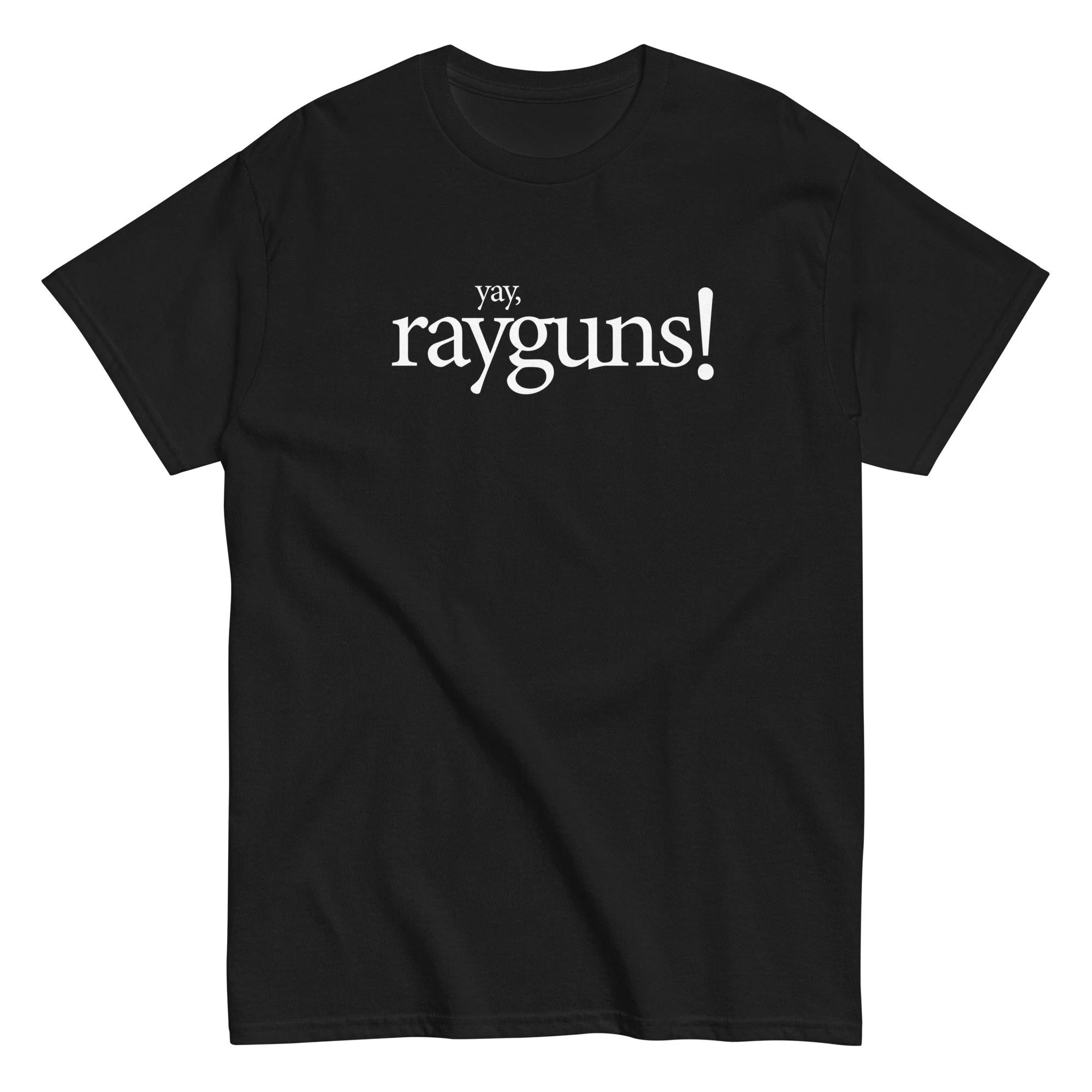

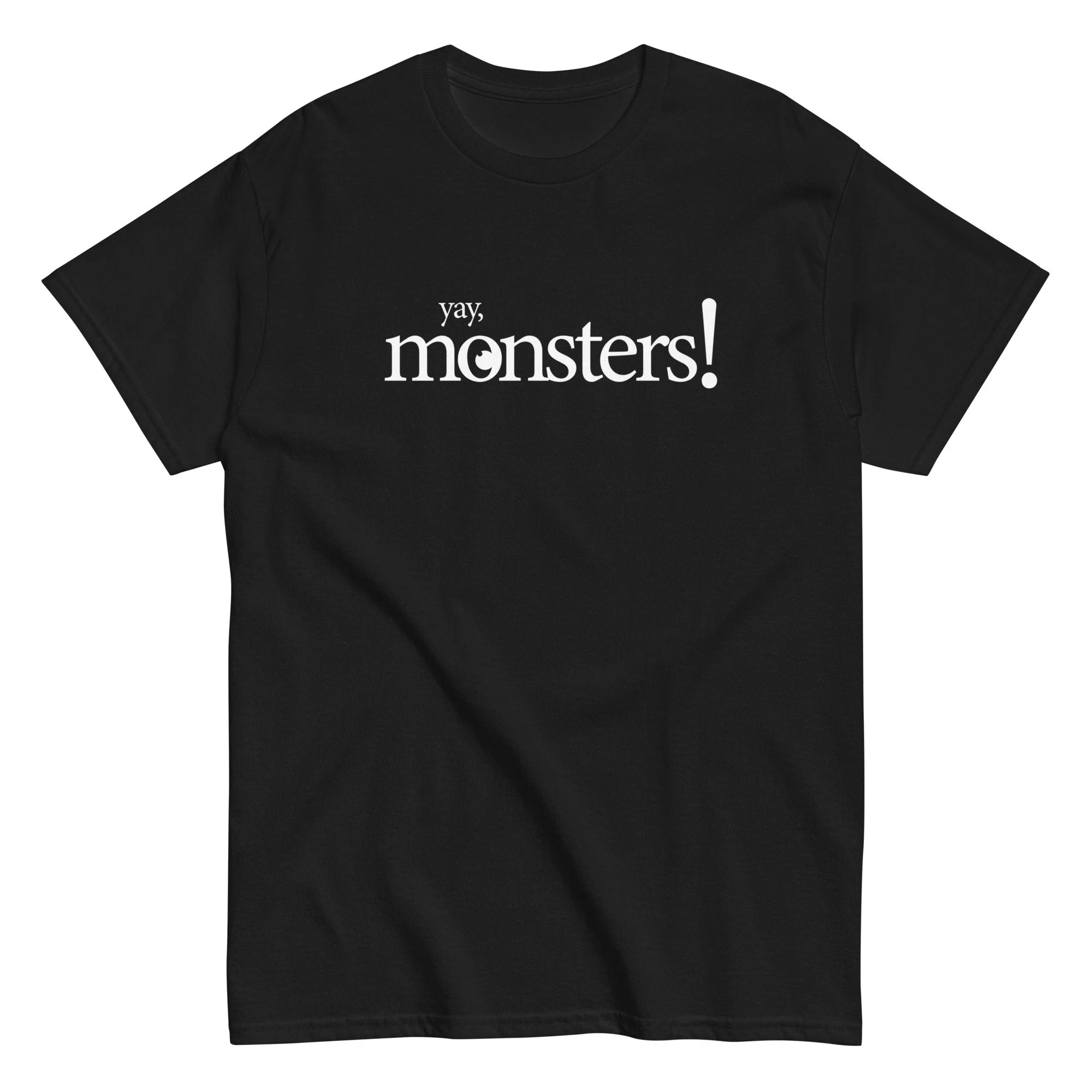


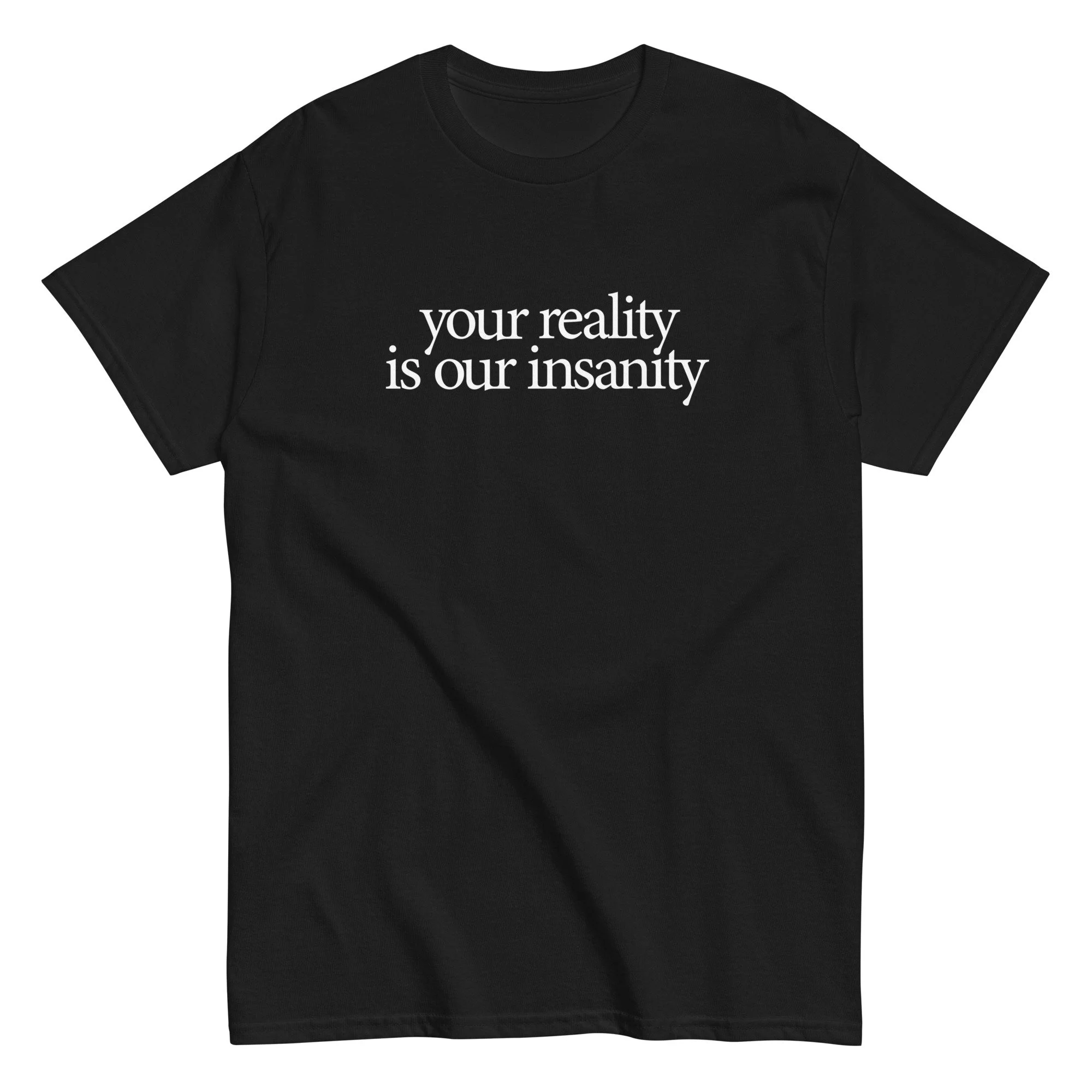
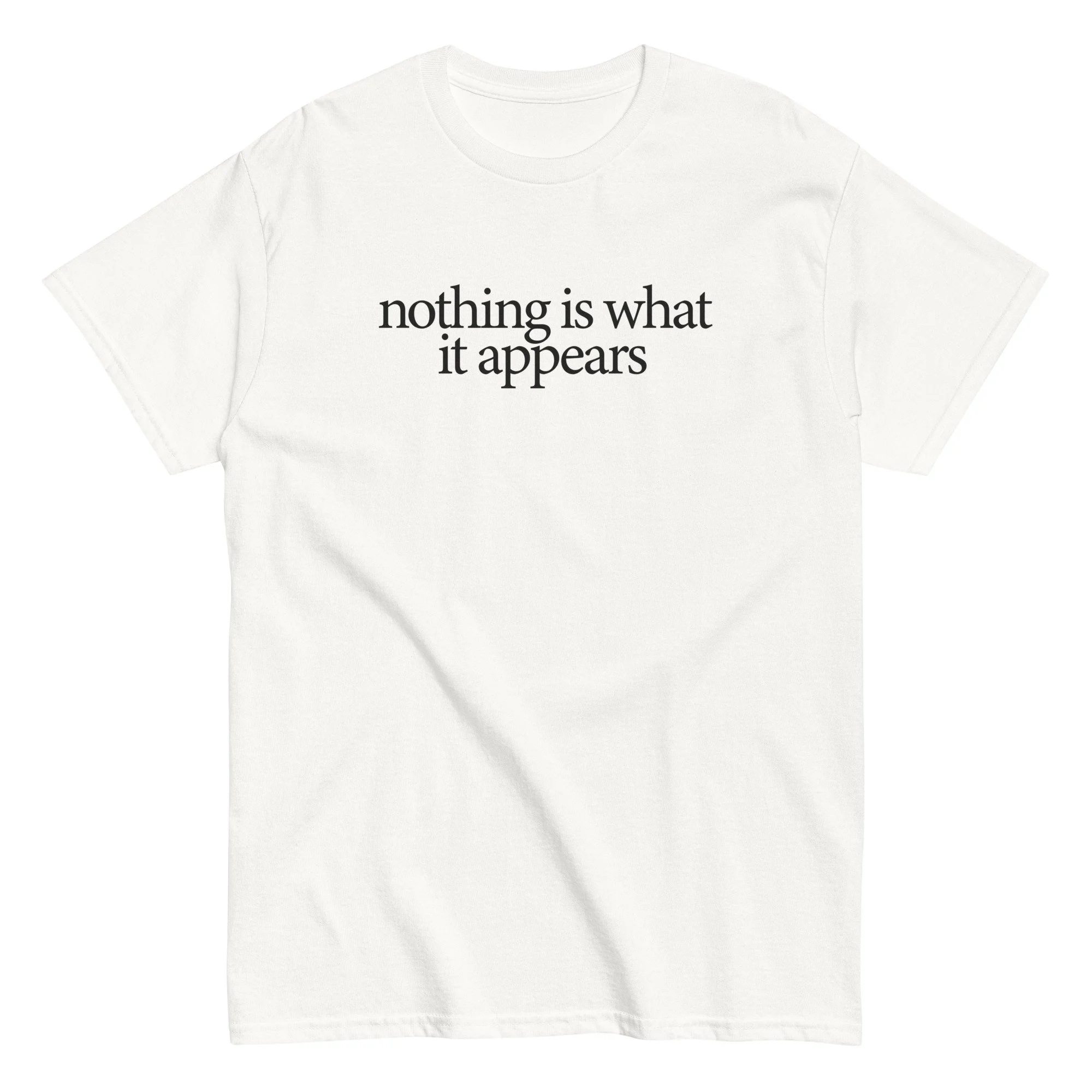



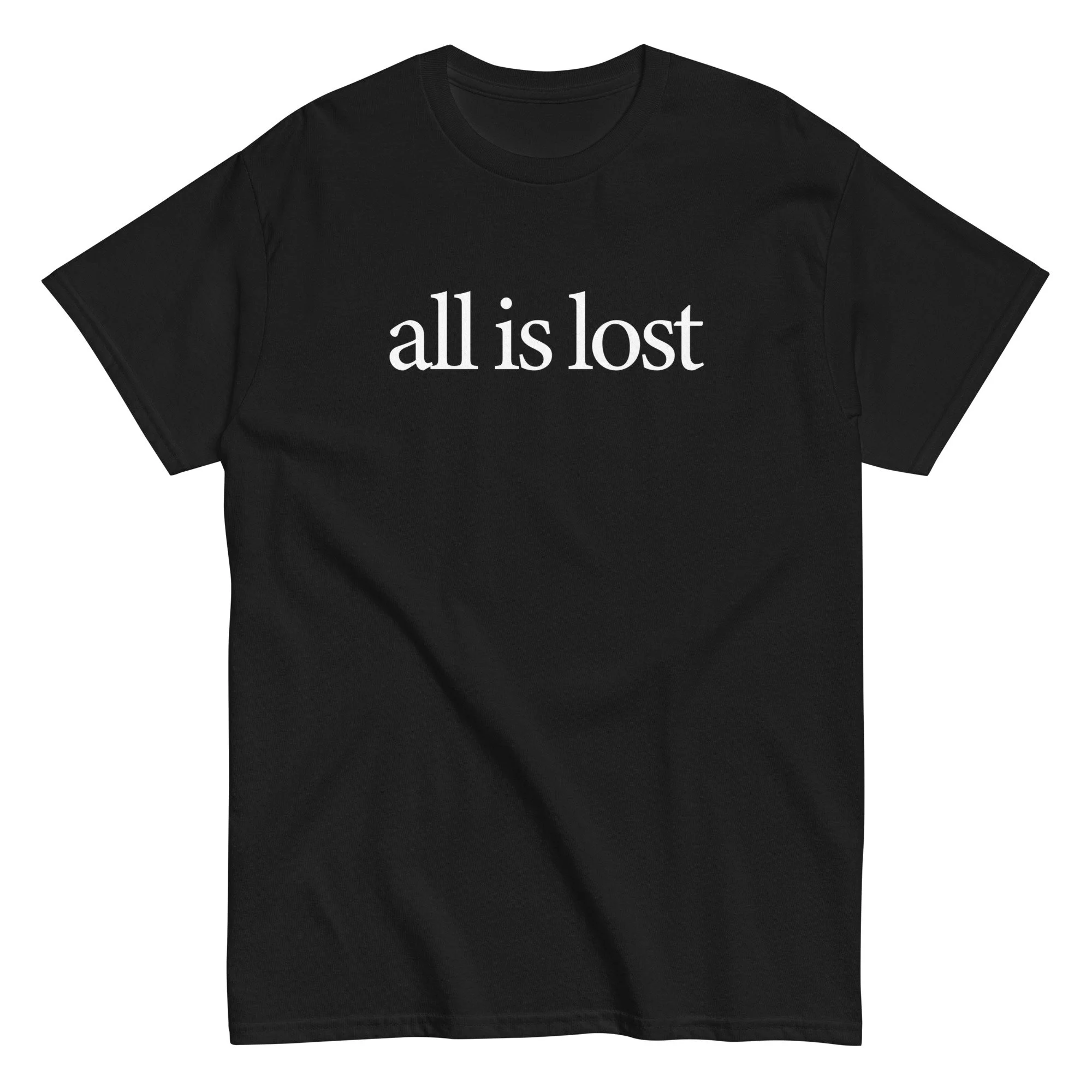


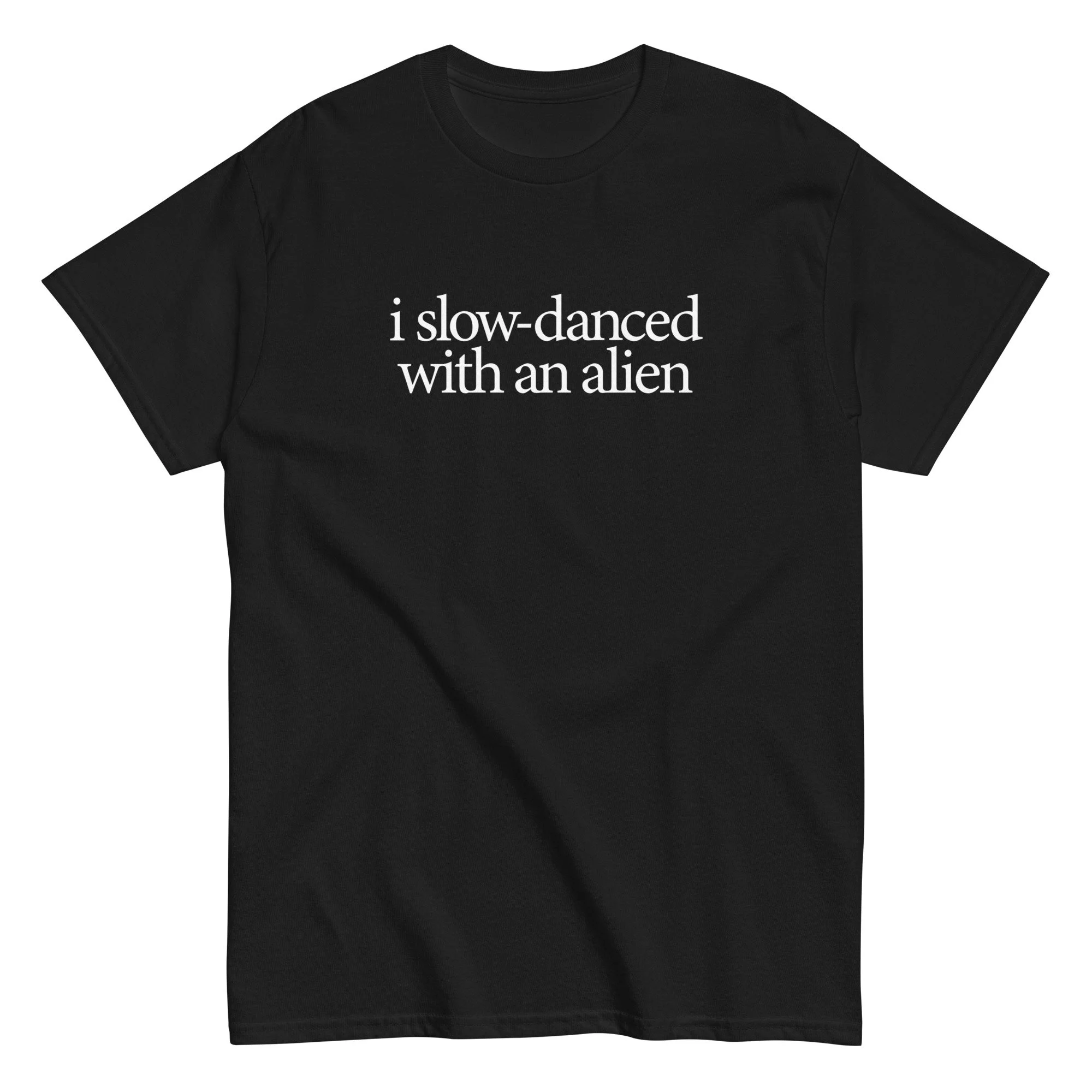
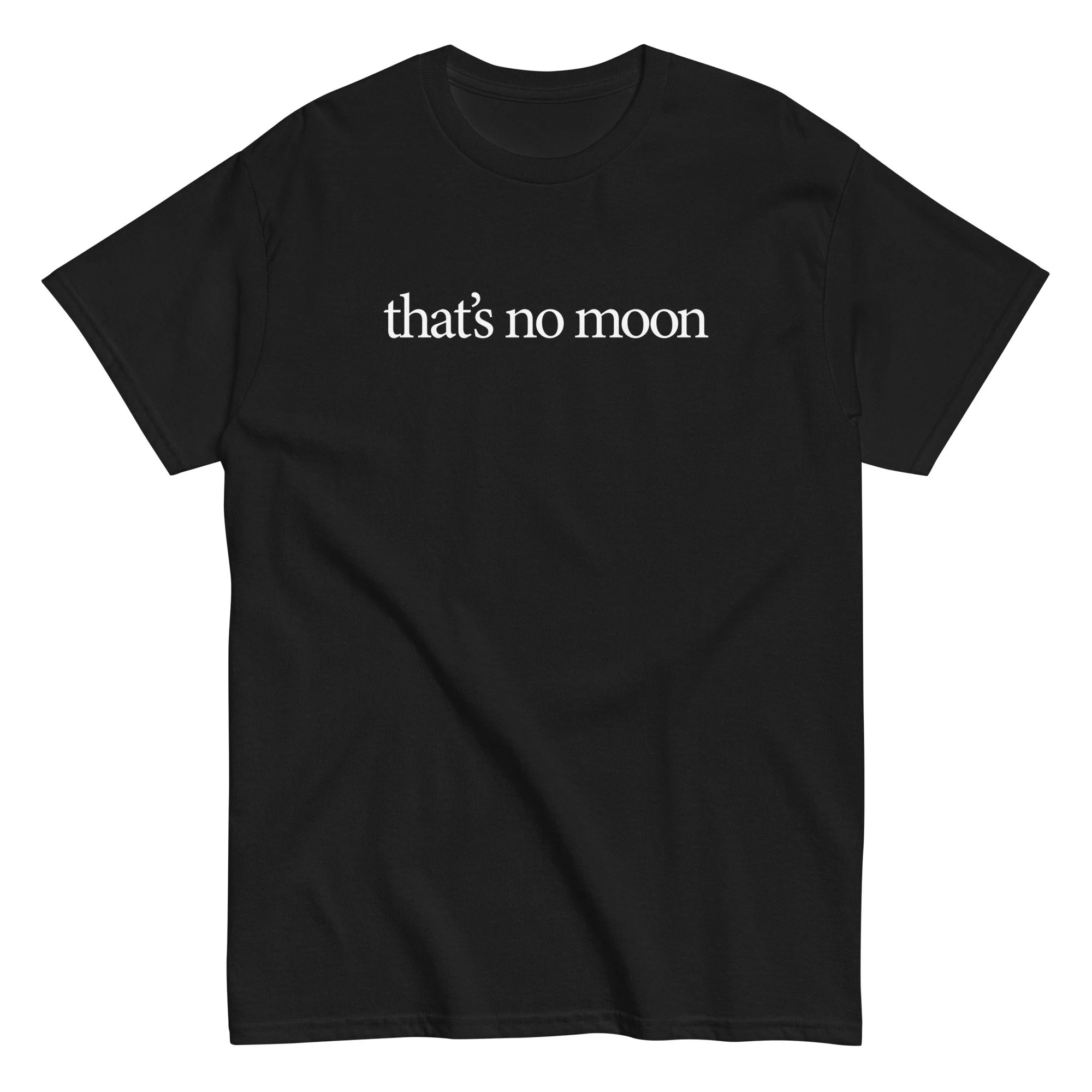





An iconic symbol of 1950s sci-fi paranoia and invasion, featuring the alien electronic eye from The War of the Worlds that watched, scanned, and judged humanity.
The Gildan 5000 is a Heavy Cotton™ T-shirt
• Fit: Men's Classic Crew Neck Tee
• 100% cotton, preshrunk to reduce shrinkage
• Taped neck and shoulders
• Seven-eighths-inch seamless collar
• Double seam at sleeves and bottom hem
• Tear-away label