
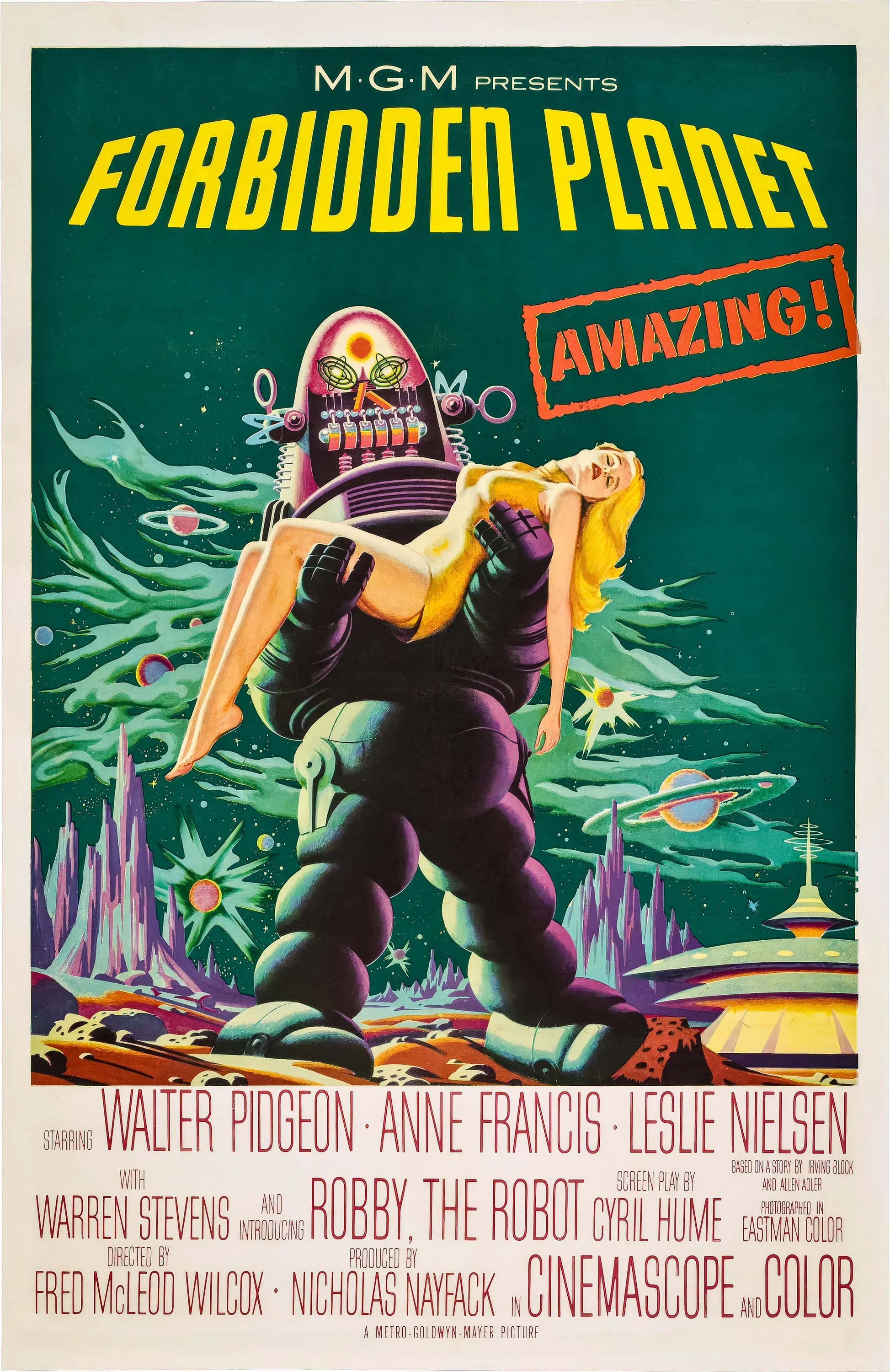
Forbidden Planet
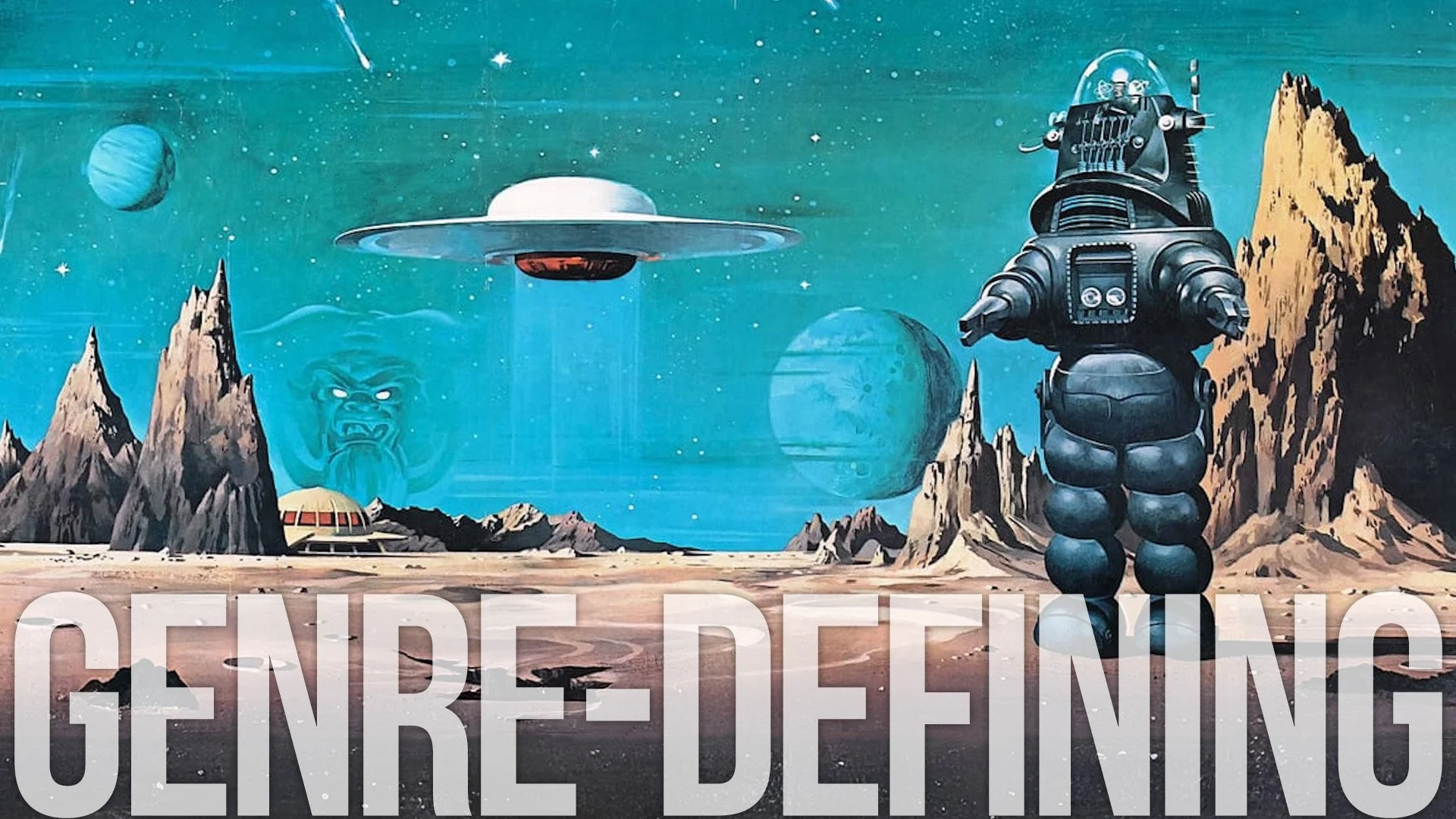
When Sci-Fi Got Serious
Before lightsabers, warp drives, or chest-bursting xenomorphs, there was Forbidden Planet. This 1956 technicolor oddity didn’t just elevate sci-fi—it rewired it. With its Shakespearean roots, invisible monsters, and electronic music made before "synthesizer" was a word, it blew minds and quietly invented modern genre filmmaking.
The plot loosely riffs on The Tempest, but it's really about hubris, isolation, sexy space uniforms, and a monster created by the subconscious mind. Also, Robby the Robot—who honestly got more screen time than some actors. Let's explore how this film went from risky studio gamble to genre-defining classic.
-
A Shakespearean space opera – Yes, Forbidden Planet is The Tempest... on another planet.
Robby the Robot was the real MVP – And the first robot with his own Hollywood agent.
The first ever all-electronic film score – Before synthwave, there were circuits and screams.
The Monster from the Id – Basically Freud in monster form. No, really.
Design that outlived the film – The Krell tech and matte paintings influenced Star Trek, Aliens, and more.
Ground zero for serious sci-fi – This is where space movies stopped being silly.
Shakespeare Got Lasered
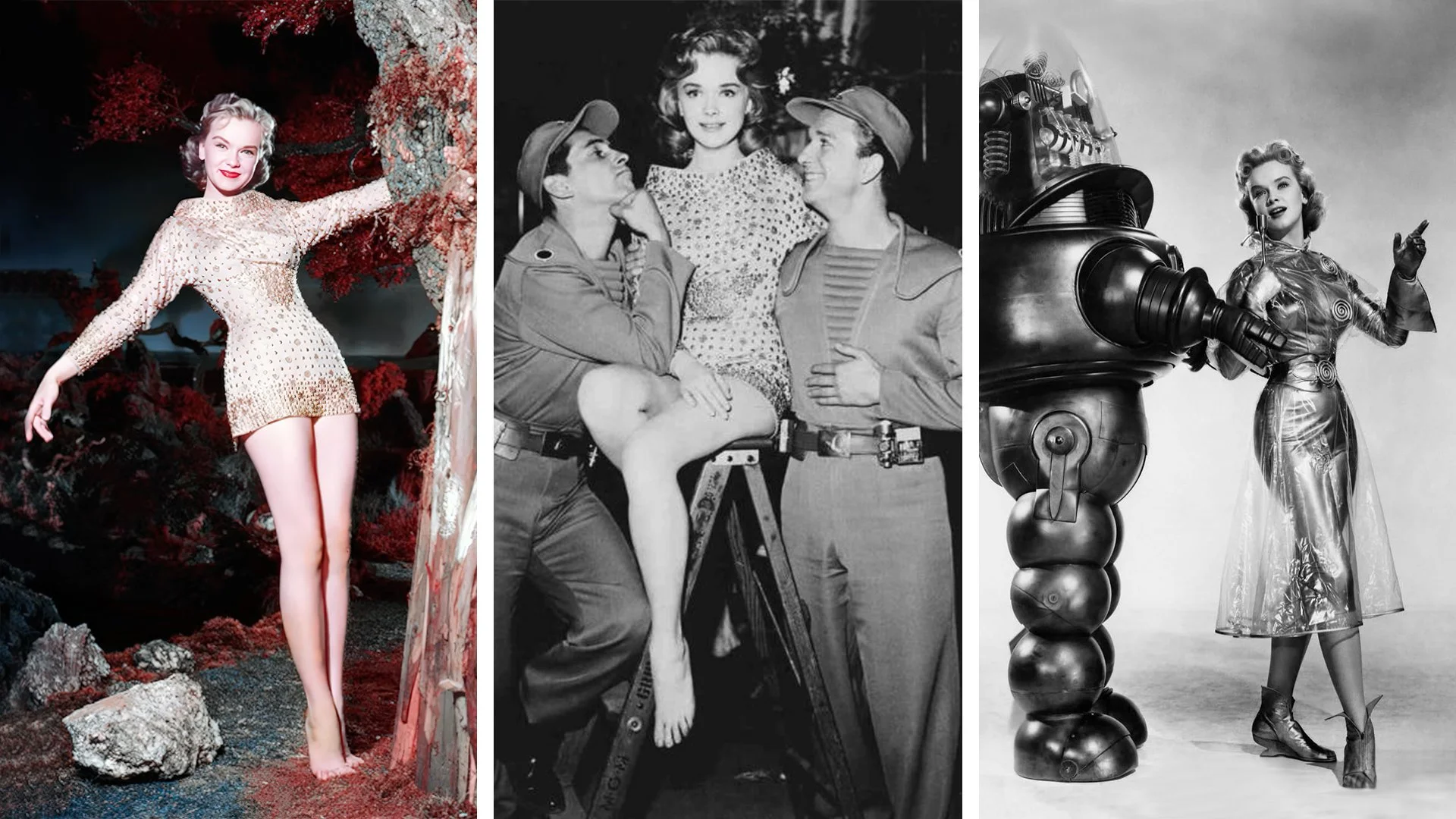
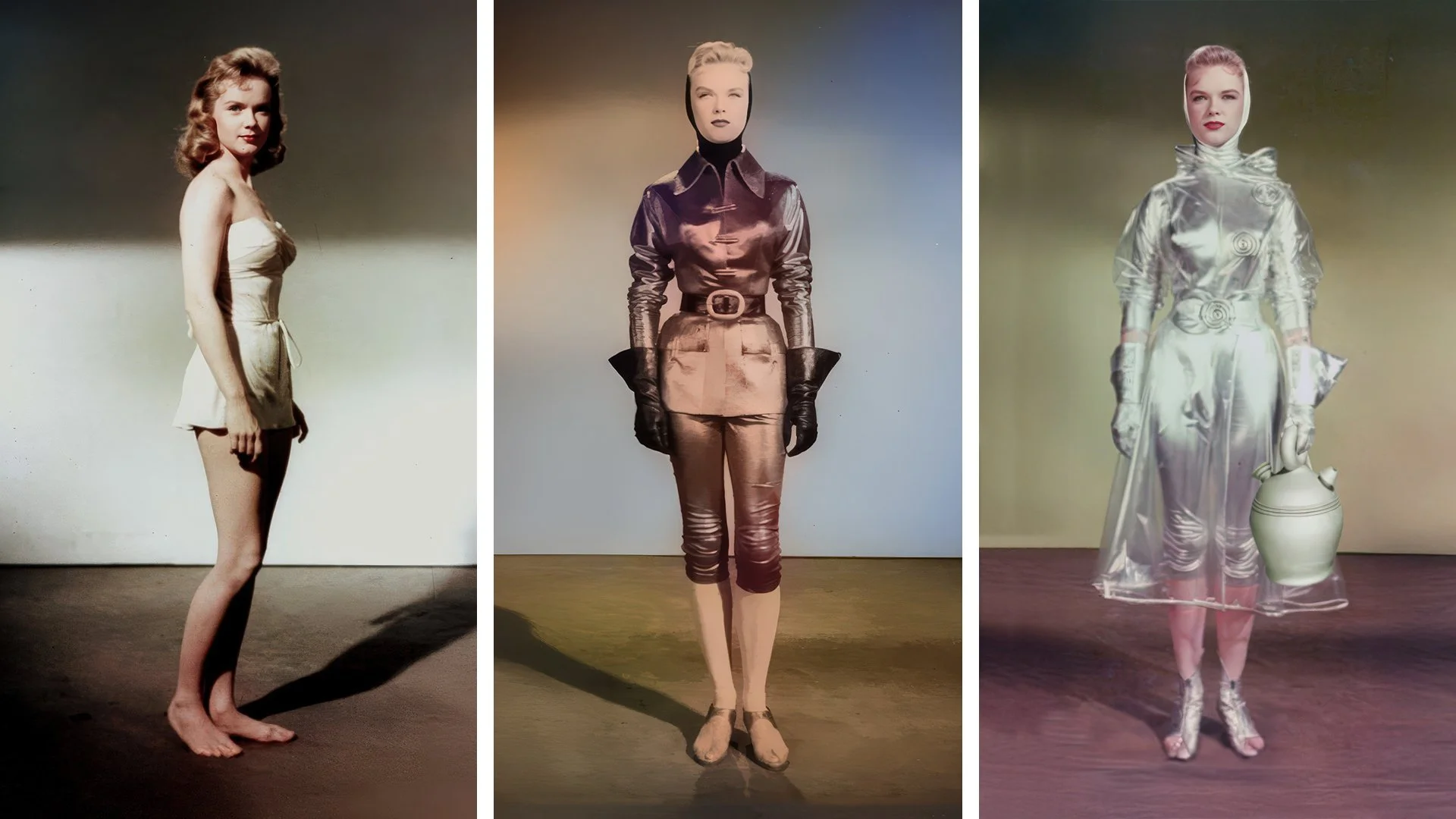
Let’s start here: Forbidden Planet is basically The Tempest... with ray guns. Commander Adams = Prospero, Altaira = Miranda, Dr. Morbius = the wizard with just a few too many secrets. But unlike The Tempest, this one ends with a booming self-destruct sequence and a monstrous embodiment of repressed trauma. The Bard never imagined that.
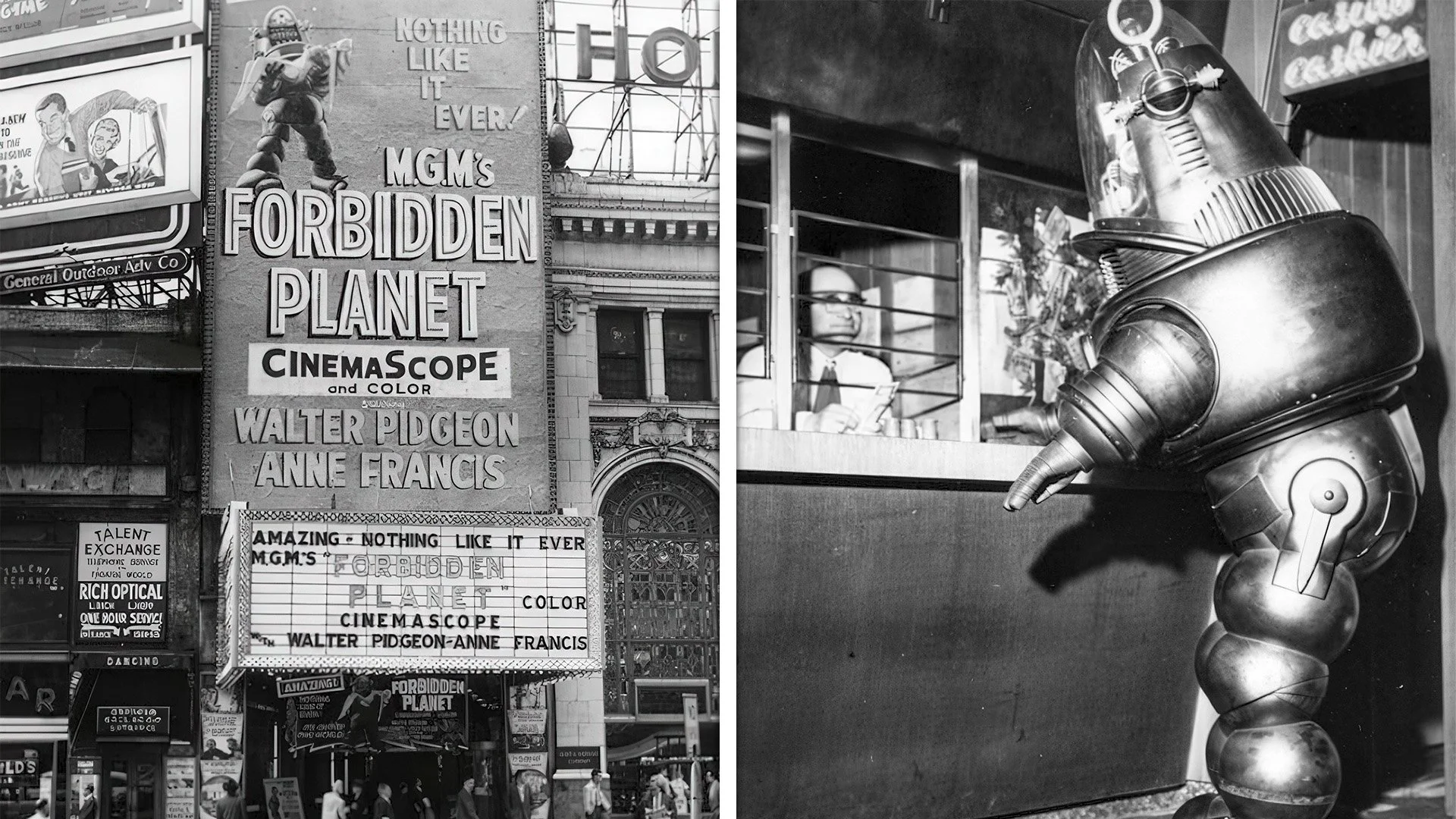
What’s remarkable is that MGM—yes, the studio of Gone with the Wind—poured money into this sci-fi gamble at a time when most space flicks had papier-mâché sets and rubber lizards. The result? A space epic with Shakespearean themes, psychoanalytic monsters, and color-saturated Cinemascope vistas. Also, a robot who makes martinis.
Robby the Robot Stole the Show
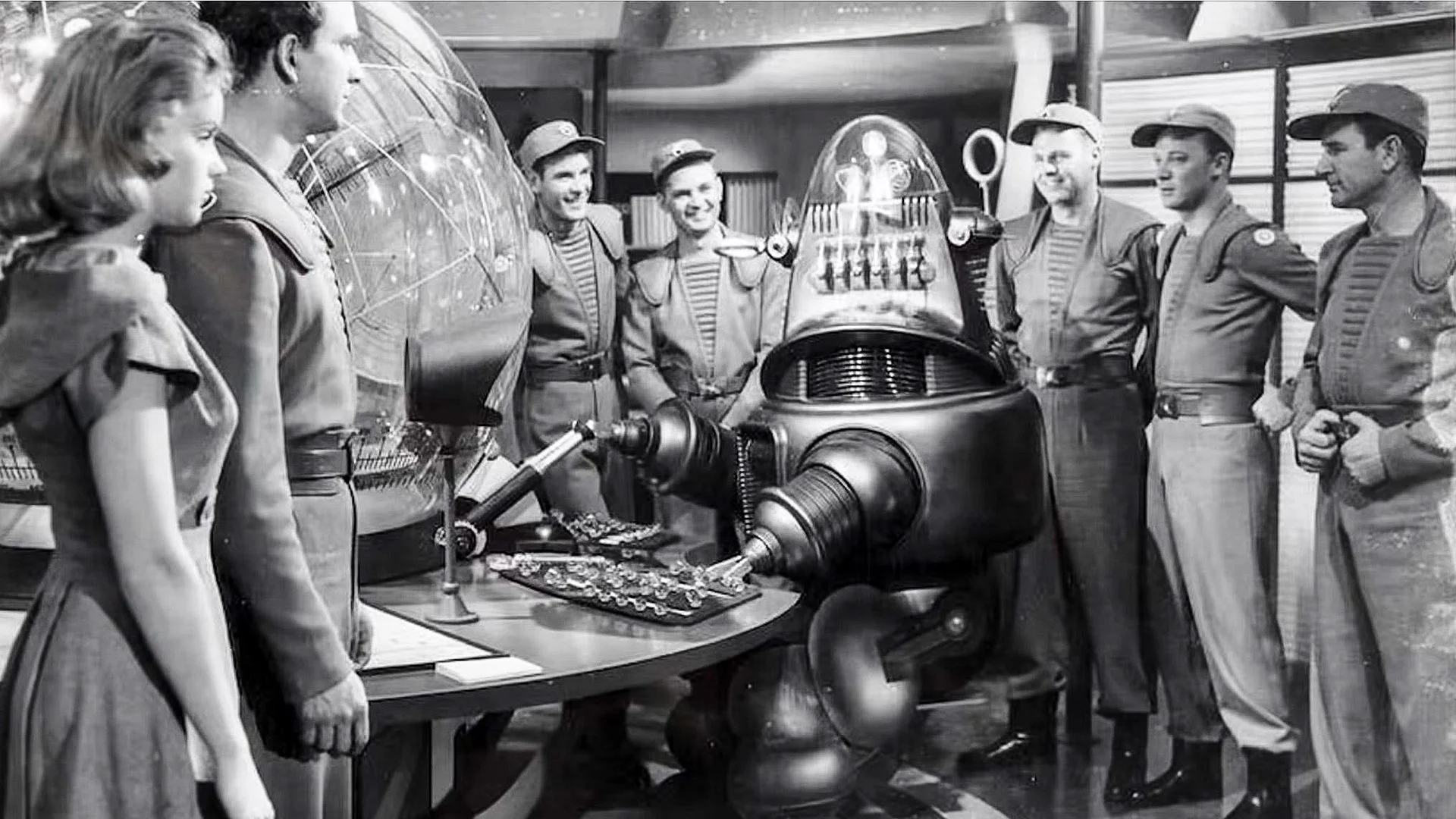
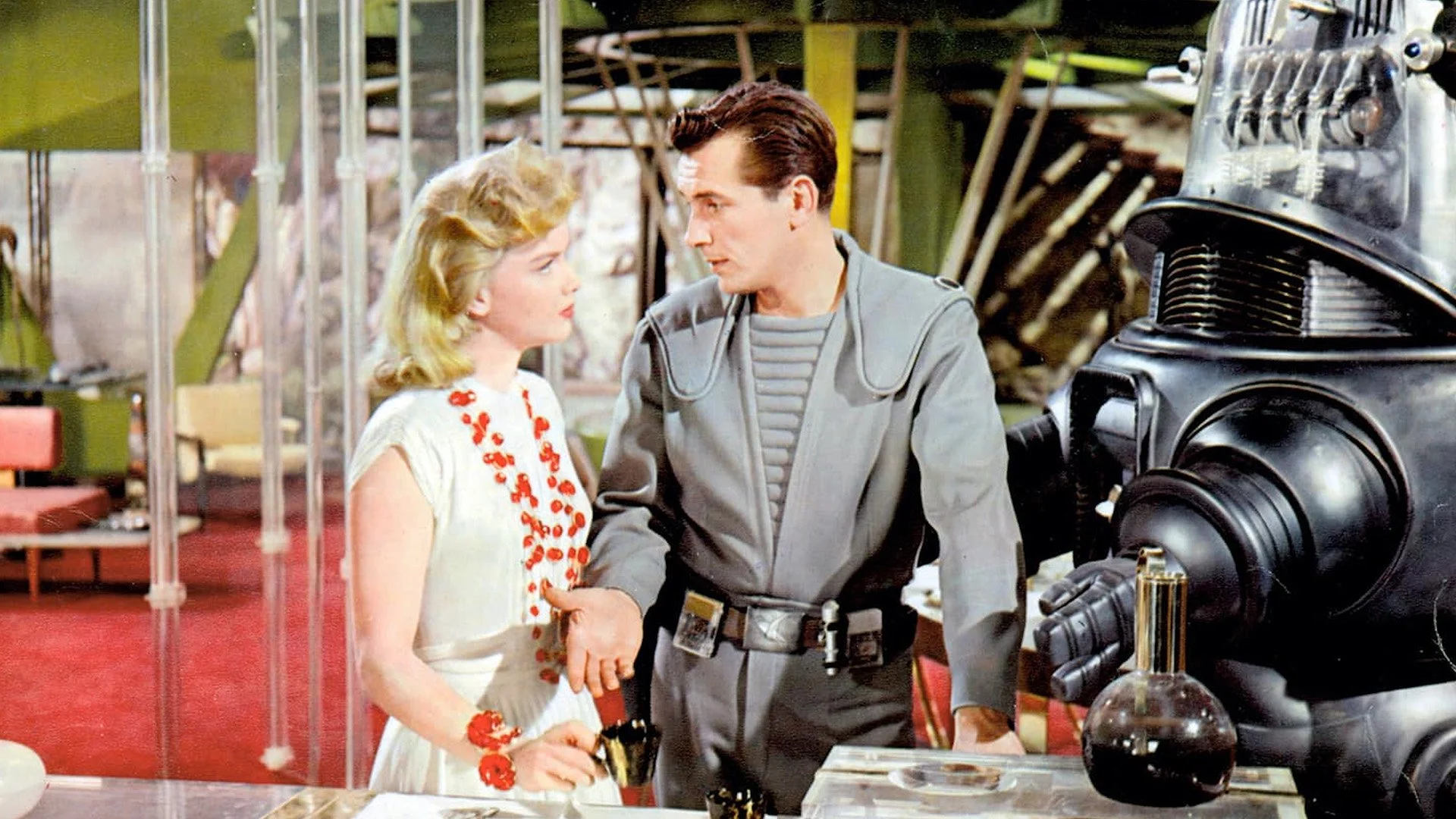
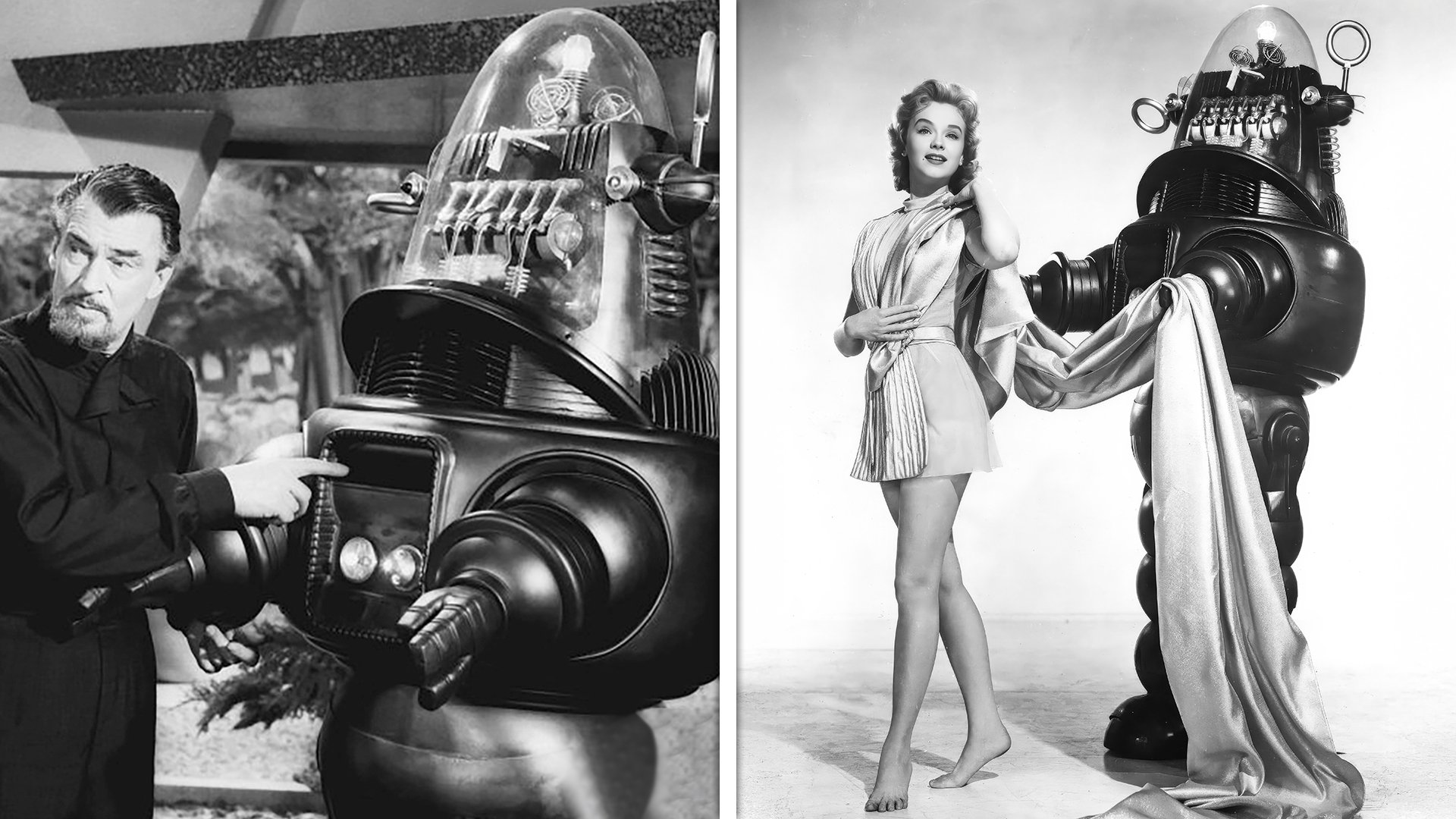
Robby wasn't just comic relief. He was the first cinematic robot with a distinct personality, voice, and—let’s be honest—some serious charisma. Built for $125,000 (a staggering sum at the time), Robby had his own backstory, sense of logic, and quippy dialogue.
Fun fact? Robby was so popular he appeared in over 30 other productions, including The Twilight Zone, Lost in Space, and even Gremlins. He got billing. He got fan mail. He got reused more than any sci-fi prop in history.
The Monster Was You (No, Really)
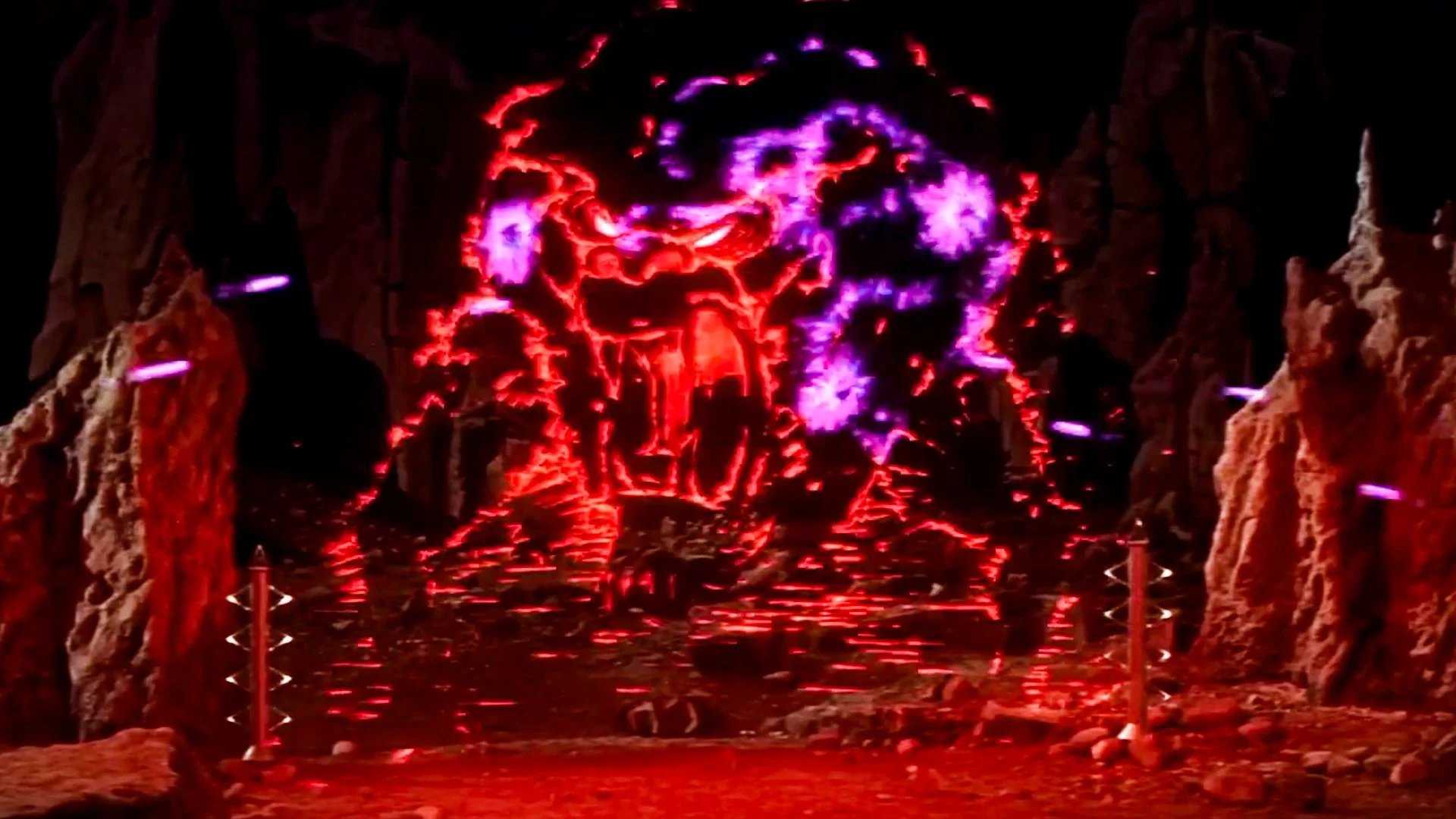
At the core of Forbidden Planet is one of sci-fi’s most fascinating villains: the Monster from the Id. This creature is never directly seen—just its footprint, force field, and destruction. But the twist? It’s a literal projection of Dr. Morbius’s repressed mind, made real by the extinct Krell’s godlike technology.
This wasn’t just ahead of its time—it was too ahead. MGM marketers had no idea how to sell “Freudian space horror” in 1956. But for sci-fi fans, it was revolutionary. The idea that our own minds could be the real alien threat? That’s pure Philip K. Dick before he even hit his stride.
The most dangerous thing on this planet
is the human mind.
Scoring with Circuits
The score, by Louis and Bebe Barron, is one of the wildest things about this film—and also the most underappreciated. They didn’t use instruments. They used hand-built circuits that overloaded themselves to create sound. It wasn’t “music” by traditional standards, which caused the Academy to disqualify it from Best Score consideration. Seriously.
They called their creations “electronic tonalities,” and they paved the way for everything from Blade Runner to Stranger Things. Listen to the opening sequence again—those rising, howling pulses? That’s what deep space sounds like when you plug your nightmares into a voltmeter.
Krell Tech: Design that Endures
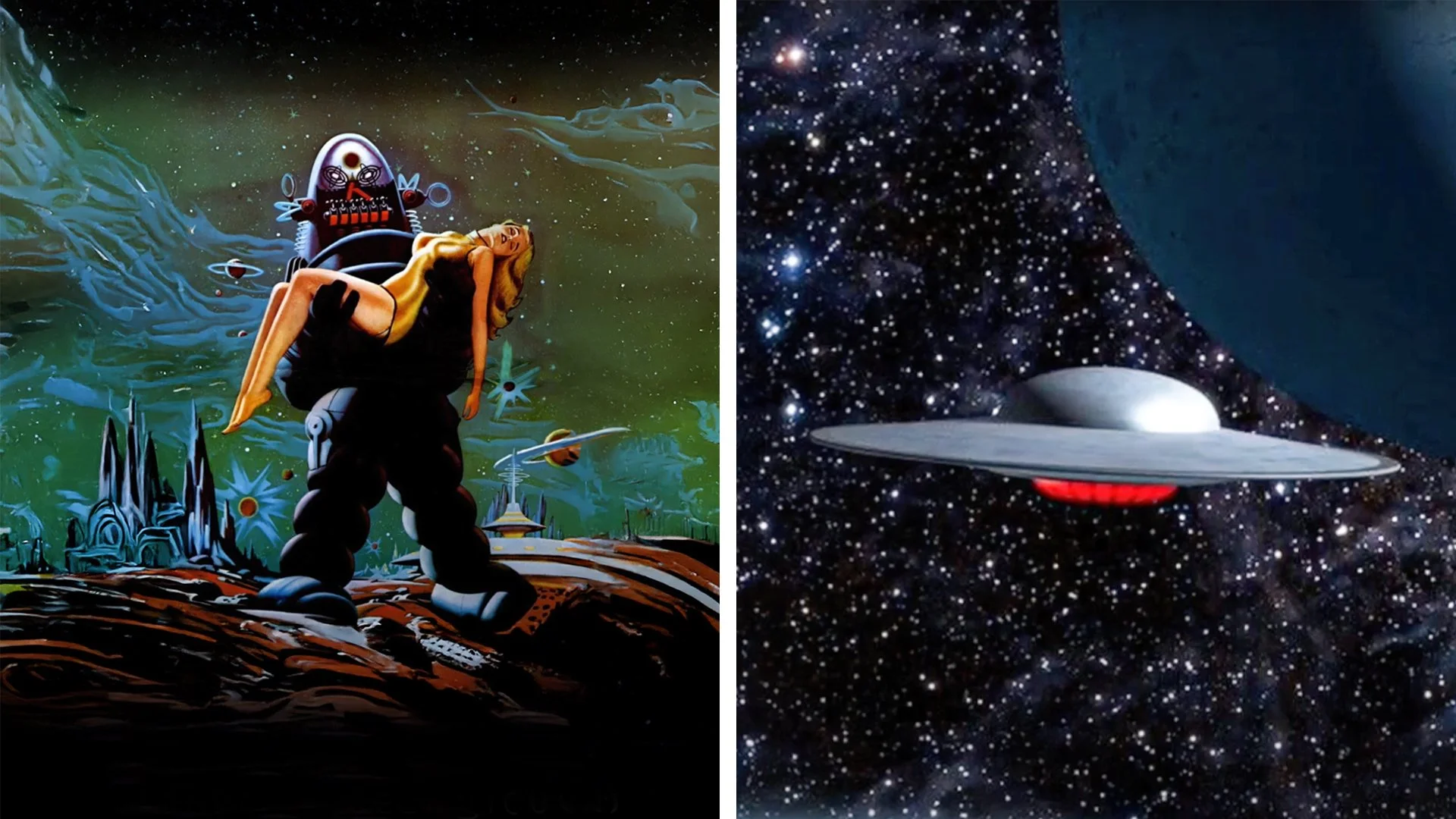
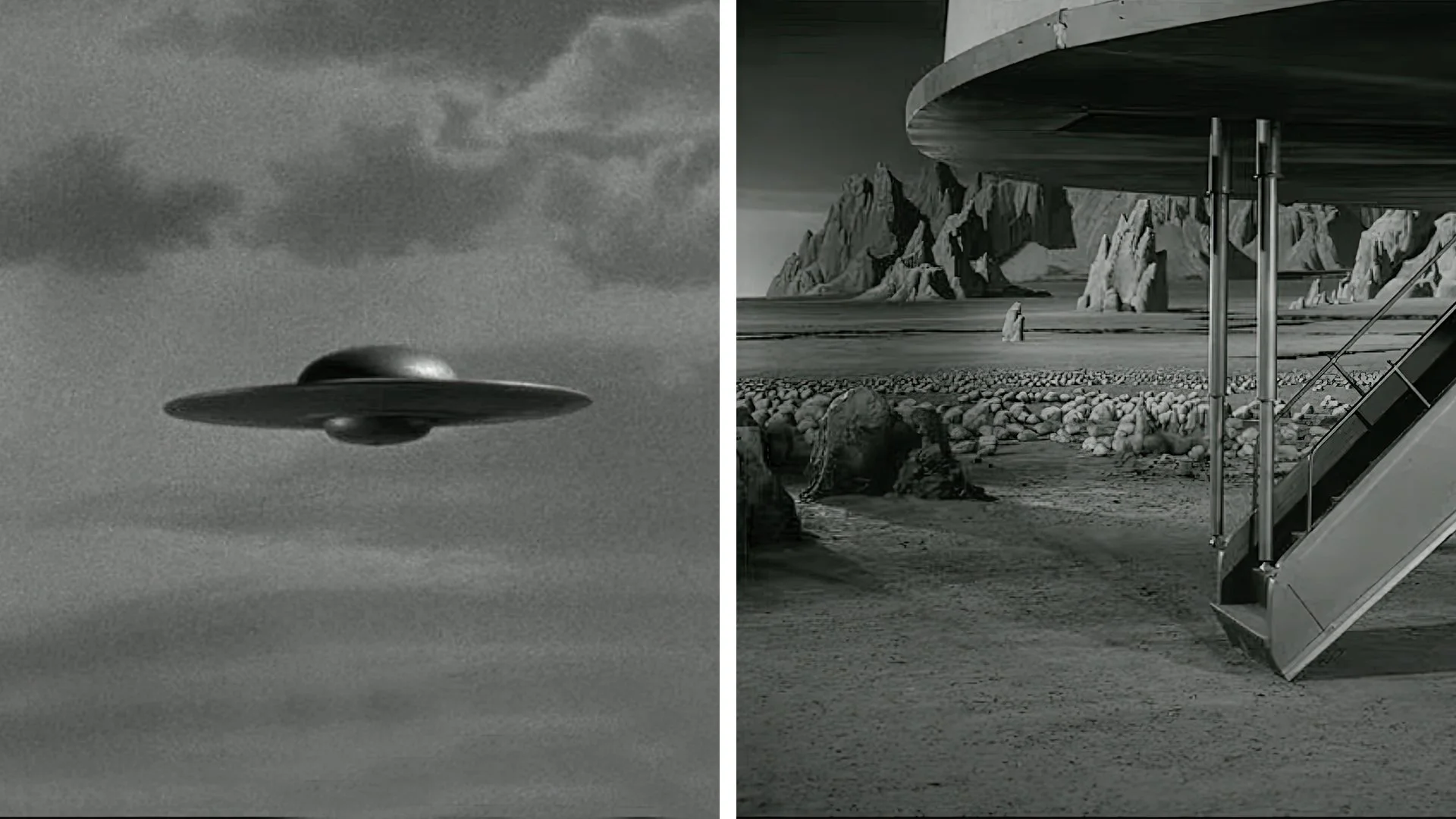
The lost alien civilization of the Krell is only seen in the film through its massive, glowing, underground machines. The visual language is pure retro-futurism: blinking lights, glowing tubes, miles of matte-painted depth.
Art director Cedric Gibbons and special effects wizard Arnold Gillespie used pioneering techniques to give the Krell labs a feeling of endless scale. And it worked. Designers from Star Trek, Alien, Tron, and 2001: A Space Odyssey all cribbed from it.
Even the elevator into the Krell complex inspired theme park rides and sci-fi hallways for decades.




It Wasn’t Just Sci-Fi—It Was Prestige
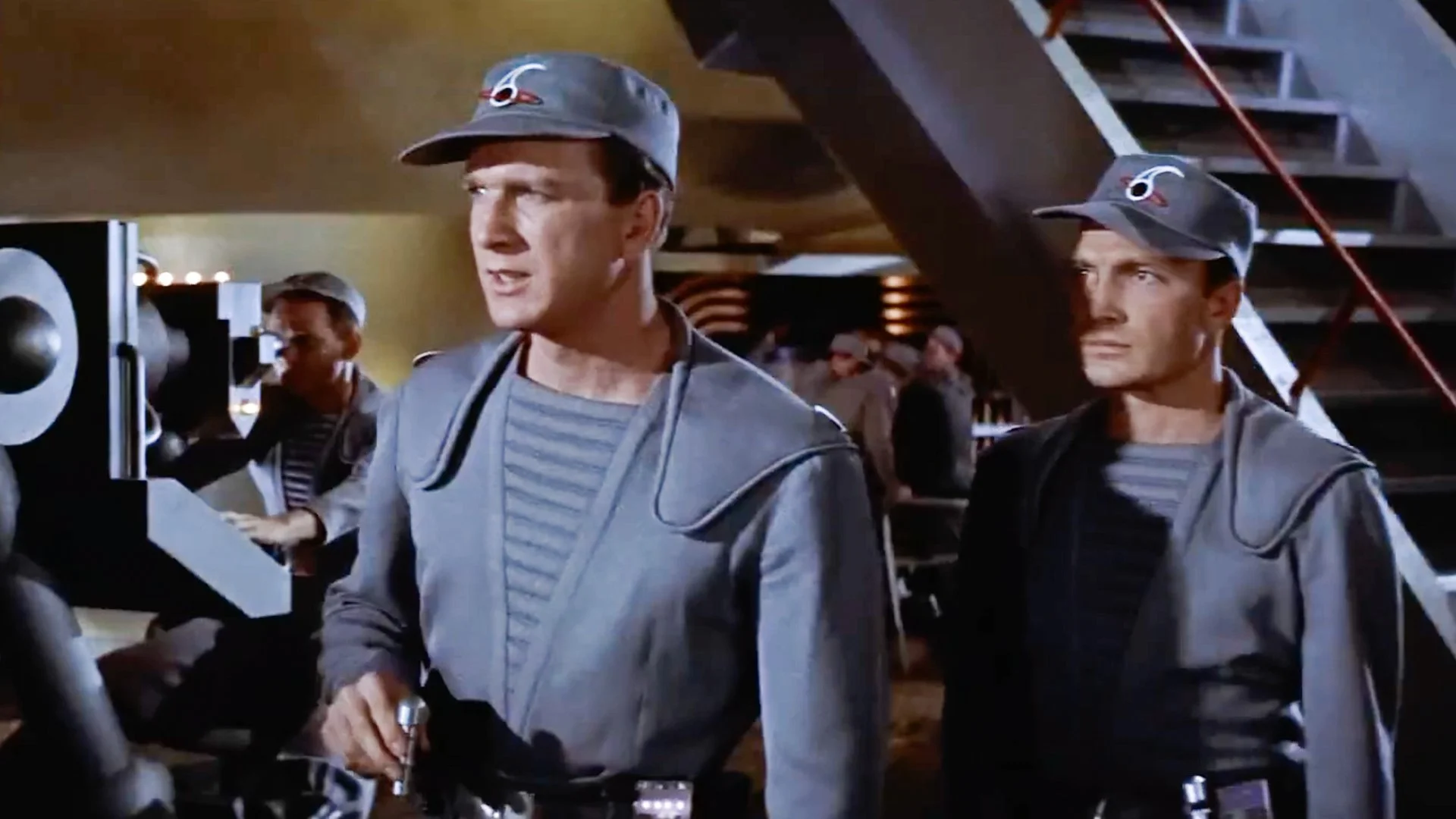
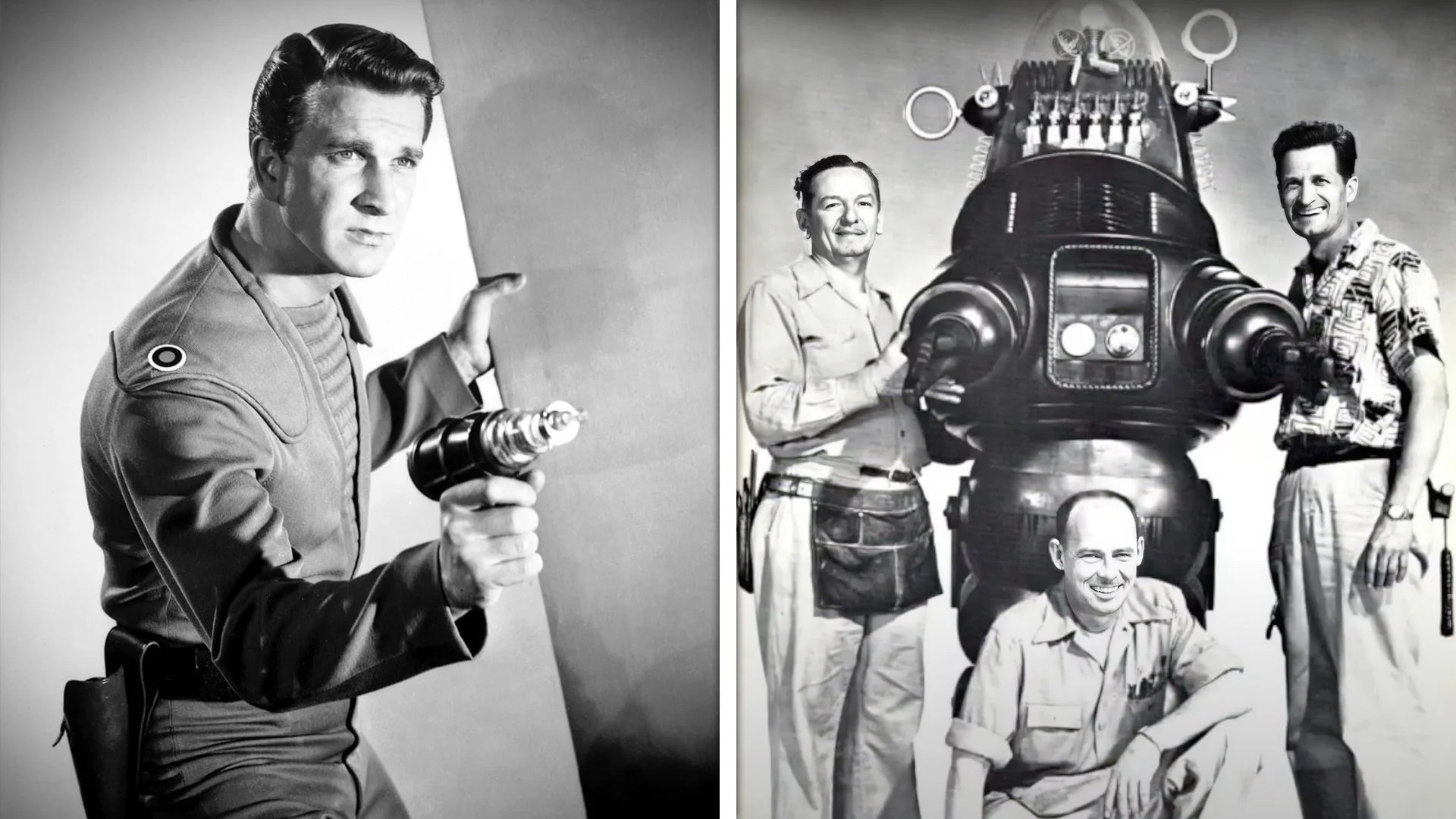
Forbidden Planet was the first big-budget studio sci-fi to be taken seriously. It had name actors (Leslie Nielsen, before he got funny), big studio effects, a pioneering score, and even a moral message. It was the blueprint for what “respectable” science fiction could look like.
It also acknowledged that some things can’t be explained away with logic. Sometimes the monster is us. Sometimes the unknown stays unknown.
Intelligence was their greatest invention—
and their fatal mistake.
-
Loosely. The structure mirrors The Tempest, but with a sci-fi twist.
-
Louis and Bebe Barron, using handmade circuits and tape manipulation.
-
Yes! Robby appeared in dozens of shows and movies afterward. He was a sci-fi superstar.
-
It’s a Freudian concept. The monster is a projection of suppressed desires—pure subconscious rage.
-
It legitimized the genre as big-budget cinema, introduced psychological horror into space films, and pioneered visual and sound design that shaped sci-fi for decades.
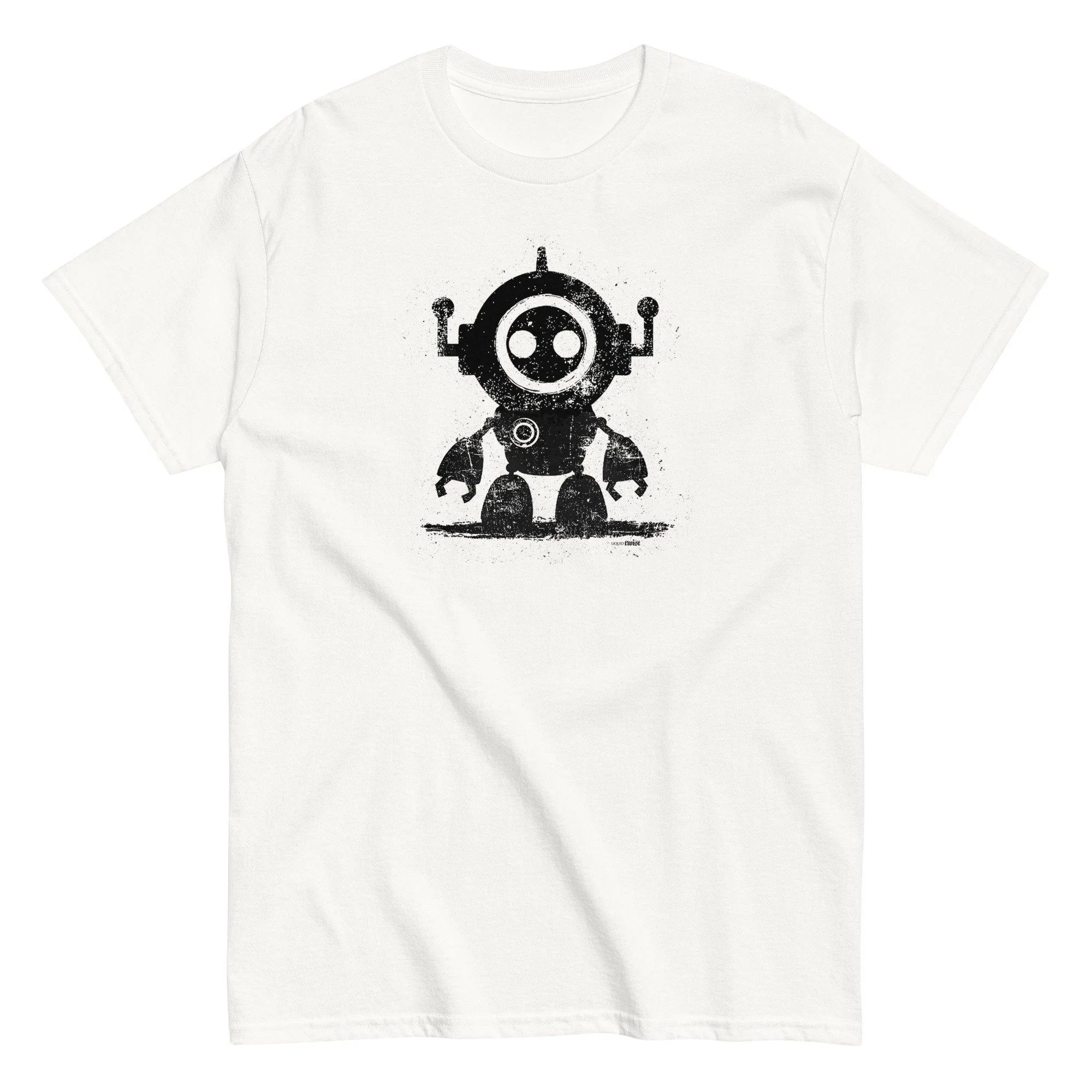
No matter what planet you're on or traveling to, the 100% cotton men's classic tee sits nicely, maintains sharp lines around the edges, and feels great on long intergalactic space flights.
The Gildan 5000 is a Heavy Cotton™ T-shirt
• Fit: Men's Classic Crew Neck Tee
• 100% cotton, preshrunk to reduce shrinkage
• Taped neck and shoulders
• Seven-eighths-inch seamless collar
• Double seam at sleeves and bottom hem
• Tear-away Label