
The Blob Still Spreads
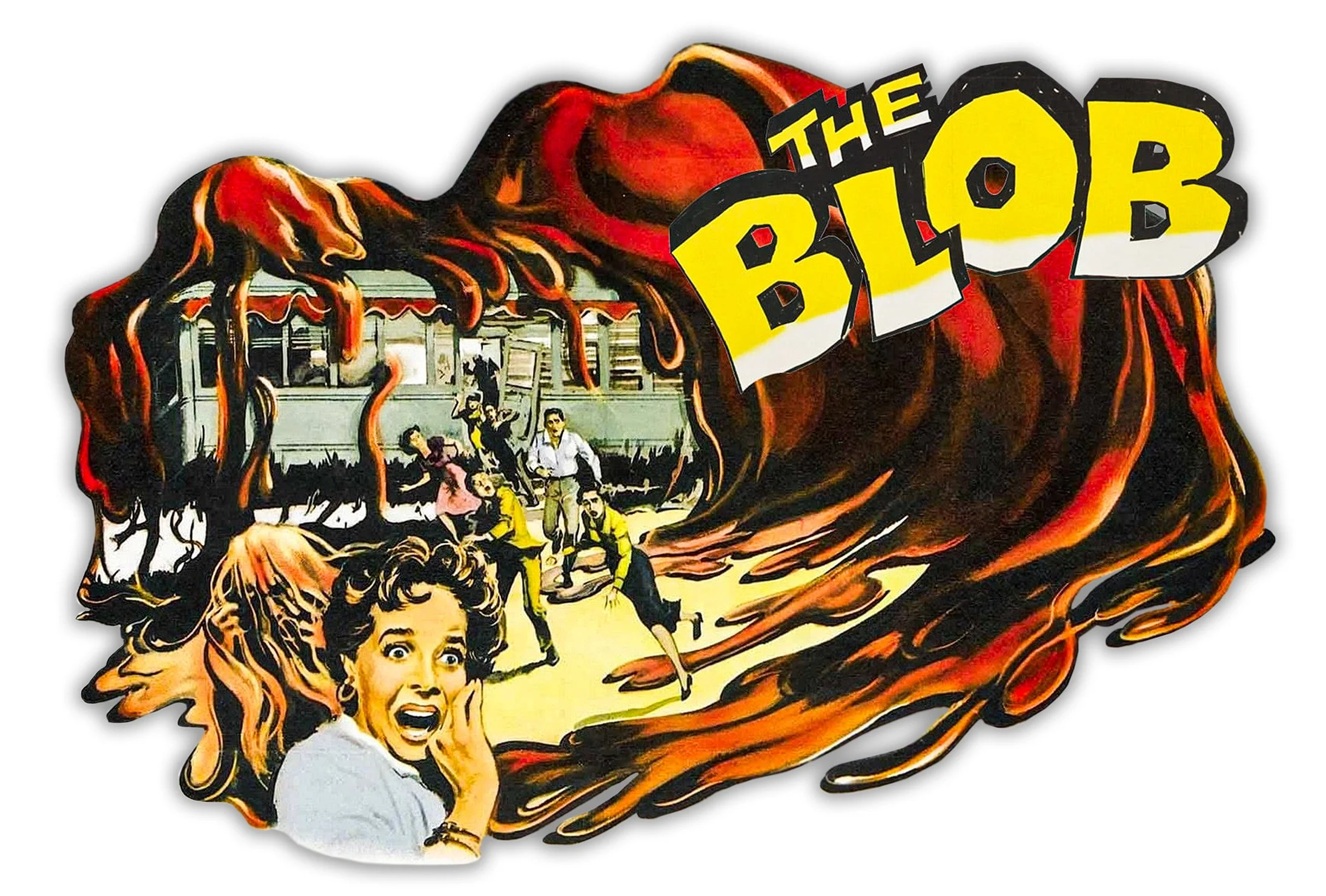
A monster with no face — just appetite.
The Blob (1958) is one of those perfect 1950s nightmares: a quiet town, a clean-looking future, and a problem that doesn’t care what anyone believes. It doesn’t talk. It doesn’t negotiate. It doesn’t even pose. It just grows.
What makes it last isn’t the goo. It’s the idea. The Blob is a threat with no personality—more like a runaway process than a creature. Which is why it still hits, and why it still has a living fan culture (including Phoenixville’s annual Blobfest, where people literally sprint out of the theater like it’s 1958 again).
-
The Blob isn’t a “monster.” It’s an escalation—the more it eats, the harder it is to stop.
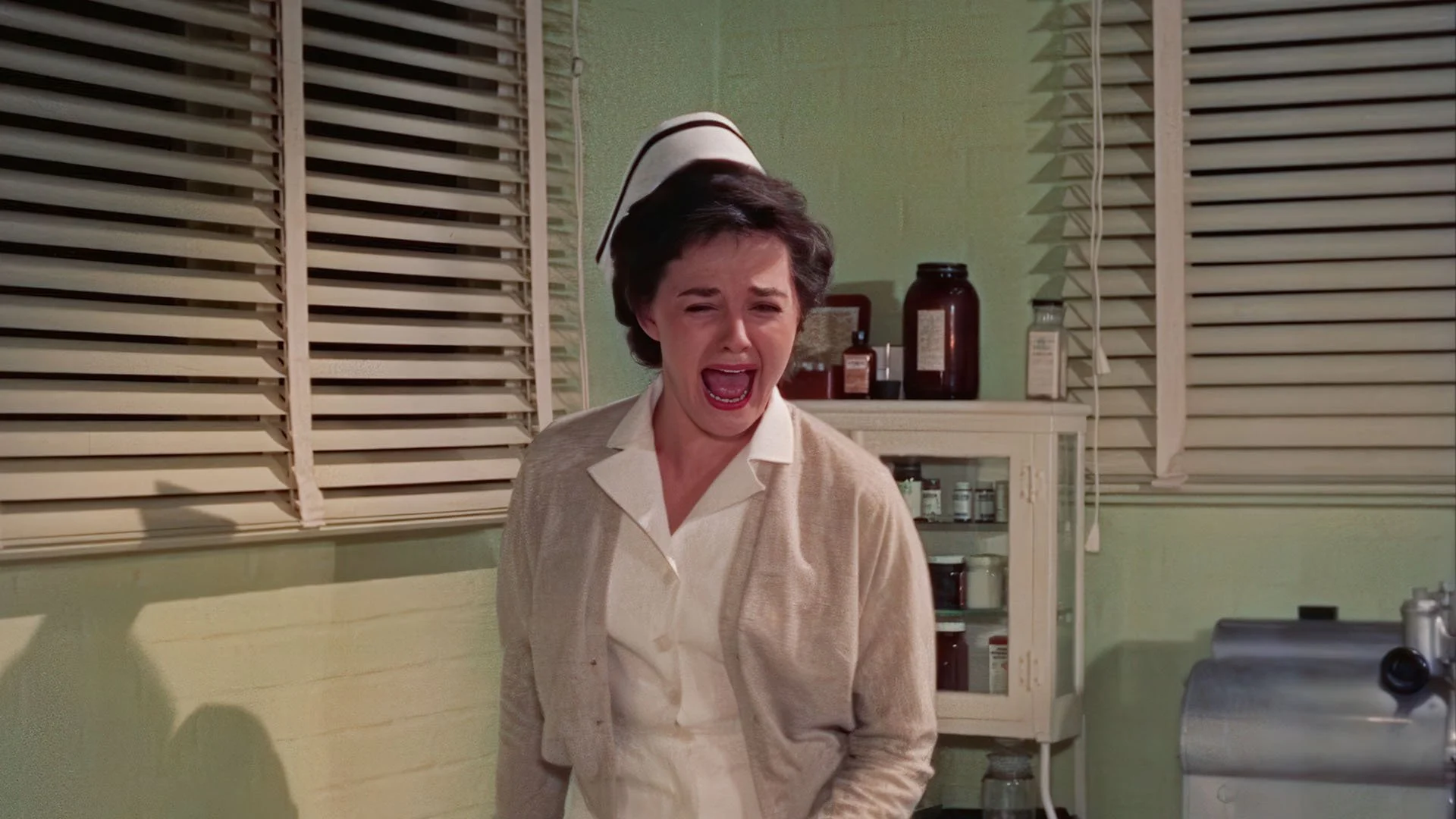
The movie’s real tension is who gets believed, not what the creature is.
The Blob’s “no-face” design makes it feel modern: impersonal, system-like, unstoppable.
The fandom isn’t nostalgia-only: Blobfest turned a single scene into a real-world ritual.
There’s a strange “maybe-true” prehistory: a 1950 Philadelphia police report about sky-fall goo sits in the film’s shadow.
And yes: the theme song was written by Burt Bacharach (with Mack David). Your brain is allowed to be confused by that.
Healthfully Air Conditioned Fear

The Blob is what happens when “the problem” has no face
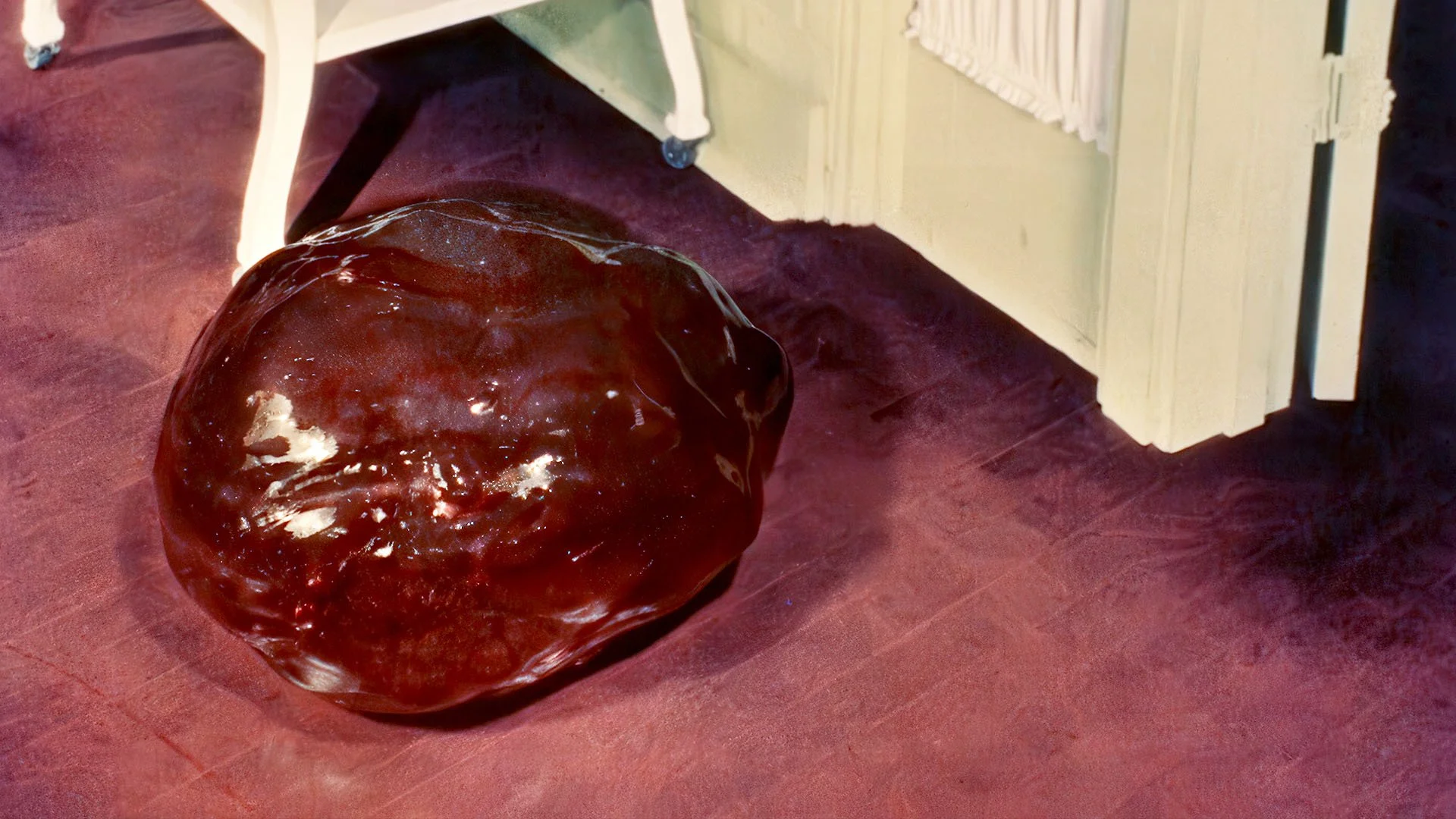
Most creature features give you something to read: eyes, teeth, a vibe. The Blob denies you that comfort. It’s just mass.
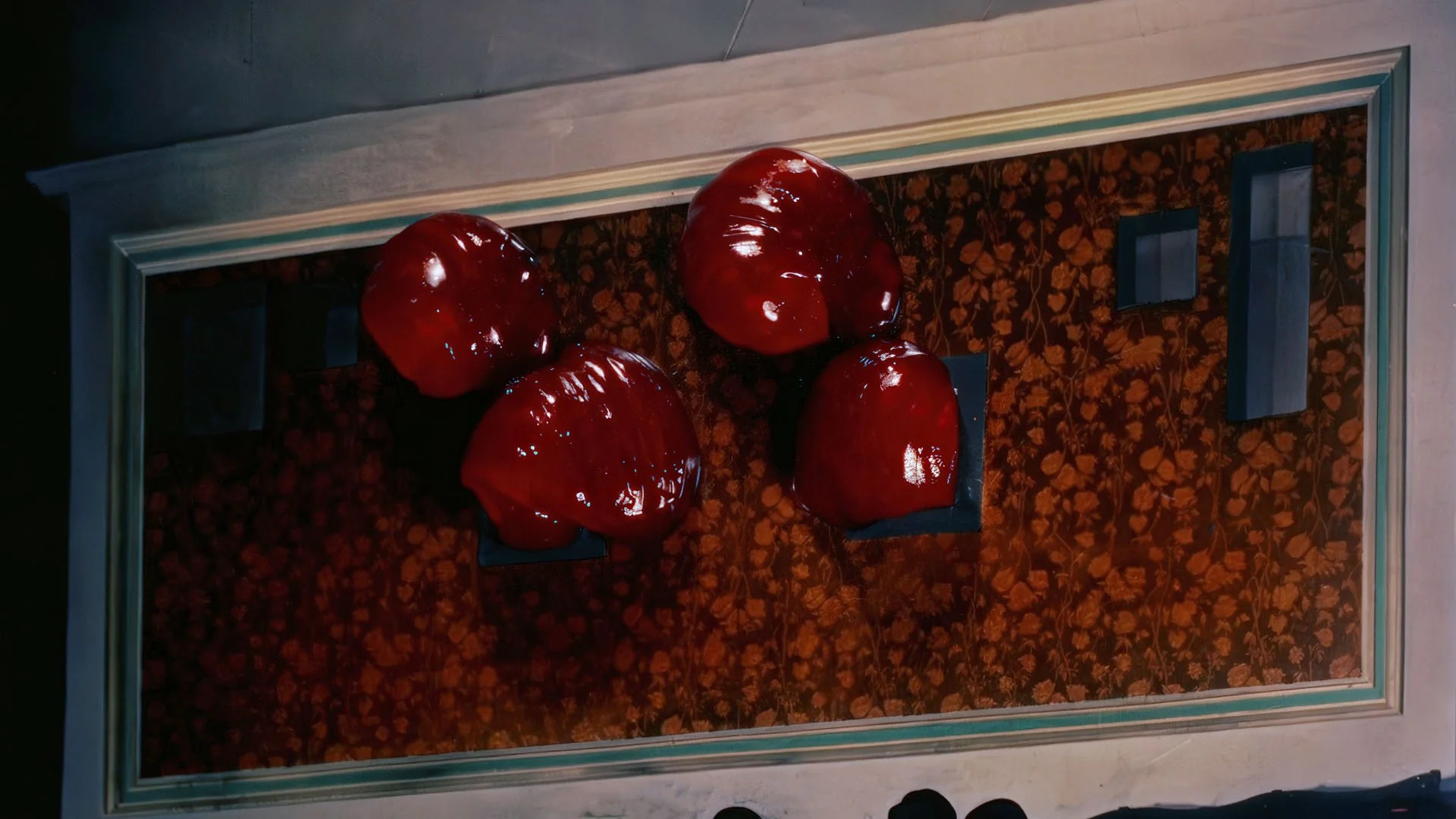
That matters. A face invites story—motives, misunderstandings, maybe even sympathy. The Blob is closer to a chemical spill with ambition. It turns fear into math: it gets bigger, therefore it gets worse.
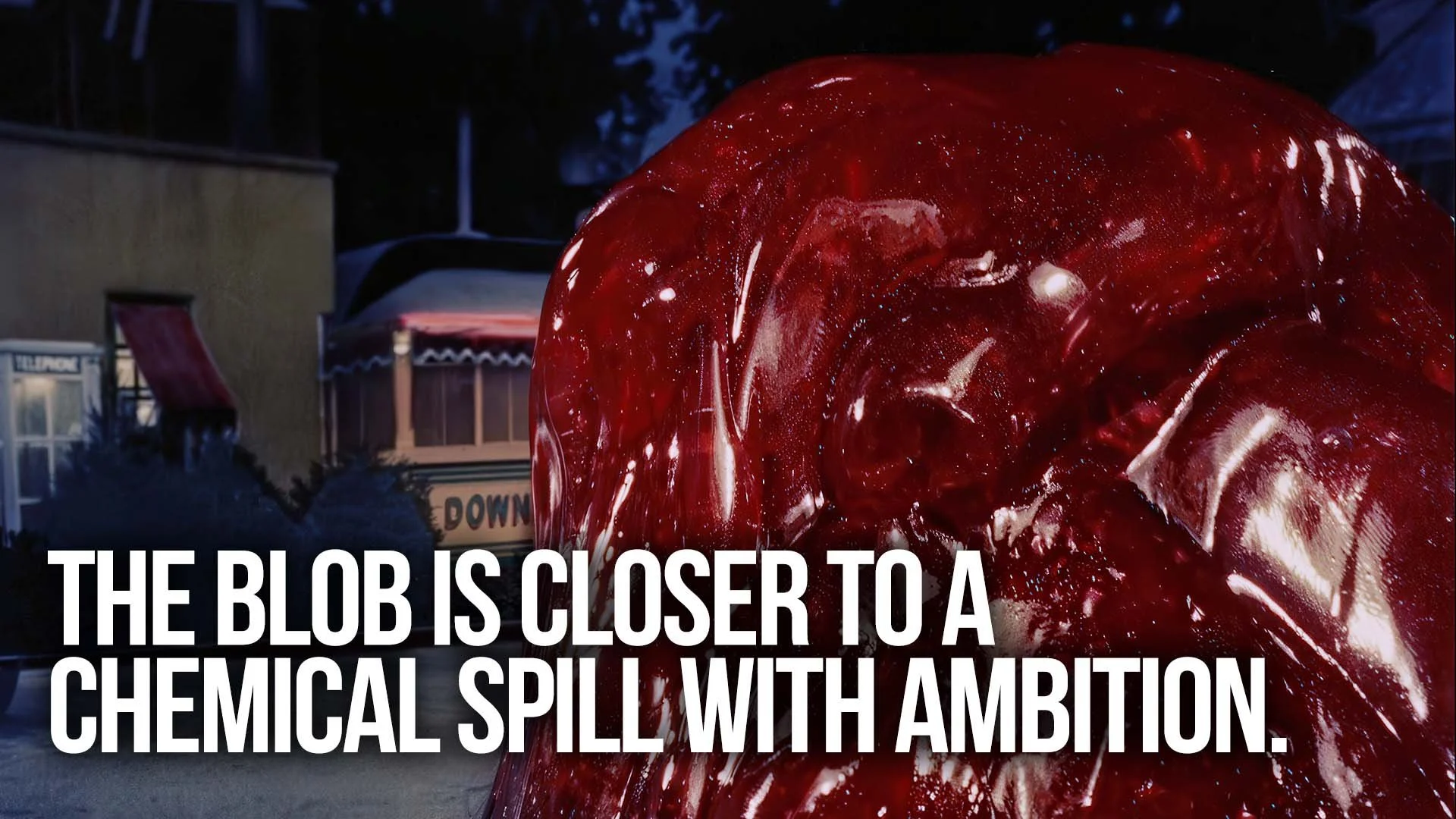
That’s also why it feels weirdly current. A lot of modern dread looks like this:
a system that scales faster than your ability to respond
a thing that spreads because it spreads
an emergency that starts as “probably nothing”
The Blob doesn’t need symbolism to work… but it practically begs for it.
The real plot: The rules have suddenly changed
If you strip away the gelatin, The Blob is about social friction:
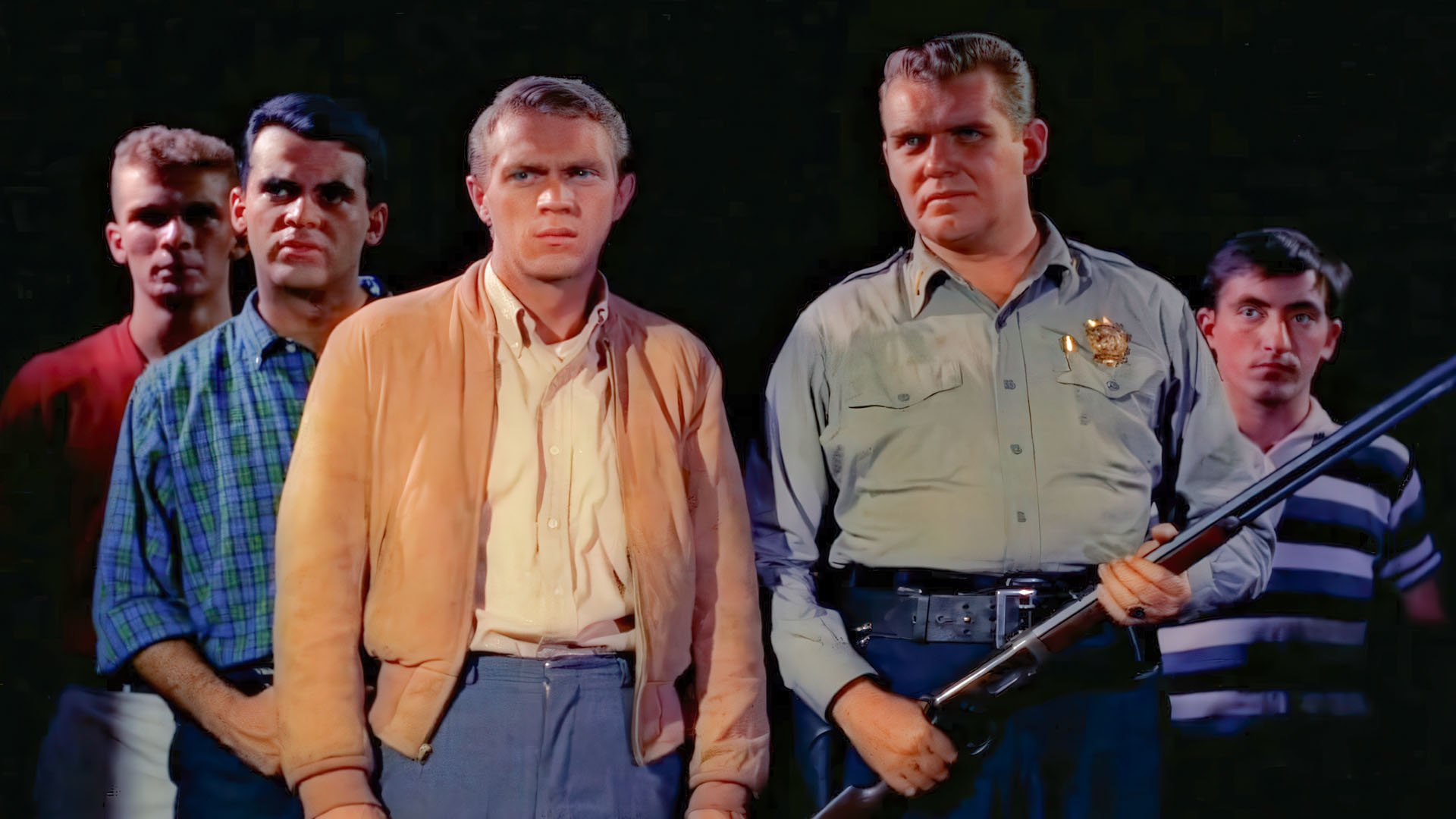
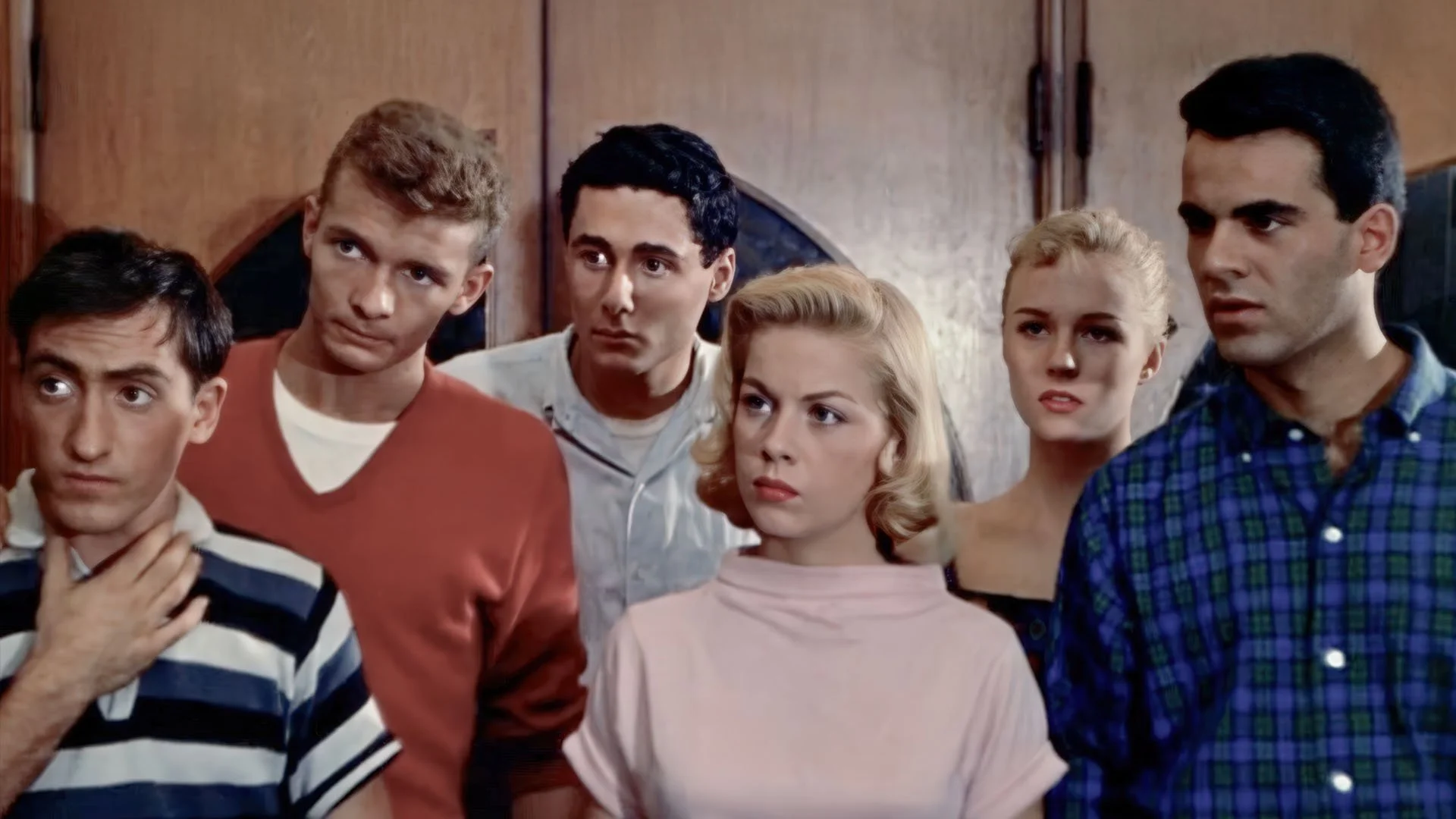
Teenagers see something. Adults don’t want to deal with it.
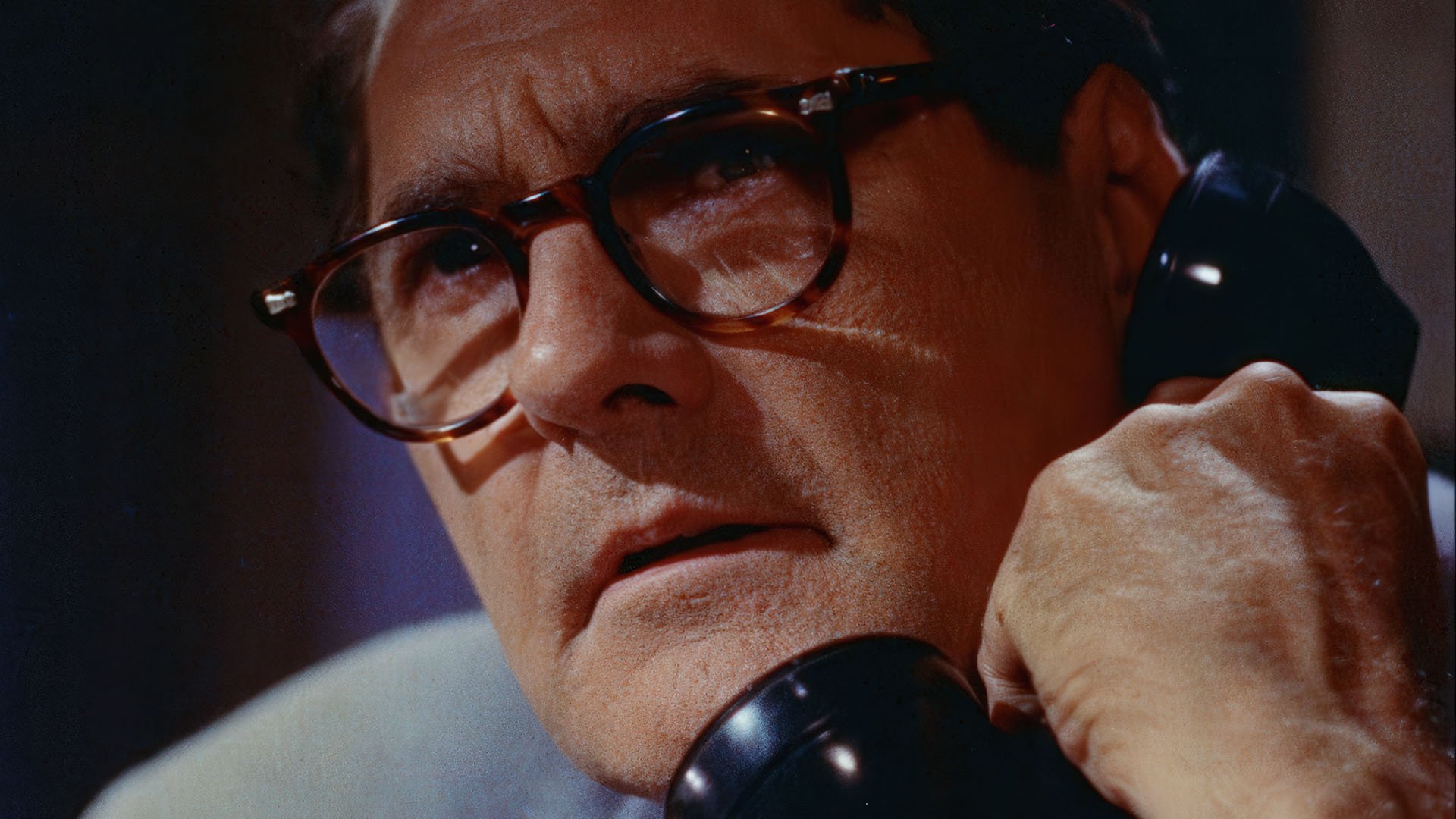
Authority wants order. Evidence arrives messy.
Everyone’s instincts are wrong until they’re forced to adapt.
This is why the movie ages better than a lot of its peers. It isn’t just “monster attacks town.” In The Blob, youth isn’t naïveté—it’s clarity. The Blob is unsettling proof that the world doesn’t need a reason to end you.
AFI’s catalog synopsis even frames it in that classic small-town setup—lovers’ lane, a “shooting star,” and the slow pivot from normal life to oh no. AFI Catalog
“The Blob isn’t a creature. It’s an escalation.”
Teenager. Allegedly.
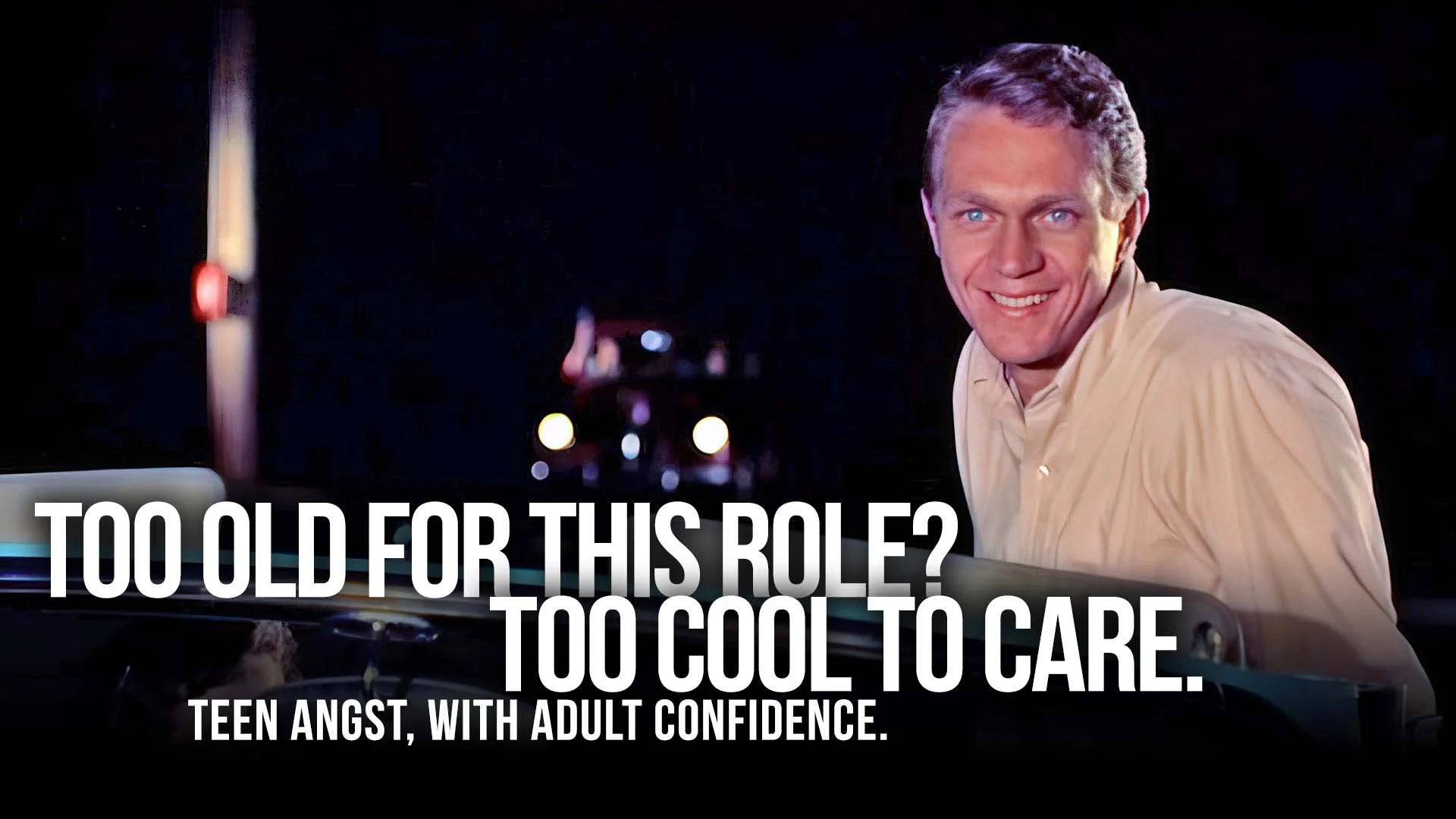
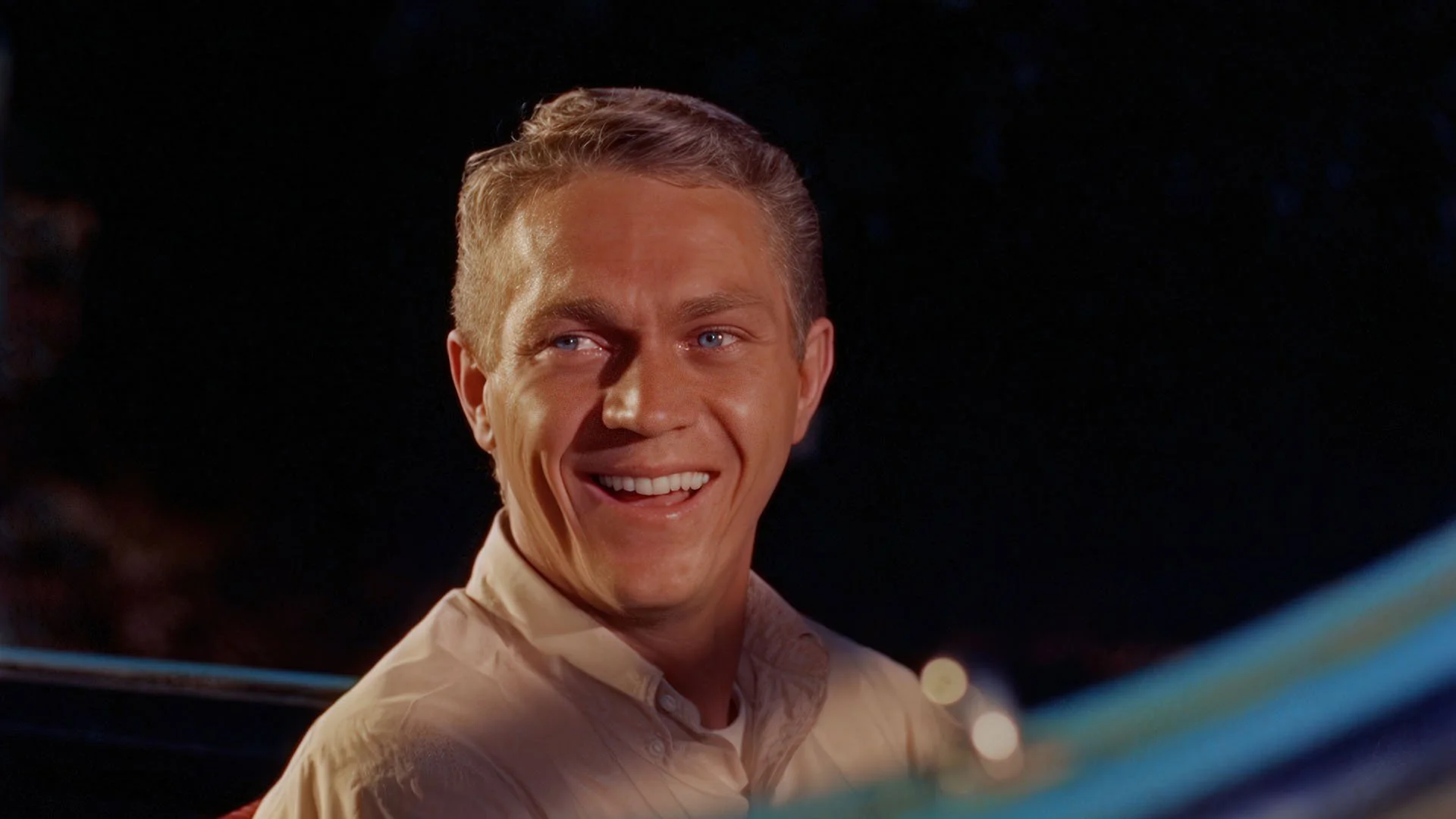
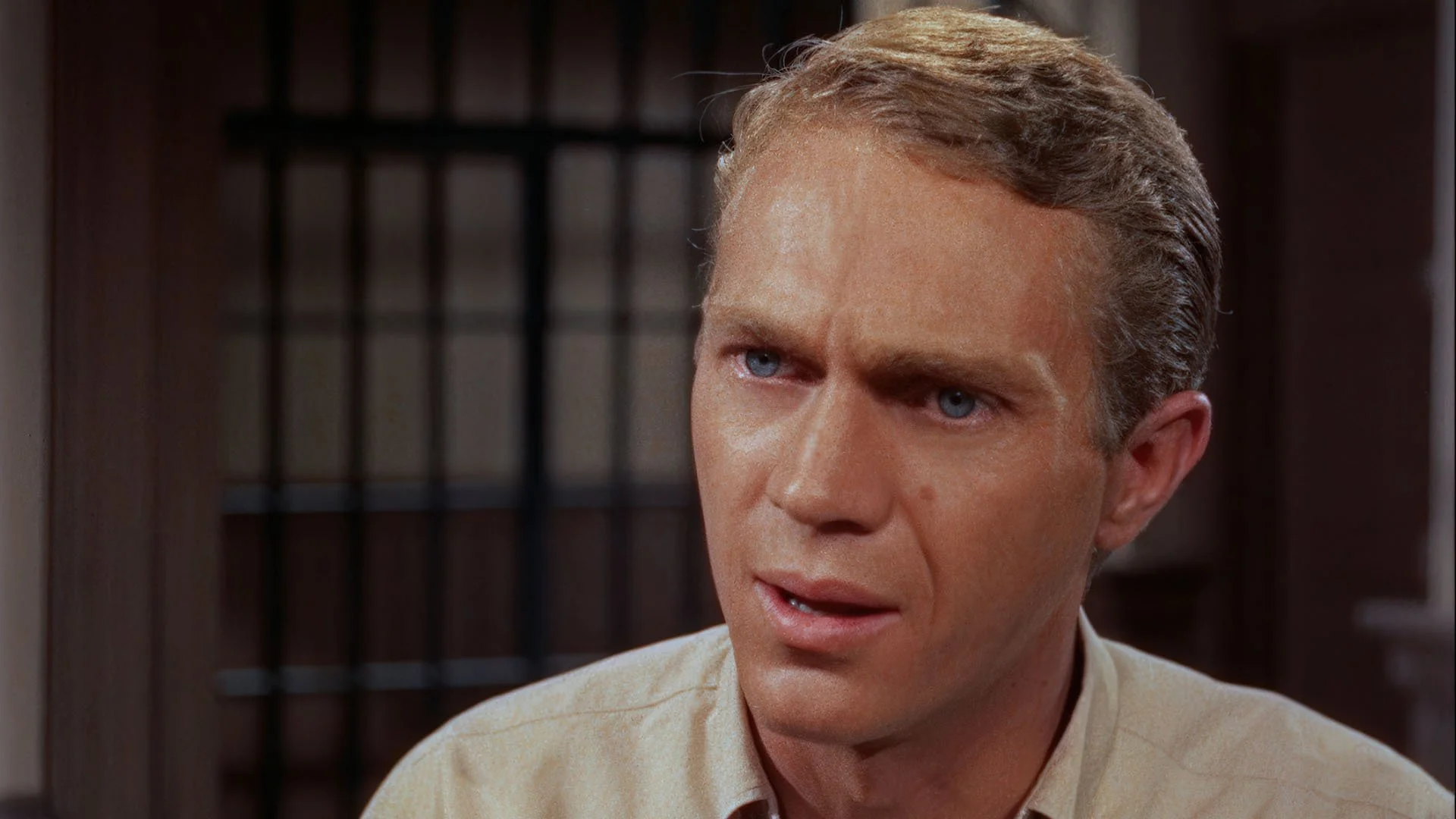
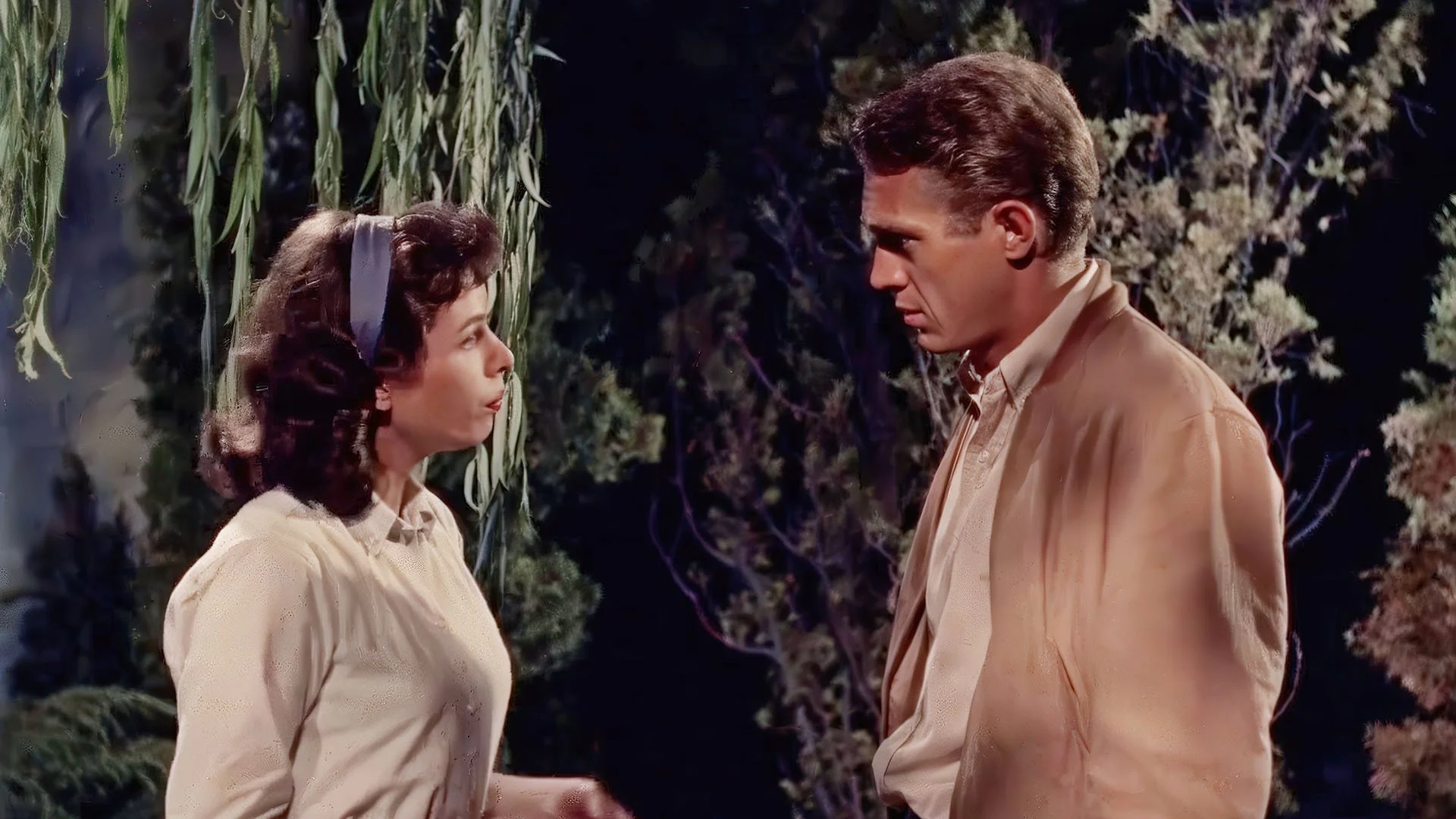
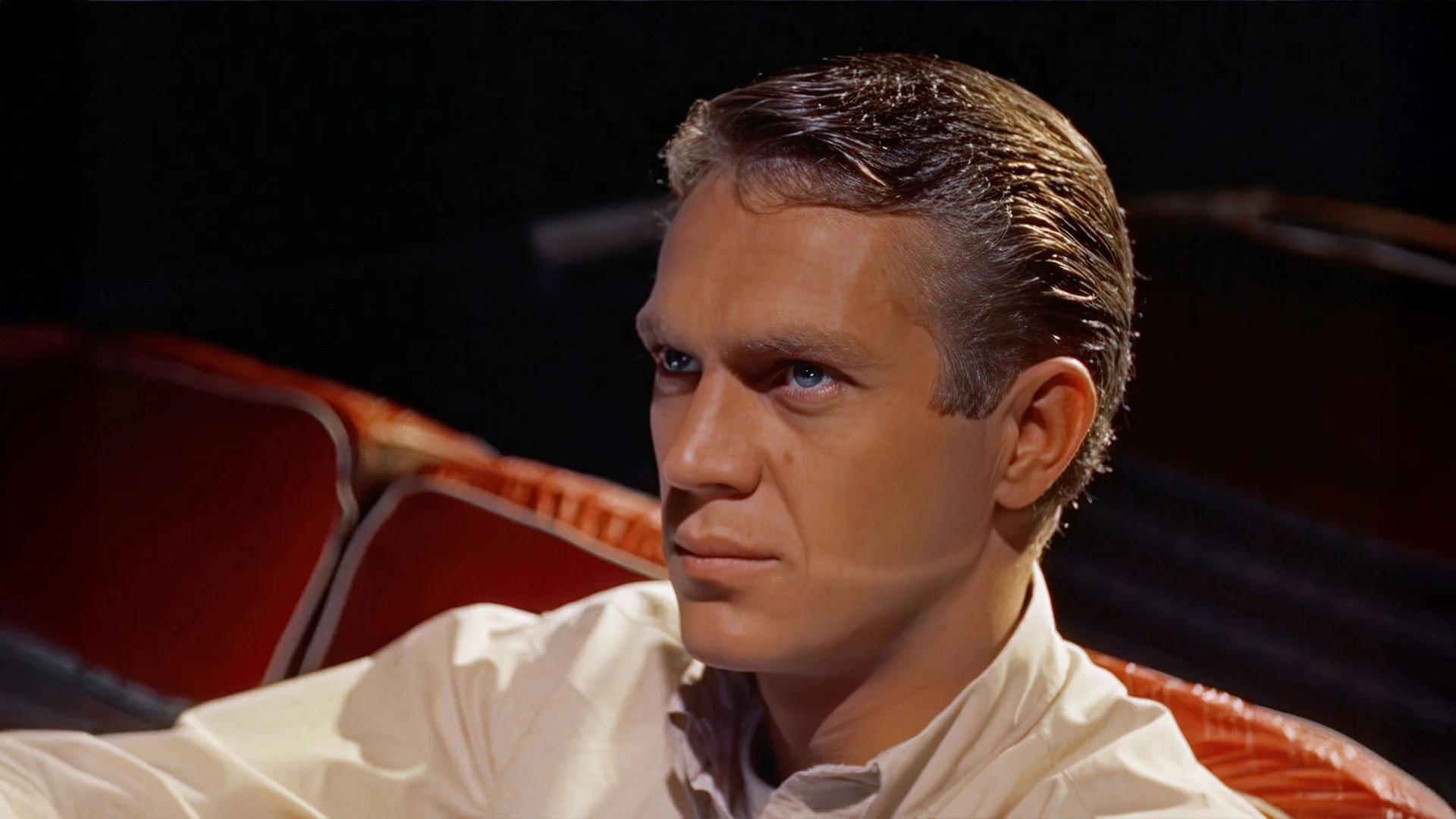
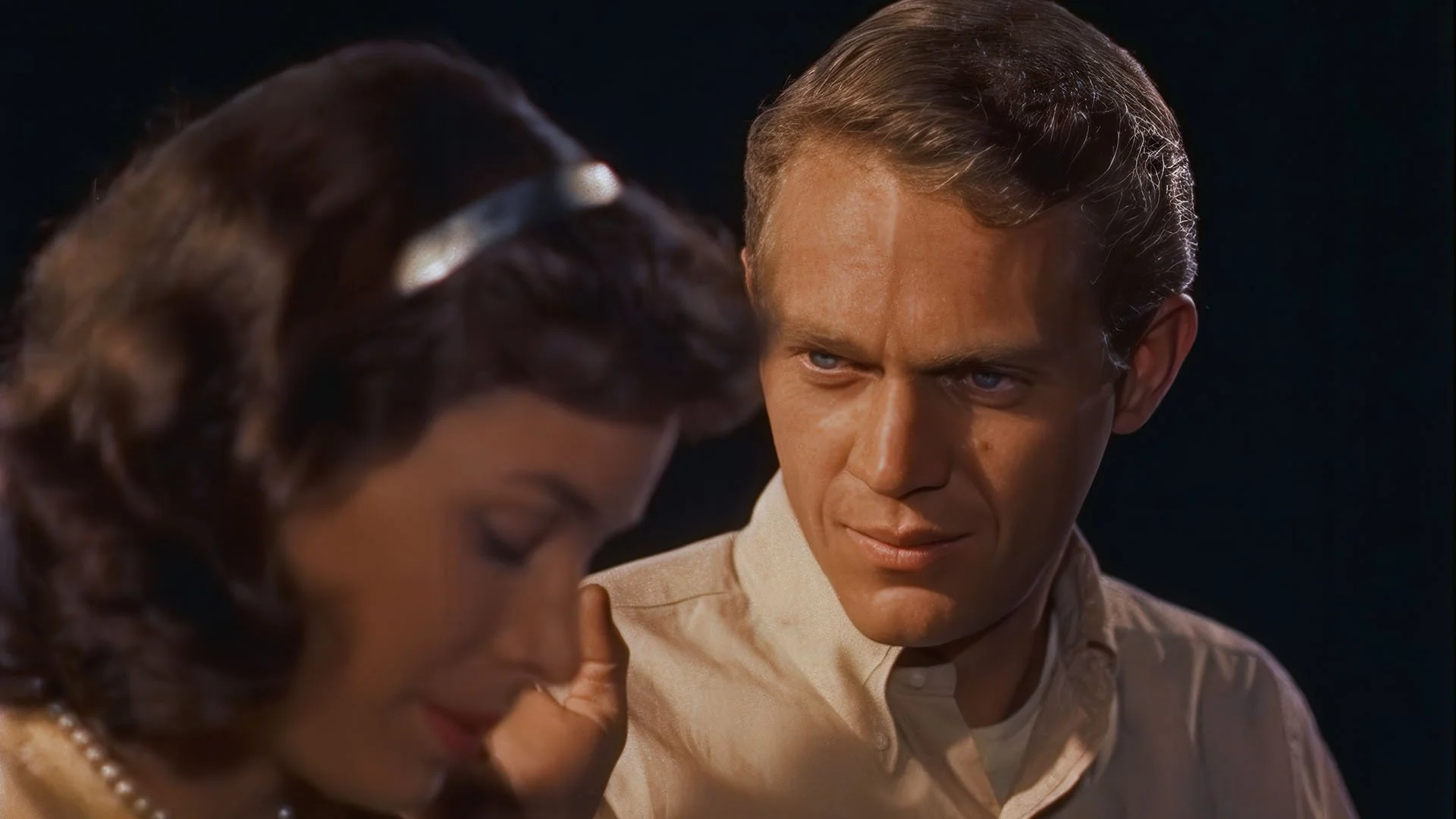
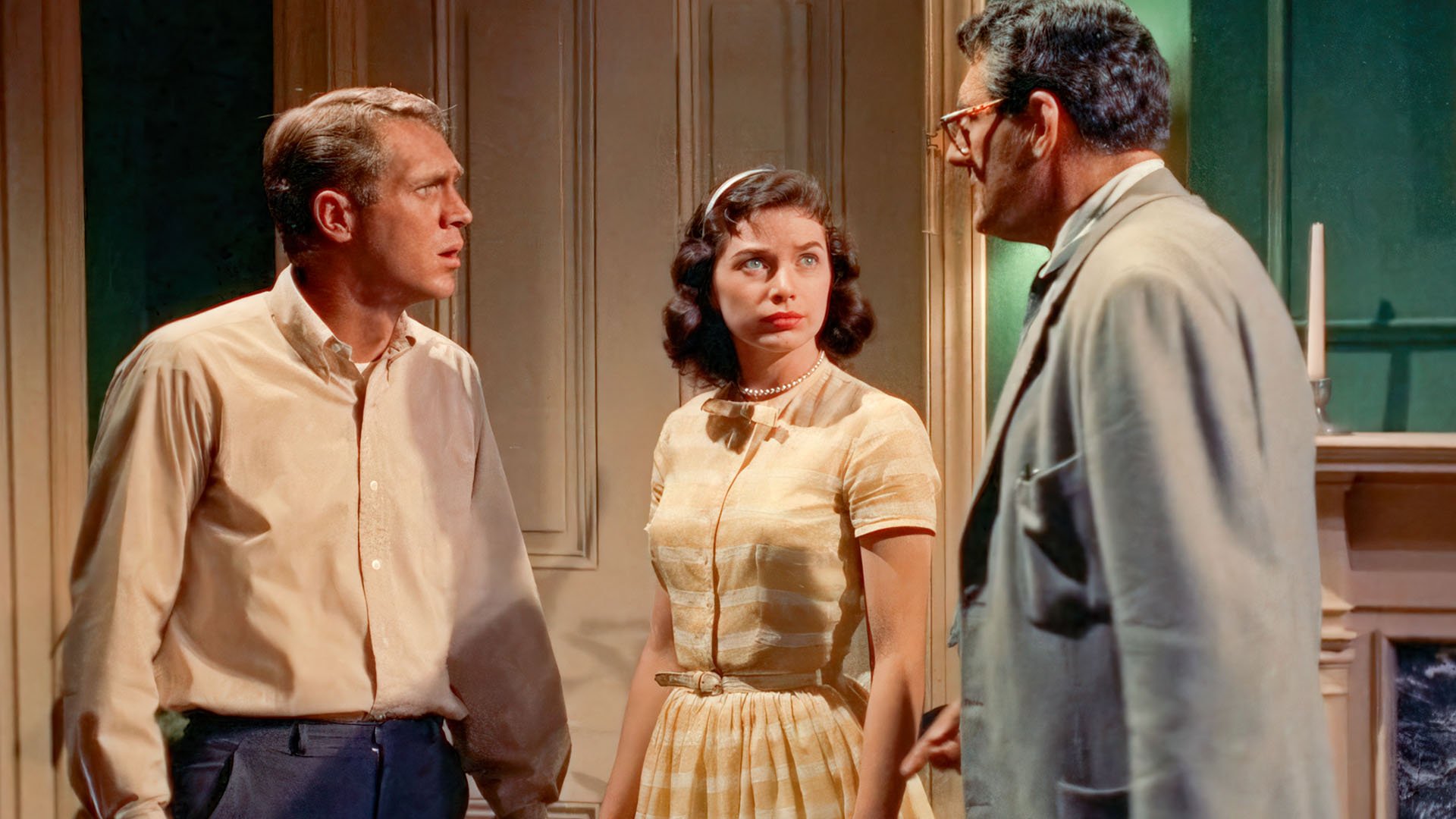
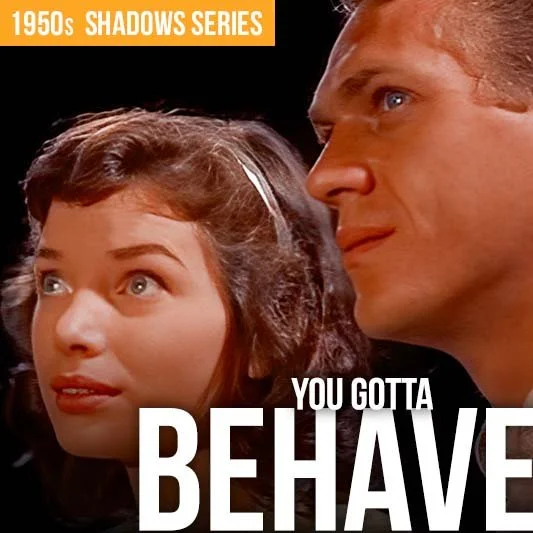
At the center of The Blob is Steve McQueen, playing a teenager despite being 27 years old and looking like someone who has already argued with a landlord. The age gap is obvious, but it weirdly works. McQueen doesn’t play teenage innocence—he plays impatience. He already has the posture of a man who doesn’t trust authority, doesn’t wait for permission, and definitely doesn’t believe adults know what they’re doing. In retrospect, it feels less like miscasting and more like foreshadowing.
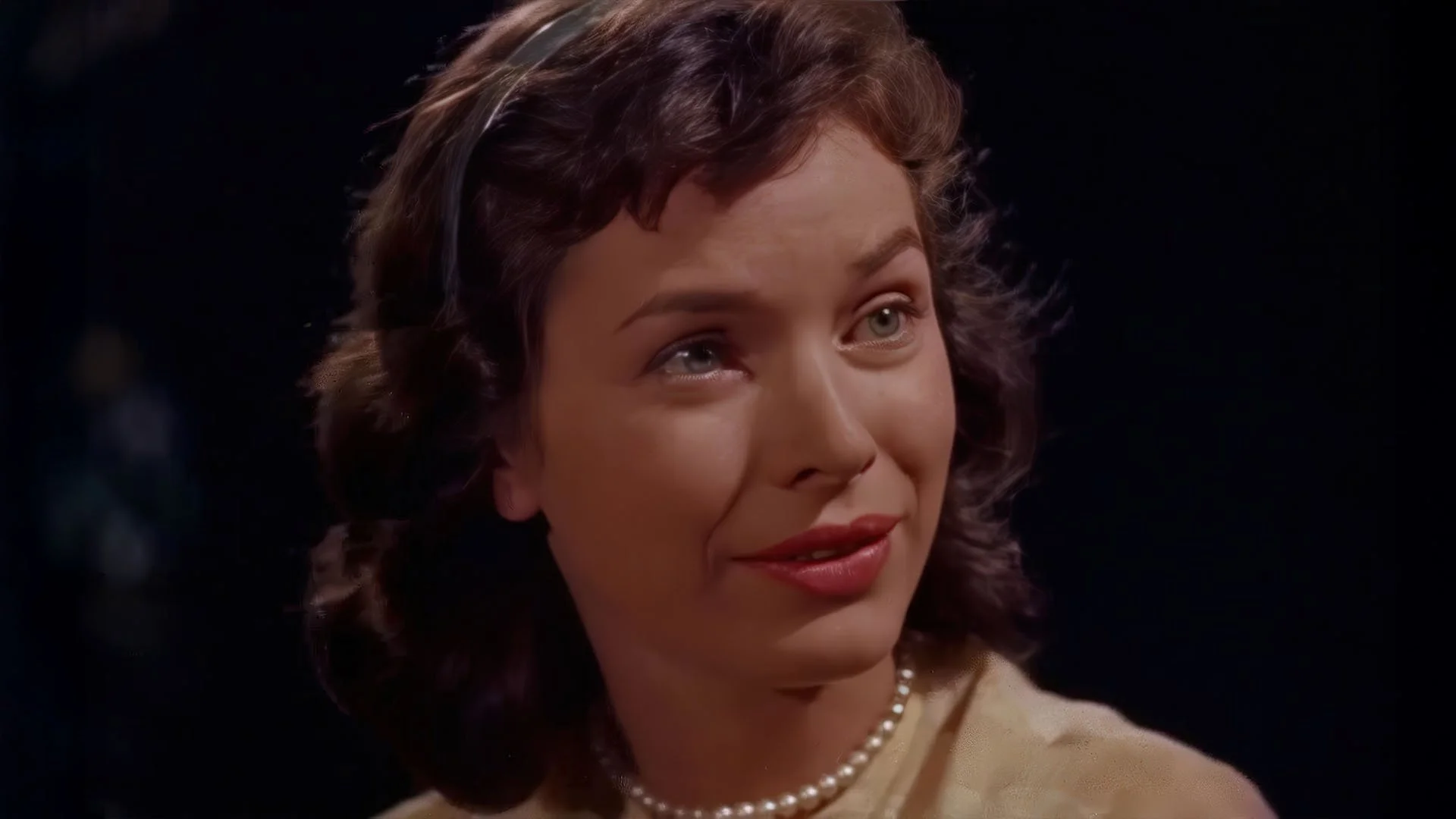
What makes this even better is how little the movie seemed to matter at the time. McQueen was paid almost nothing, took the role because he needed the work, and hadn’t yet become the cultural shorthand for cool we now project backward onto every frame. His co-star Aneta Corsaut brings a steadier presence, grounding the chaos while the adults around them argue procedure and reassurance. Together, they aren’t movie stars yet—they’re just two people who notice the obvious problem while everyone else insists things are under control. Which, as The Blob keeps proving, they absolutely are not.
The “true story” that might be… kind of a story
Here’s a nugget that’s more interesting than a typical trivia list: there’s a recurring claim that The Blob was inspired by a 1950 incident in Philadelphia, where police reportedly found a strange ooze on a telephone pole after something fell from the sky. Mental Floss summarizes the story (including the “it evaporated” detail) and notes that while the film wasn’t explicitly based on it, the local proximity makes it plausible the filmmakers would’ve heard about it. mentalfloss.com
Important distinction: this lives in the realm of influence and folklore, not courtroom-proof history. But that’s kind of perfect for The Blob, a movie that thrives on the fear that something impossible can show up in an ordinary place and force everyone to react.
Blobfest proves this movie isn’t just “cult”—it’s communal
A lot of “cult classics” mean: people quote them online once a year. The Blob has something better: a tradition with legs.
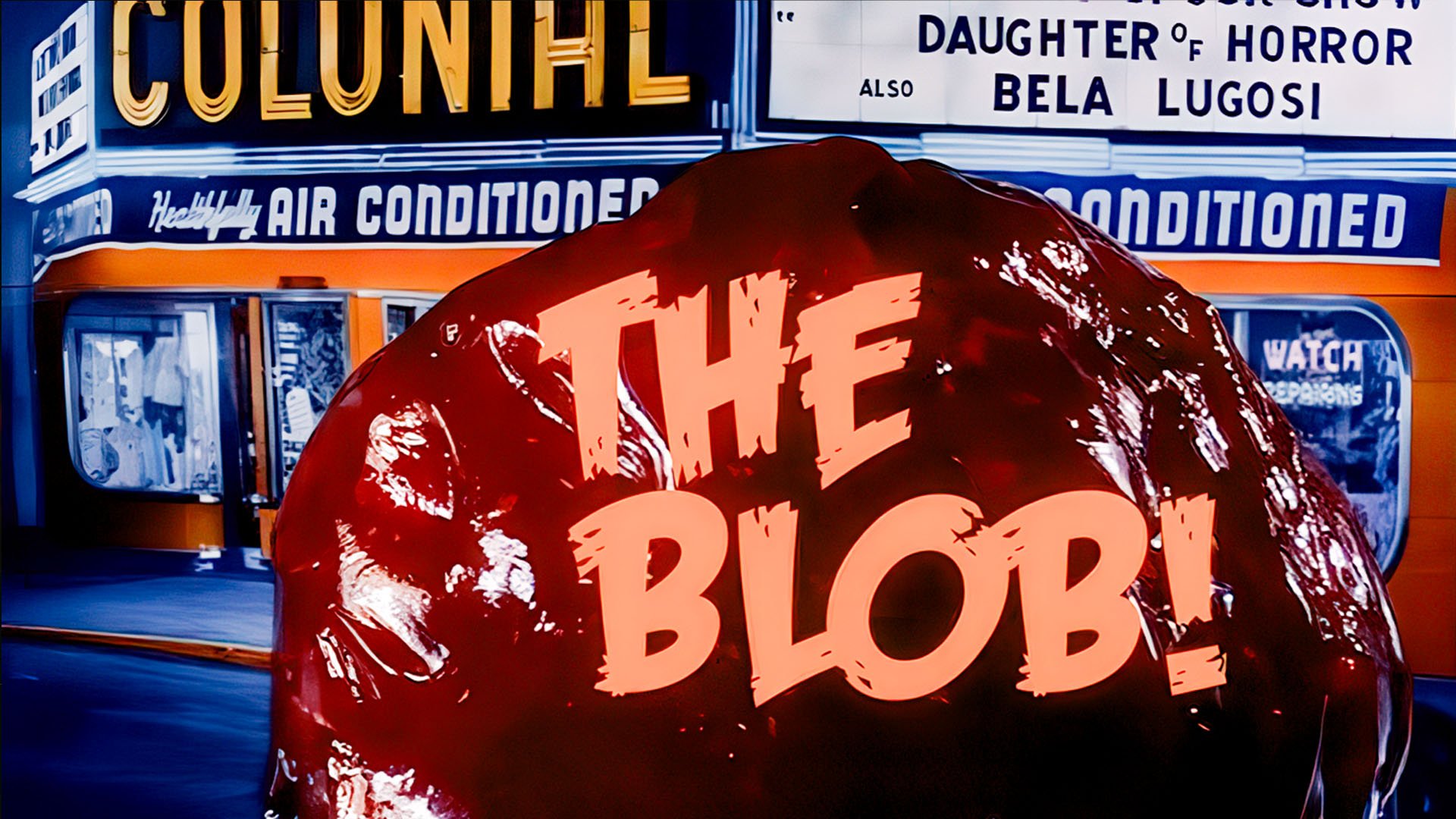
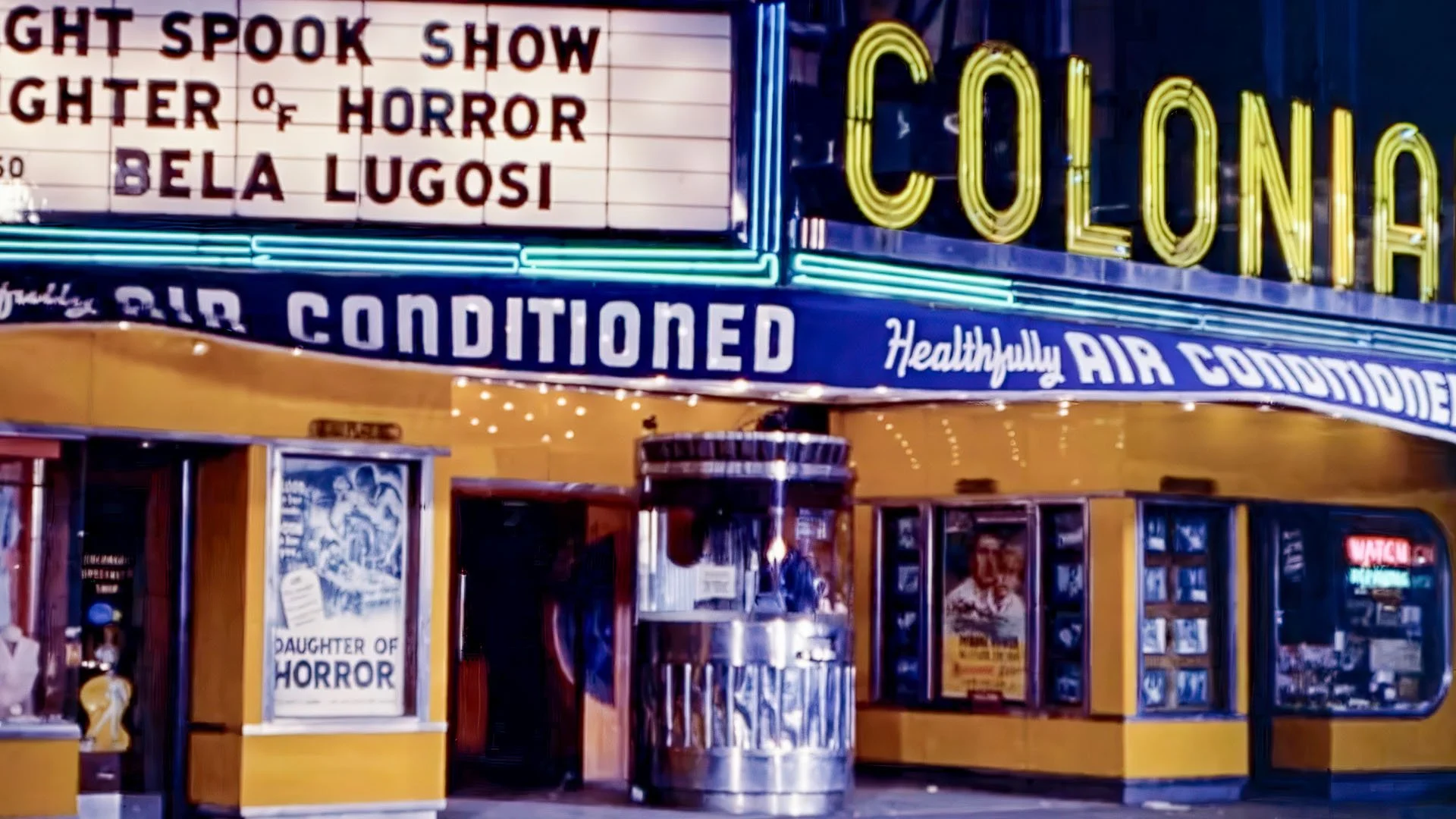
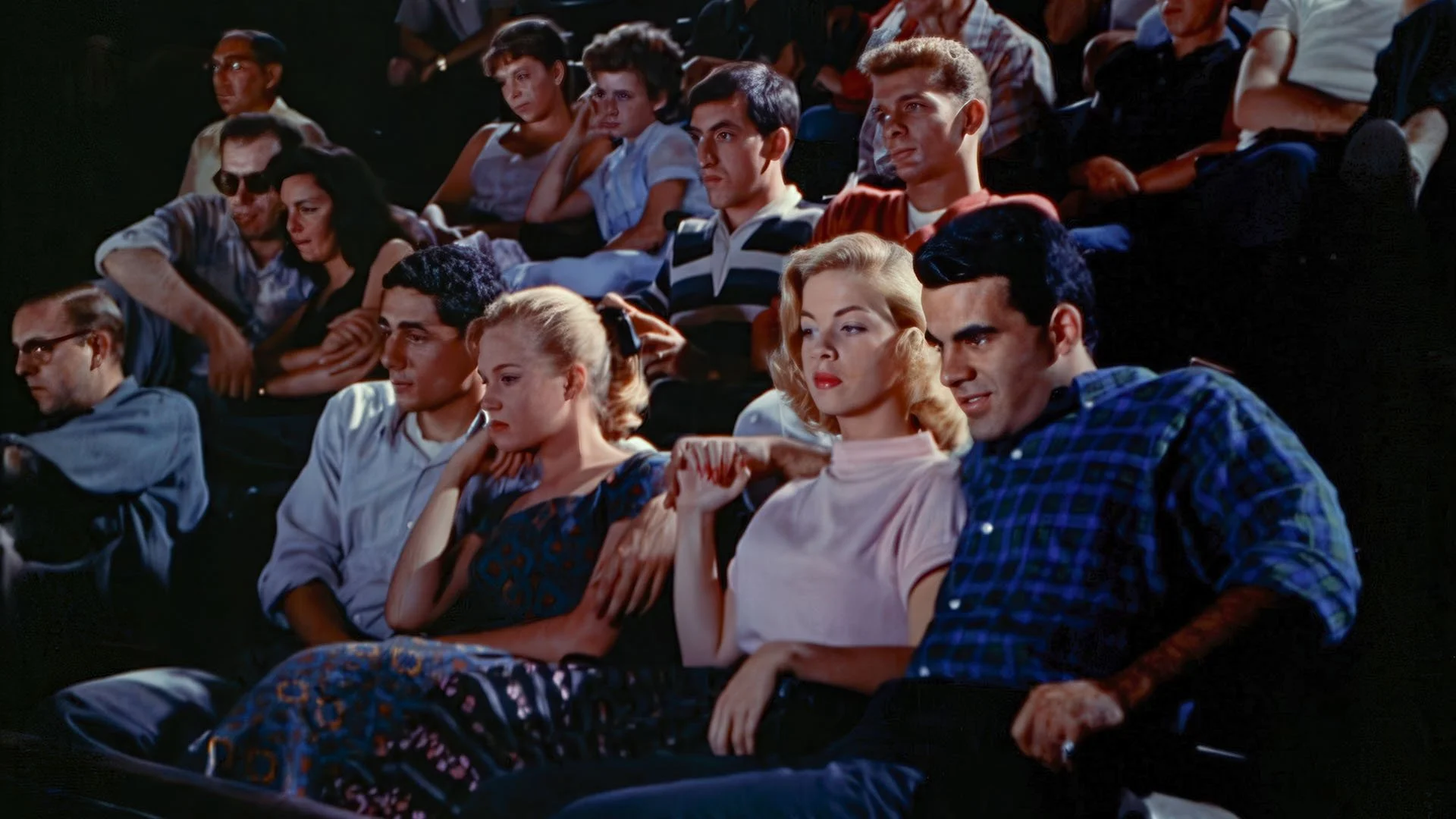
Phoenixville’s Colonial Theatre—where the famous “run out of the theater” scene was filmed—hosts Blobfest, and the signature ritual is exactly what you hope it is: audiences re-create the stampede after the screening.
Two details I love (because they explain why the fandom is still alive, not just loud):
The first “run out” in 2000 wasn’t some perfectly branded stunt—it was spontaneous. People just did it, and the theatre realized they’d stumbled onto something real.
Blobfest is still going strong (their site has dates posted for July 10–12, 2026). thecolonialtheatre.com
That’s the best kind of fandom: not merch-first, not algorithm-first—ritual-first.


The theme song is a tonal prank from history
If you only know The Blob as a monster movie, the cheerful title song feels like someone spiked your soda.
And then you learn it was written by Burt Bacharach (with Mack David), which feels like finding out your local haunted house was designed by the guy who does luxury hotel lobbies.
That mismatch—bouncy novelty tune + creeping nightmare—actually helps the movie. It frames the Blob as something that arrives in a world that still thinks life is basically safe. The music is the town’s denial, set to a beat.
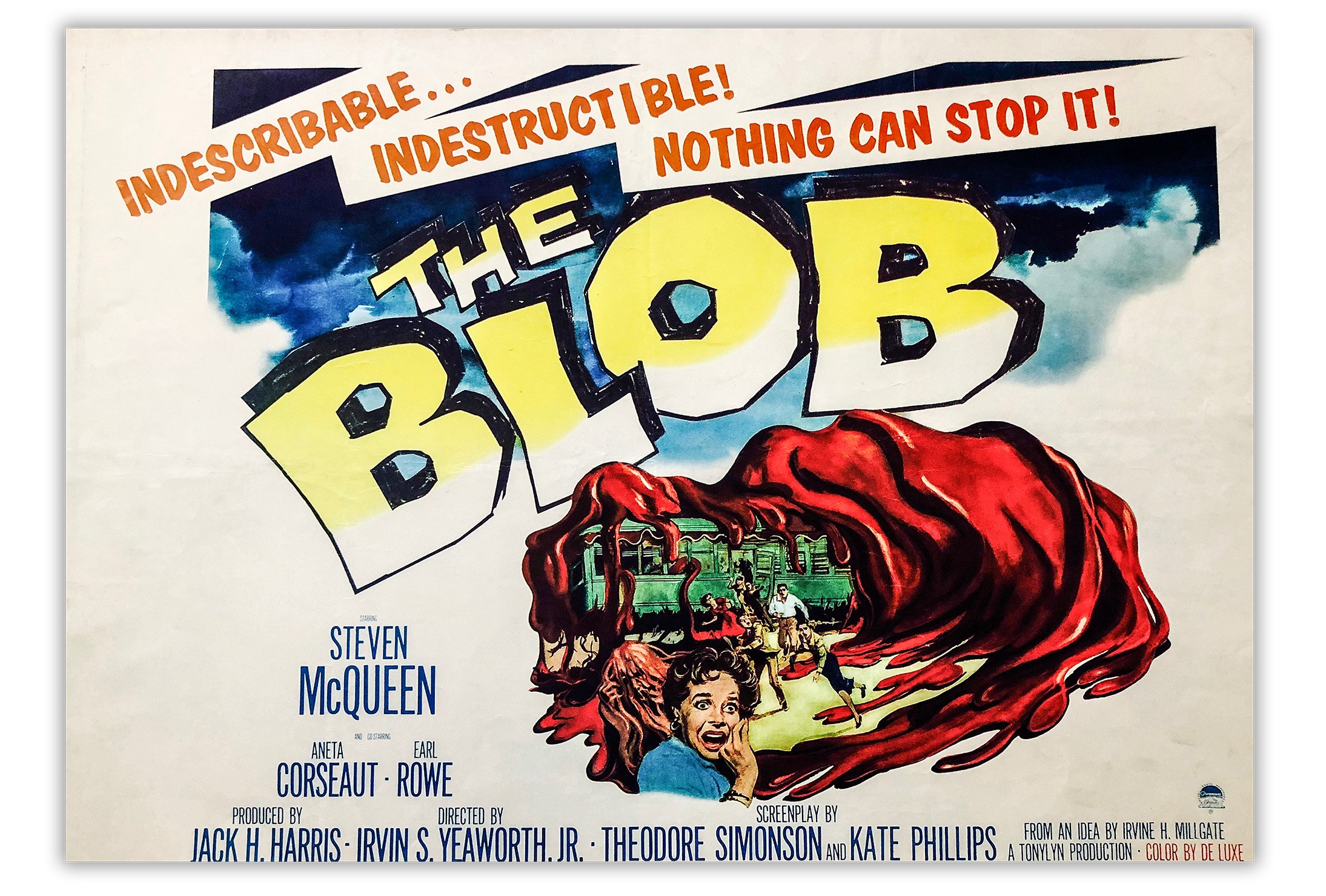
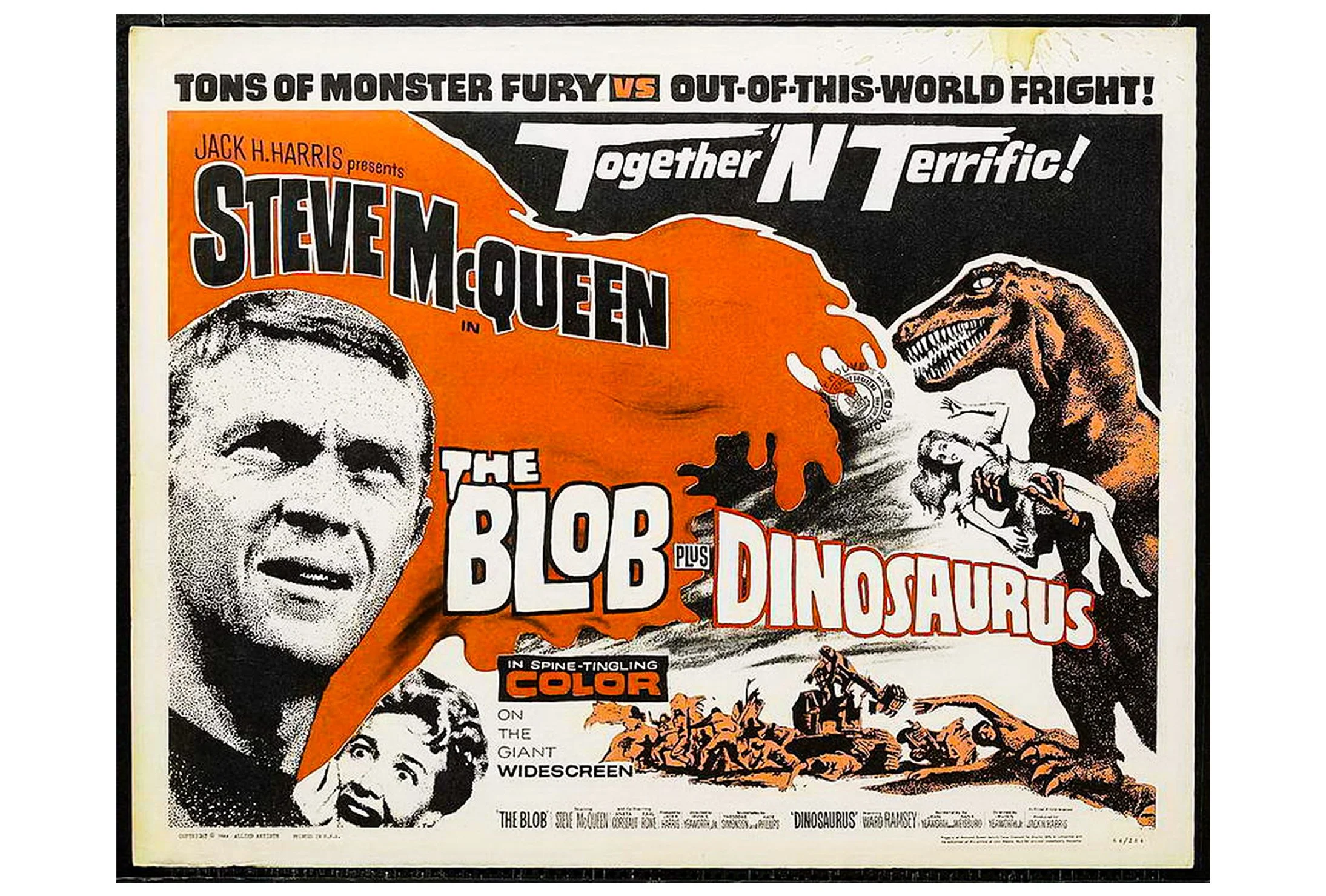
The smartest thing The Blob ever did was refuse to be interesting in a human way. No tragic backstory. No villain speech. Just appetite and growth.
The movie still plays like a warning: sometimes the threat isn’t evil. It’s simply unchecked. And once it’s big enough, your arguments about whether it’s “real” stop being relevant.
The Blob FAQ:
-
The Blob follows a small town confronted by a mysterious, amorphous organism that crashes to Earth and grows larger as it consumes people. Unlike most monsters of the era, the Blob has no face, no voice, and no motive—it simply expands. The story focuses less on the creature itself and more on how long it takes for adults and authorities to believe the threat is real.
-
The film stands out because it strips the monster of personality. Instead of a villain you can reason with, the Blob represents escalation itself—once it starts growing, there’s no easy fix. That simplicity, combined with strong pacing and a relatable small-town setting, has helped the movie age better than many 1950s creature features.
-
Not officially—but there is a persistent real-world anecdote connected to it. In 1950, Philadelphia police reportedly investigated a strange, gelatinous substance found after something fell from the sky. While the film isn’t a direct adaptation, the story circulated widely at the time and may have influenced the idea. It sits firmly in the realm of Cold War folklore rather than documented science.
-
The Blob is often interpreted as a metaphor for uncontrollable forces—nuclear anxiety, invasive threats, or systems that grow faster than society can respond to them. What makes it effective is that the movie never commits to a single meaning. The Blob works because it feels impersonal, not evil.
-
That was a deliberate strength, not a limitation. Giving the Blob eyes or intelligence would have made it familiar. By keeping it featureless, the film turns it into a problem rather than a character—something that can’t be reasoned with, only contained or delayed.
-
The townspeople discover that the Blob is vulnerable to extreme cold and use fire extinguishers to freeze it. Rather than being destroyed, it’s airlifted to the Arctic—an ending that implies the threat is only paused, not eliminated.
-
The final title card (“As long as the Arctic stays cold…”) suggests that the solution is temporary. It leaves the audience with the uneasy idea that human control over the situation is conditional—and fragile.
-
Blobfest is an annual festival held in Phoenixville, Pennsylvania, at the Colonial Theatre where the famous “run out of the theater” scene was filmed. Fans recreate the moment by sprinting out of the theater during screenings. It’s one of the best examples of a classic sci-fi film evolving into a living, participatory tradition.
-
Because it’s simple, communal, and endlessly rewatchable. The movie invites audiences to experience it together—whether through theater screenings, Blobfest, or shared cultural memory. It doesn’t demand irony or nostalgia to work; it just delivers tension and momentum.
-
Yes—especially for viewers interested in how early sci-fi handled fear, disbelief, and escalation. While the effects are unmistakably 1950s, the underlying idea feels surprisingly current: a problem grows while people argue about whether it exists.
-
Yes. The most notable is the 1988 remake, which reimagines the Blob with more graphic effects and a darker tone. While very different, it reinforces how adaptable the core idea is across generations.
-
The Blob follows two teenagers (played by Steve McQueen and Aneta Corsaut) who witness a glowing meteorite crash. A red, gelatinous alien mass emerges, consuming everything in its path. As adults dismiss their warnings, the creature grows larger and more dangerous, forcing the town to confront its spreading threat. IMDb
-
Yes. Because The Blob has a lasting cult following, you can find themed merchandise and collectibles — such as posters, prints, Blu-rays/DVDs, apparel, and specialty items — through classic movie merch sellers, online marketplaces (e.g., Amazon, eBay), and fan-created shops tied to Blobfest and cult film communities. (Look for The Blob memorabilia under 1958 film collectibles.)
Viewing and Streaming Options
-
The Blob (1958) is available on multiple streaming platforms. You can currently watch it on services like HBO Max/Max, Criterion Channel, Shout! Factory TV (free with ads), and Free Movies Plus. Availability may vary by region and over time, so check your local service listings. JustWatch
-
You can buy or rent a digital copy of The Blob on major digital storefronts such as Amazon Video, Apple TV, Fandango at Home, and similar services. These platforms usually offer download or “own forever” purchase options. JustWatch+1
-
The Blob sometimes appears on subscription streaming services such as Max (formerly HBO Max) and Criterion Channel as part of their classic movie catalogs. If it’s not currently included, these services often rotate older films in and out of their libraries. JustWatch
-
Reviews and critical consensus for The Blob are available on classic film sites such as Rotten Tomatoes, where both critics’ and audience reviews are aggregated. You can also find historical takes and film essays via IMDb and vintage film critique blogs. Rotten Tomatoes
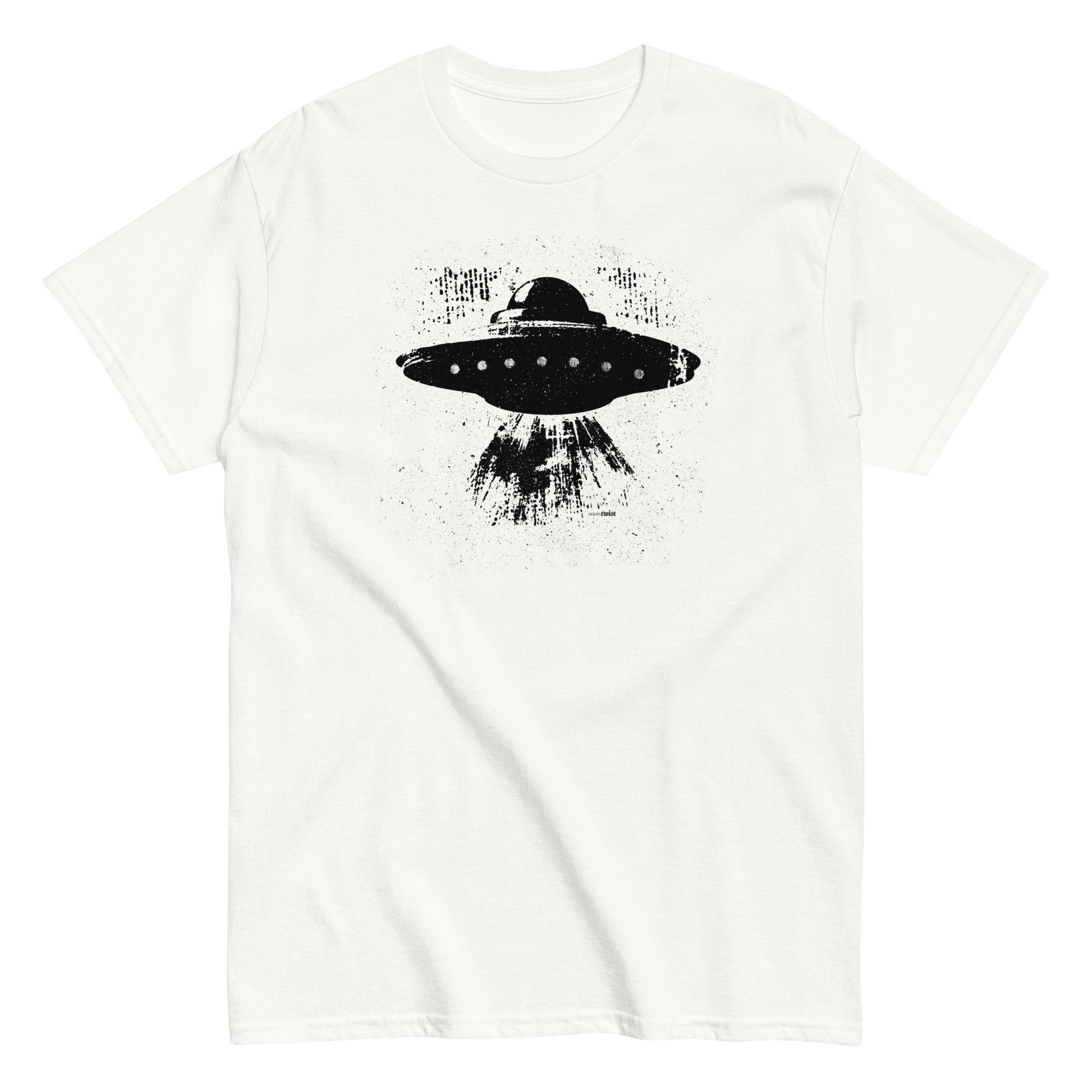
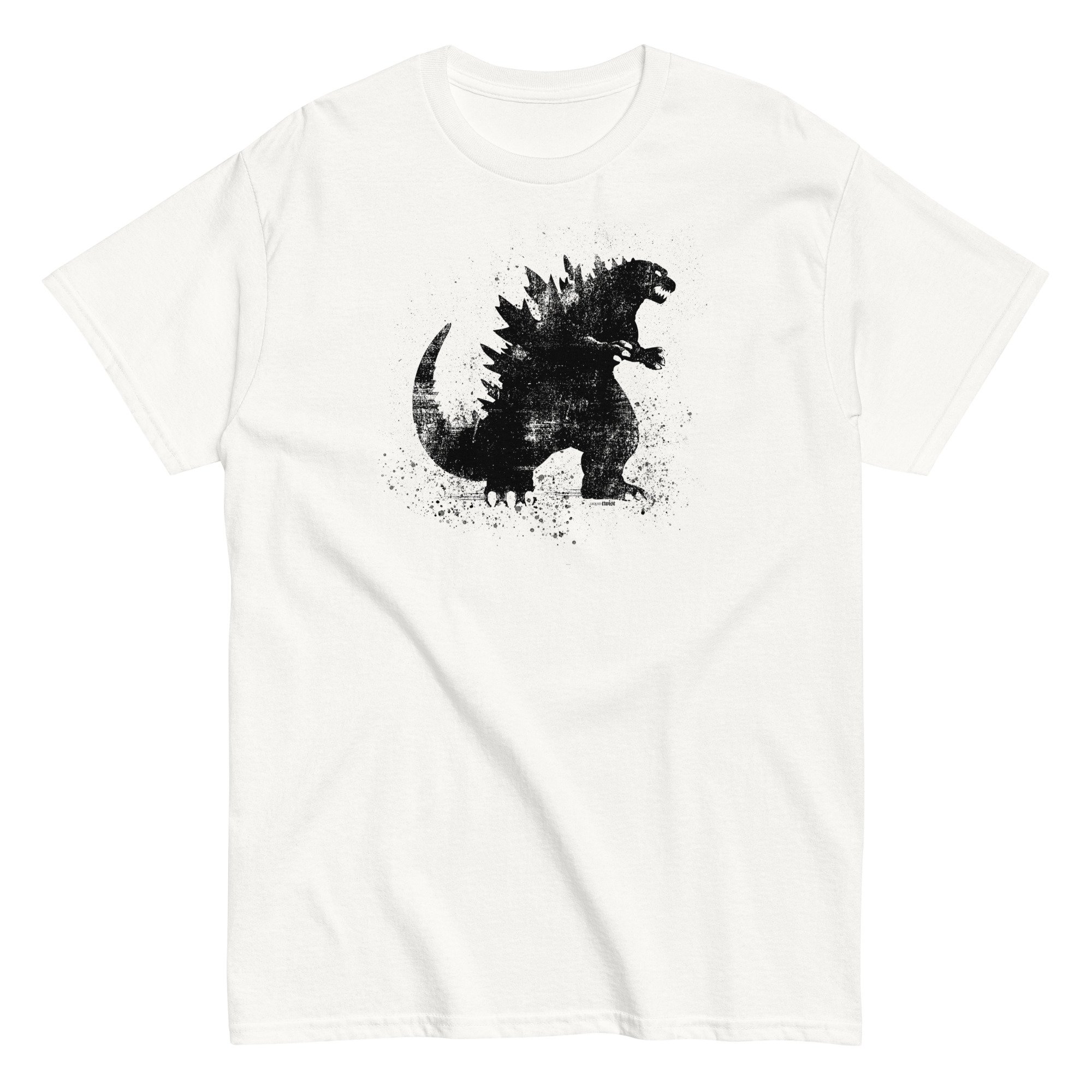
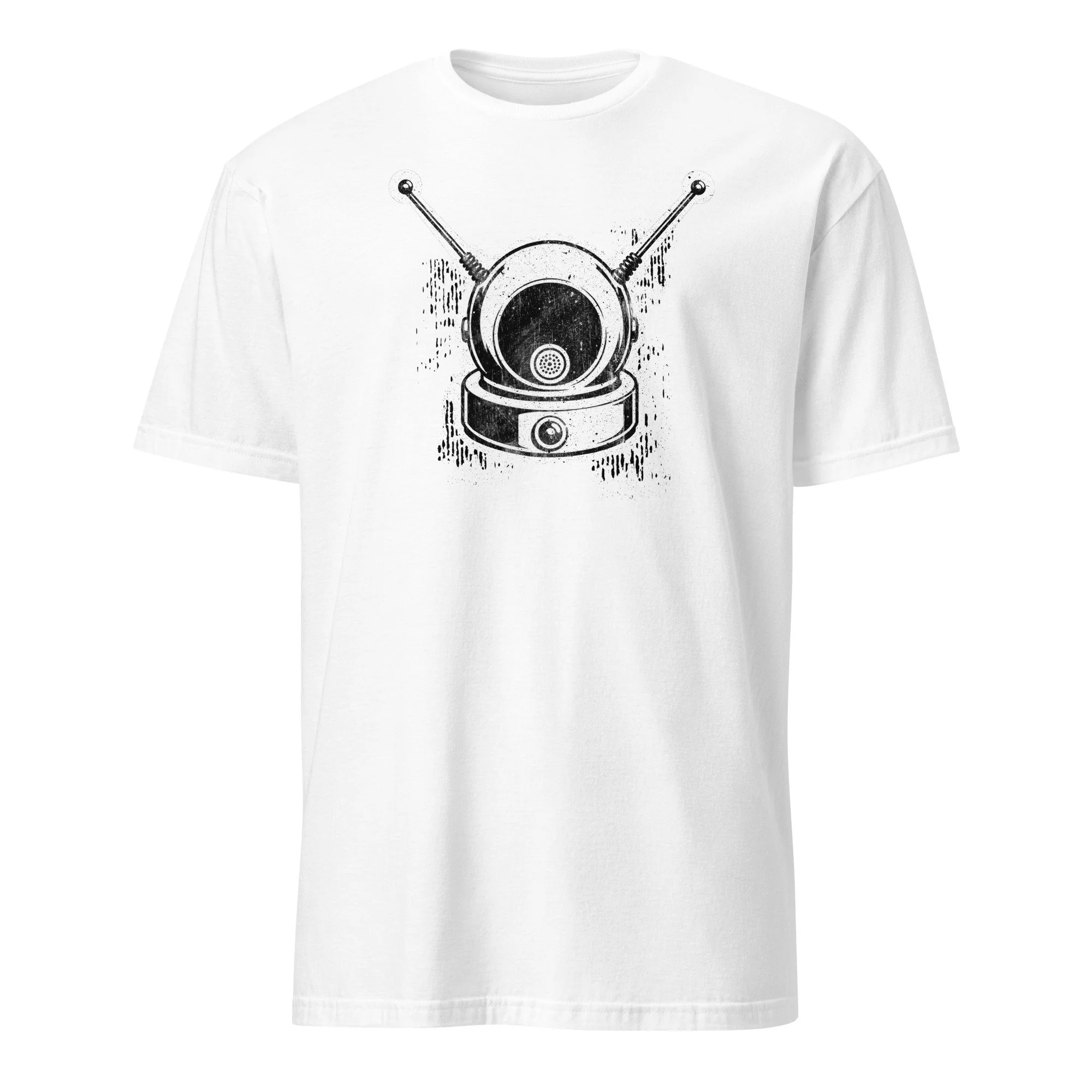
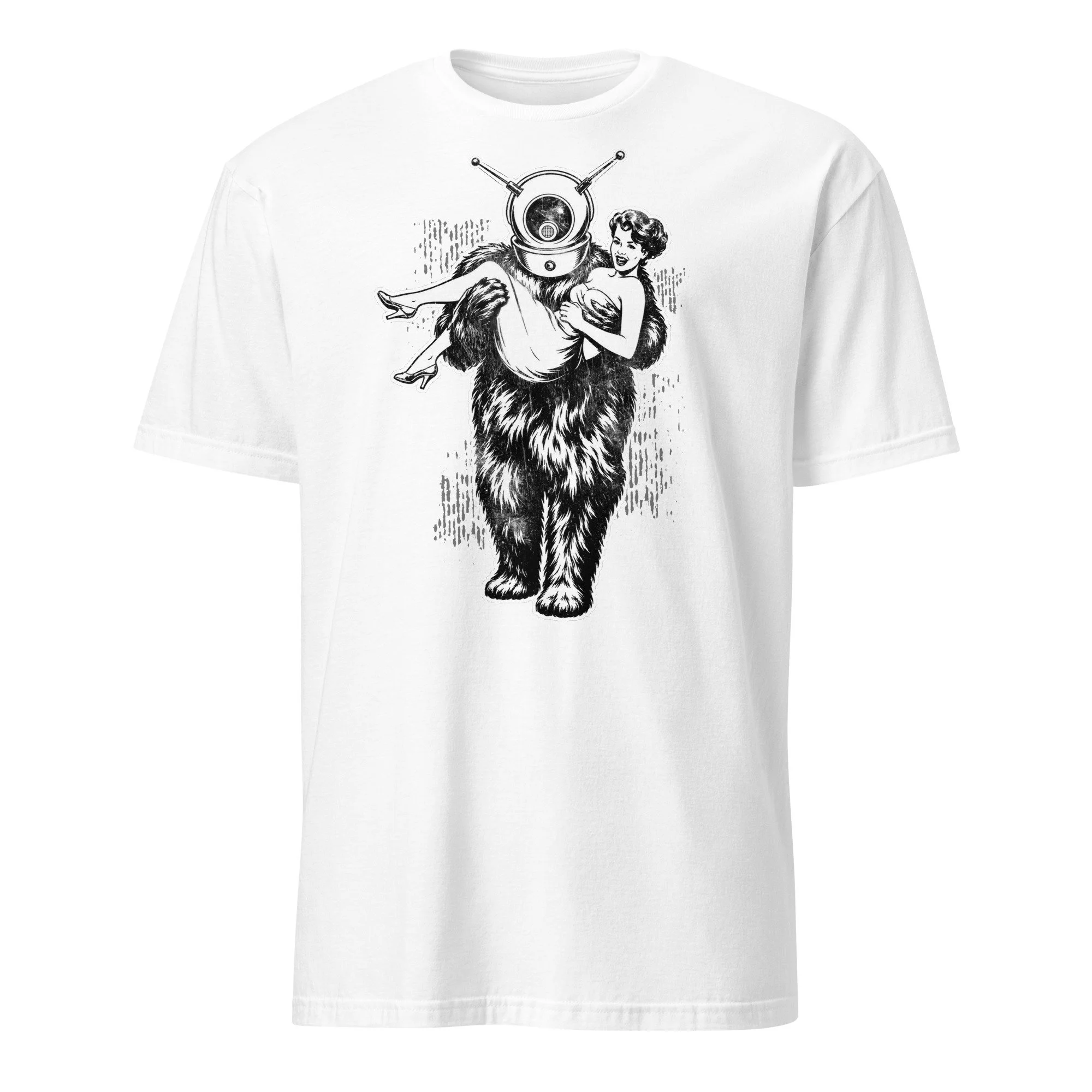
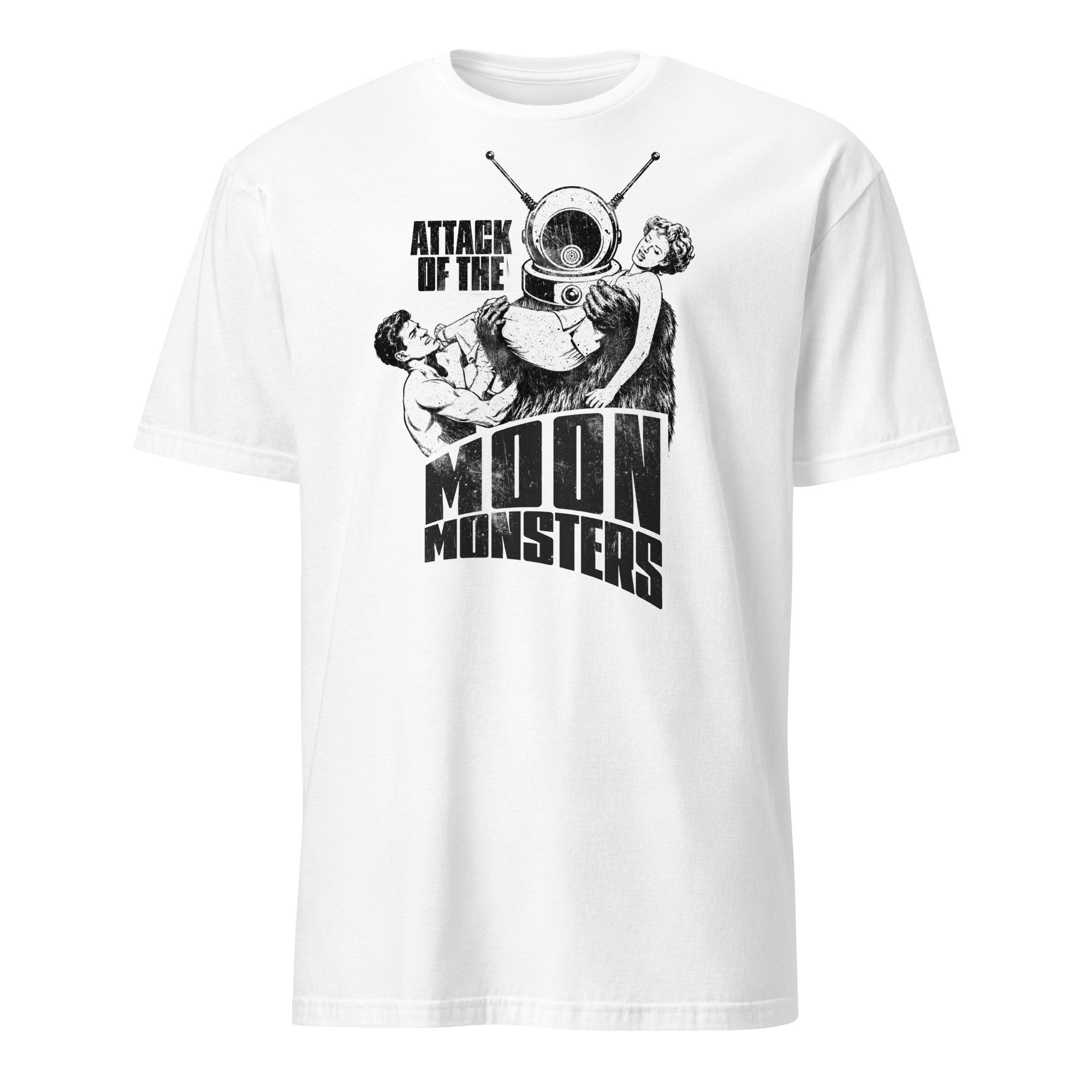
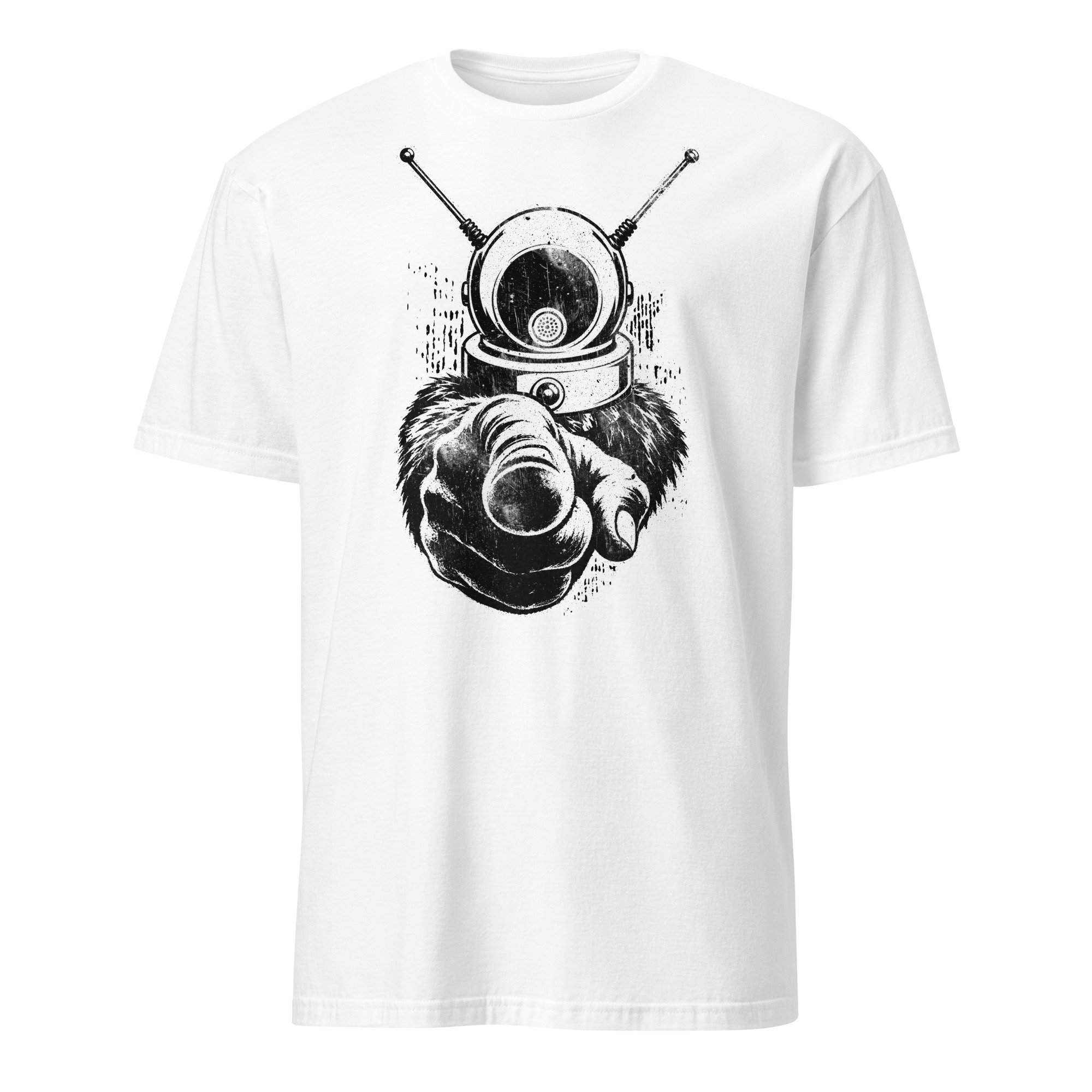
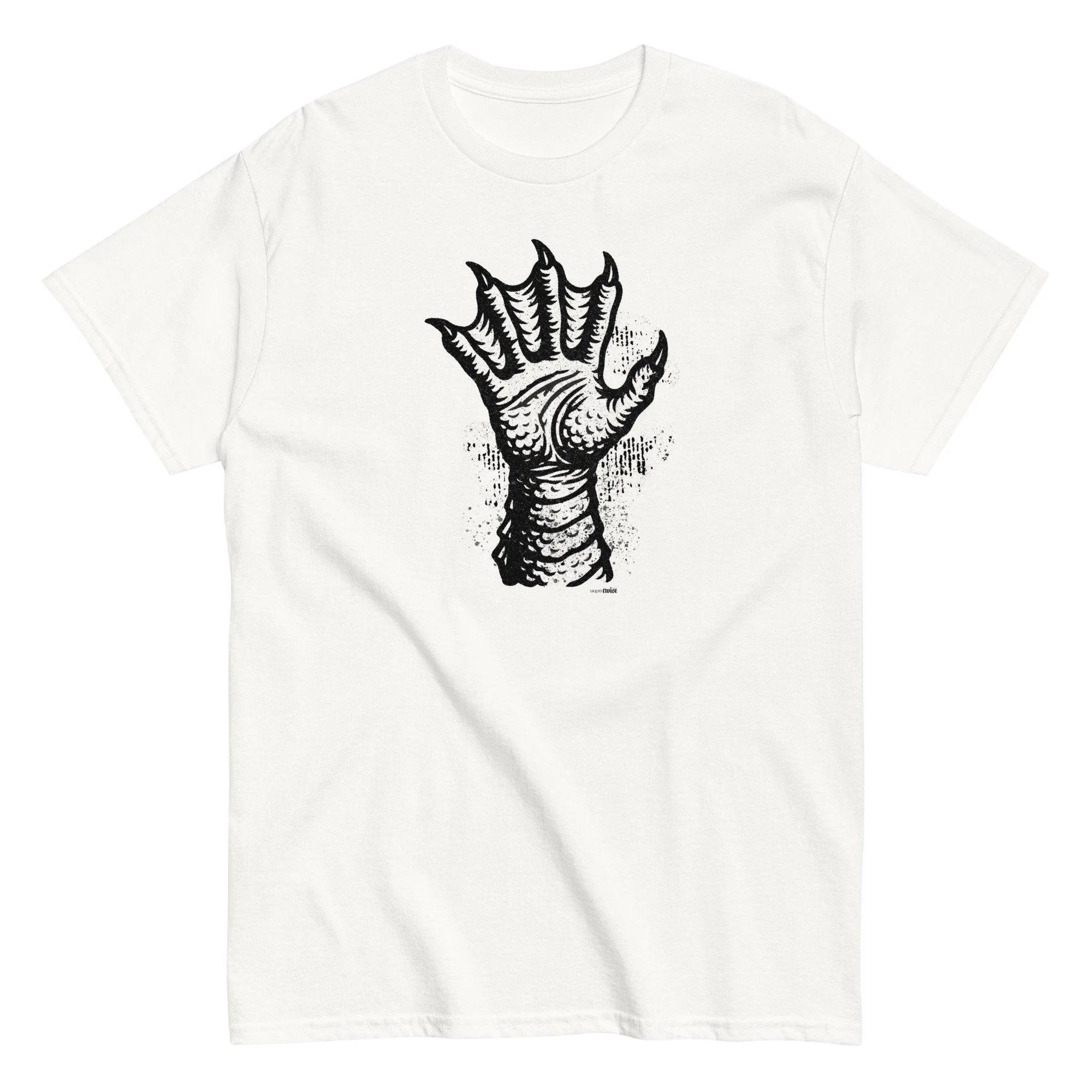
Ready, aim, relax. This 100% cotton men’s classic tee keeps its form and delivers comfort even under alien attack. Sharp enough for space duels, soft enough for Saturday marathons.
The Gildan 5000 is a Heavy Cotton™ T-shirt
• Fit: Men's Classic Crew Neck Tee
• 100% cotton, preshrunk to reduce shrinkage
• Taped neck and shoulders
• Seven-eighths-inch seamless collar
• Double seam at sleeves and bottom hem
• Tear-away Label
This product is made especially for you as soon as you place an order, which is why it takes us a bit longer to deliver it to you. Making products on demand instead of in bulk helps reduce overproduction, so thank you for making thoughtful purchasing decisions!