
War of the Worlds
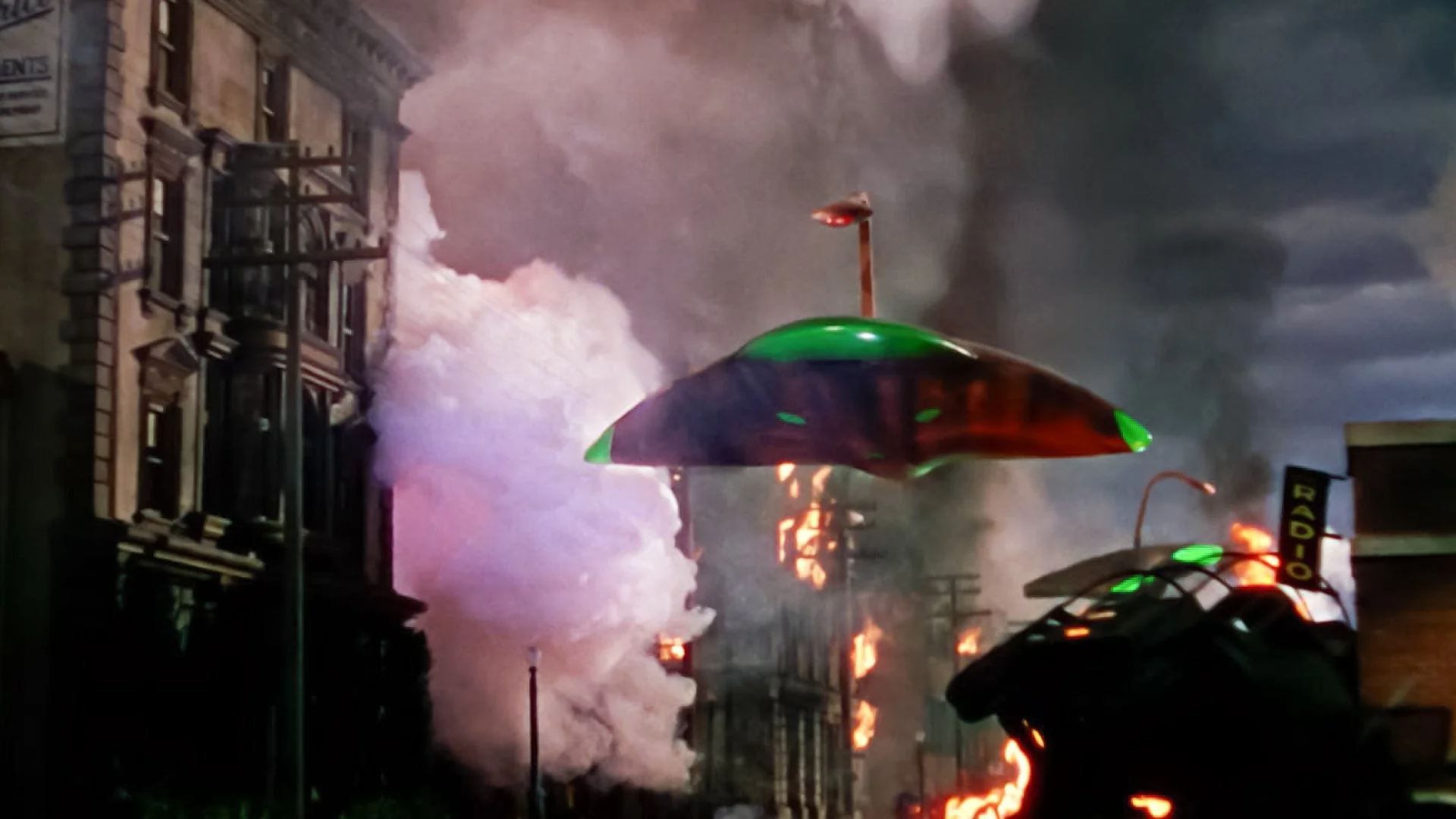
This sci-fi landmark didn’t just bring Martians to Earth—it nuked the idea that humans were safe on it.
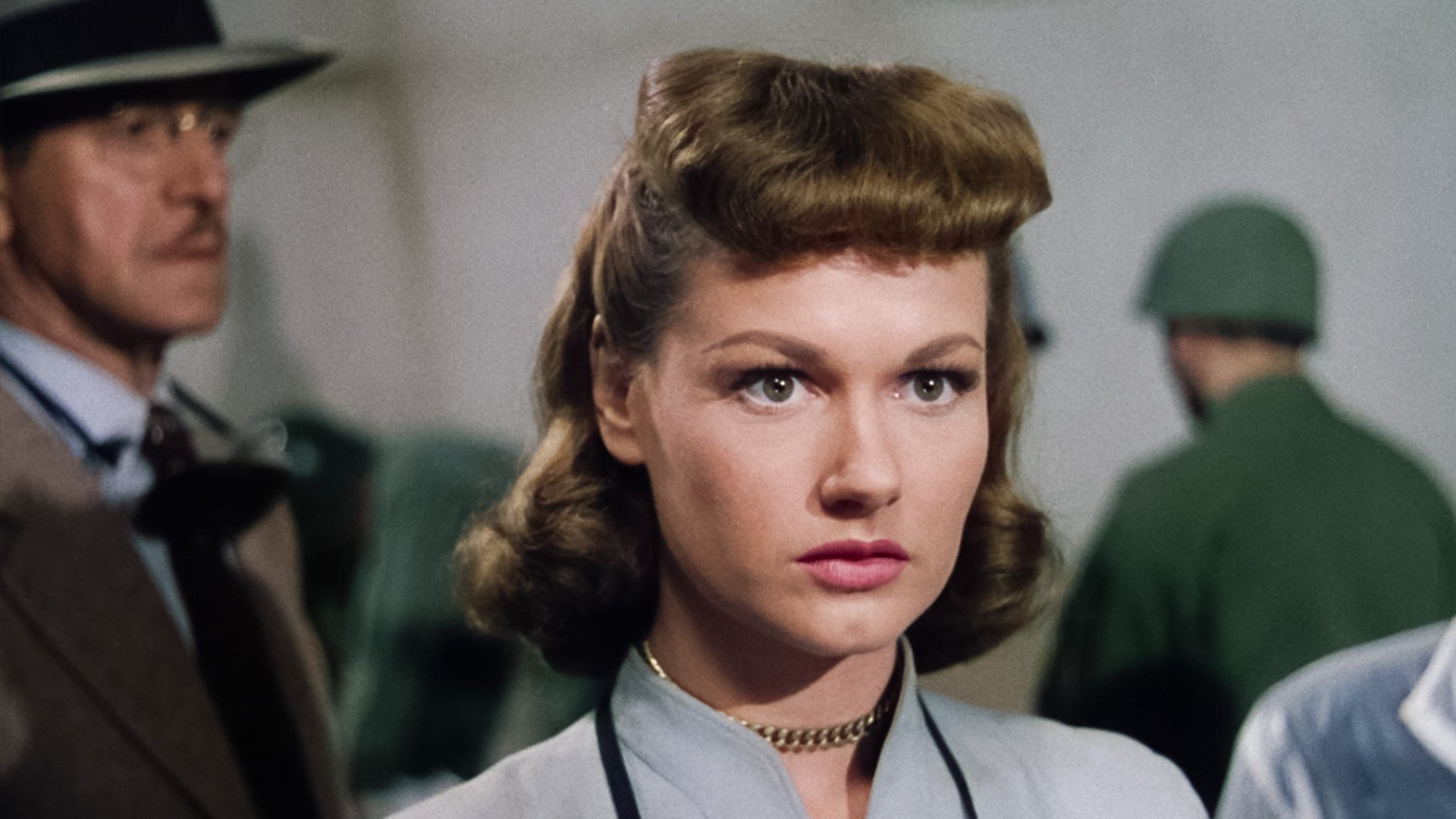
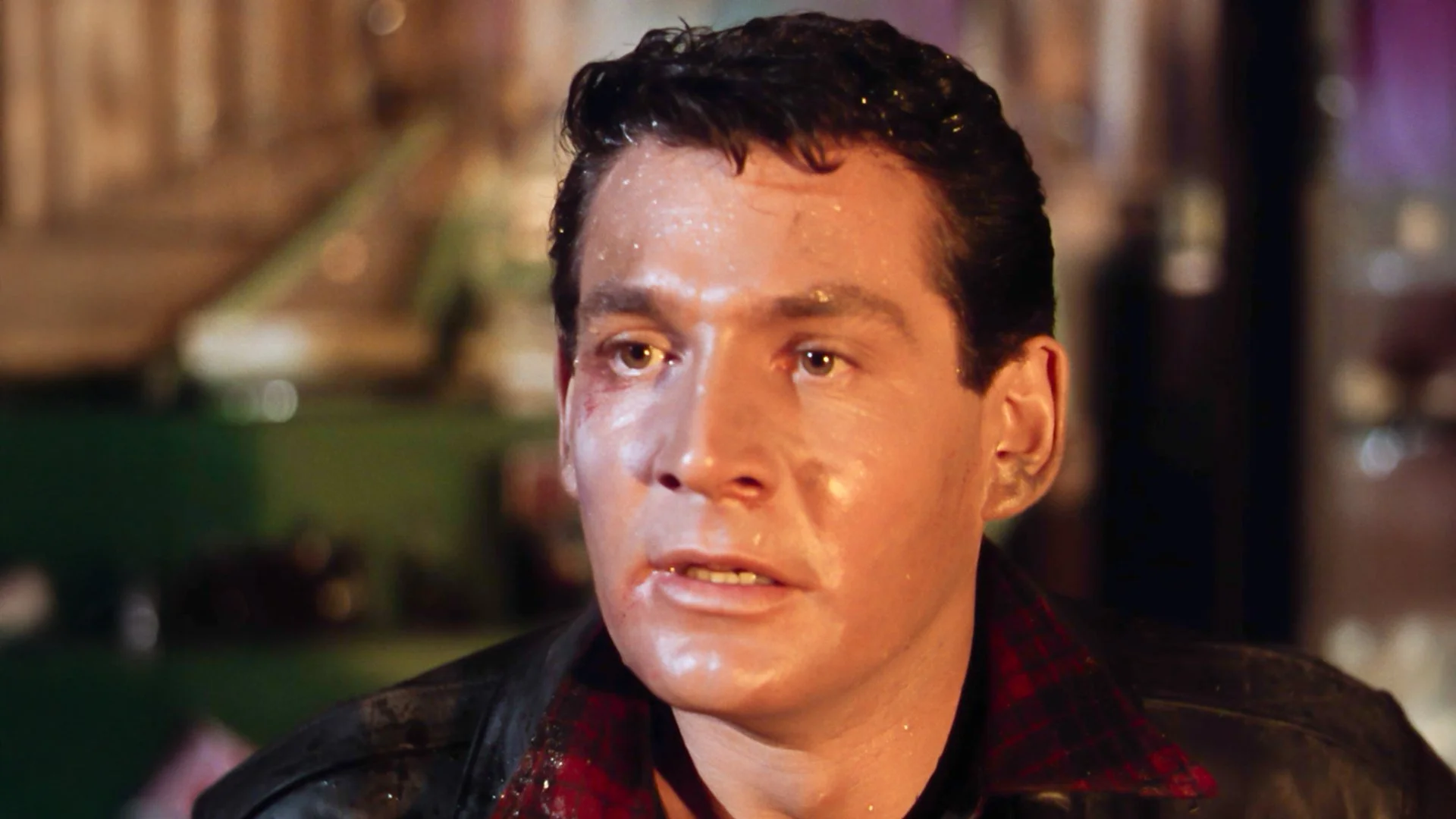
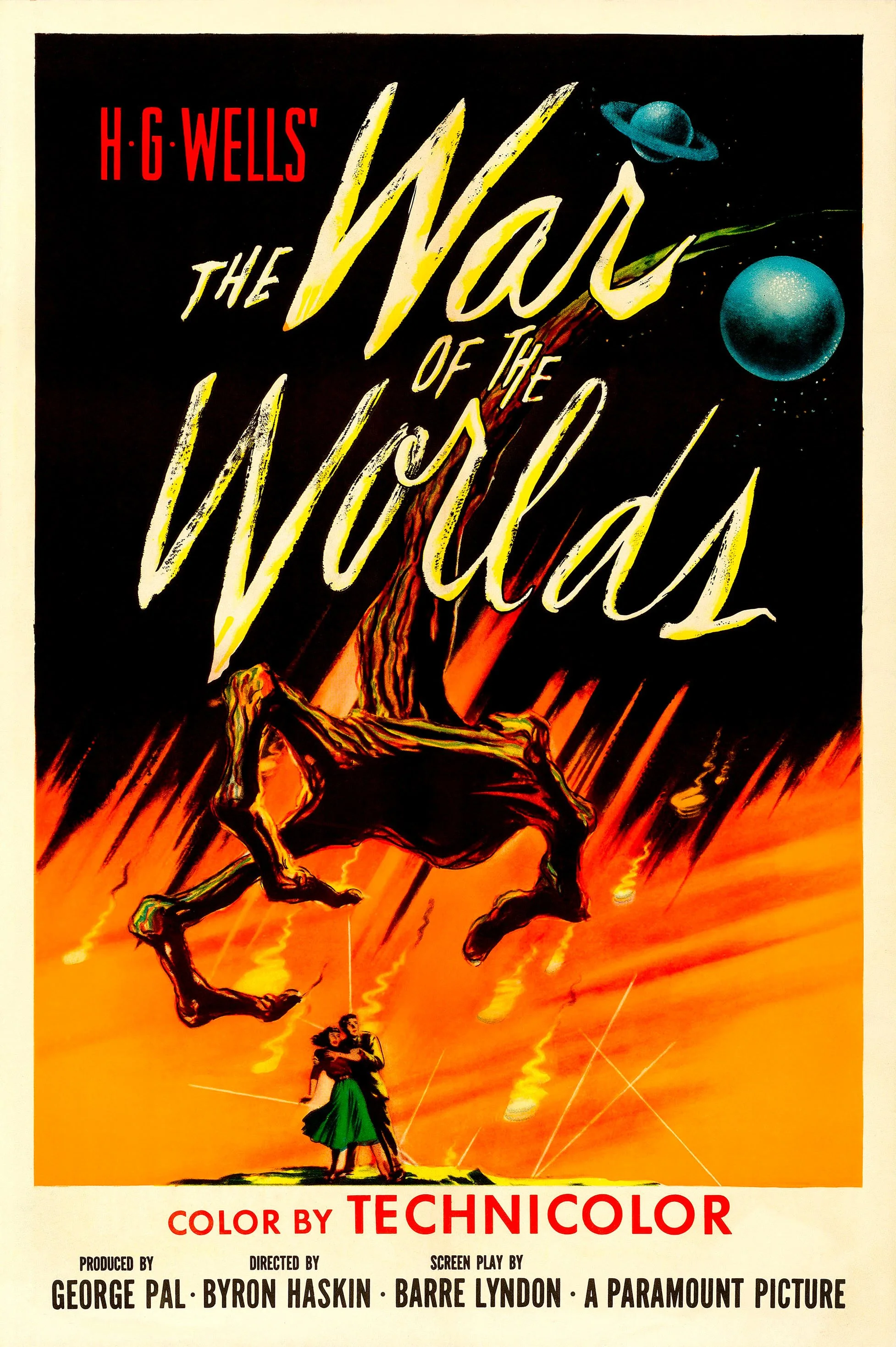
Loosely based on H.G. Wells’ 1898 novel, the film updates the setting to 1950s California, replacing Victorian charm with Cold War dread. It terrified audiences with its death rays, religious undertones, and tripod-like war machines that hovered. Even 70 years later, it’s an eerie, fascinating time capsule of an era terrified of invasion—from Mars or Moscow.
-
Alien anxiety in technicolor – Martians never looked so radioactive.
Tripods that glide – Sorry, H.G., we made them float.
1950s fears baked in – It's a Cold War in sci-fi drag.
That heat-ray sound? Iconic. – You’ve heard it in a dozen movies since.
Microwaves and Martians – This movie influenced both.
God vs. Aliens? – A surprising amount of church in this one.
Oscar-winning destruction – Yes, this Martian invasion won an Academy Award.
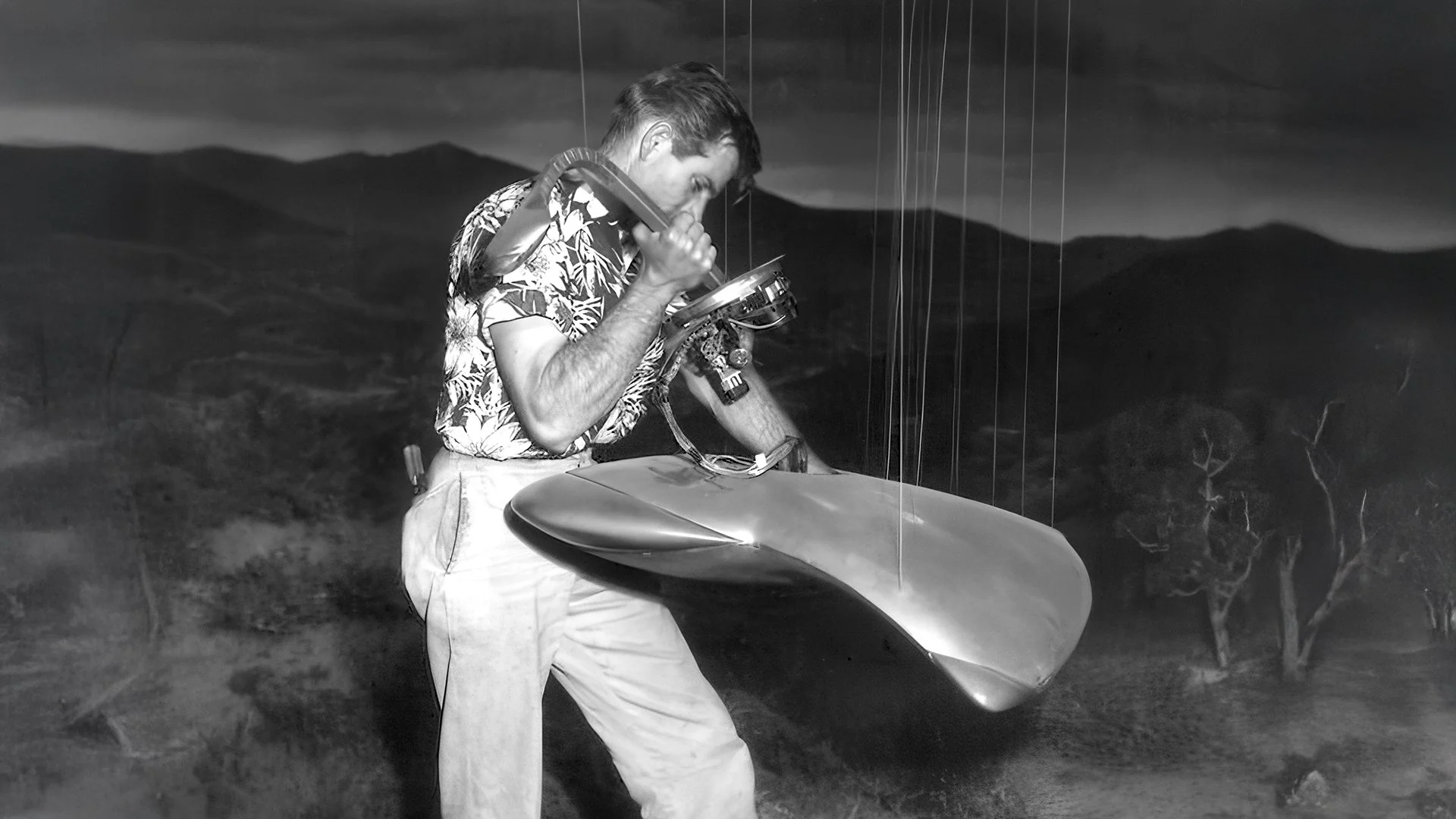
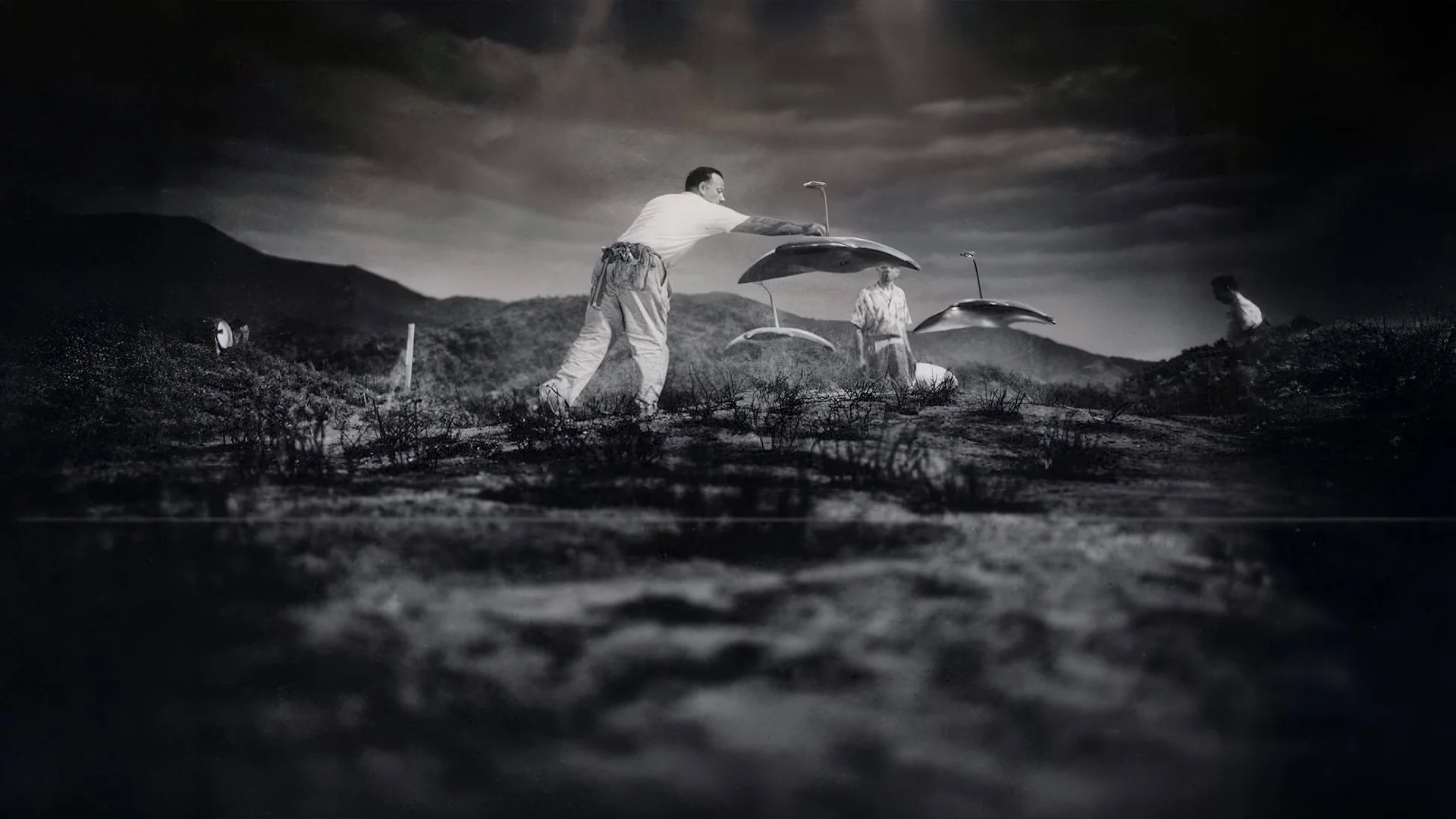
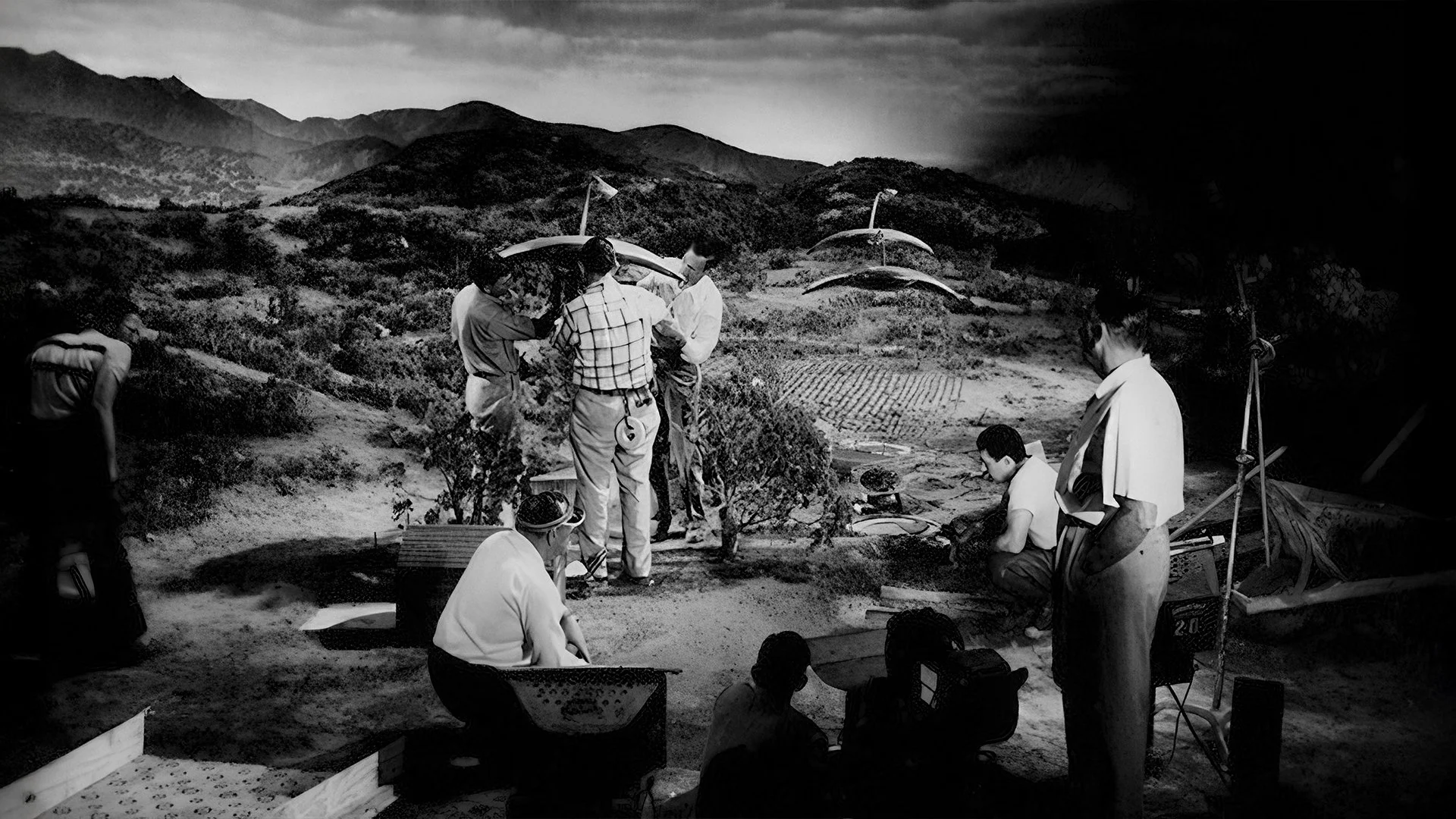

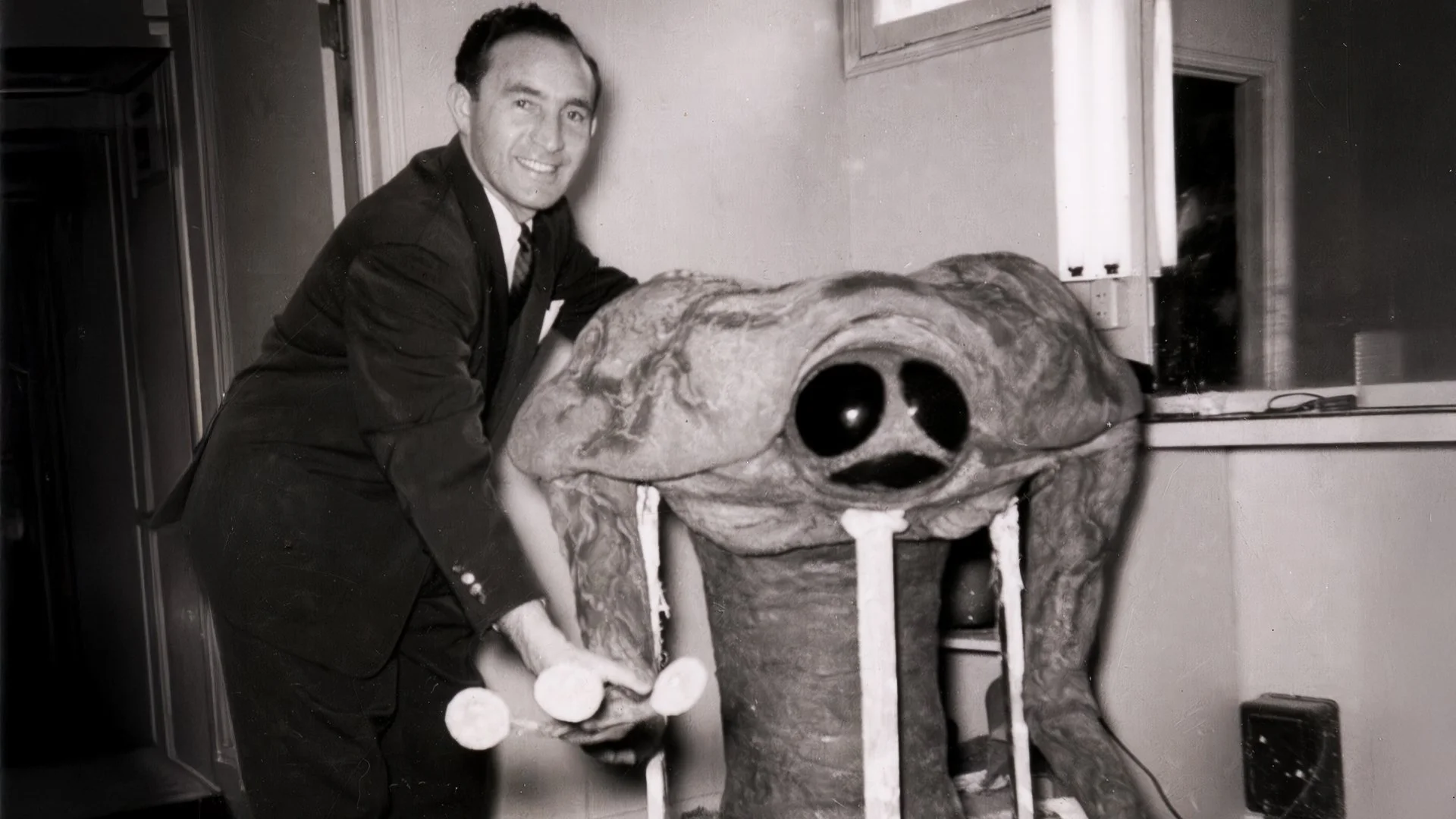
Hovering tripods are still somehow scarier than walking ones.
The Plot in One Panic Attack
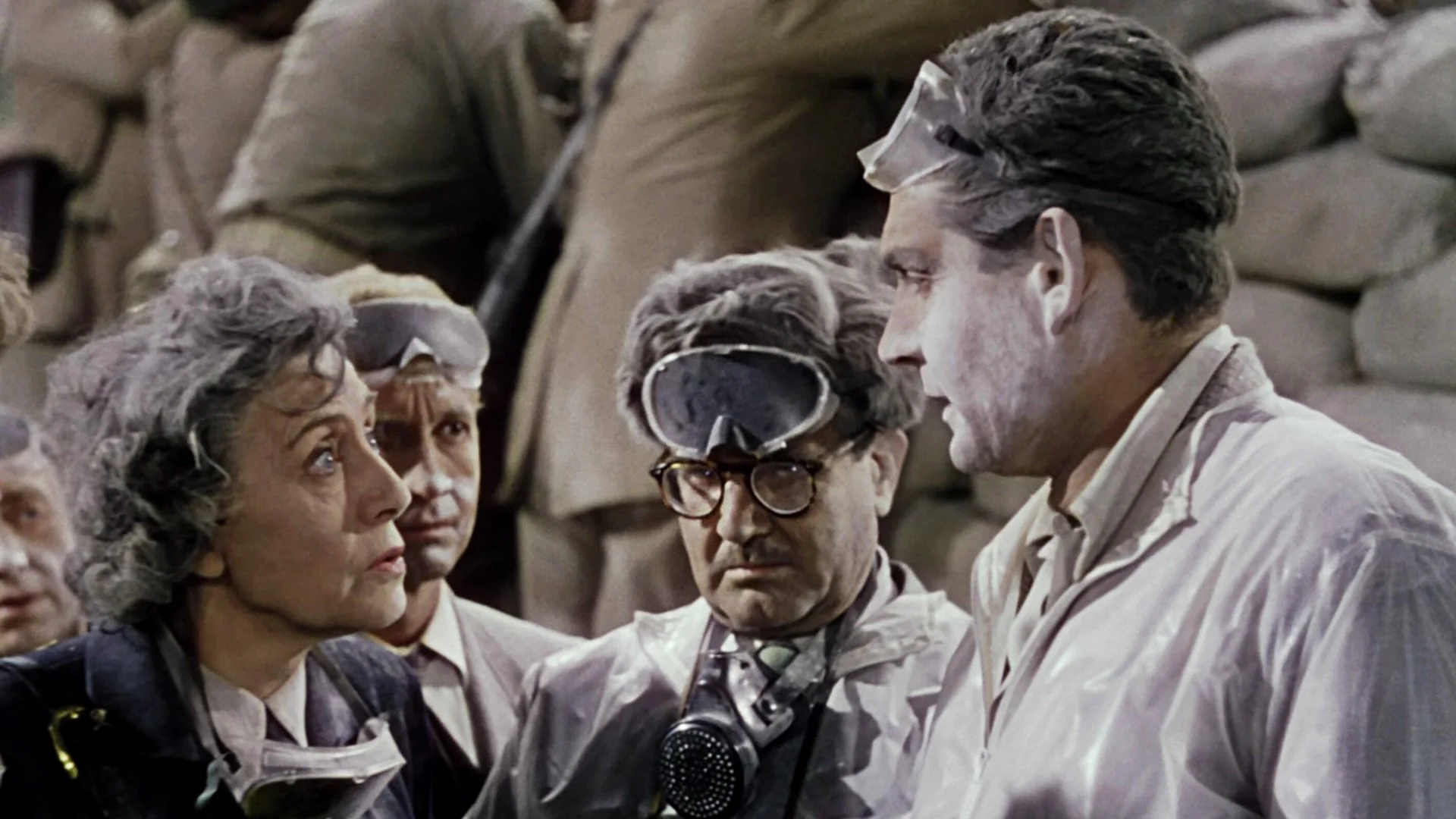
When a glowing meteor lands outside a small California town, everyone assumes it’s just space junk. That is, until the “meteor” unscrews itself and blasts everyone to atoms. Turns out the Martians have arrived—and they’re not here for sightseeing. The military tries (and fails) to stop them. Humanity panics. The world burns. And then… an unexpected twist of biology saves the day.
A Sci-Fi Movie That Screams ‘1950s’
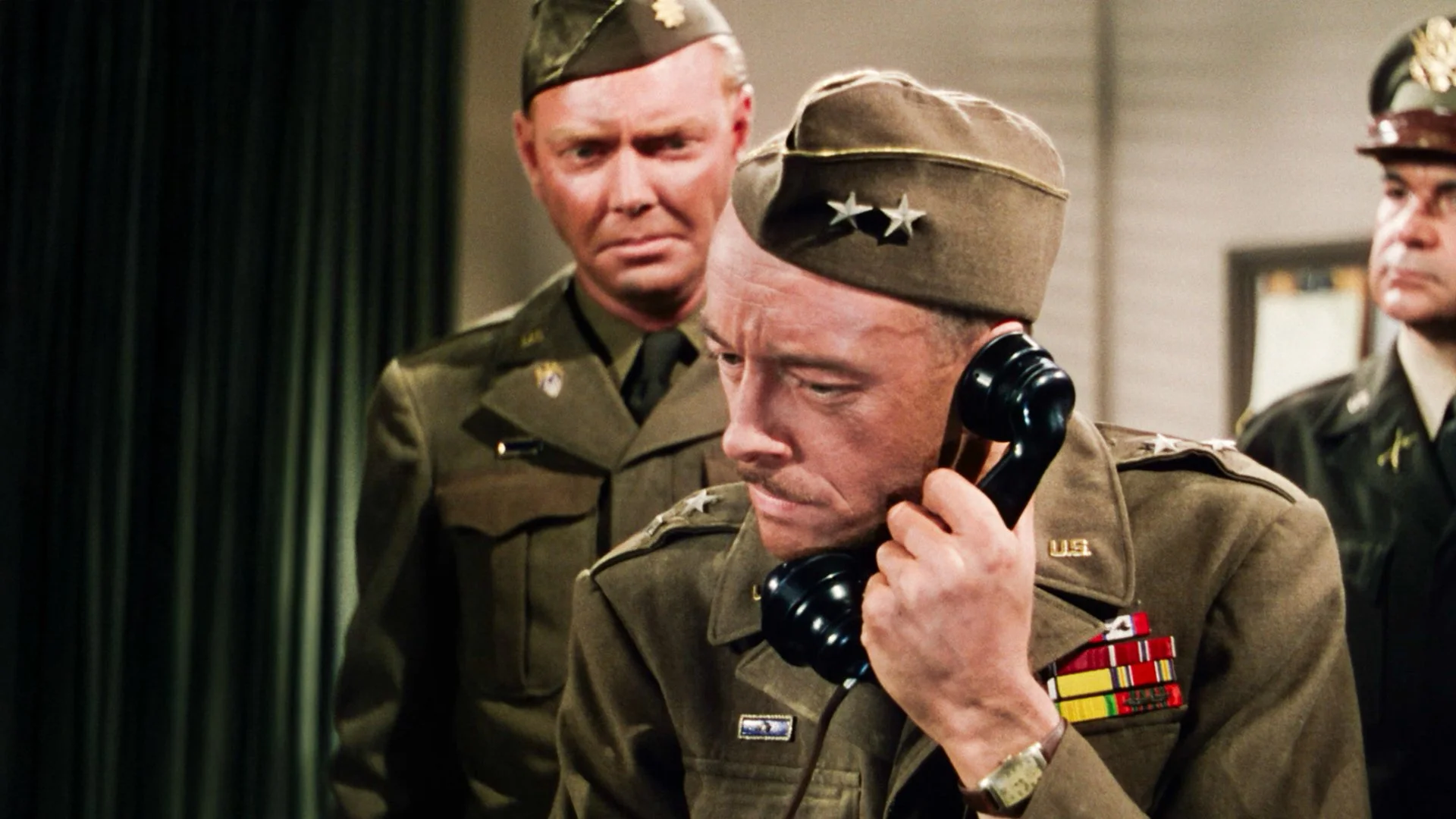
This wasn’t just an alien movie—it was a reflection of Cold War fears. Just swap “Martians” for “Communists” and you’ve basically got a State Department briefing. The aliens are faceless, remorseless, technologically superior, and totally uninterested in negotiation.
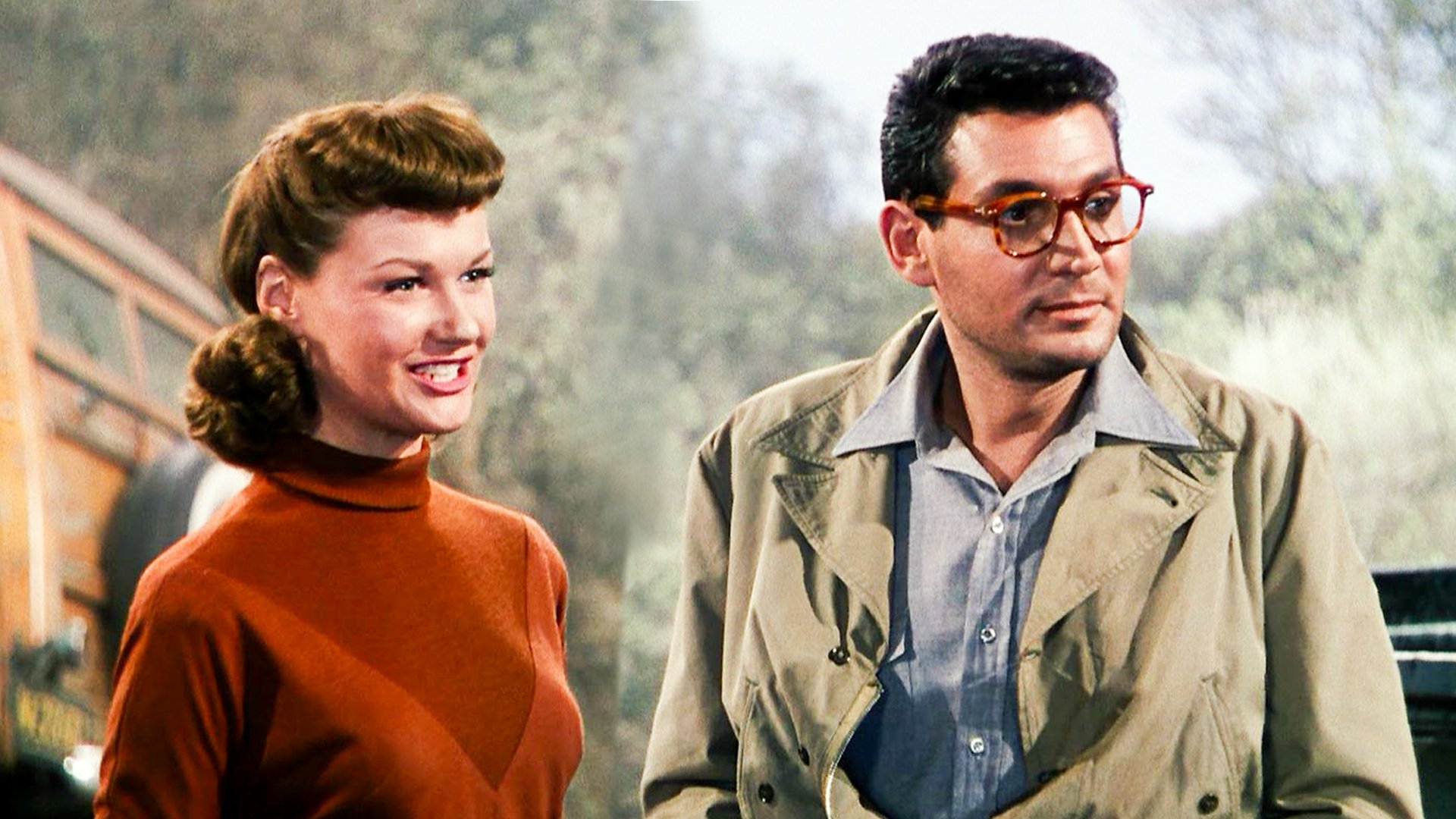
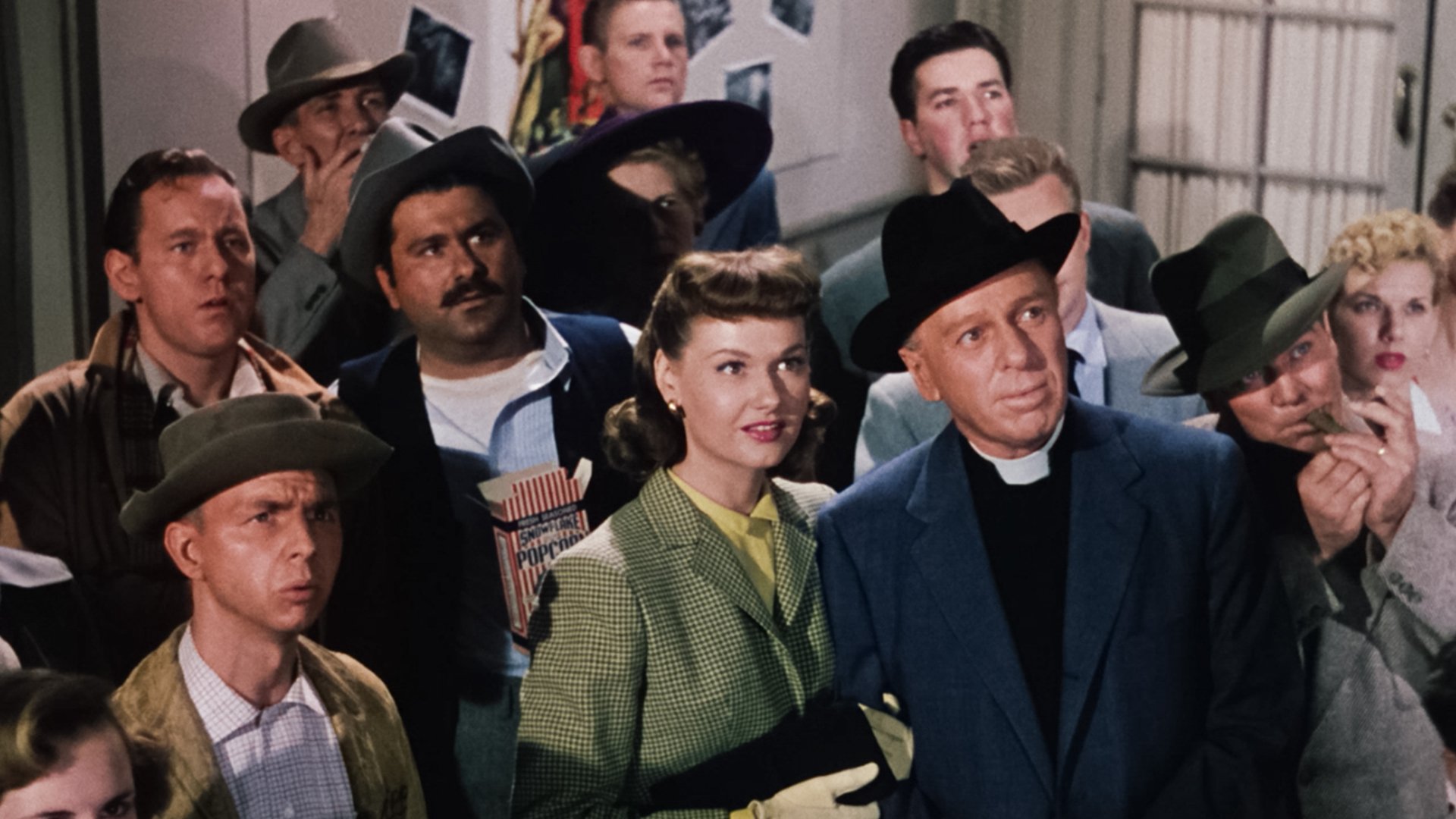
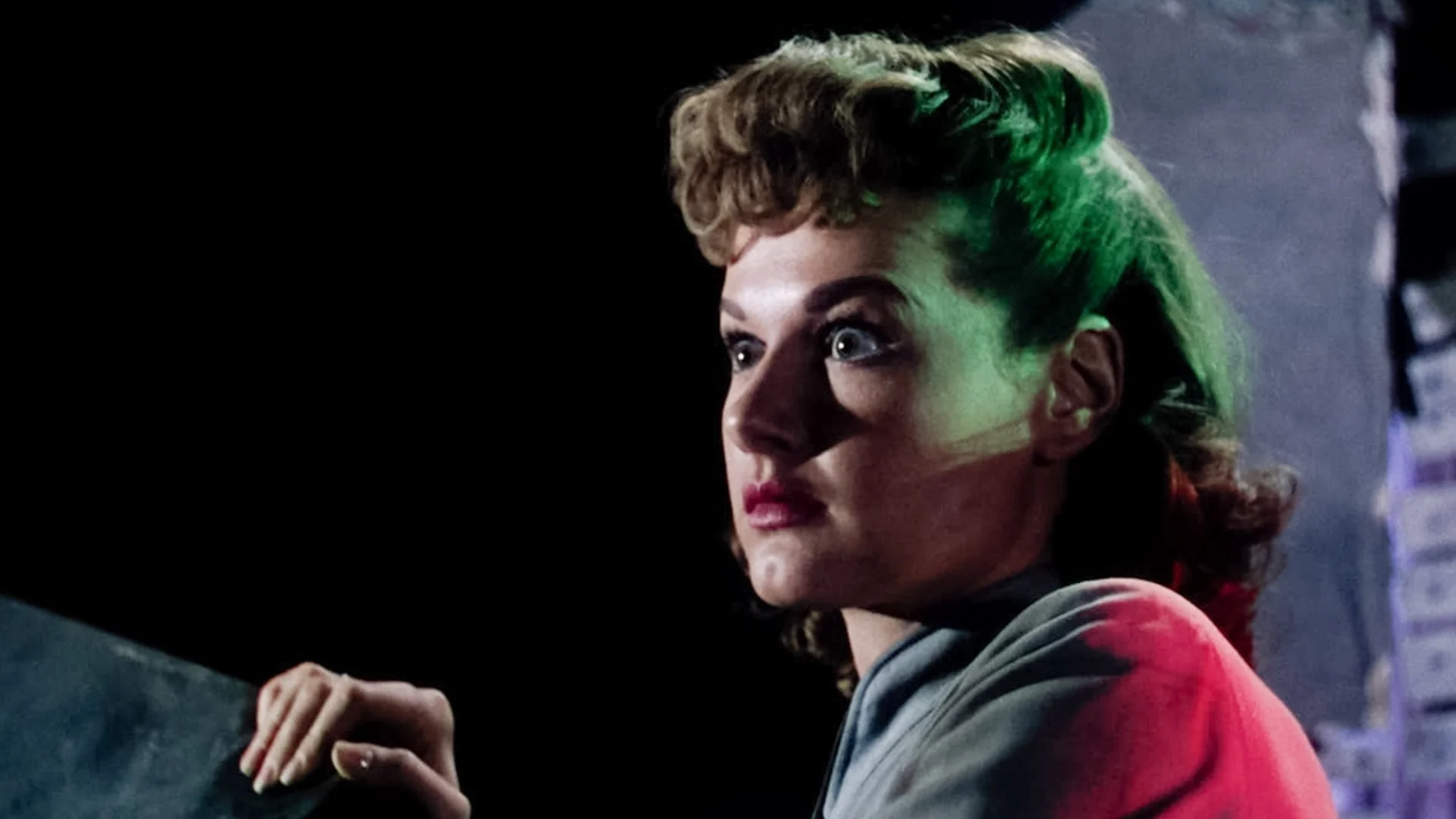
Also, it’s so 1950s. The main character is a square-jawed scientist. There’s a woman who screams a lot but also gets to pray dramatically. And of course, the solution is ultimately out of human hands—almost a quiet admission that technology won’t save us.








Why Everyone Remembers the Sound
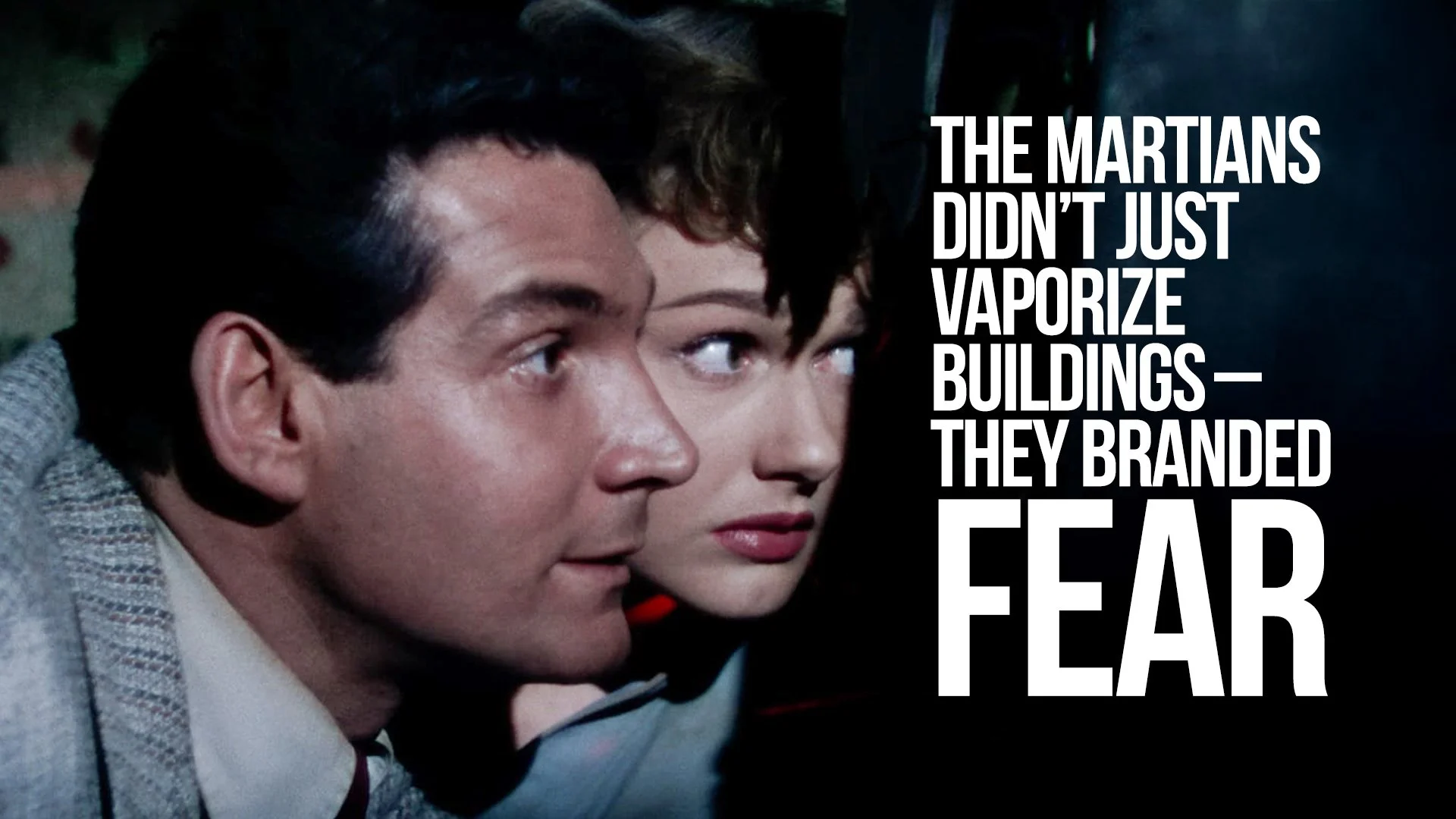
That pew-pew-pew heat-ray sound? Absolute legend. It was made using an electric guitar, cello, and test oscillators and became one of the most iconic sci-fi sounds ever—sampled and reused across decades of media. The Martians didn’t just vaporize buildings; they branded fear.
Tripods That Don't Trip
In H.G. Wells’ original novel, the alien war machines were walking tripods. In this film? They hover. Budget and tech constraints meant walking tripods were a no-go, so the FX team made them fly (with some visible wires if you squint). But it worked. These floating doom machines looked like nothing else at the time.
Bonus geek trivia: The 1953 version was the first film adaptation to make the Martians non-humanoid. No rubber masks, no suits—just alien weirdness.
This wasn’t just an alien movie—
it was a Cold War fever dream.
The Devastation Was Award-Winning
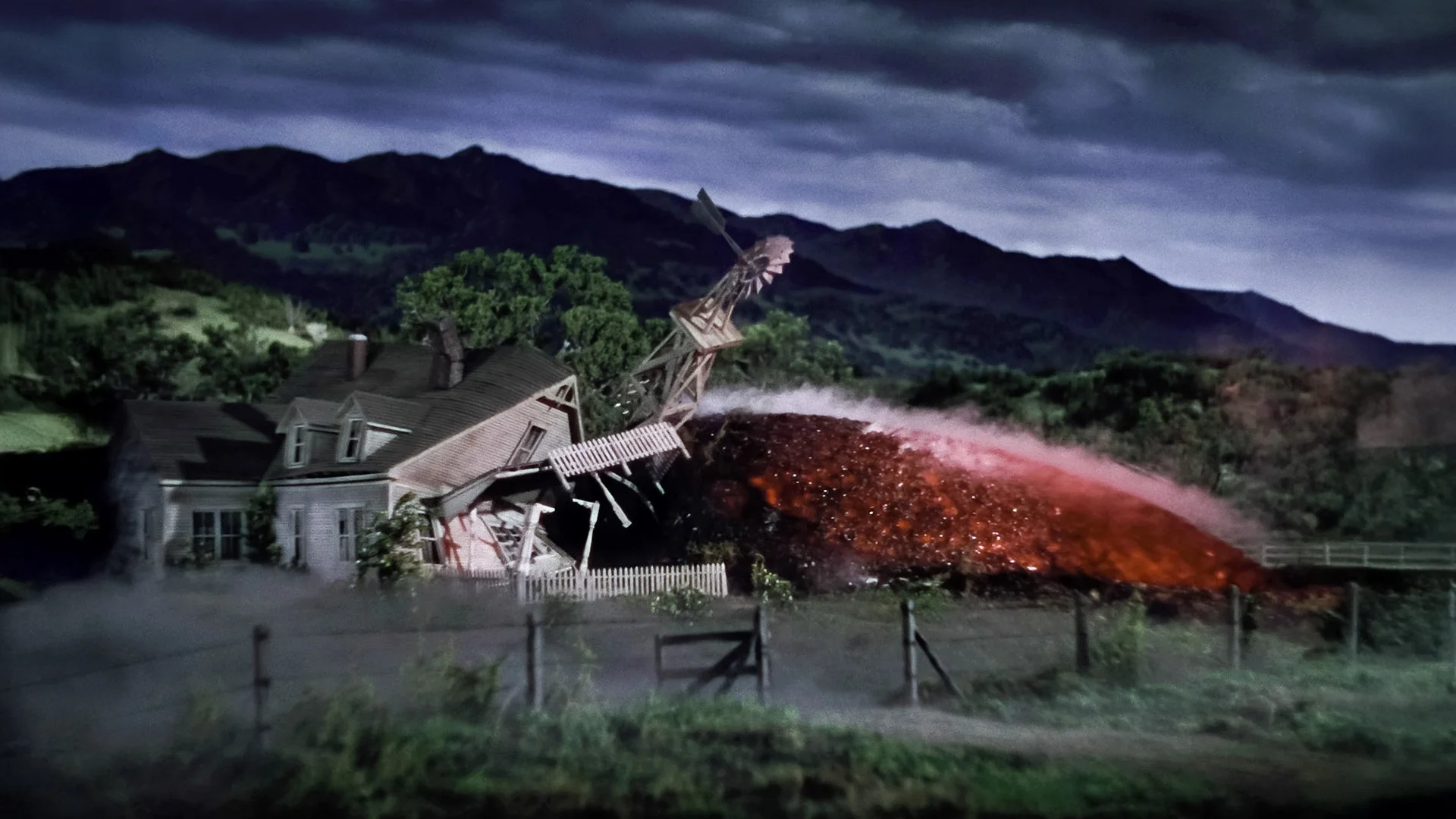
This film took home the 1954 Academy Award for Best Special Effects. Considering CGI was decades away, what they pulled off with models, wires, matte paintings, and practical pyrotechnics was astonishing. This was sci-fi spectacle before that was even a genre expectation.
God, Germs, and Heat Rays
The ending (spoiler alert for a 70-year-old movie) features no grand human victory. Instead, the Martians die from Earth’s bacteria—a quiet, poetic twist carried over from the book. But the film adds something new: a prayer scene and voiceover that credits divine intervention, blending sci-fi with spiritual panic in a way only 1950s America could.
A Legacy That Keeps Beaming In
From Independence Day to Cloverfield, The War of the Worlds left a crater-sized impact. It showed that alien invasion could be epic and existential, mixing tech terror with spiritual questions and social fears. Even Spielberg’s 2005 remake owes a debt to this version’s atomic-age swagger.
FAQ
-
Loosely. It’s set in 1950s America instead of Victorian England, but many core beats remain.
-
Southern California, including areas around Corona, El Monte, and the Paramount lot.
-
A mix of electric guitar, cello, and sound oscillators—it became a legendary audio cue.
-
Budget and tech limits! Instead, we got hovering death machines (and visible wires).
-
Likely a reflection of 1950s American culture, where faith was often portrayed as a counterforce to fear or evil.
Ready, aim, relax. This 100% cotton men’s classic tee keeps its form and delivers comfort even under alien attack. Sharp enough for space duels, soft enough for Saturday marathons.
The Gildan 5000 is a Heavy Cotton™ T-shirt
• Fit: Men's Classic Crew Neck Tee
• 100% cotton, preshrunk to reduce shrinkage
• Taped neck and shoulders
• Seven-eighths-inch seamless collar
• Double seam at sleeves and bottom hem
• Tear-away Label
This product is made especially for you as soon as you place an order, which is why it takes us a bit longer to deliver it to you. Making products on demand instead of in bulk helps reduce overproduction, so thank you for making thoughtful purchasing decisions!