
Conformity Was the Real Alien Invasion
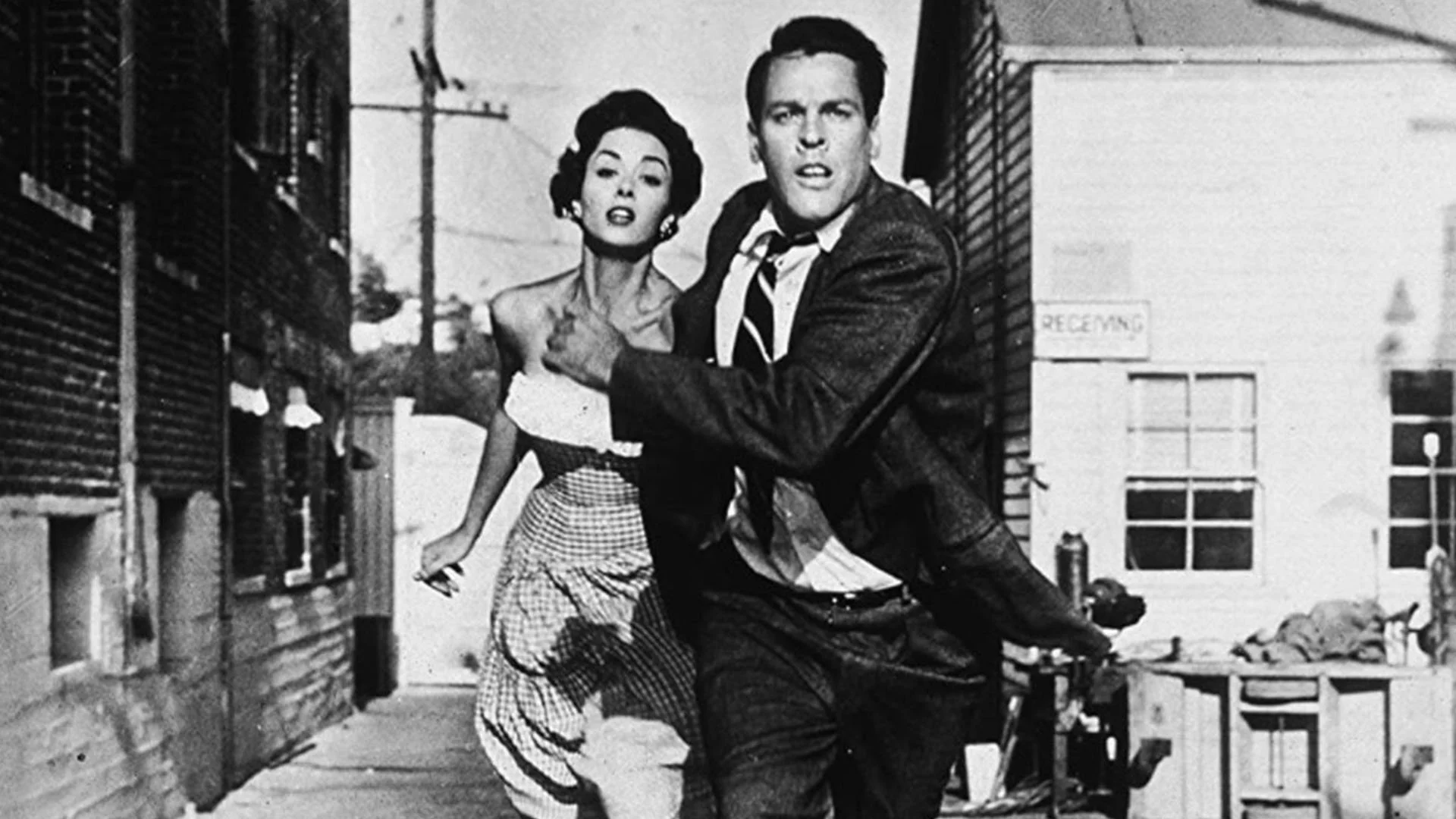
The pods were not from space. They were from suburbia.
The scariest thing in some 1950s sci-fi was not becoming alien. It was becoming perfectly normal.
In the 1950s, science fiction kept returning to one deeply uncomfortable idea: what if the invasion was not really about saucers in the sky, but sameness on the ground? Pod people, brainwashed citizens, alien-controlled towns, emotionless doubles, and obedient crowds were not just space-age nightmares. They were distorted reflections of suburbia, corporate culture, anti-communist paranoia, rigid gender roles, and a culture obsessed with fitting in.
-
1950s sci-fi often used alien control and body-snatching as metaphors for conformity.
Films like Invasion of the Body Snatchers turned “normal” behavior into something eerie and threatening.
Suburbia, office culture, gender expectations, and Cold War loyalty pressures all fed the fear of losing individuality.
In many invasion stories, the horror was not death — it was becoming calm, obedient, and indistinguishable from everyone else.
The Alien Looked a Lot Like Everyone Else
The most unsettling alien in 1950s science fiction did not always arrive with claws. Sometimes it arrived with a pleasant expression and a sensible haircut.
That is what makes the conformity nightmare so sharp. The alien threat was not always monstrous in the obvious sense. It did not always drip slime, roar at the camera, or blast the military with a death ray. Sometimes it blended in beautifully. It went to work. It mowed the lawn. It spoke in a calm voice. It told you not to worry.
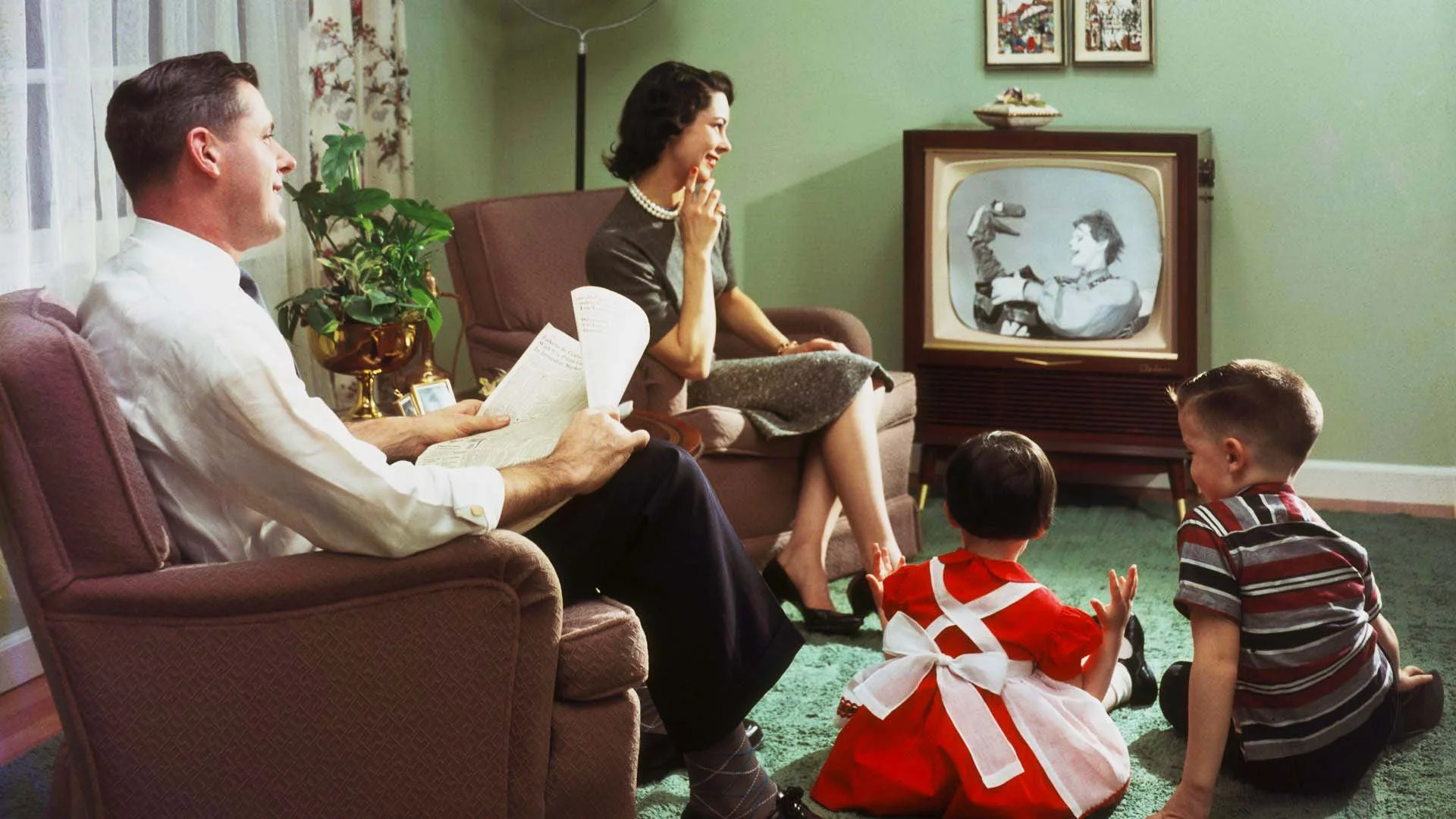
The horror was not that people were becoming alien. The horror was that they were becoming acceptable. That is much worse.




Because if the alien looks exactly like your neighbor, your spouse, your boss, your teacher, or your best friend, then the invasion is no longer “out there.” It is already inside the routines of ordinary life.
That is the genius of 1950s conformity sci-fi. It took the decade’s obsession with normalcy and made it terrifying. A clean house. A steady job. A polished smile. A town where everyone agrees. A world where no one gets too emotional, too strange, too difficult, too alive.
In some 1950s sci-fi, the alien invasion did not destroy normal life. It perfected it.
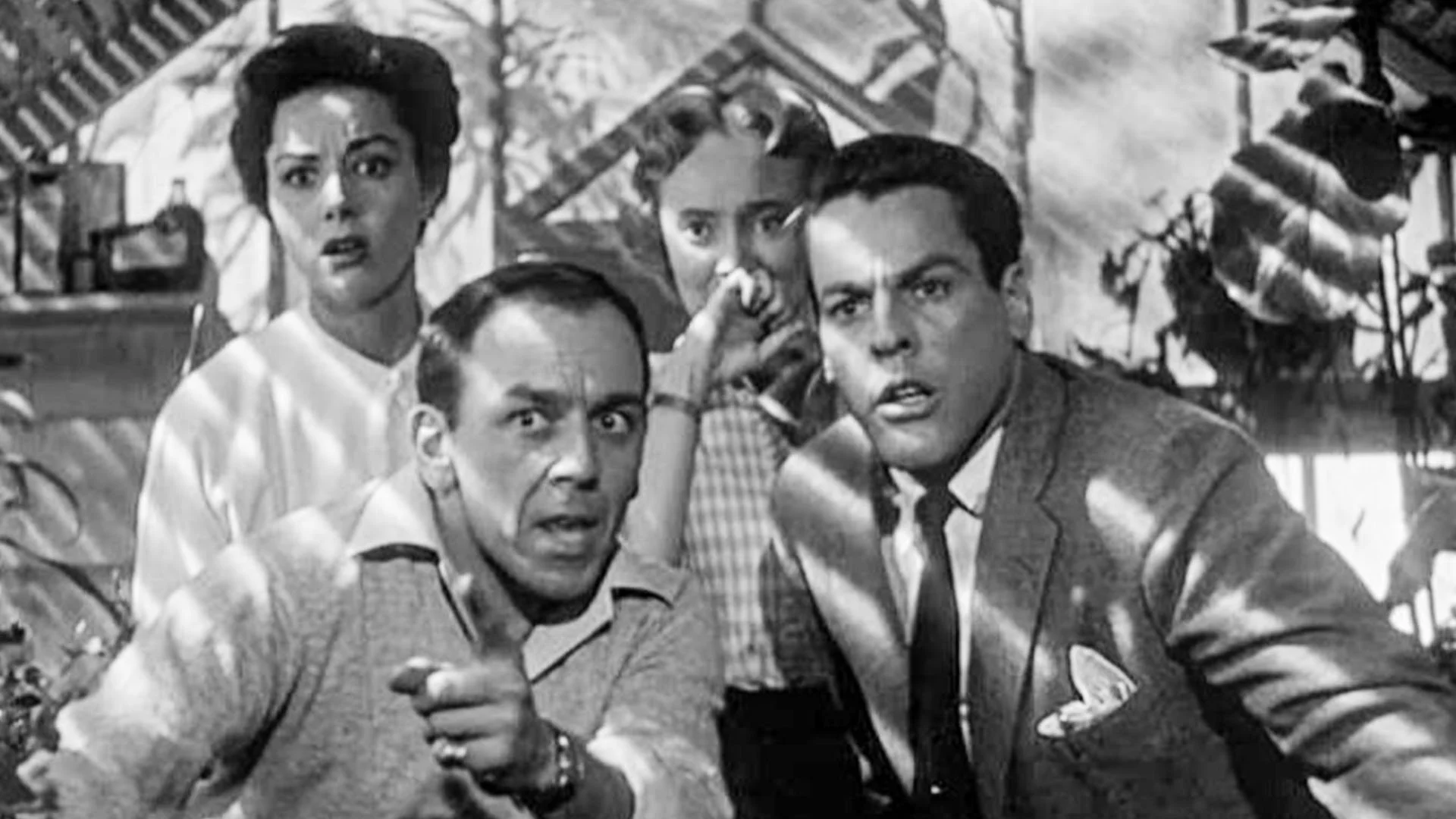
The Pods Were Not From Space. They Were From Suburbia.
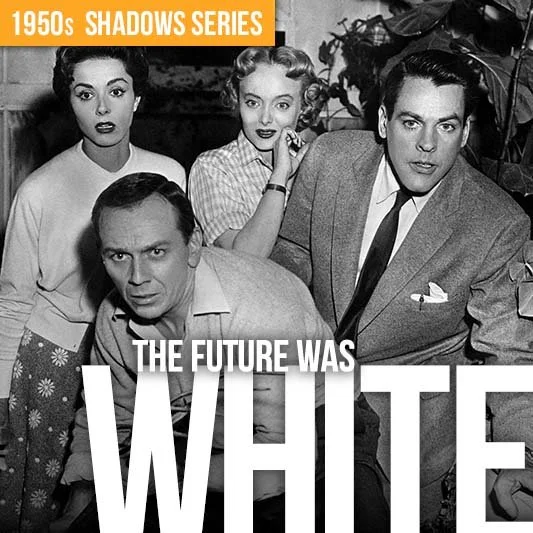
Invasion of the Body Snatchers is the obvious starting point because it understood something very nasty about normal life.
Released in 1956, the film gives us pod people: alien duplicates who look exactly like the humans they replace, but without emotion, passion, anxiety, love, anger, or messy individuality. They are efficient. Calm. Organized. Reasonable.
In other words, they are horrifying.
The genius of the pod-person idea is that it turns conformity into body horror. You still have your face. You still have your memories. You still know how to move through the world. But something essential is gone. The spark has been removed. The difficult, irritating, emotional human core has been replaced by smooth obedience. And that is why the metaphor keeps working.
The pods can stand for communism. They can stand for McCarthy-era conformity. They can stand for suburban sameness. They can stand for corporate culture. They can stand for any social force that says, “Stop being so much. Stop feeling so much. Stop asking questions. Join the group. You’ll be happier.”
That is the terrifying sales pitch of the pod people. They do not only threaten you. They offer relief. No more fear. No more loneliness. No more heartbreak. No more conflict. No more individuality making everything complicated.
Just sleep. Wake up changed. Fit in.
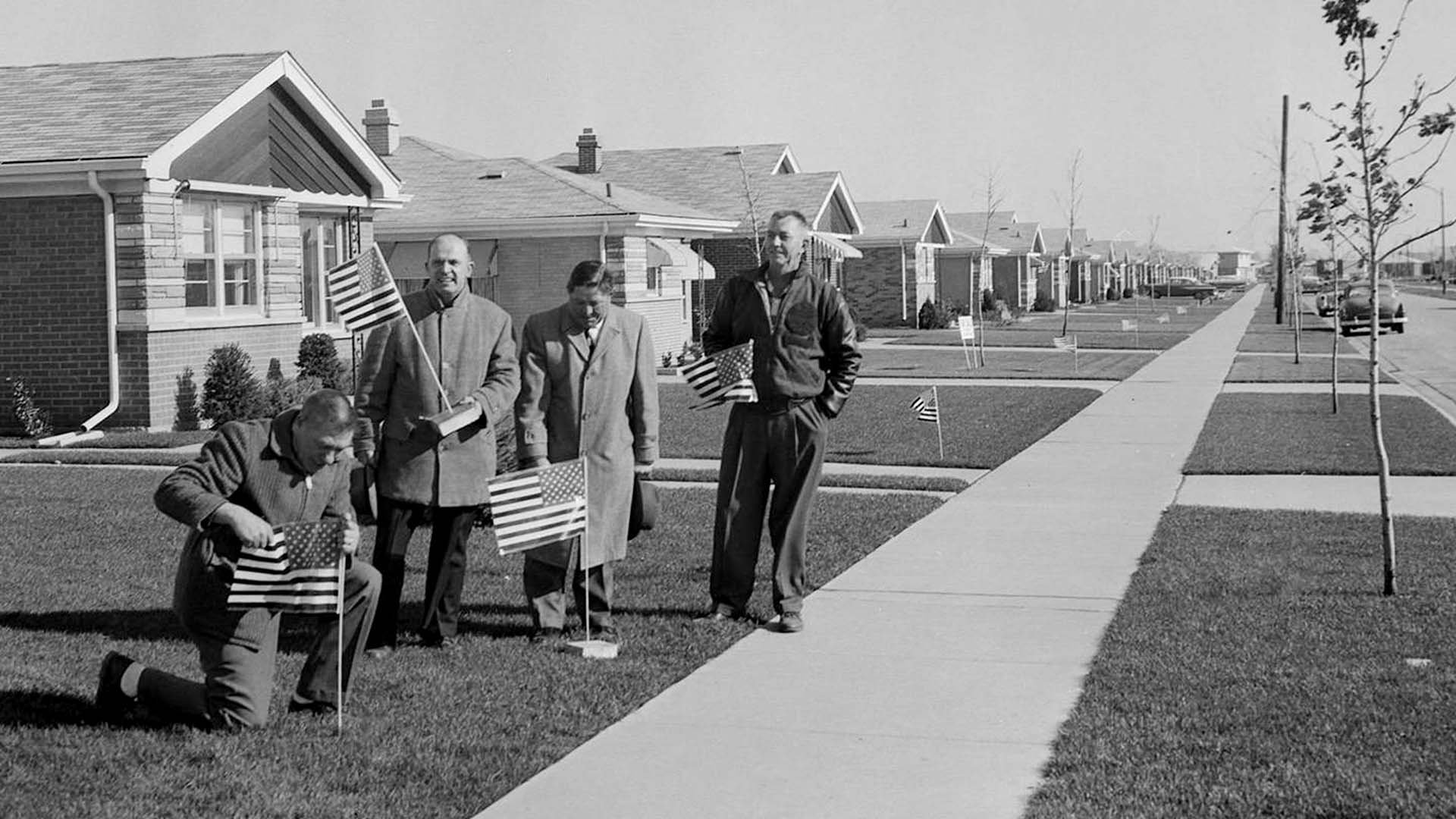
Suburbia Was Already a Science Fiction Set
The 1950s suburb is one of the great accidental sci-fi landscapes.
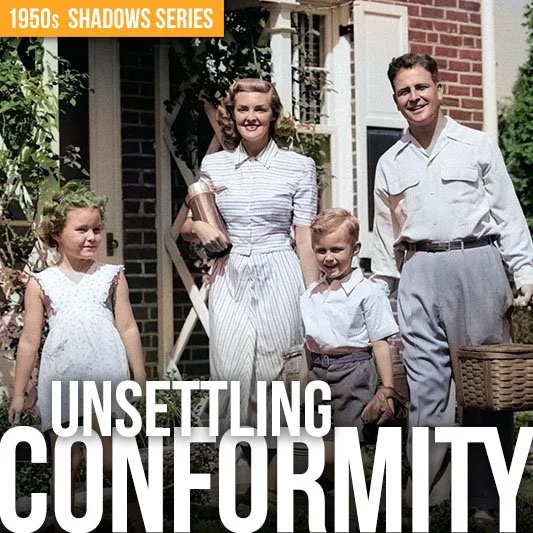
Rows of similar houses. Matching lawns. New appliances. Quiet streets. Family rooms glowing with television light. Neighbors watching neighbors. Men leaving for work. Women expected to maintain domestic perfection. Children trained for both prosperity and nuclear annihilation, which is a very weird childhood combo if you stop and think about it.
Suburbia promised safety.
Sci-fi asked: safe from what?


Because the postwar suburban dream had a shadow. It offered comfort, but it also demanded performance. You were supposed to live correctly. Buy correctly. Dress correctly. Marry correctly. Smile correctly. Raise children correctly. Keep up appearances. Do not make the block uncomfortable.
That is why alien conformity stories fit so naturally into suburban settings. A neighborhood already runs on surveillance. Not police-state surveillance exactly — more like casserole surveillance. Who parked where? Who came home late? Who is fighting? Who has strange visitors? Who is not taking care of the yard?
Small-town and suburban sci-fi horror thrives on that atmosphere. Everyone knows you. Everyone notices you. Everyone has an opinion about whether you are behaving normally.
Now add aliens. Honestly, they barely have to do anything. The pod people did not invent conformity. They just made it honest.

Corporate Culture Had Its Own Mind Control Ray
The 1950s office is another perfect sci-fi machine.
Gray suits. Repeated routines. Hierarchies. Loyalty to the company. Men commuting into systems that rewarded obedience and punished weirdness. The organization man was expected to become part of a larger structure — productive, polite, controlled, and not too openly individual.
That sounds less like a job and more like low-budget mind control with dental benefits. Science fiction picked up on this energy even when it was not literally about offices.
Alien control stories often echo the corporate world because they are about surrendering the self to a system.
The individual becomes useful. Predictable. Replaceable. Smoothly integrated. That is what makes brainwashing and alien obedience such powerful 1950s images. They are not just about enemy ideology. They are about the fear that modern life itself might be turning people into functionaries.
You can see why the idea had bite. The alien collective says: your personal desires are inefficient. The corporation says: be a team player.
The pod people say: you will be happier without conflict. The culture says: don’t make trouble.
Different packaging. Similar chill.
This is where 1950s sci-fi gets sneaky. It looks like it is warning America about outside threats, but sometimes it is also quietly staring at American normal life and asking, “Are we sure this is fine?”

Anti-Communist Paranoia Made Everyone Suspicious
Conformity in 1950s sci-fi cannot be separated from the Red Scare.
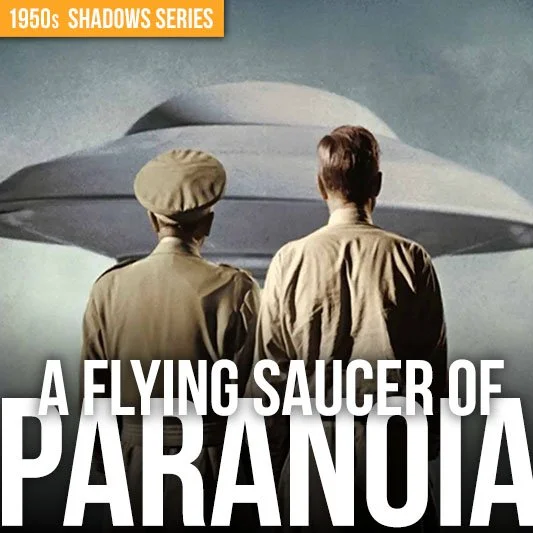
The fear of communism was not just a fear of invasion. It was a fear of infiltration, conversion, and hidden loyalty. The enemy might not attack openly. The enemy might blend in. The enemy might already be in the neighborhood, the workplace, the school, the union, the studio, the government office, or the family. That atmosphere was tailor-made for science fiction.
Alien invasion films turned political suspicion into story structure. Someone notices something is wrong. No one believes them. Authorities hesitate. Friends become strange. The community insists everything is normal. The hero becomes isolated not because the monster is too strong, but because the social world refuses to admit the monster exists. That is paranoia with a plot.
But here is the more interesting part: these movies can often be read in more than one direction. A pod-person story can look like fear of communist collectivism: individuality swallowed by the group. But it can also look like fear of anti-communist conformity: everyone pressured to think the same, speak the same, prove loyalty, and suppress doubt.
That double meaning is what makes the best 1950s sci-fi so durable. It does not sit still. It keeps changing depending on where you stand.
The alien could be the system. The alien could be the neighbor. The alien could be you, once you stop asking questions.
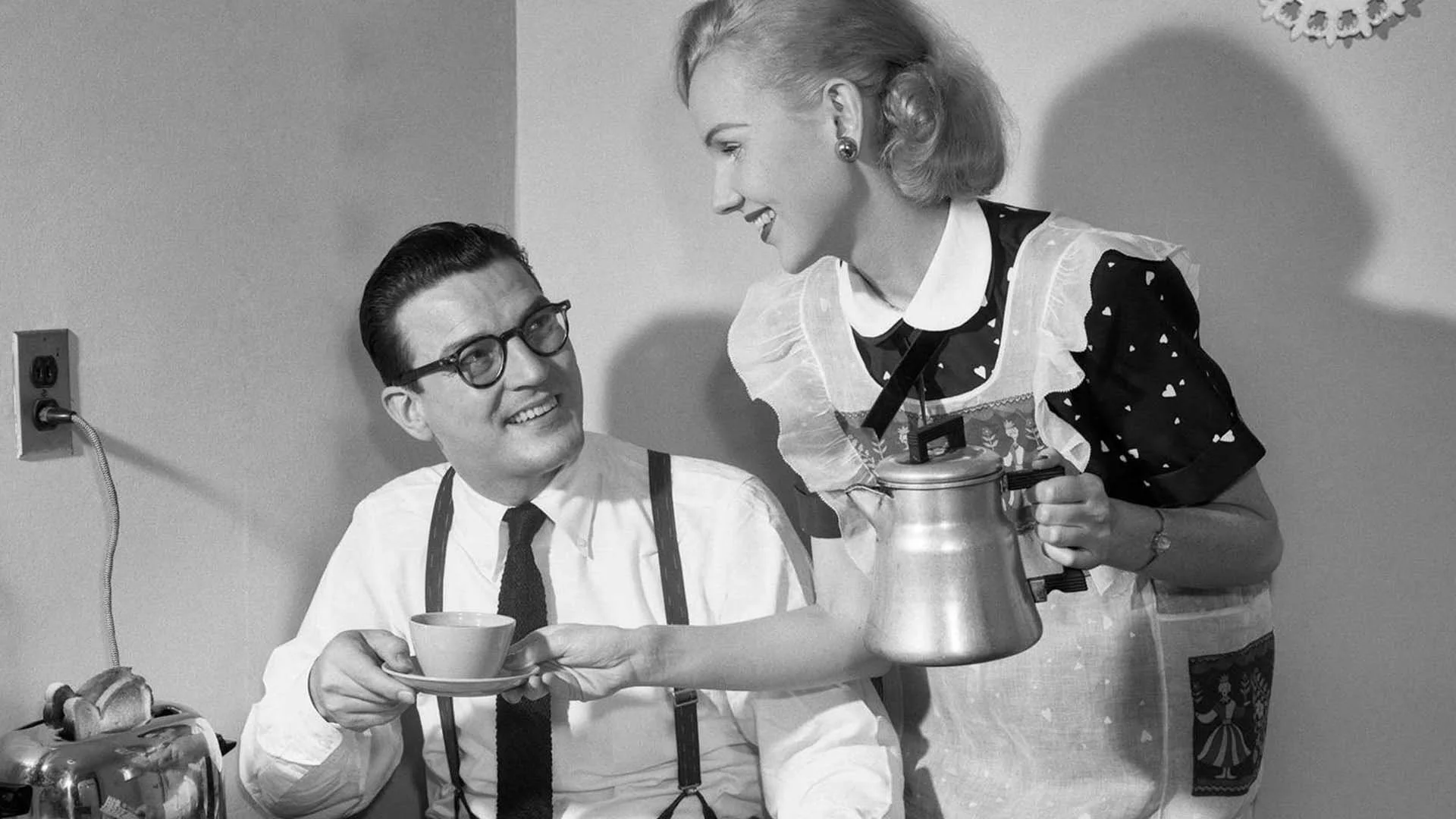
Gender Roles Were Part of the Invasion Too
The conformity machine did not treat everyone equally.
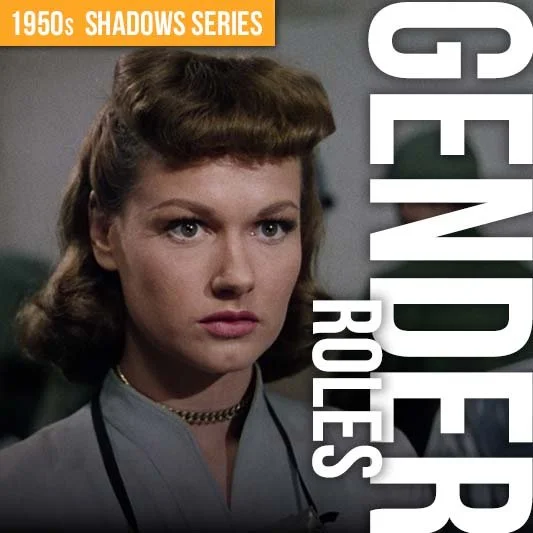
For women, the 1950s ideal of normalcy often came with a very specific script: marriage, motherhood, domestic competence, emotional support, visual polish, and a cheerful acceptance of limited space. The culture sold this as fulfillment. Sci-fi often turned that pressure into something uncanny, even when it did not fully understand what it was doing.
That is one reason the “perfectly normal” person can feel so frightening in these stories.
Perfect wives. Perfect husbands. Perfect families. Perfect homes. Perfect smiles. Nothing visibly wrong. Everything spiritually dead.
The horror is not always that someone becomes monstrous. Sometimes the horror is that someone becomes too ideal. Too calm. Too agreeable. Too willing to play the assigned part.
That is why the pod-person metaphor has such long legs. It is not just about politics. It is about social roles. It is about the terror of waking up and realizing your life has been designed for you. Your feelings are inconvenient. Your questions are disruptive. Your strangeness is a problem to be corrected.
In that sense, conformity is not just an alien invasion. It is a domestic one. The spaceship lands in the kitchen.
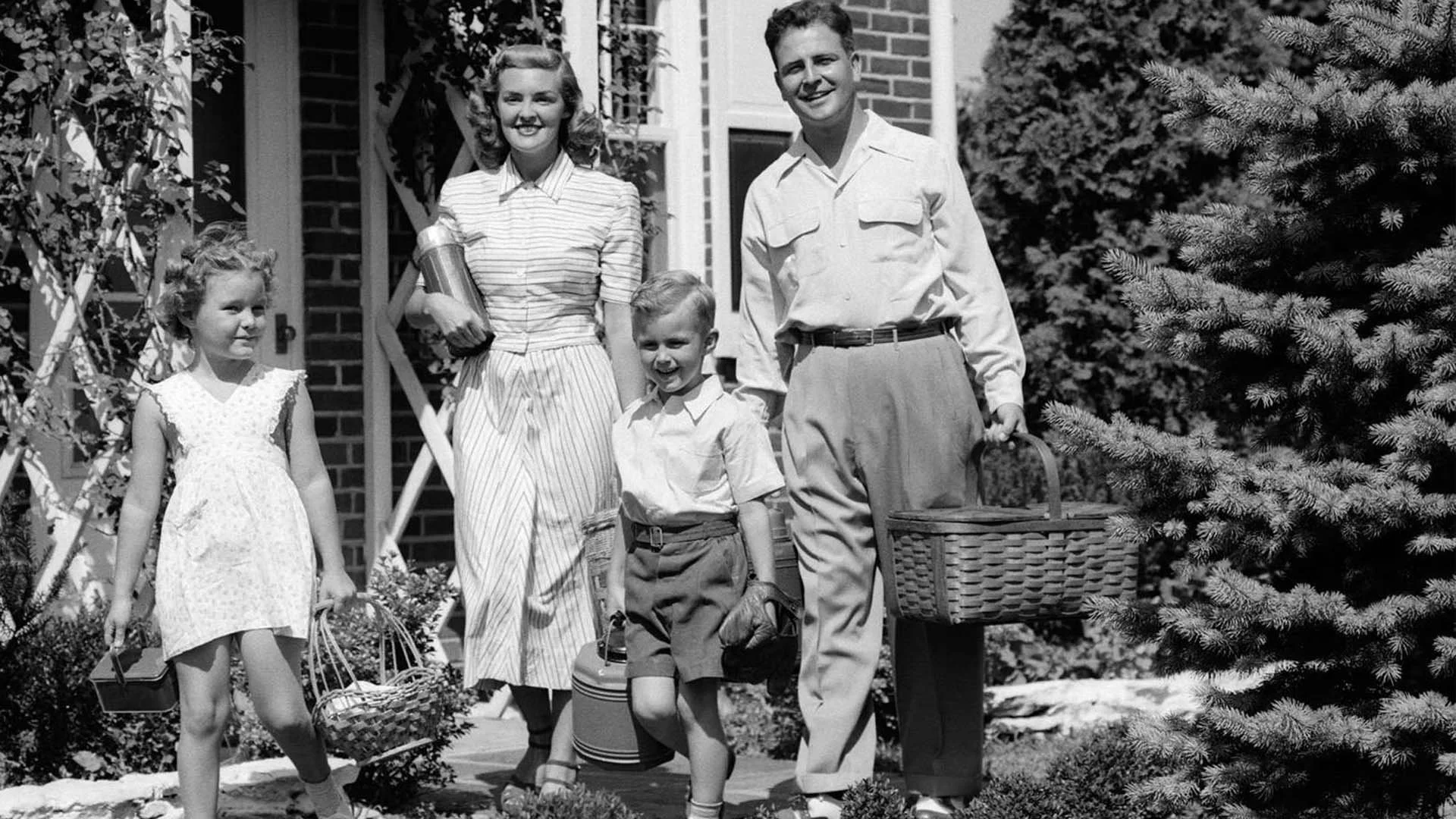
“Normal” Was a Costume Everyone Had to Wear
Normal is a strange word.
It sounds harmless. Even comforting. Normal means stable. Familiar. Safe. Nothing to worry about. Normal is what people say they want after chaos. But 1950s sci-fi understood that normal can also be a trap.
Normal can be a weapon used against anyone who does not fit. Normal can flatten the weird, the emotional, the rebellious, the artistic, the queer-coded, the intellectual, the foreign, the angry, the grieving, the unconventional, the inconvenient.
The nightmare was not becoming strange. The nightmare was becoming perfectly acceptable.
Normal can become a pod.
That is why the best conformity sci-fi feels so chilly. The threat is not that society collapses. It is that society keeps functioning, but the people inside it are hollowed out. The streets are clean. The offices run on time. The families smile. The town looks fine. And that is the problem.
Because a world without conflict may also be a world without freedom. A world without emotional pain may also be a world without love. A world without individual weirdness may also be a world without art, rebellion, humor, or desire.
The pod people are not scary because they fail at normal life. They are scary because they succeed.
Brainwashing Was the Loss of the Inner Self
Brainwashing stories hit a deep nerve because they attack the one place people want to believe is still private: the mind.
A monster can break down your door. A bomb can destroy your city. A disease can attack your body. But mind control says even your thoughts may not belong to you.
The mind-control beam was ridiculous. The fear underneath it was not.
That is why alien control narratives are so powerful. They turn conformity into psychological horror. You are not simply forced to obey. You are changed until obedience feels natural. You stop resisting because the part of you that resisted has been removed, rewritten, or smothered.
That is terrifying because it erases the line between choice and programming. Are you loyal because you believe? Are you calm because you are at peace? Are you happy because life is good? Or did something happen to you while you were sleeping?
This is the shadow under a lot of 1950s normalcy. People were not just expected to behave correctly. They were expected to want the correct things. The correct house. The correct job. The correct marriage. The correct politics. The correct emotional temperature.
Sci-fi made that pressure visible by turning it into alien control.
The Crowd Was the Monster
One of the great reversals in conformity sci-fi is that the monster is not always a single creature. Sometimes the monster is the crowd.
A group of calm, identical people walking in the same direction can be scarier than one slobbering beast. At least the beast has personality. The crowd has purpose. The crowd has certainty. The crowd has numbers. The crowd also has social power.
That is what makes mass obedience so frightening. It does not need to attack you immediately. It can surround you. It can define reality. It can decide that you are unstable, disloyal, hysterical, selfish, dangerous, or simply not one of us.
Then the pressure begins. Conform. Explain yourself. Stop making everyone uncomfortable. Join us.
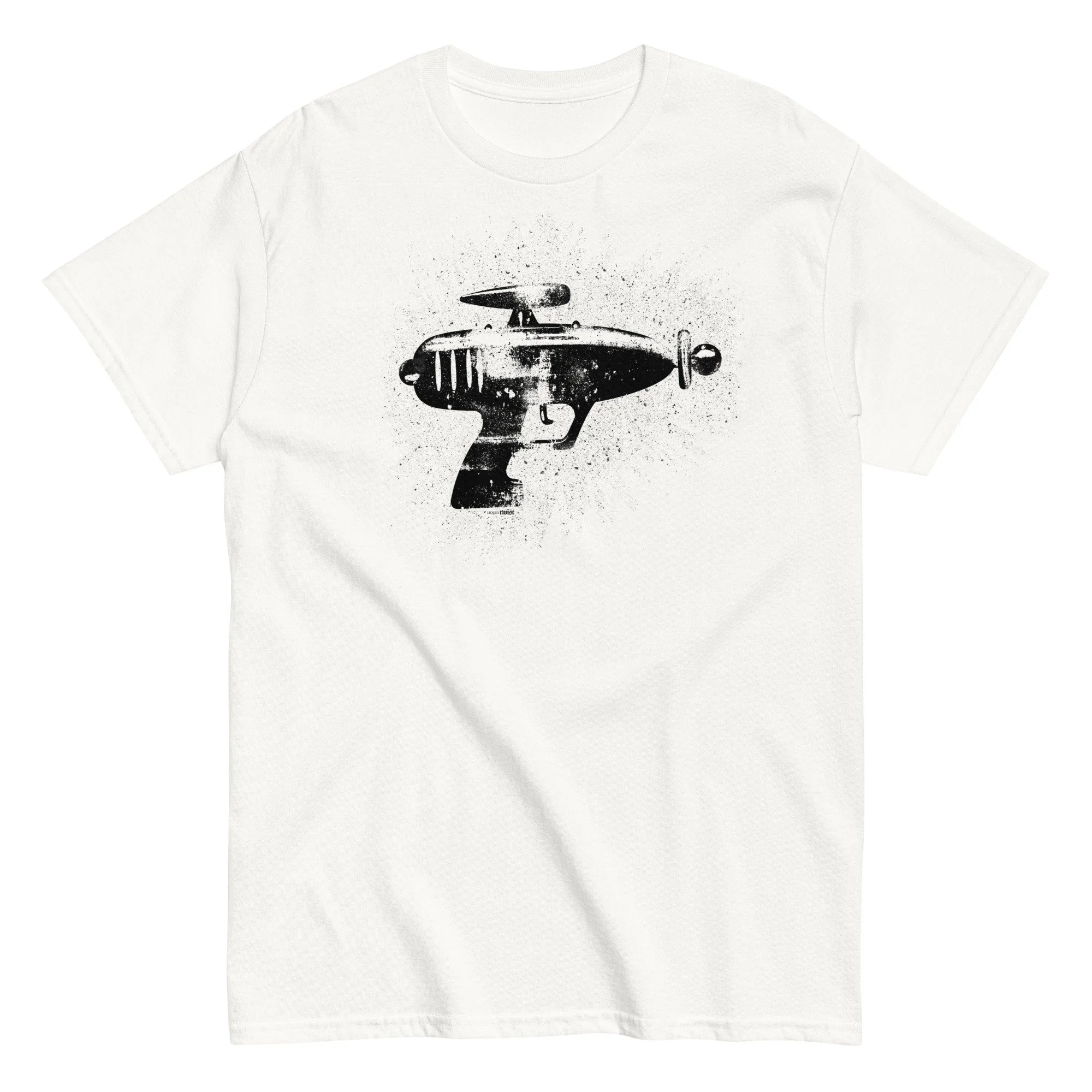
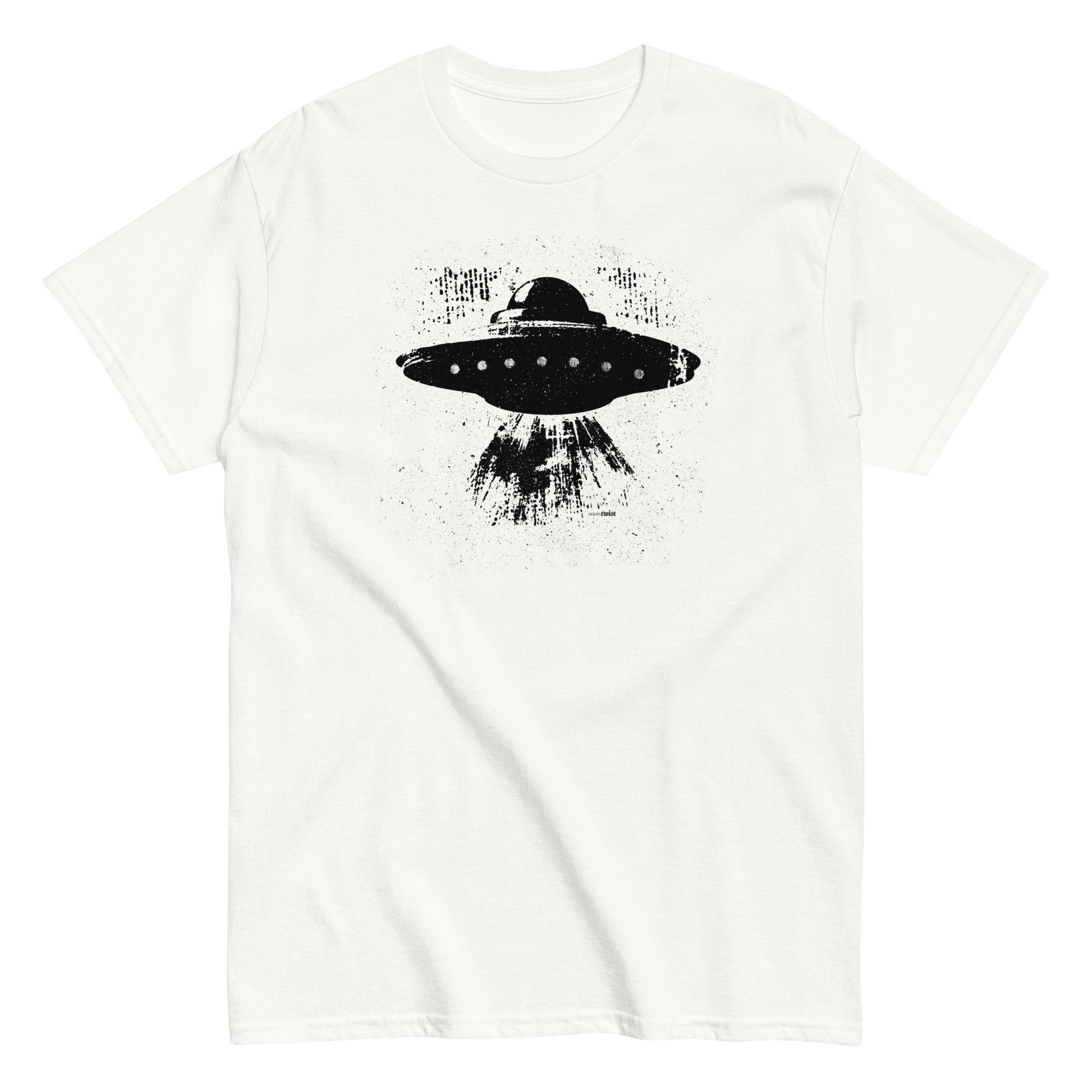

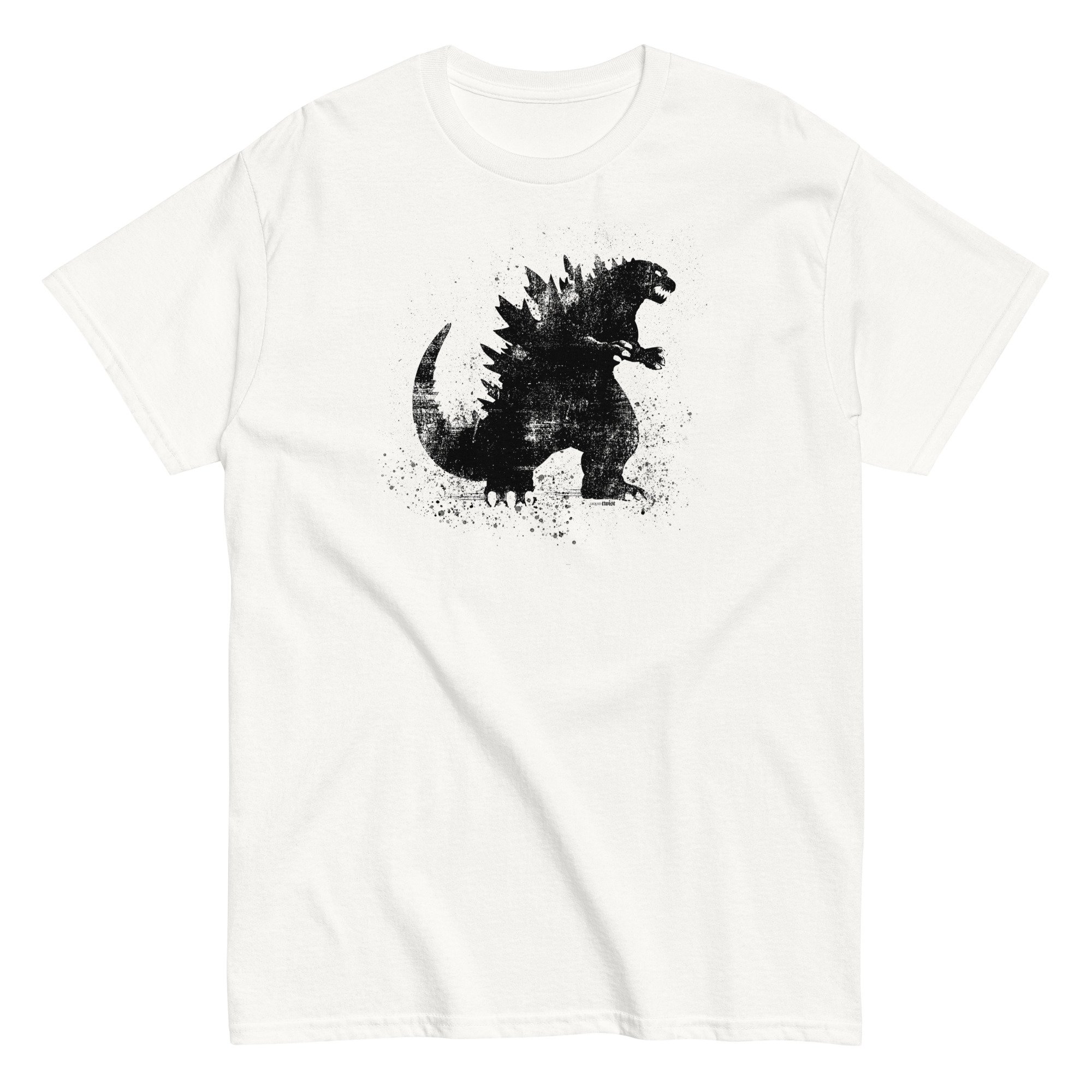
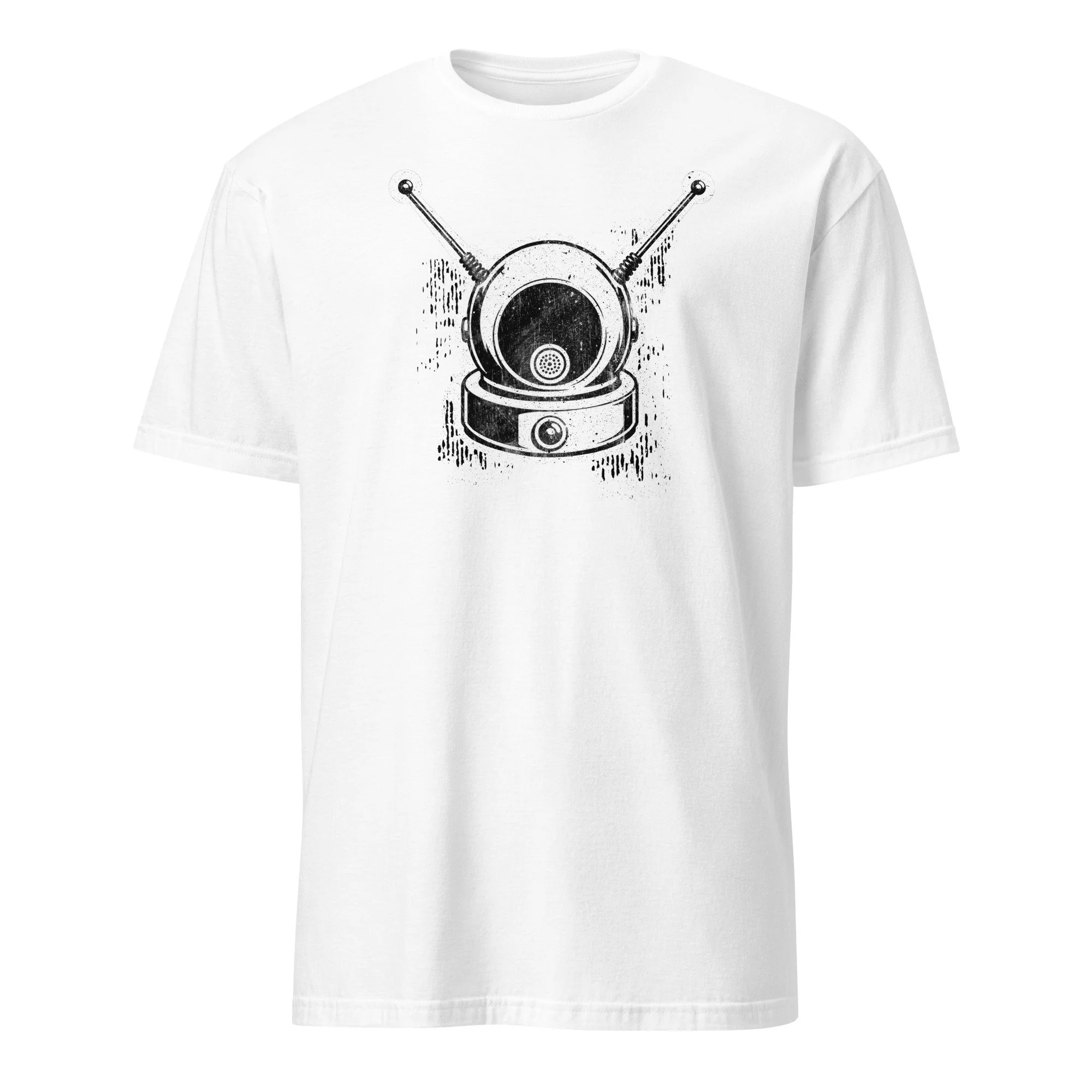
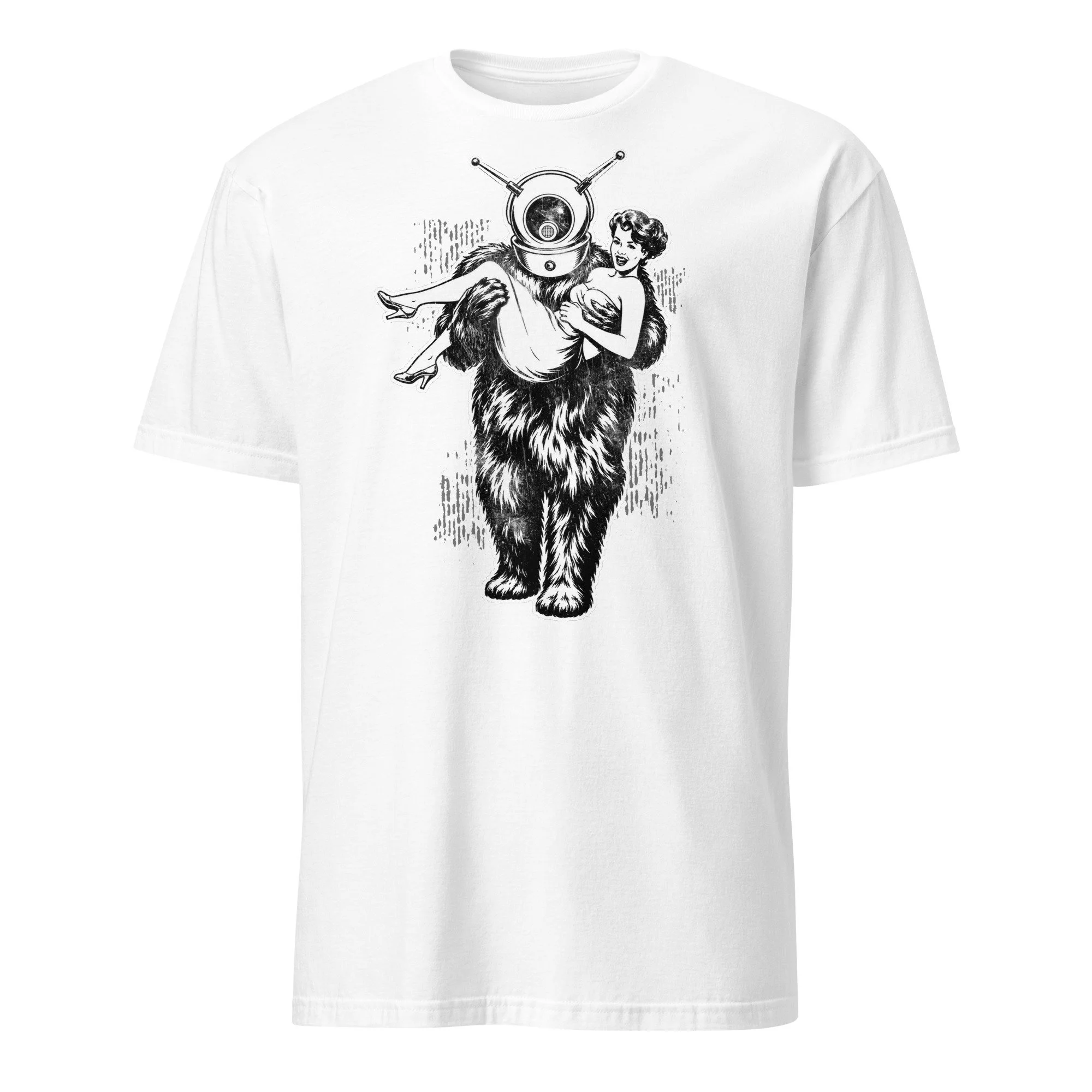
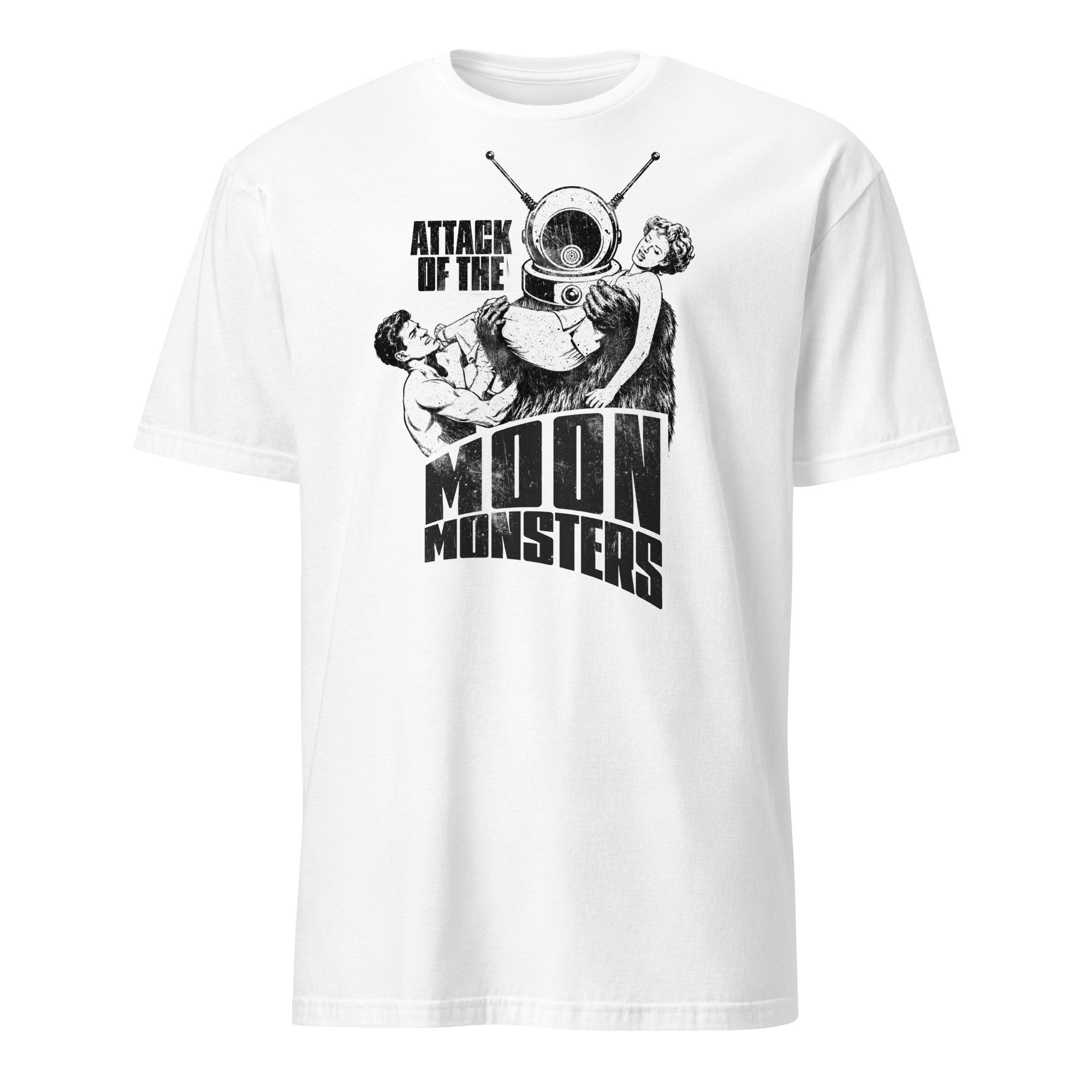
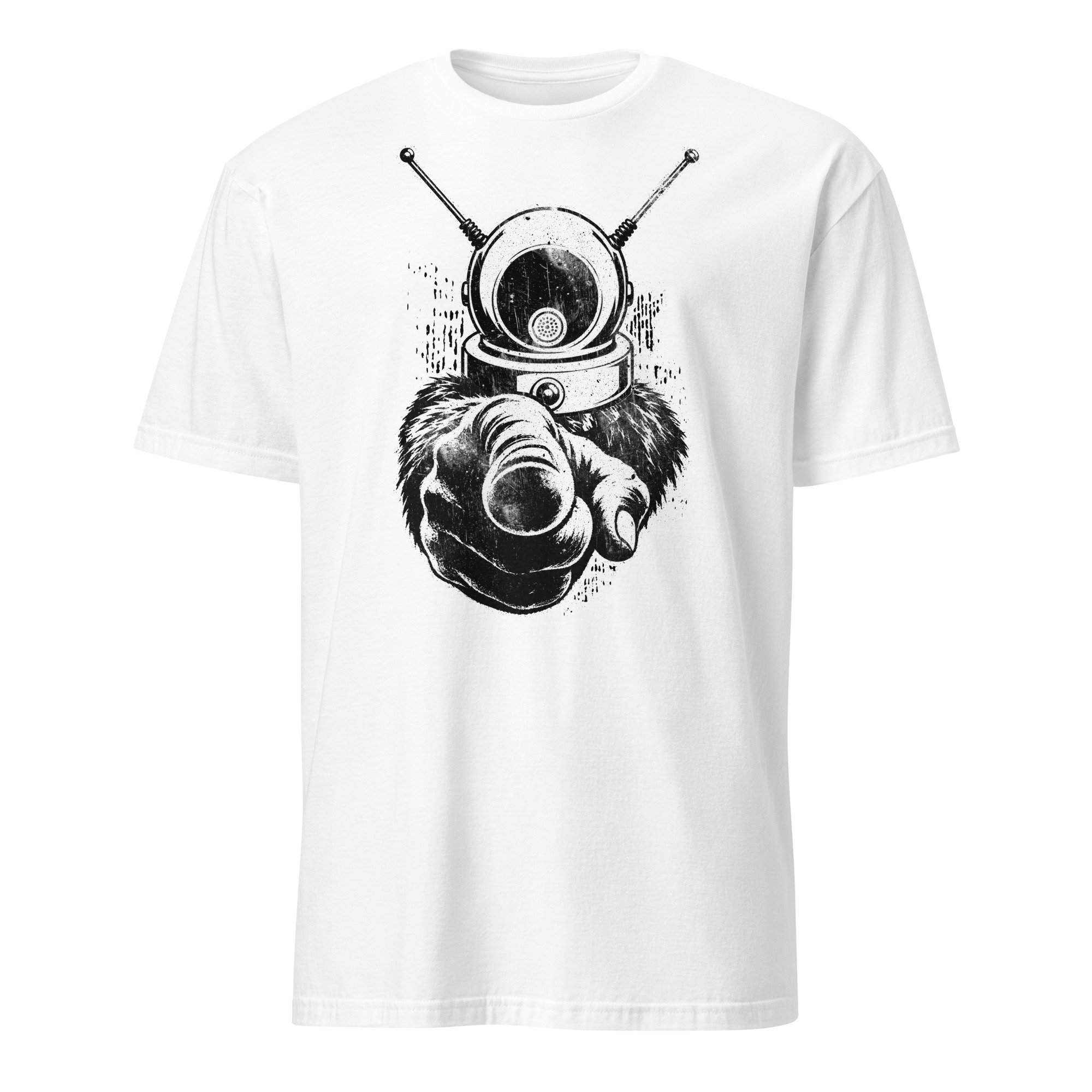

This is why the lone, frantic hero appears so often in these stories. They are not only fighting aliens. They are fighting consensus. They are the one person shouting that something is wrong while the world says, “No, actually, everything is better now.”
That may be the purest nightmare in all of paranoid sci-fi. Not that no one can save you. That no one believes there is anything to be saved from.
Why This Still Feels Uncomfortably Current
The 1950s version of conformity had its own details: suburbs, Cold War loyalty, corporate hierarchies, strict gender roles, and anti-communist suspicion. But the fear has not aged out.
We still live with pressure to become acceptable. We still live with systems that reward sameness. We still live with branding, algorithms, office cultures, political tribes, social scripts, and public performances of identity. We still know what it feels like when everyone starts using the same language, chasing the same approval, fearing the same rejection, and calling it freedom.
That is why pod people never really go away. Every era gets its own version.
The 1950s had alien duplicates in small towns. Later decades had corporate drones, media zombies, algorithmic personalities, influencer sameness, and digital mobs. Different costume. Same dread.
The fear is not that we will be invaded by something completely foreign. The fear is that we will slowly agree to become less ourselves. And the scariest part? It might feel like relief at first.
Conclusion: The Alien Was Normalcy
1950s sci-fi is full of wonderful external threats: saucers, monsters, radiation, robots, mutants, and invaders from distant worlds. But some of its sharpest nightmares were not about becoming alien. They were about becoming normal. Too normal. Perfectly normal.
Normal enough to stop feeling. Normal enough to stop questioning. Normal enough to let the group decide who you are. Normal enough to mistake obedience for peace.
That is what makes the conformity stories so powerful. They do not only ask, “What if aliens came to Earth?” They ask, “What if the world we built was already preparing us for the pods?”
The scariest thing in some 1950s sci-fi was not the loss of civilization. It was civilization working exactly as designed. The pods were not from space. They were from suburbia.
FAQ
-
Because the 1950s were shaped by intense pressure to fit in politically, socially, professionally, and domestically. Sci-fi turned that pressure into stories about pods, brainwashing, alien control, and mass obedience.
-
It can be read as both. The pod people can symbolize fear of communist collectivism, but they can also represent American conformity, suburban sameness, anti-communist pressure, and the loss of individuality.
-
Suburbia promised safety and normalcy, but it also created pressure to behave, look, and live a certain way. That makes it a perfect setting for stories where the real horror is everyone becoming the same.
-
Sometimes yes, sometimes indirectly, and sometimes probably by accident. But even when the films were built as entertainment, they absorbed the fears of the culture around them — conformity, suspicion, gender roles, corporate sameness, and Cold War anxiety.
-
They are scary because they look human but lack the emotional messiness that makes people human. They represent a world where individuality has been replaced by calm obedience.


Transform your space with otherworldly charm and imagination—explore our captivating canvas wall art.
Any picture frames shown in the thumbnails are not included
Mounted Stretched Canvas on Wood Frame
Canvas is Acid-free, PH-neutral, poly-cotton base
20.5 mil (0.5 mm) thick canvas
Canvas fabric weight: 13.9 oz/yd² (470 g/m²)
Printed on textured and fade-resistant canvas (OBA-Free)
Mounting brackets included
Hand-glued solid wood stretcher bars
1.5″ (3.81 cm) deep