
The Red Scare in a Flying Saucer
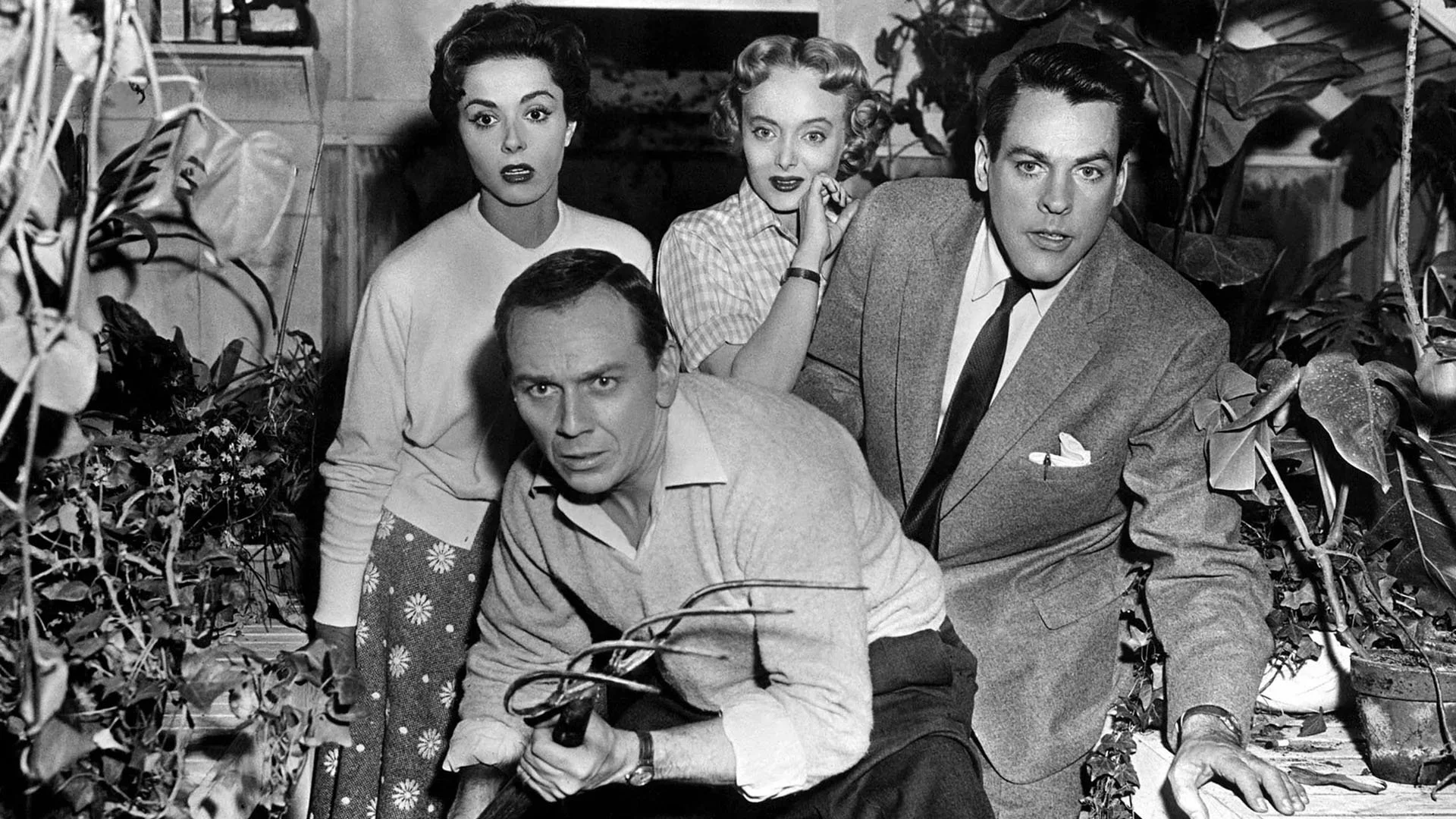
The scariest alien in 1950s sci-fi was not always the one with tentacles.
Sometimes it wore a suit. Sometimes it lived next door. Sometimes it smiled too politely at the grocery store and insisted everything was perfectly normal.
In the 1950s, alien invasion movies were not just about visitors from space. They were about Cold War paranoia, loyalty tests, conformity, communist infiltration, nuclear dread, and the horrible possibility that the enemy might already be here — hiding in plain sight.
Invasion movies were not just about aliens. They were about who still felt human.
-
1950s alien invasion films often reflected Cold War fears about communism, infiltration, and nuclear catastrophe.
Movies like Invasion of the Body Snatchers turned the neighbor, spouse, or small-town citizen into a source of suspicion.
The alien threat was often less about outer space and more about conformity, lost individuality, and social control.
These films worked because they made paranoia personal: the invasion did not just attack America — it moved in next door.
The Alien Was Already Inside the House
The classic 1950s alien invasion movie did not always need a giant spaceship hovering over Washington. Sometimes all it needed was a familiar face acting slightly wrong.
That is the true chill of the Red Scare sci-fi film. The alien threat was not always loud, slimy, or obviously monstrous. It could be quiet. Polite. Organized. Unemotional. It could look like your neighbor, your teacher, your doctor, your husband, your wife, your best friend.
That was the nightmare.
The 1950s were soaked in suspicion. The Cold War was not just a geopolitical standoff between the United States and the Soviet Union. It became a mood. A pressure system. A way of looking at the world. Who was loyal? Who was pretending? Who had been influenced? Who was “one of them”? Science fiction films of the decade often merged fear of communist takeover with fear of annihilation, especially through stories of invasion from outside forces.
So the genre did what it does beautifully: it turned political fear into pulp imagery. Flying saucers. Mind control. Alien doubles. Secret takeovers.
Normal people who suddenly seemed hollowed out from the inside. The monster was no longer just at the edge of town. The monster had a house key.
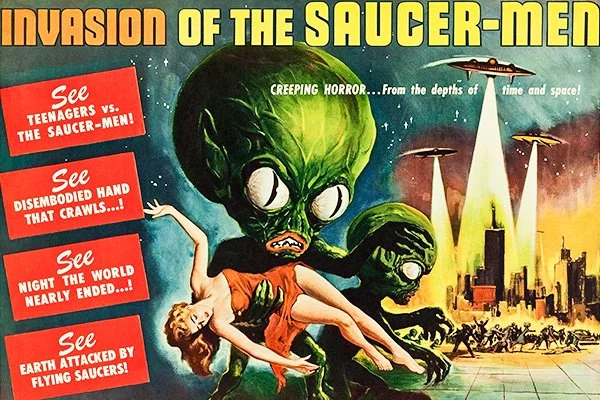
The saucers came from the sky, but the fear was already sitting at the dinner table.



Why Flying Saucers Felt Like Politics
The flying saucer is one of the great images of mid-century sci-fi.
It is sleek, strange, simple, and instantly readable. A circle in the sky. A hovering question mark. A machine from somewhere else, looking down on us with unknown intentions. But in 1950s invasion films, the saucer often carried more than aliens. It carried ideology.
That is what makes these movies so interesting. The alien invader often behaves less like a creature and more like a political system. It wants obedience. It wants sameness. It wants submission. It wants humanity reorganized under a cold, collective logic.
That is why alien invasion stories became such a useful Cold War metaphor. The enemy was outside, but also possibly inside. Foreign, but also familiar. Vast and organized, but also hidden in individual communities. The “invasion” could be military, psychological, biological, or social.
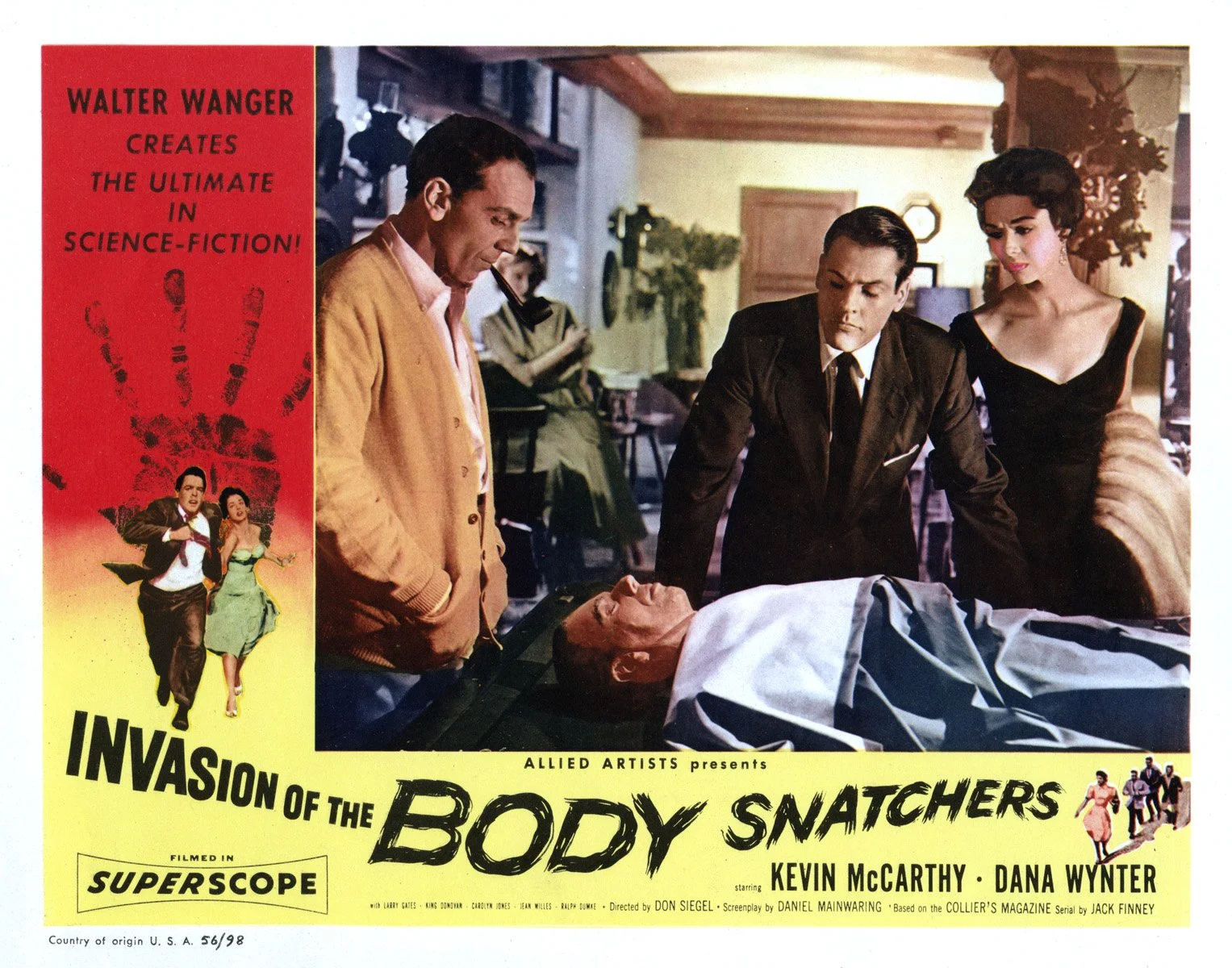
The flying saucer was the poster image. The real subject was trust.
Who do you believe when everyone sounds convincing? What do you do when the people around you insist there is no danger? How do you prove something has changed when the change looks almost normal?
1950s sci-fi knew that paranoia becomes more frightening when it has nowhere obvious to point.
Body Snatchers Made the Neighborhood Terrifying
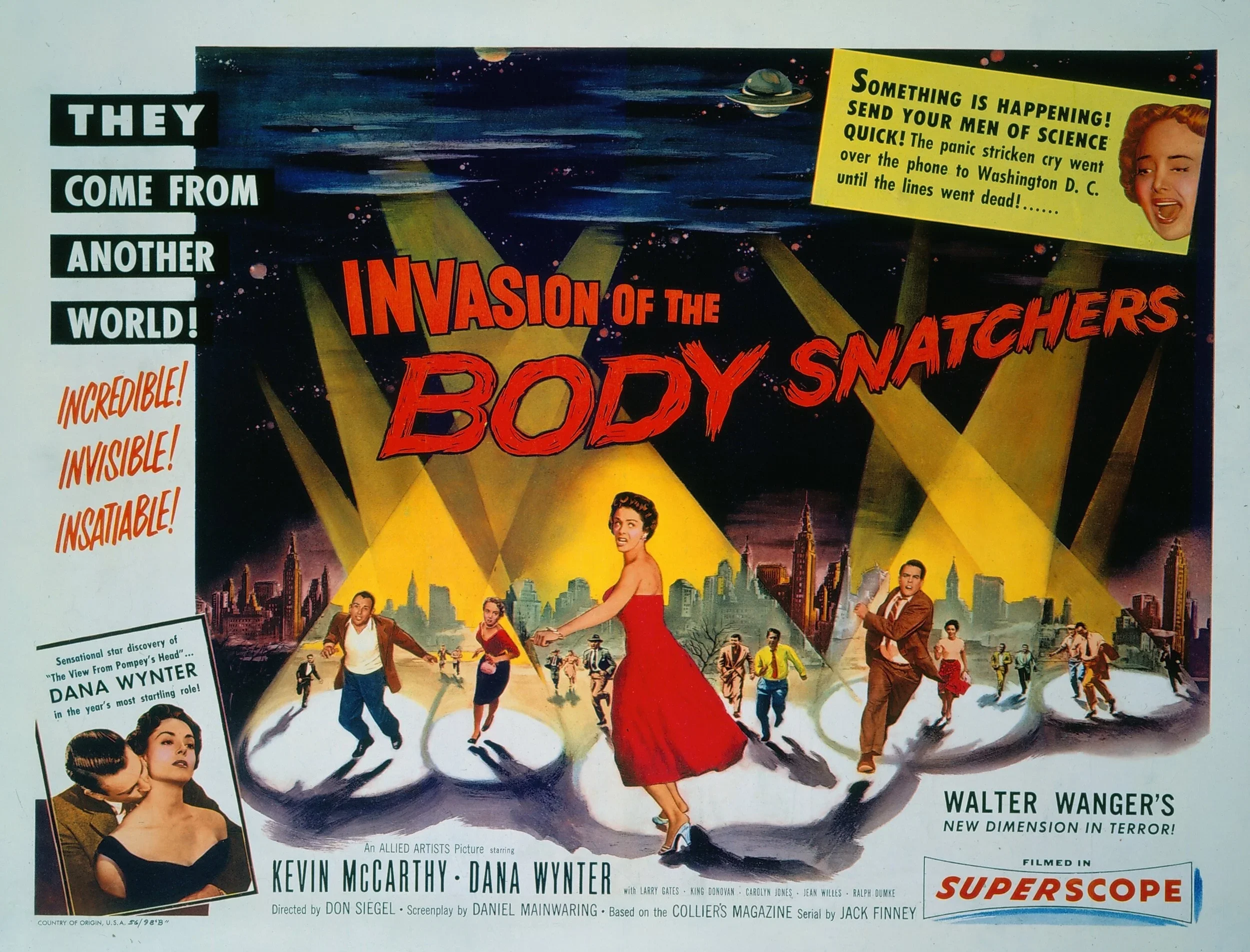
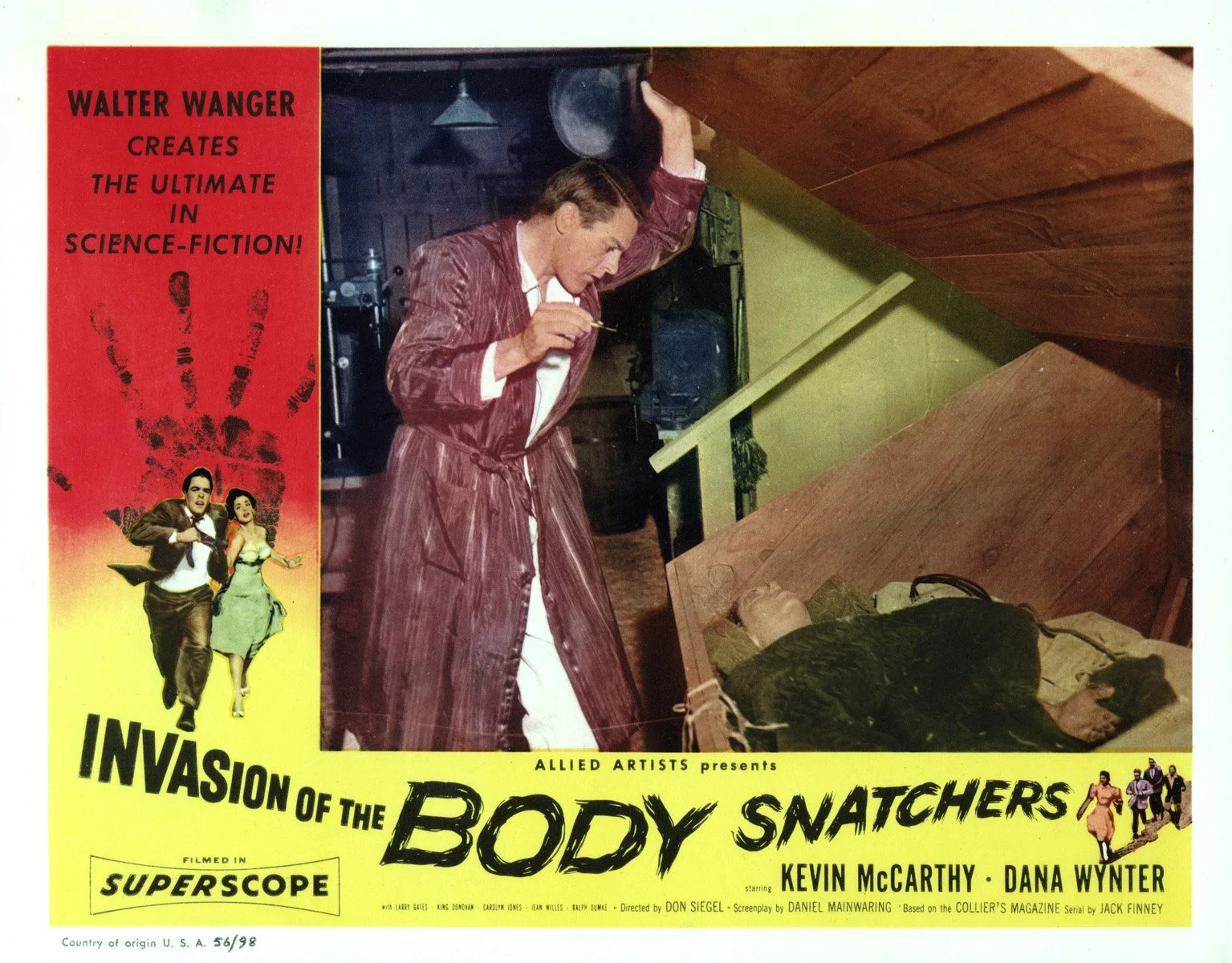
If one movie owns the “they look just like us” nightmare, it is Invasion of the Body Snatchers.
Released in 1956 and based on Jack Finney’s story The Body Snatchers, the film takes place in the fictional California town of Santa Mira, where people are gradually replaced by emotionless alien duplicates grown from pods. The British Film Institute notes that the story has been repeatedly adapted because it can reflect different fears in different eras, from Cold War anxiety and communism to conformity, dehumanization, disease, and political corruption.
That flexibility is the whole point.
The pod people can mean communism. They can mean conformity. They can mean suburban sameness. They can mean McCarthy-era suspicion. They can mean the fear of losing your soul to the crowd. The movie is powerful because it never pins the metaphor down so tightly that it stops breathing.
The setup is terrifyingly simple: your loved ones still look like your loved ones, but something essential is gone. No emotion. No individuality. No messy human spark. Just calm, efficient, collective certainty.
That is much scarier than a bug-eyed monster bursting through the window. A bug-eyed monster is at least honest about being a problem. The pod person tells you to relax and that you are overreacting. The pod person says everything will be better if you stop fighting.
That is the horror. Not death. Replacement.
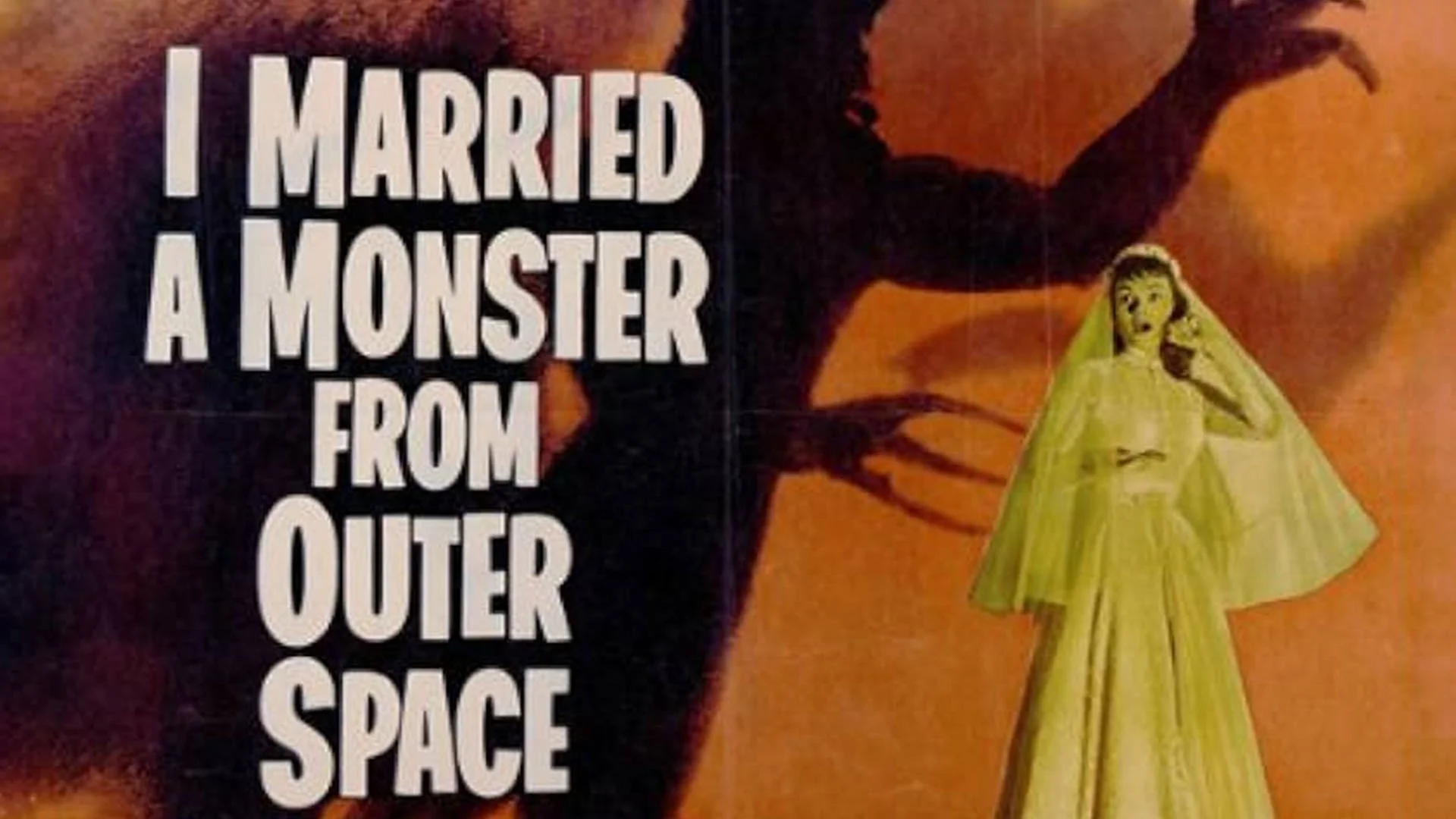
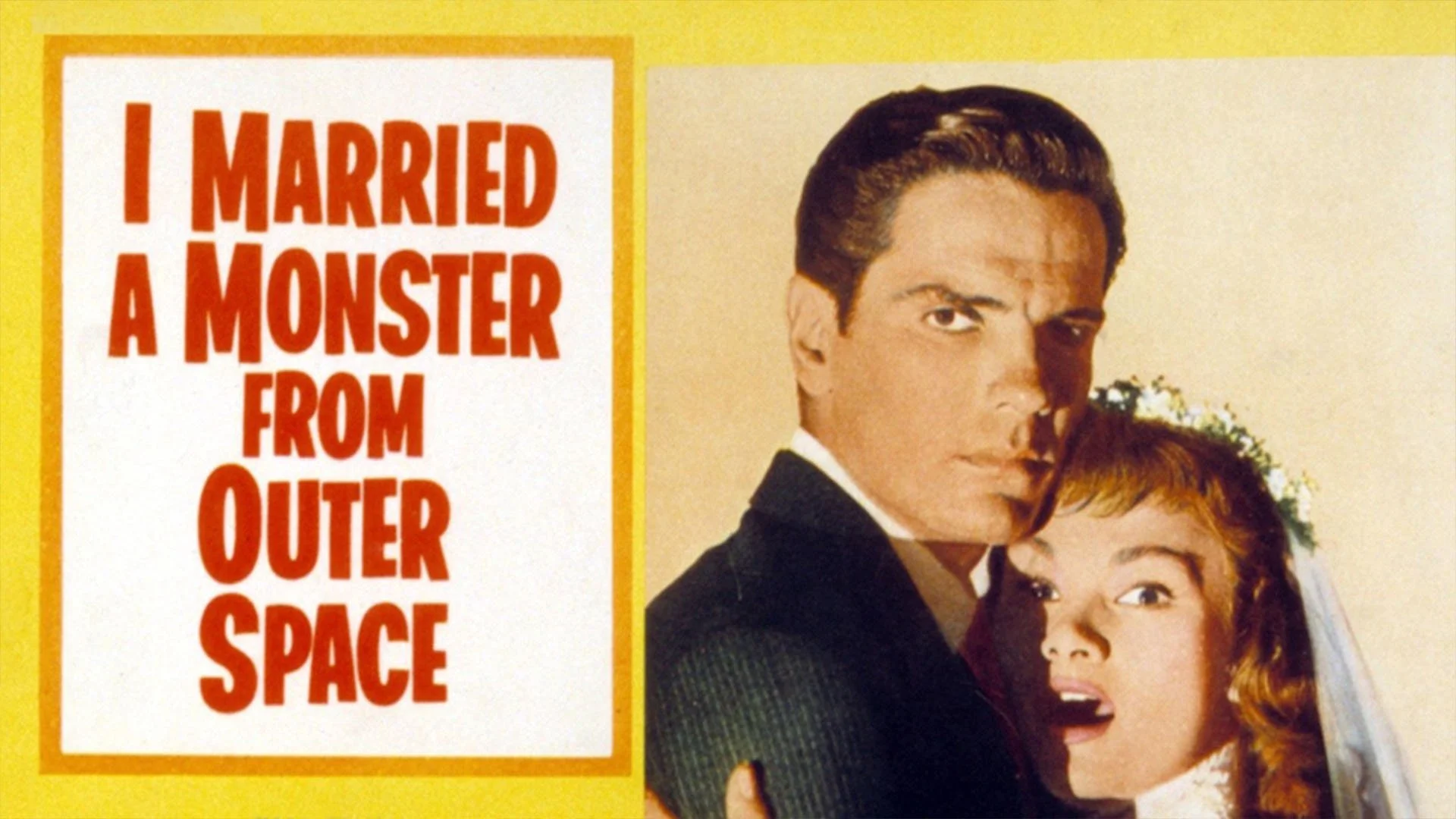
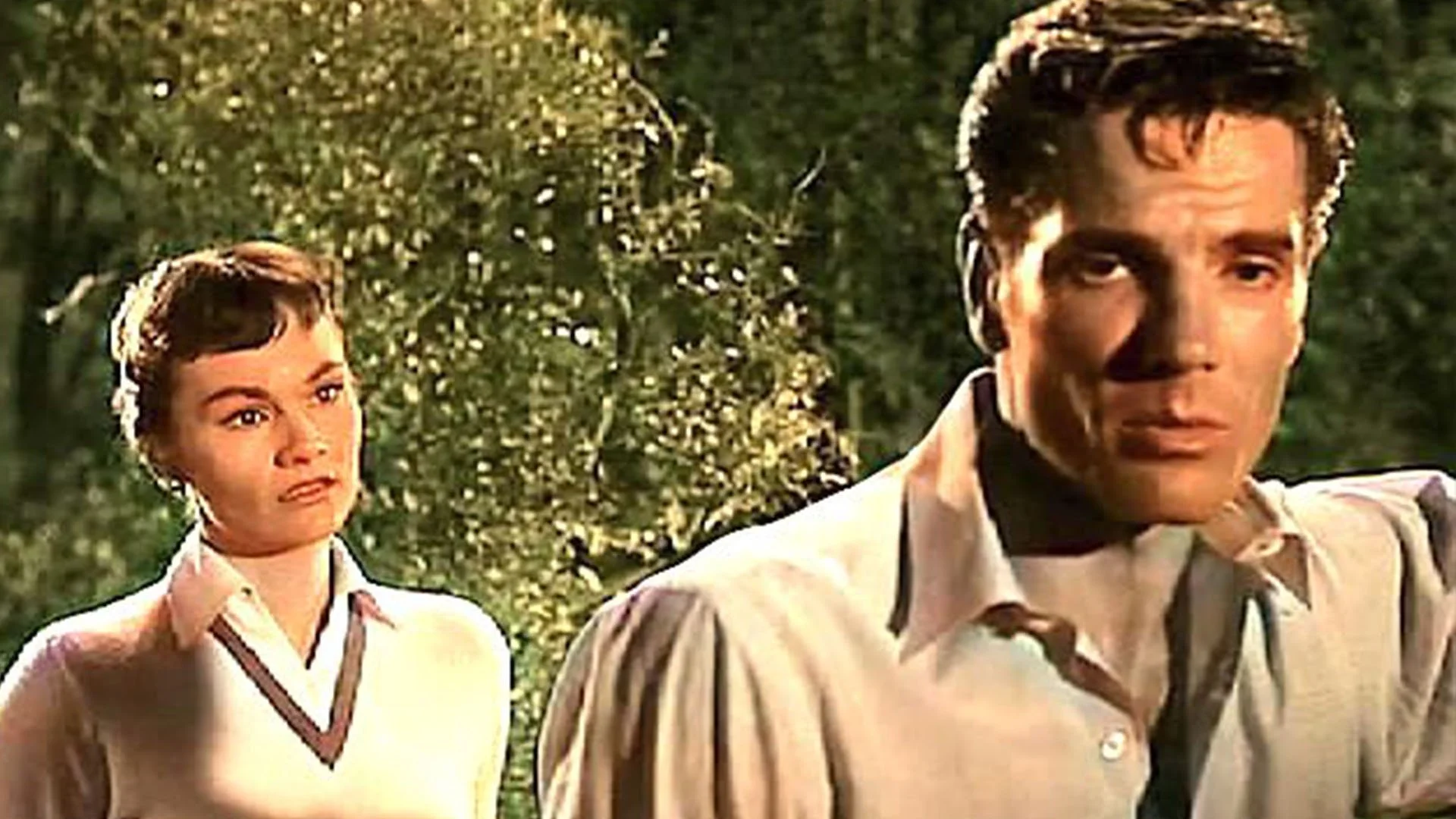
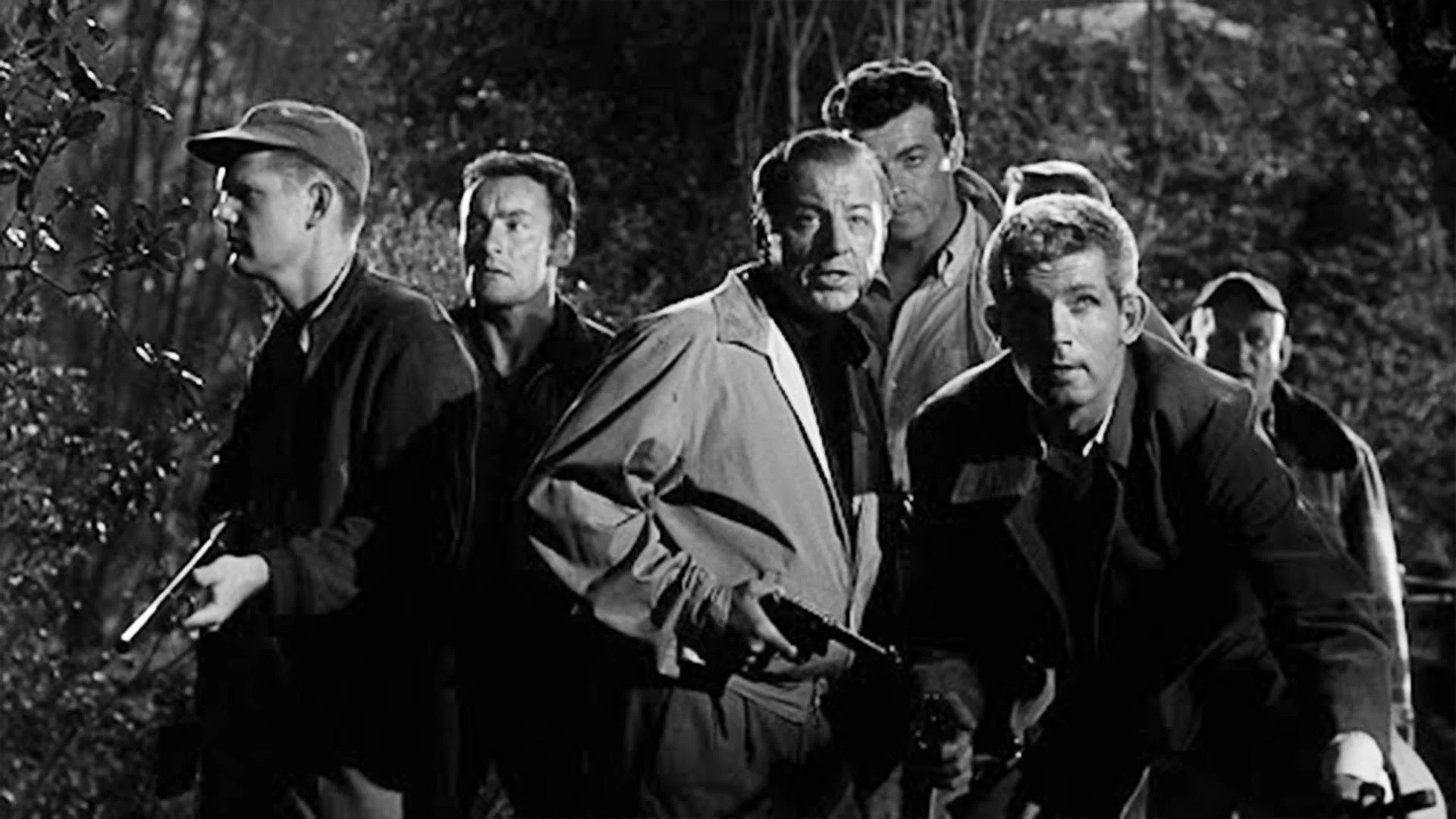
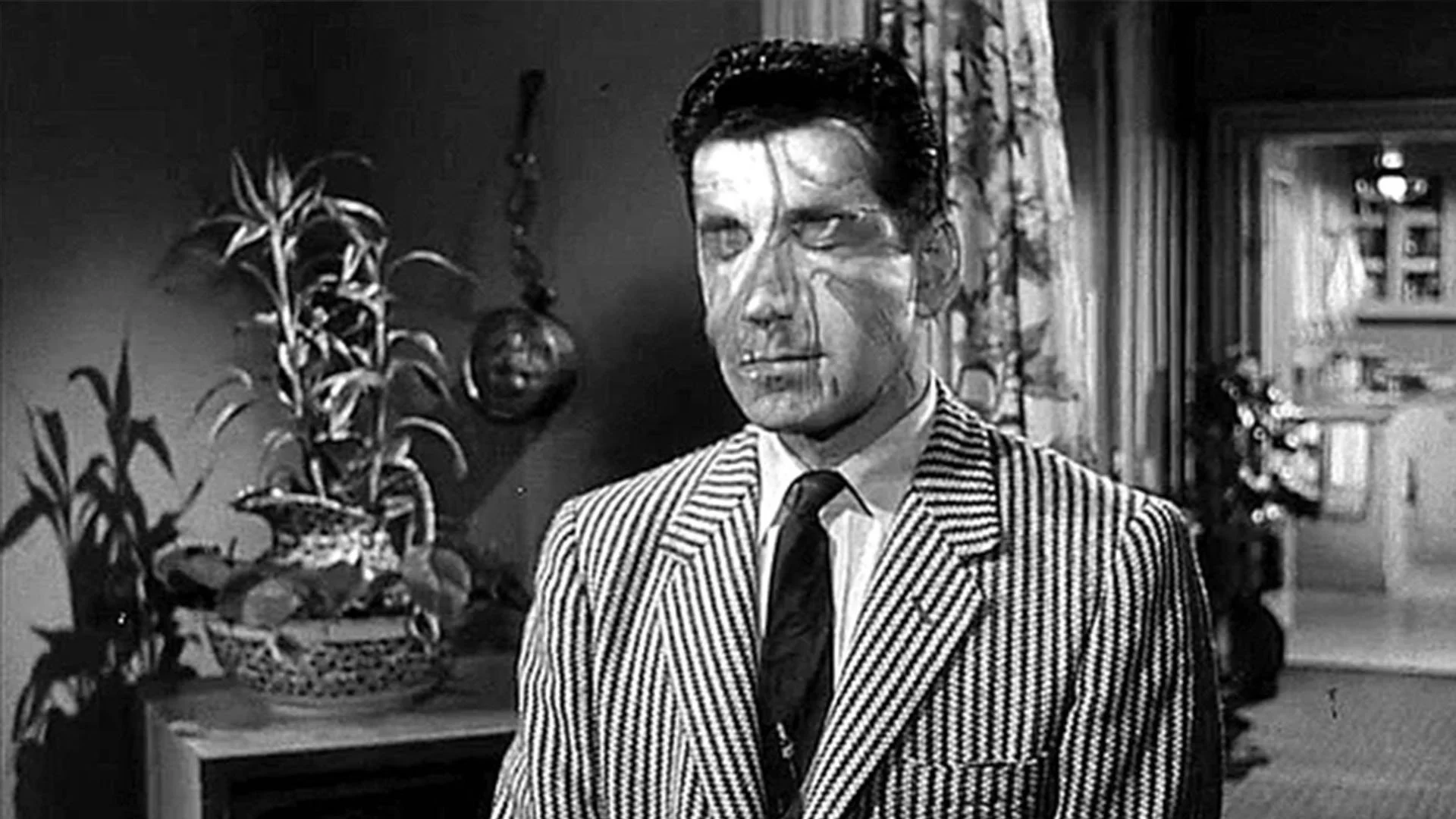
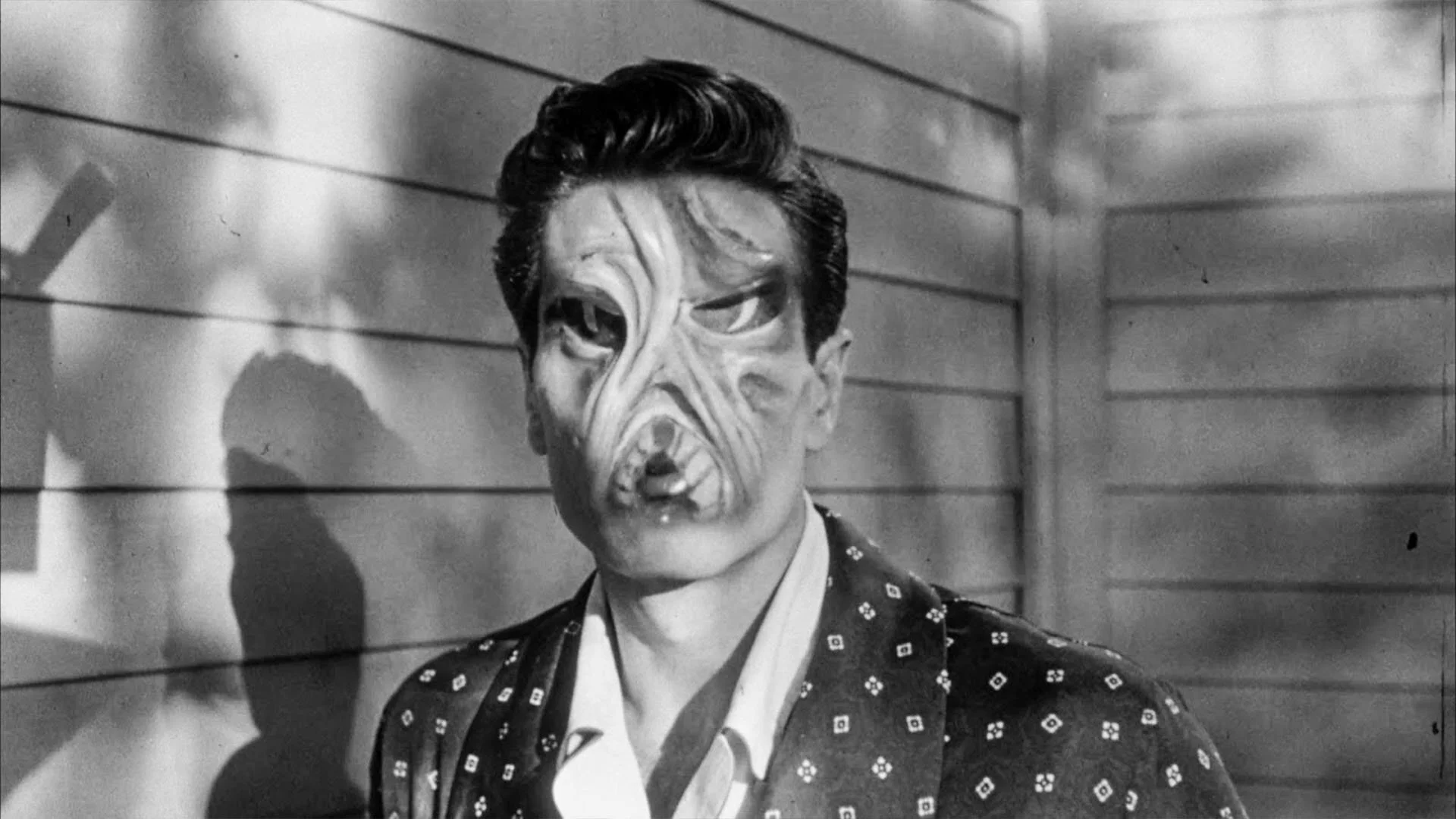
The most frightening alien in 1950s sci-fi was the one who remembered your name.
Conformity Was Its Own Kind of Invasion
The Red Scare was not only about foreign enemies.
It was also about pressure at home. Pressure to conform. Pressure to perform loyalty. Pressure to be normal in a very specific, very narrow, very polished 1950s way. Smile right. Speak right. Believe the right things. Do not stand out too much. Do not ask the wrong questions.
That is why Invasion of the Body Snatchers still feels so sharp. The pod people are frightening because they are not chaotic. They are orderly. They are calm. They are functional. They have solved anxiety by removing personality.
Which, in its own weird way, sounds like a sales pitch for the most horrifying suburban development ever built. “Welcome to Santa Mira. Lawns maintained. Emotions eliminated.”
This is where the alien invasion movie becomes more than Cold War propaganda. It becomes a nightmare about identity. What makes you human? Is it your face? Your memories? Your job? Your place in the community? Or is it the messy, inconvenient, emotional, stubborn part of you that refuses to be absorbed?
The 1950s invasion film often says: beware any future that promises peace by removing the human part of being human.
That is not just anti-communist anxiety. That is a broader fear of systems — political, social, technological, corporate, whatever — that value obedience over individuality. The pods are from space. The conformity is homegrown.
Mind Control Made Paranoia Personal
Mind control is one of those 1950s sci-fi ideas that sounds pulpy until you remember the cultural mood around it.
The fear was not simply that aliens might kill us. It was that they might convert us. Rewire us. Influence us. Make us betray ourselves and call it progress. Cold War culture was full of anxiety about hidden persuasion, secret agents, ideological contamination, and psychological warfare. Alien mind control gave those fears a visual form.
That is why these stories often feel so intimate. A raygun can destroy a building. Mind control destroys certainty.






Once a movie introduces the possibility that people can be taken over, every conversation becomes suspicious. Every pause matters. Every blank stare becomes evidence. The hero is no longer just fighting aliens. The hero is trying to determine whether reality itself can still be trusted.
That is a very different flavor of sci-fi fear. It is not “run from the monster.” It is “what if the person telling you to run is already one of them?”
That kind of paranoia is incredibly durable. It survives long after the specific politics of the 1950s. We still understand the fear of being manipulated. We still understand the fear of losing control. We still understand the horror of watching people repeat the same language, the same slogans, the same empty assurances, as if something human has been quietly switched off.
The alien invasion film simply gave that fear a saucer-shaped delivery system.
The Day the Earth Stood Still Took a Different Route
Not every 1950s alien arrival was pure invasion panic.
The Day the Earth Stood Still, released in 1951, is a useful counterweight because its alien visitor, Klaatu, is not trying to conquer Earth in the usual bug-eyed way. The film is deeply tied to Cold War fears, especially nuclear danger and humanity’s self-destructive behavior, but it flips the invasion formula. The alien is not the irrational threat. Humanity is. The warning comes from outside because the danger is already here.
That matters because 1950s sci-fi was not one-note. The decade gave us hostile invaders, peaceful warnings, paranoid takeovers, military responses, moral lectures, and cosmic ultimatums. Sometimes aliens represented communism. Sometimes they represented judgment. Sometimes they represented the terrifying possibility that Earth looked like a violent mess to anyone watching from a safe distance.
And honestly, fair.
This is what makes Cold War sci-fi richer than people sometimes give it credit for. It was not always just “America good, aliens bad.” The best films were more anxious than that. They asked whether humanity could survive its own weapons, whether institutions deserved trust, whether conformity was safety or surrender, and whether the enemy was truly outside the gates.
The Thing Was the Outside Threat Made Flesh
Then there is The Thing from Another World, released in 1951.
This one leans more toward the alien-as-external-threat model: a dangerous creature discovered in the Arctic, scientists and military personnel trapped in an isolated location, and a creeping sense that the unknown is not here to negotiate politely. It is not a pod-person film, but it belongs in the same Cold War atmosphere: remote frontiers, military urgency, scientific uncertainty, and the fear that something hostile has entered the human world from beyond.
The famous final warning — keep watching the skies — could practically serve as the decade’s unofficial sci-fi slogan. It captures the mood perfectly. Look up. Stay alert. The threat may come from beyond.
But in the larger 1950s invasion cycle, “watching the skies” was only half the job. You also had to watch the dinner table. The workplace. The neighborhood association. The people who suddenly seemed a little too calm.
That is the fascinating split in these movies. Sometimes the alien is a monster out there. Sometimes the alien is a person right here. Both versions are Cold War nightmares. One says the enemy is coming. The other says the enemy has already arrived.









Why “They Look Just Like Us” Still Works
The imitation story never really goes away.
That is because it touches something deeper than Cold War politics. The fear of the double is ancient. The fake friend. The changeling. The possessed body. The loved one who looks familiar but feels wrong. 1950s sci-fi updated that old nightmare with modern anxiety: ideology, invasion, psychology, social pressure, and mass conformity.
The result is one of the most powerful ideas in all of science fiction: What if the enemy does not destroy your world? What if it replaces it so gradually that everyone calls you crazy for noticing?
That is why these films still have teeth. We no longer live in the exact same Cold War moment, but we absolutely understand suspicion. We understand propaganda. We understand echo chambers. We understand social pressure. We understand the fear that people can be swallowed by systems and come back speaking in perfect, empty sentences.
That is the genius of the 1950s invasion film. The saucer is fun. The paranoia is the point.
Invasion movies were not just about aliens. They were about who still felt human.
-
It Came from Outer Space — 1953
Aliens land in the desert and begin impersonating local townspeople. The twist is that the aliens are not necessarily evil; they are stranded and trying to repair their ship. But the movie still plays with the fear that someone familiar may not really be “them” anymore.
I Married a Monster from Outer Space — 1958
A woman begins to suspect that her new husband has changed after their wedding. He looks the same, but something is emotionally and physically wrong. This is one of the strongest “your loved one is secretly an alien” films of the era, and it has obvious anxieties about marriage, gender, masculinity, and suburban domestic life.
Invaders from Mars — 1953
A boy sees a flying saucer land near his home, and soon adults around him begin acting strangely, including his own parents. They are not exactly alien duplicates in the Body Snatchers sense, but they are humans under alien control, which creates the same nightmare: the people meant to protect you can no longer be trusted.
The Brain Eaters — 1958
Alien parasites attach themselves to people and control their minds. Again, not perfect physical replacement, but very much in the same “normal people are being taken over from within” tradition.
The Man from Planet X — 1951
This one is less of a direct Body Snatchers match, but it has the eerie “alien presence among ordinary people” feeling. The alien is not disguised as human, but the film deals with contact, manipulation, and the fear of something unknown quietly entering human society.
The 27th Day — 1957
Aliens give five humans the power to destroy entire populations, using people themselves as the delivery system for global threat. It is not an impersonation movie, but it belongs in the same paranoia family: the danger comes through ordinary humans, not giant monsters.
The Cosmic Man — 1959
A mysterious alien visitor appears in human-like form. It is more philosophical and restrained than terrifying, but it reflects the 1950s fascination with aliens who are not bug-eyed monsters, but strange, intelligent beings moving through human spaces.
Teenagers from Outer Space — 1959
The aliens are humanoid and can pass among humans, though the film is much more low-budget and pulpy. It is not as psychologically sharp as Body Snatchers, but it belongs to that “they look like us” branch of 1950s sci-fi.
The Red Scare Made Sci-Fi Nervous
The Red Scare gave 1950s sci-fi its twitch.
It created an atmosphere where the ordinary world could not be fully trusted. Your town might be infiltrated. Your neighbor might be compromised. Your institutions might be unprepared. Your family might not believe you until it was too late.
That is why so many of these movies move with such strange energy. They are not just adventure stories. They are suspicion machines.
A man runs through traffic shouting a warning. A woman realizes her uncle is no longer her uncle. A doctor tries to convince authorities that something impossible is happening. A town calmly continues its routines while the soul drains out of it. The terrifying thing is not that no one sees the threat. The terrifying thing is that some people do see it — and are ignored.
That may be the most 1950s feeling of all: screaming about danger in a world that wants everything to look normal.
Conclusion: The Saucer Was Only the Delivery System
The best 1950s alien invasion films were never only about aliens.
They were about trust. Loyalty. Fear. Conformity. Suspicion. The dread that your own community could become unfamiliar overnight. The nightmare that the enemy might not kick down the door because the enemy already had a key. That is why these movies still work.
In 1950s sci-fi, the flying saucer was not just a vehicle. It was a warning.
The special effects may be dated. The pacing may be stiff. The men may wear hats with alarming seriousness. But the emotional machinery still hums. We know what it feels like to wonder who is telling the truth. We know what it feels like to watch people repeat ideas that do not sound like their own. We know what it feels like when public life becomes a little too polished, a little too scripted, a little too calm.
Sometimes the alien threat looked suspiciously like your next-door neighbor. And sometimes the scariest sentence in the whole movie was not “They’re coming.” It was “They’re already here.”
FAQ
-
Often, yes — but not only that. Many reflected Cold War fears about communist infiltration, ideological control, loyalty, and conformity. But the best ones also work more broadly as stories about identity, paranoia, and the fear of losing individuality.
-
Because it is one of the clearest “they look just like us” nightmares. Its pod people can be read as communists, conformists, suburban zombies, political extremists, or any force that replaces messy humanity with calm obedience.
-
It refers to science fiction shaped by the fear of communism, Soviet influence, espionage, nuclear war, and ideological takeover during the Cold War, especially during the late 1940s and 1950s.
-
No. Some leaned that way, but others were more complicated. The Day the Earth Stood Still, for example, is less about communist infiltration and more about humanity being judged for its violence and nuclear recklessness.

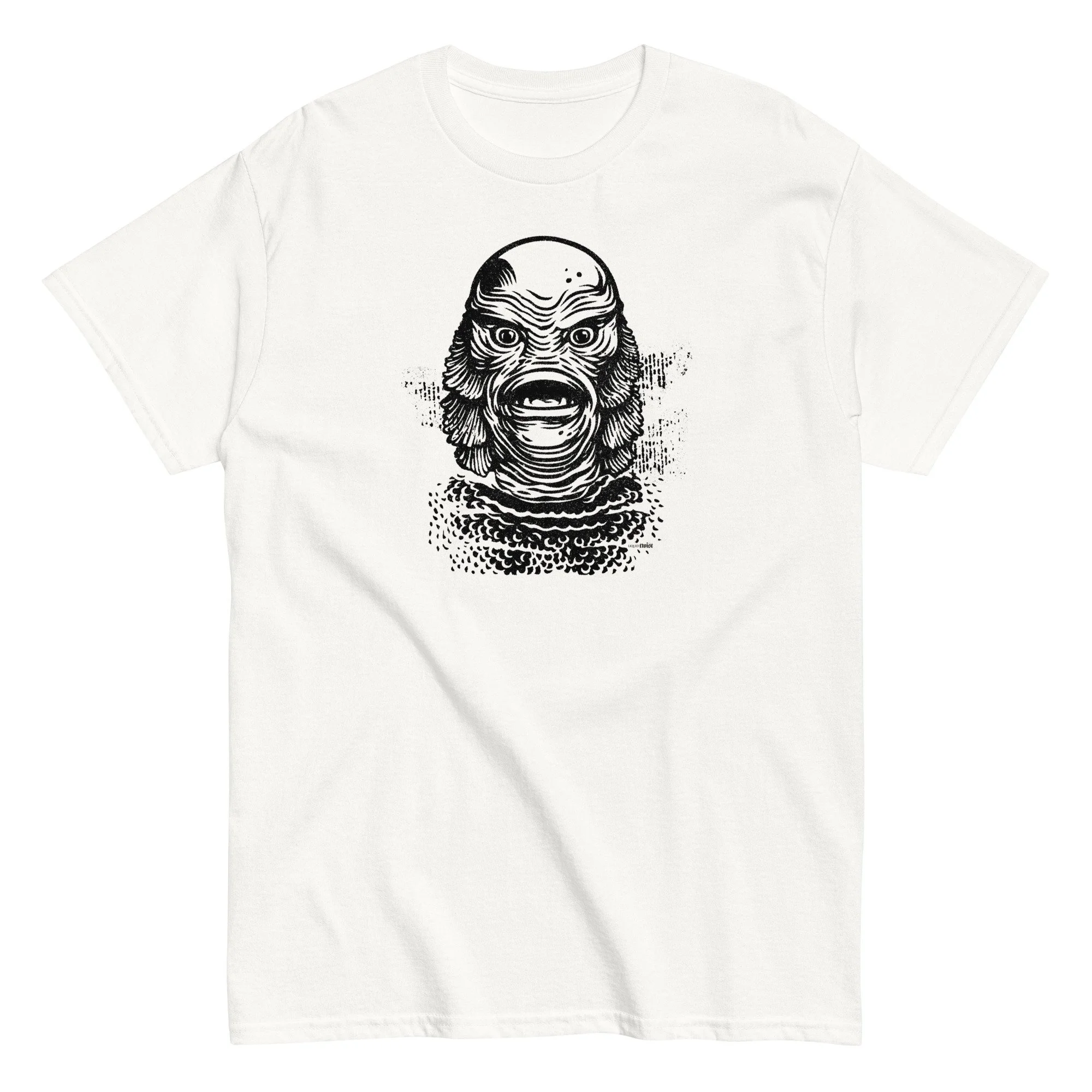
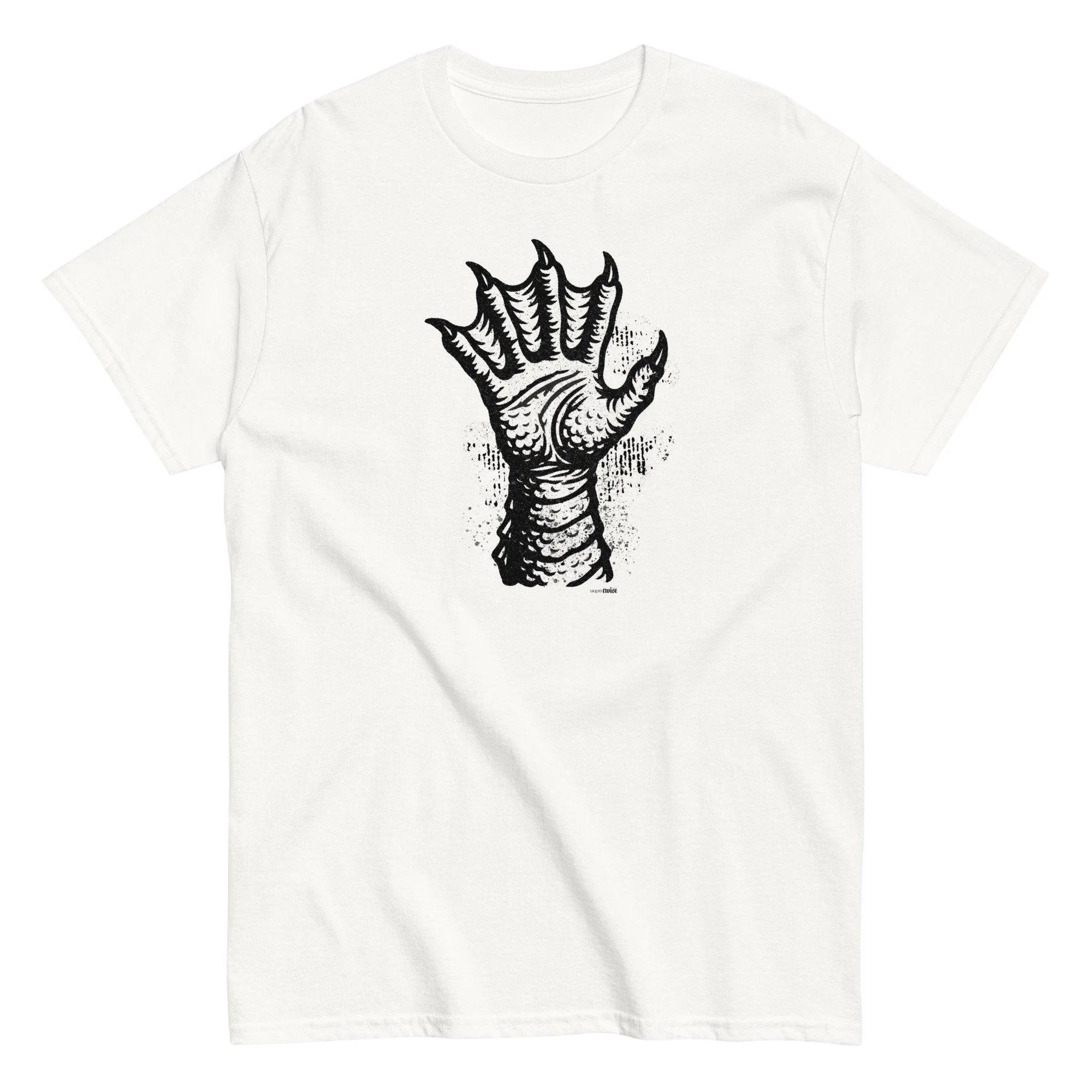
Ready, aim, relax. This 100% cotton men’s classic tee keeps its form and delivers comfort even under alien attack. Sharp enough for space duels, soft enough for Saturday marathons.
The Gildan 5000 is a Heavy Cotton™ T-shirt
• Fit: Men's Classic Crew Neck Tee
• 100% cotton, preshrunk to reduce shrinkage
• Taped neck and shoulders
• Seven-eighths-inch seamless collar
• Double seam at sleeves and bottom hem
• Tear-away Label
This product is made especially for you as soon as you place an order, which is why it takes us a bit longer to deliver it to you. Making products on demand instead of in bulk helps reduce overproduction, so thank you for making thoughtful purchasing decisions!