
When the Monster Was the Bomb
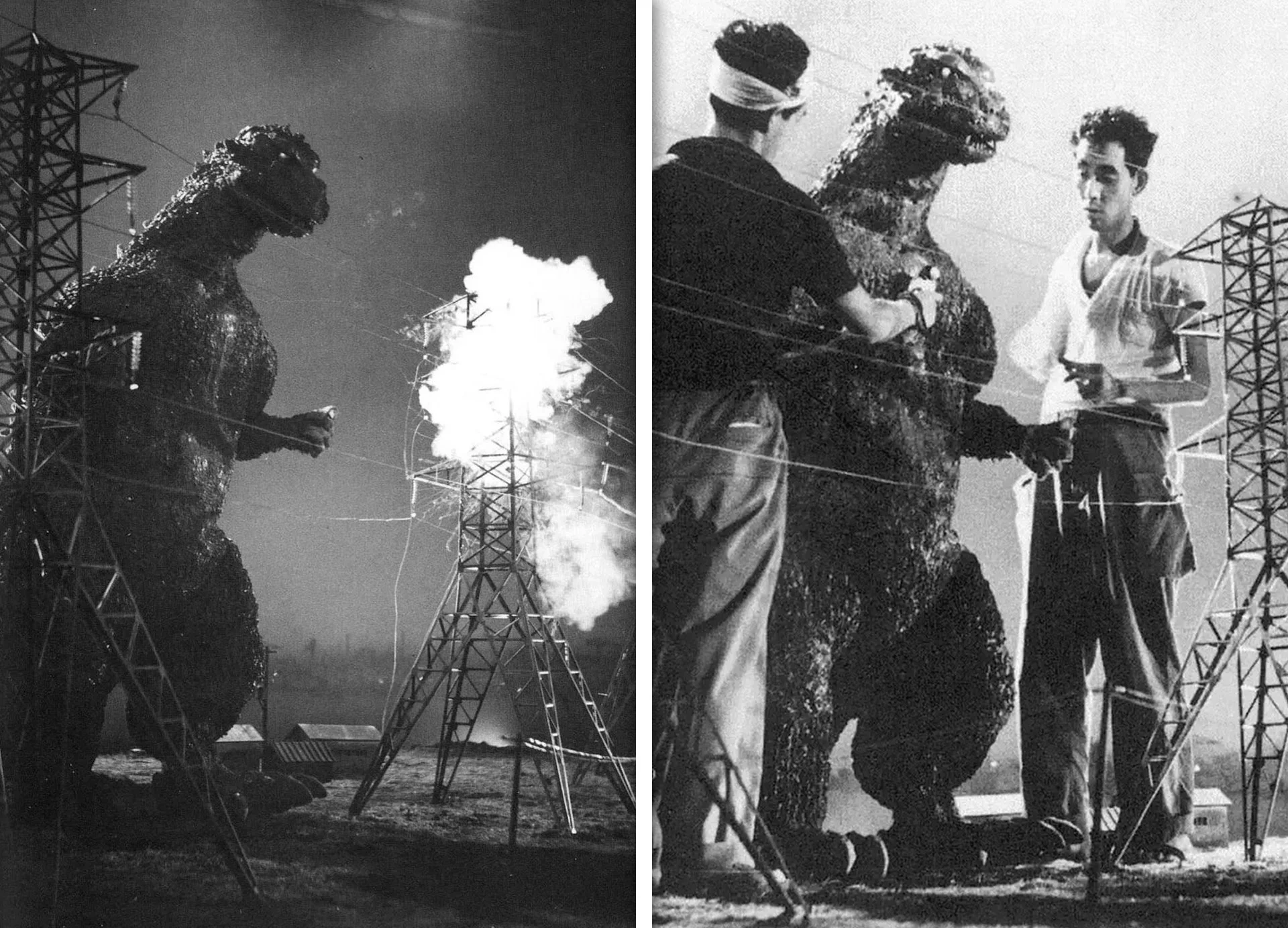
The creature feature was often a mushroom cloud with legs.
In 1950s sci-fi, radiation did not stay invisible for long. It grew teeth, claws, antennae, scales, and a serious attitude problem.
Movies like Them!, The Beast from 20,000 Fathoms, and Godzilla turned nuclear anxiety into something audiences could actually see — a giant ant in the desert, a prehistoric beast in the city, a radioactive titan rising from the sea. The bugs were big because the fear was bigger. Atomic testing, fallout, mutation, and genetic dread were too abstract to hold in your hand. So sci-fi did what sci-fi does best: it gave the nightmare a body.
-
1950s creature features often used monsters as symbols of nuclear fear.
Radiation became a storytelling shortcut for mutation, contamination, and scientific overreach.
Films like Them!, The Beast from 20,000 Fathoms, and Godzilla made atomic anxiety visible.
The monster was rarely just a monster — it was the consequence of humanity tampering with forces it could not control.
The Monster Was Easier to Look At Than the Bomb
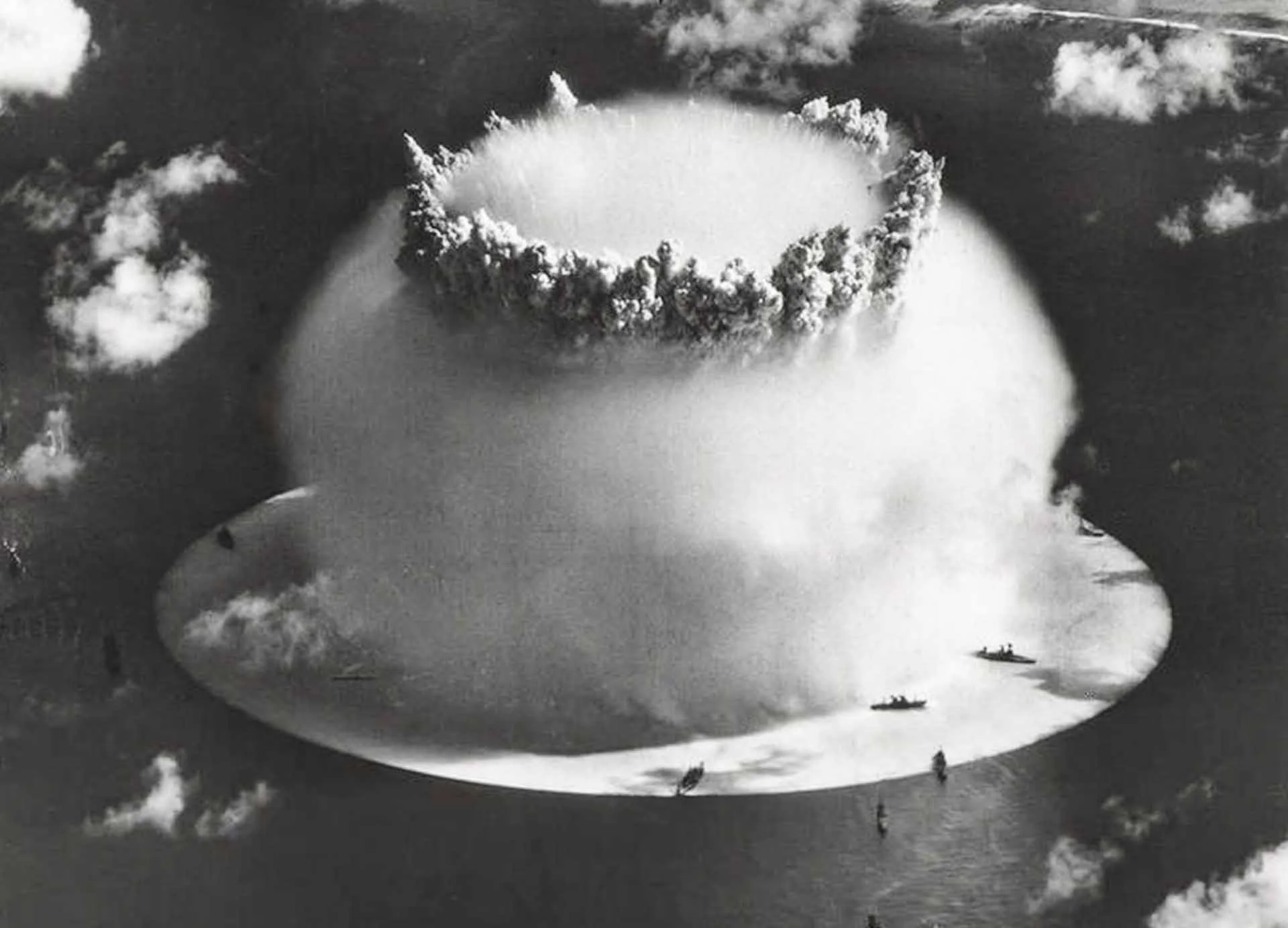
The creature feature was the mushroom cloud after it learned to walk.
The atomic bomb was almost too large to imagine.
Not physically, of course. Physically, it was machinery. Metal. Wiring. Engineering. A weapon designed by people in rooms with chalkboards and equations. But emotionally? Psychologically? Culturally? It was enormous.
How do you turn instant mass destruction into a Saturday matinee? You make it a monster.
That was one of the great moves of 1950s science fiction. The nuclear age had introduced a fear so huge, so abstract, and so horrifying that people needed a new visual language for it. You could not put “fallout anxiety” in a lobby poster and expect kids to buy popcorn. But you could put a giant ant on it. You could put a dinosaur smashing through New York. You could put Godzilla rising from the ocean like the sea itself had finally had enough.
The creature feature made nuclear fear visible.
It took the mushroom cloud — that awful, towering symbol of human genius curdled into human doom — and gave it legs. Sometimes six legs. Sometimes claws. Sometimes radioactive breath.





Radiation Was the Perfect Excuse
Radiation was the magic word.
In 1950s sci-fi, radiation could explain almost anything. Why is that insect the size of a bus? Radiation. Why did an ancient creature wake up from the ice? Atomic testing. Why is the ocean producing a city-stomping nightmare? Nuclear contamination. Why is nature suddenly acting like it read the wrong lab manual? Radiation again.
It was the perfect science-fiction fuel because it felt both real and mysterious. Audiences knew radiation mattered. They knew it was dangerous. They knew it was tied to bombs, testing, fallout, secrecy, medicine, energy, and the future itself. But most people did not fully understand what it was or what it could do. That made it cinematic gold.
Radiation was invisible, but the movies could make it visible. They could turn it into a monster so large that no one could ignore it. The invisible threat became an enormous physical body. Something you could photograph. Something you could scream at. Something a general could point to on a map.
That is why the atomic monster has such power. It is not just scary because it is big. It is scary because it suggests that modern science has changed the rules of life itself.
The natural world is no longer stable. The ant is no longer an ant. The ocean is no longer safe. The future is leaking.
Them! Made Mutation Crawl Out of the Desert
One of the purest atomic monster movies ever made.
Released in 1954, it begins in the New Mexico desert, where nuclear testing has created giant ants. That premise sounds beautifully ridiculous until you sit with it for about three seconds. Then it becomes one of the clearest metaphors of the decade.
The desert is not random. It is the perfect atomic landscape: bright, empty, militarized, secretive, and already associated with testing. Something happened out there. Something official. Something scientific. Something no ordinary person was meant to understand.
Then a little girl wanders through the aftermath. Then the clicking starts. Then the ants come.
The genius of Them! is that it takes something common and makes it impossible to control. Ants are ordinary. Ants are everywhere. Ants are organized. Ants live underground. Ants do not care about human pride, military rank, or the comforting illusion that civilization is in charge.
Make them gigantic, and suddenly you have the Atomic Age in insect form.
The ants are not aliens. They are not demons. They are not supernatural. They are nature mutated by human action. That makes them more interesting than a simple invader. They are the bill coming due. The bugs were big because the fear was bigger.
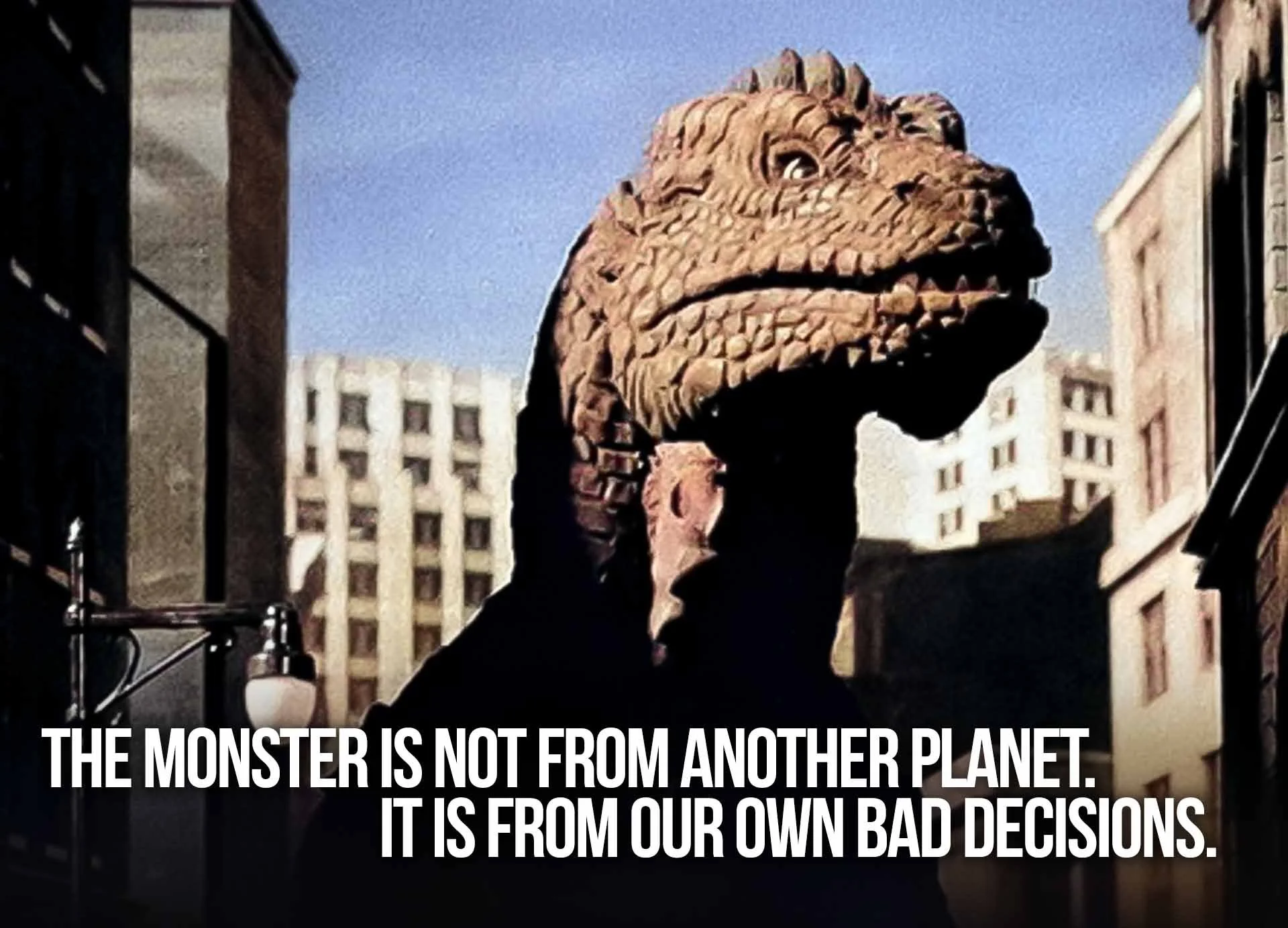
The Beast from 20,000 Fathoms Woke Up the Past
Before Godzilla stomped into movie history, The Beast from 20,000 Fathoms helped show how atomic testing could awaken something ancient, enormous, and very unhappy.
Released in 1953, the film begins with an atomic test in the Arctic that frees a prehistoric creature from the ice. The monster, later known as the Rhedosaurus, makes its way toward civilization, eventually bringing prehistoric chaos into the modern city. That setup is wonderfully telling.
Humanity reaches into the atomic future and accidentally wakes up the prehistoric past.
That is not just a monster plot. That is a warning. The film suggests that technological progress does not always move neatly forward. Sometimes the future disturbs buried forces. Sometimes modern weapons unleash ancient consequences. Sometimes the newest invention on Earth awakens something older than humanity itself. There is a strange poetry in that.
The atomic bomb was supposed to represent modern power at its most advanced. But in these films, atomic power often drags the world backward into primal terror. The laboratory opens the cave. The test site becomes a tomb. The future creates a dinosaur. And then the dinosaur walks into New York. Because of course it does.
In 1950s sci-fi, the city is where the nightmare proves itself. A monster in the Arctic is a scientific problem. A monster in New York is civilization under judgment.
Godzilla Was the Bomb With a Pulse
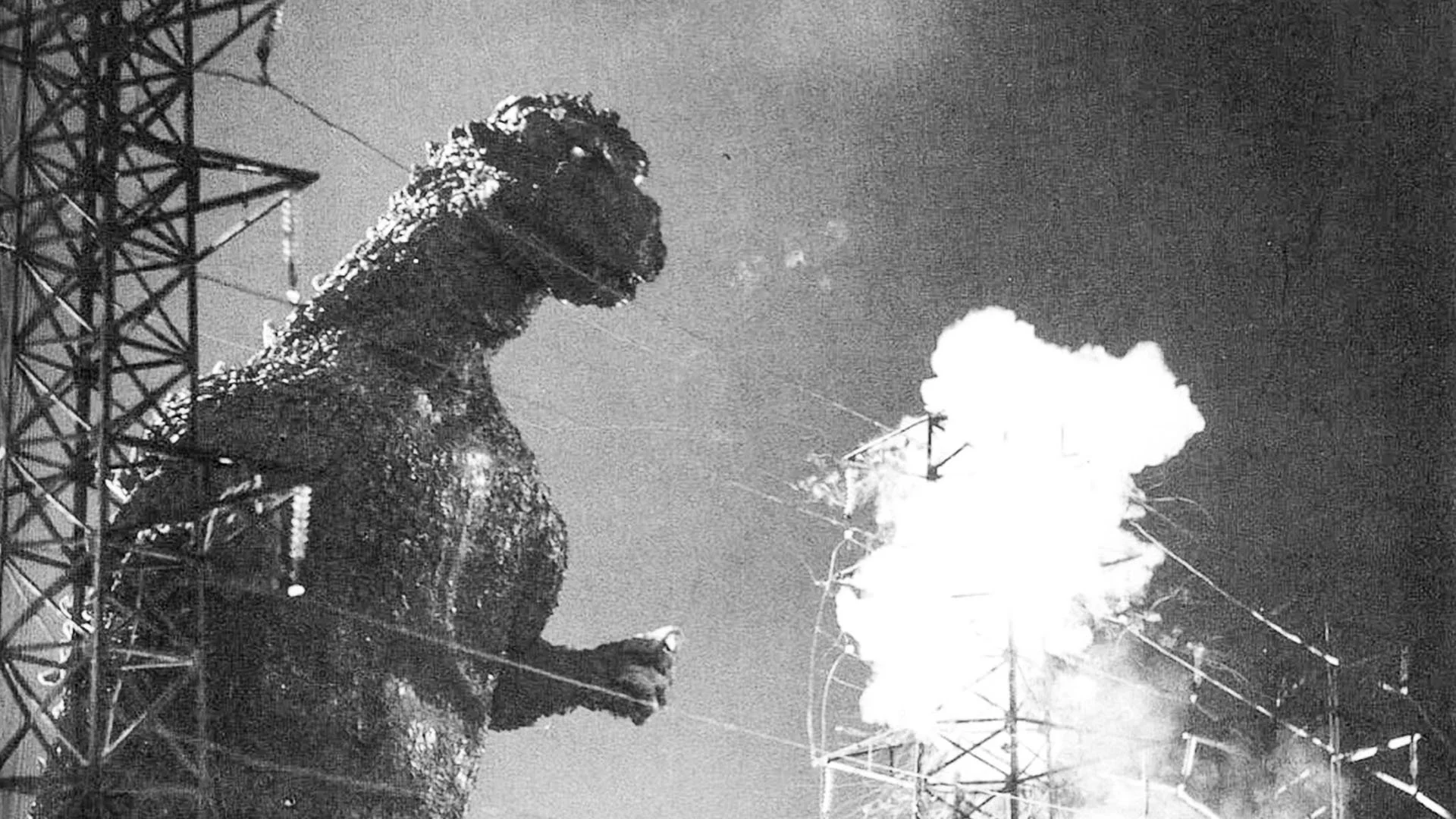
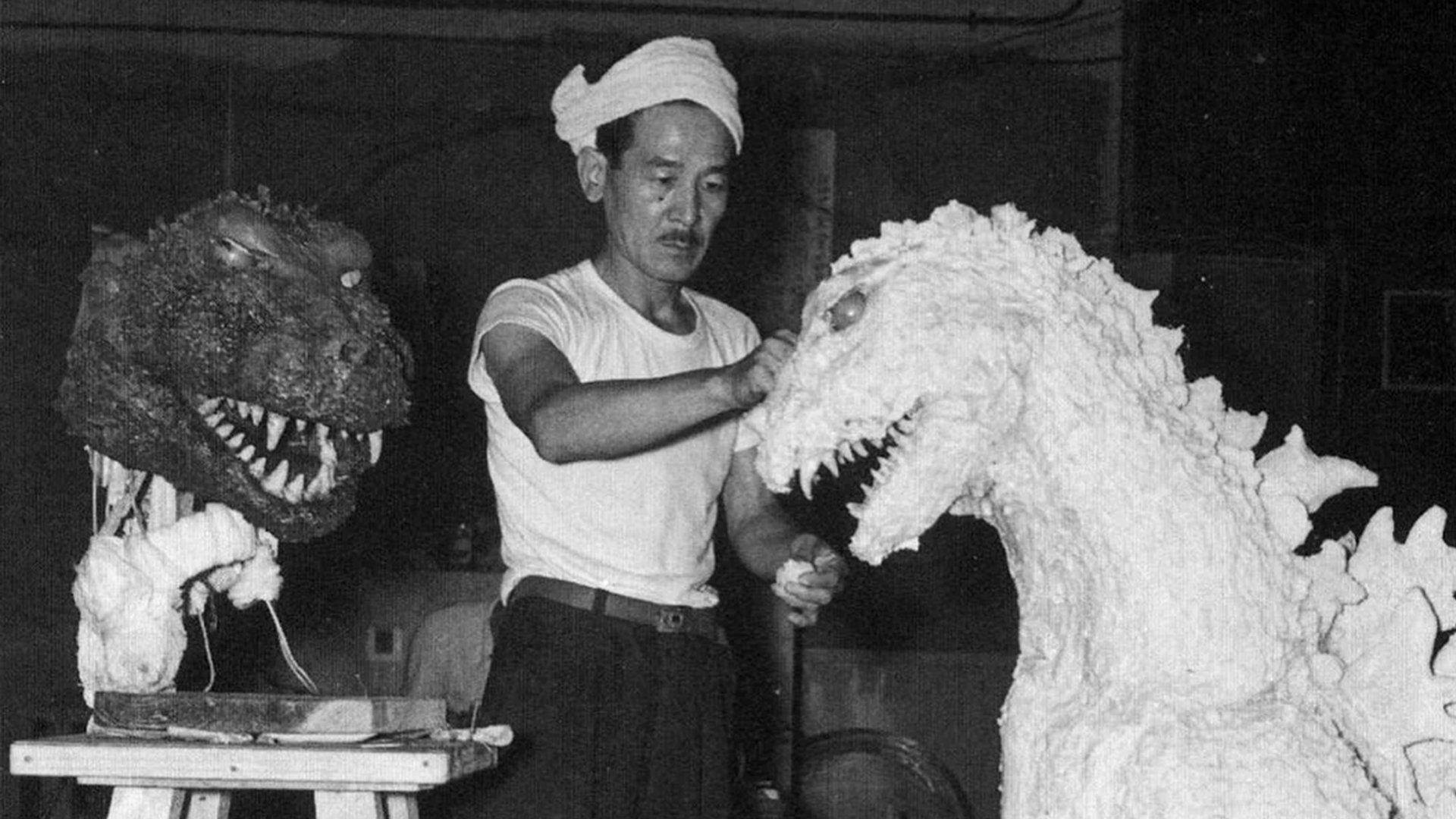
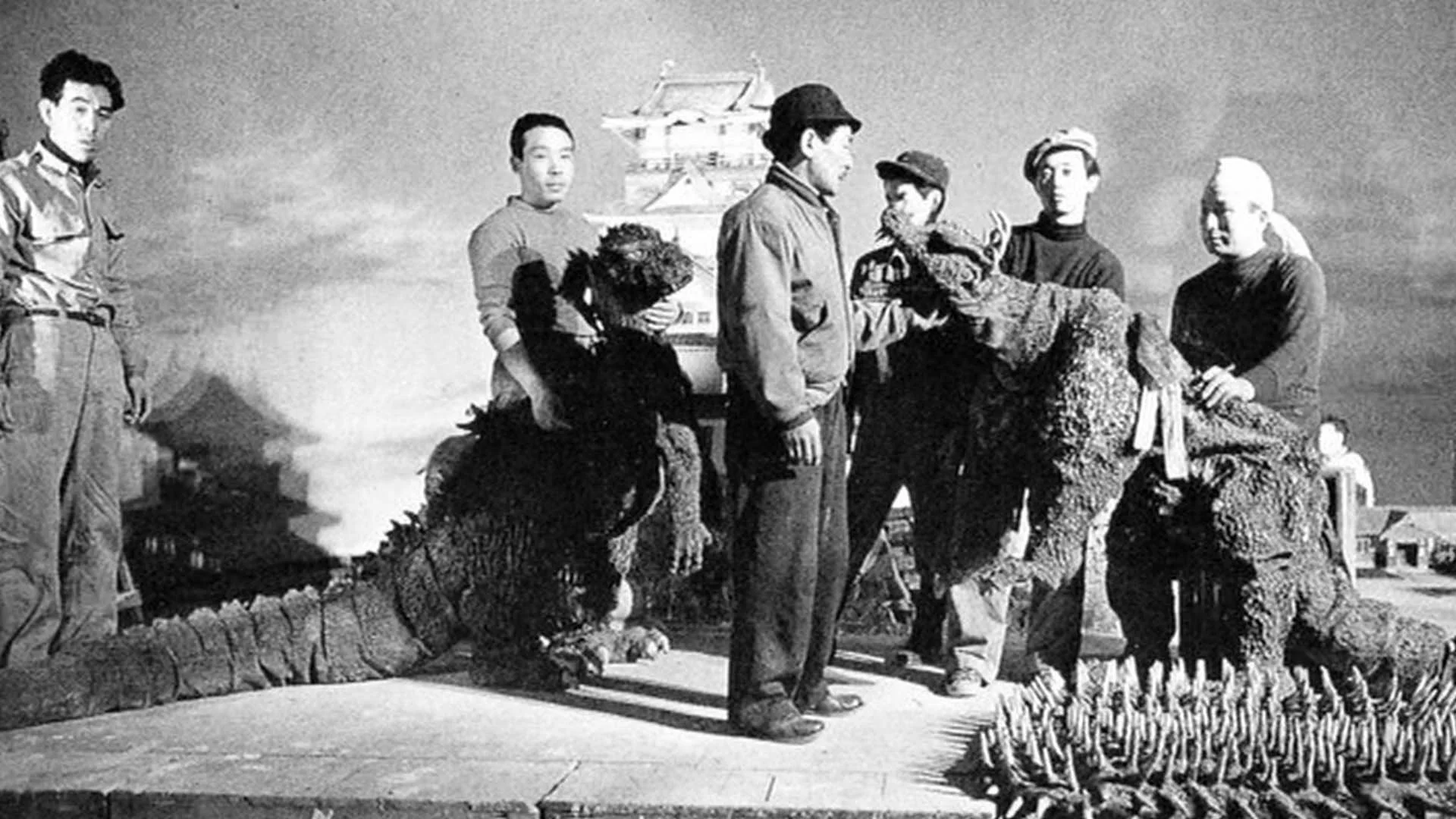
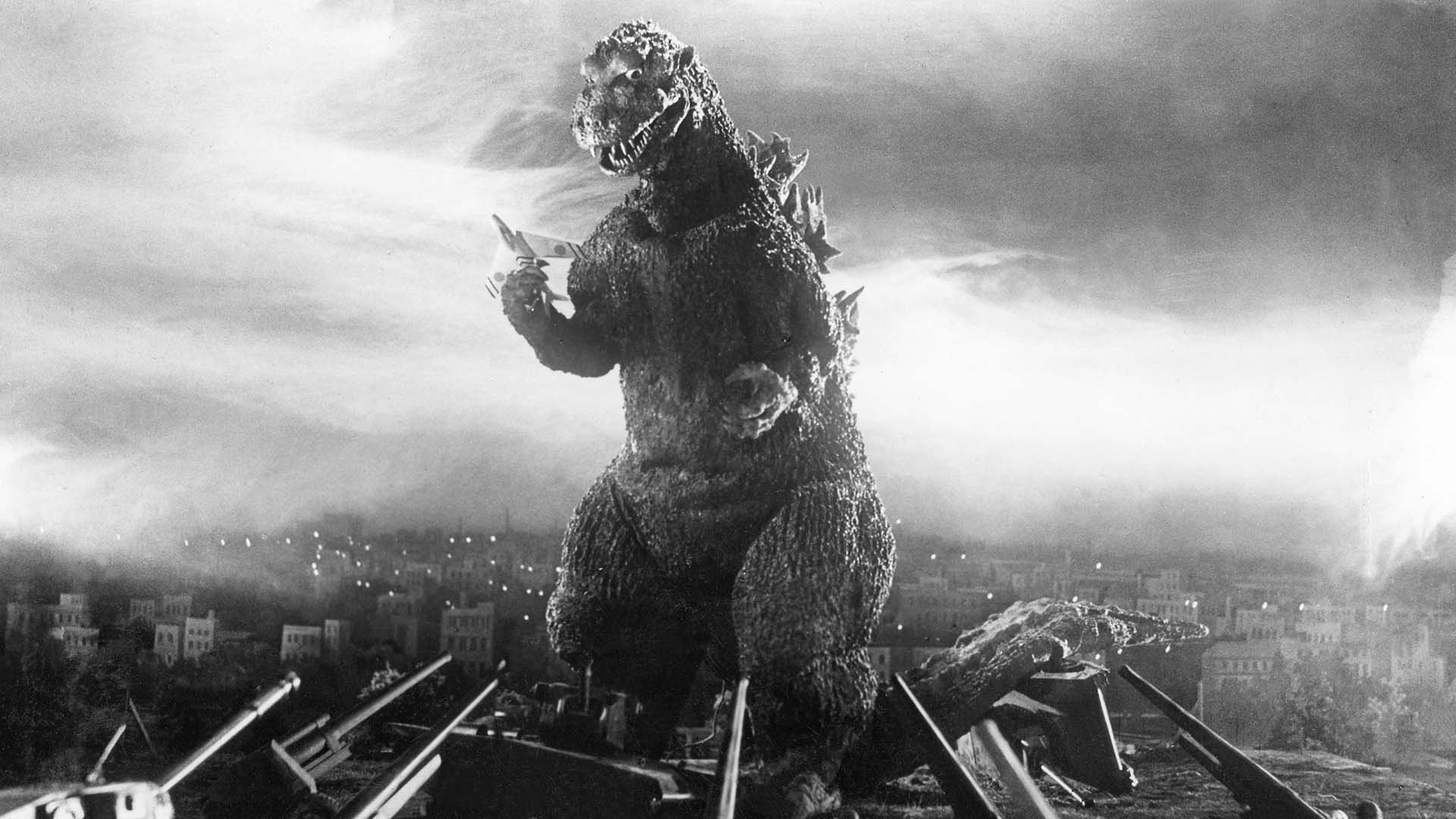
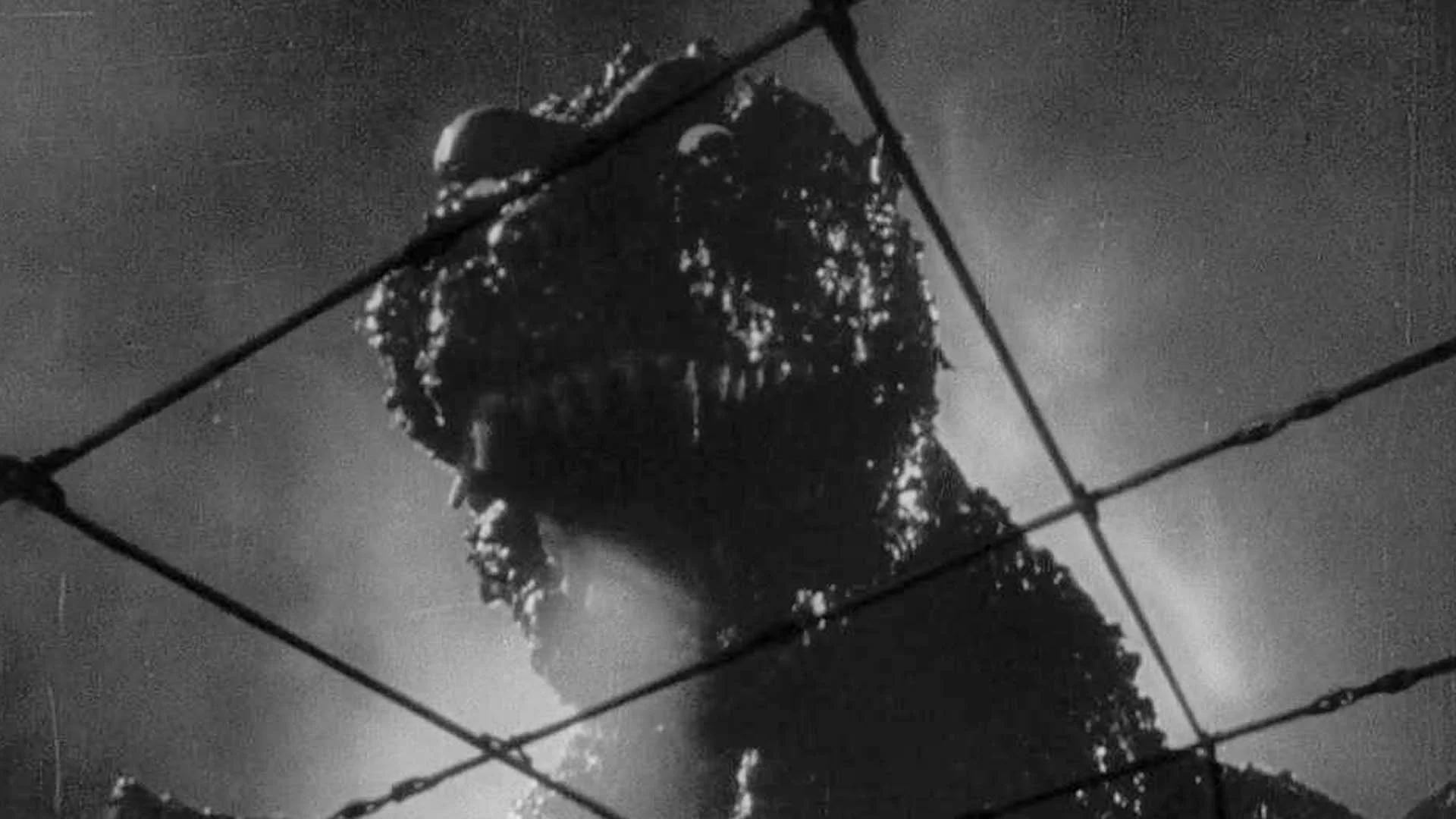
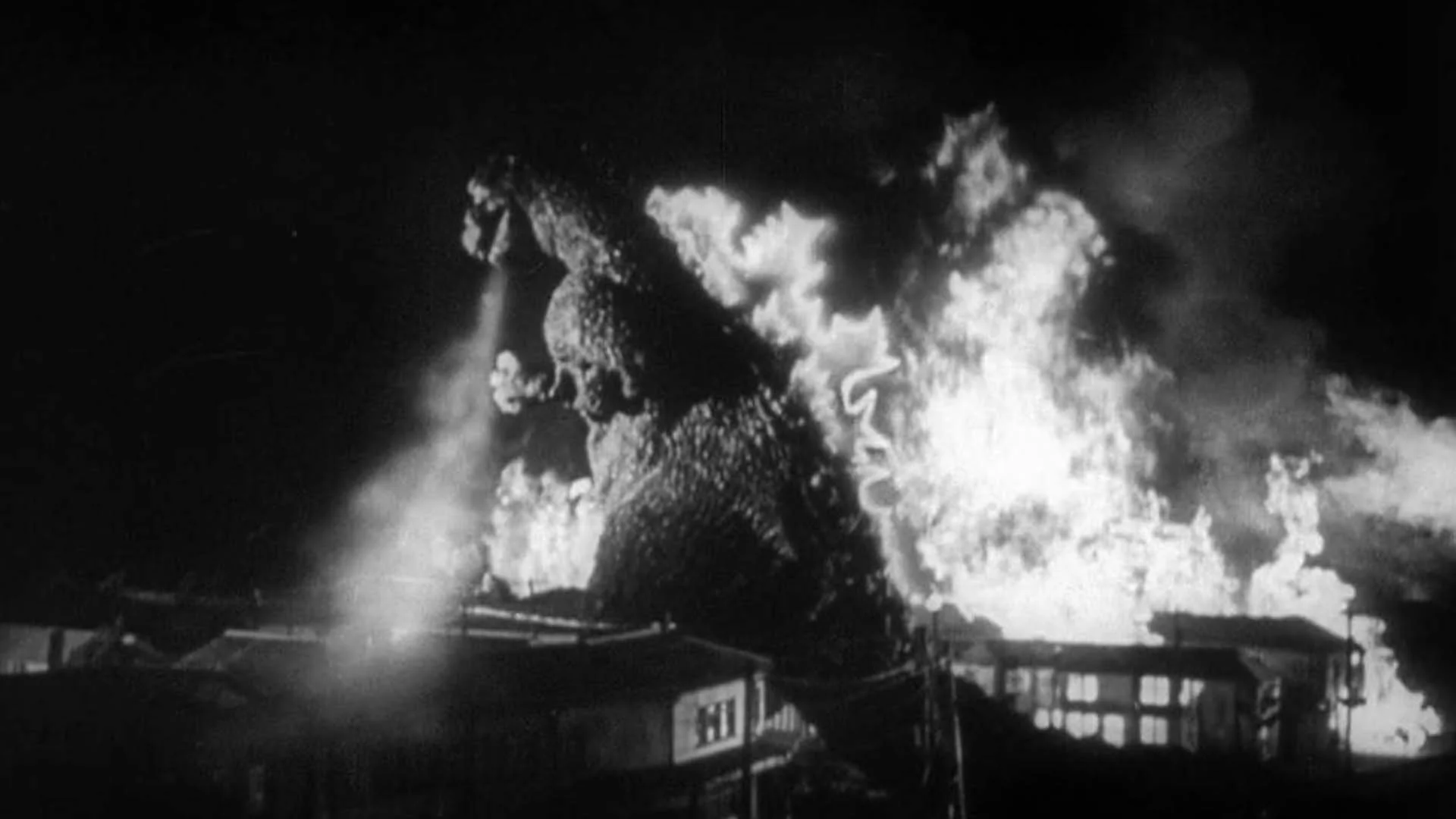
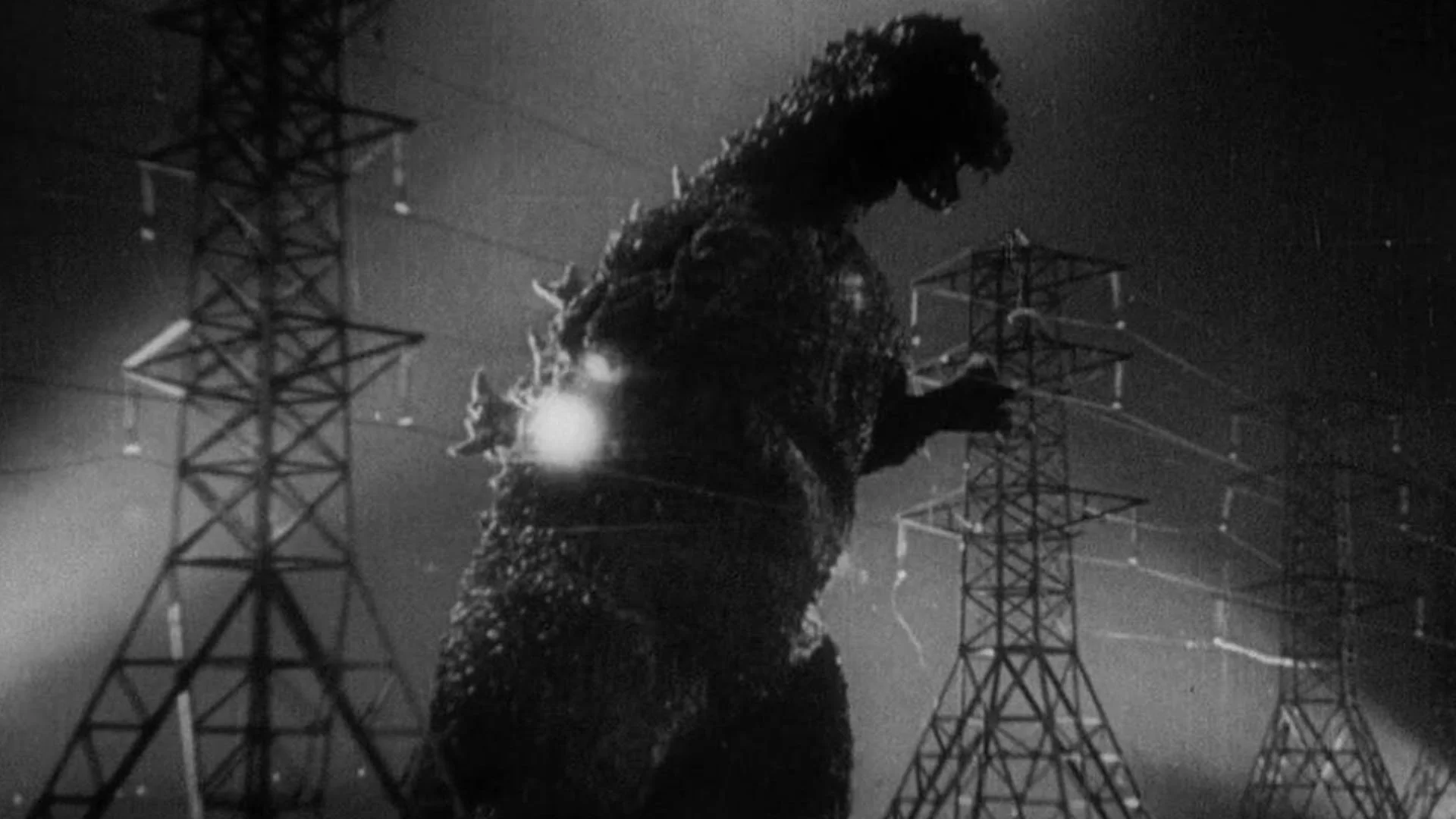
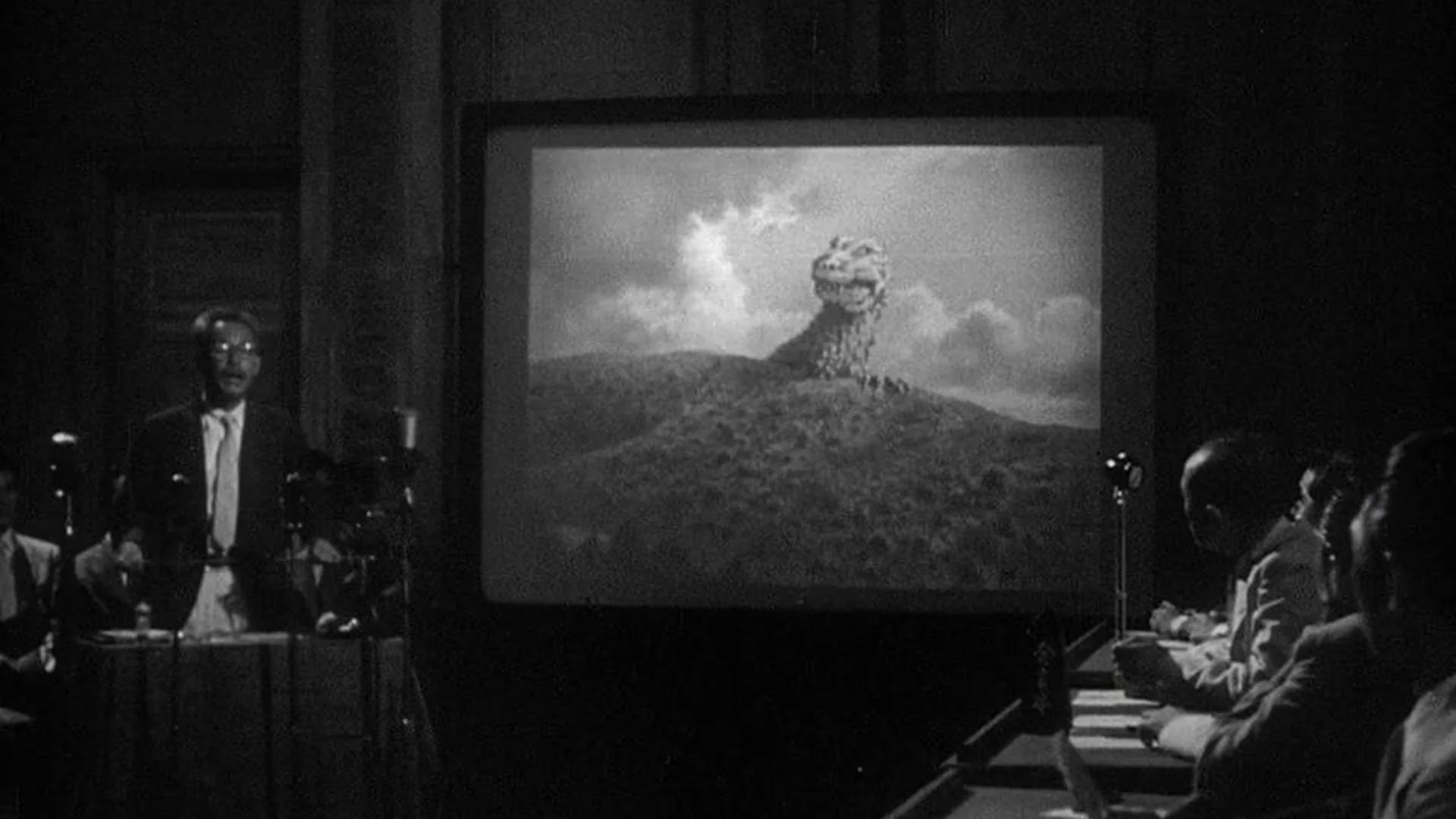
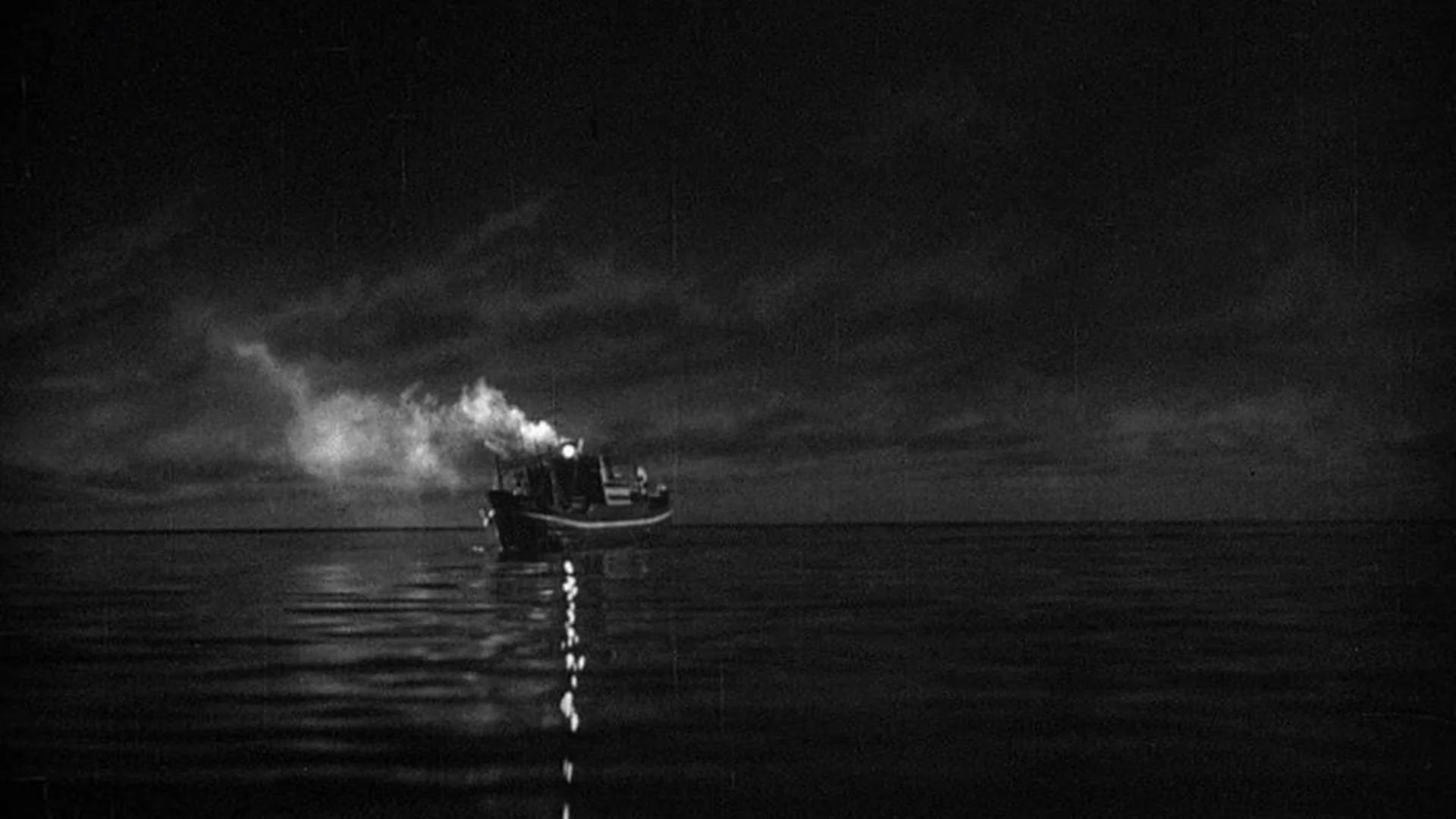
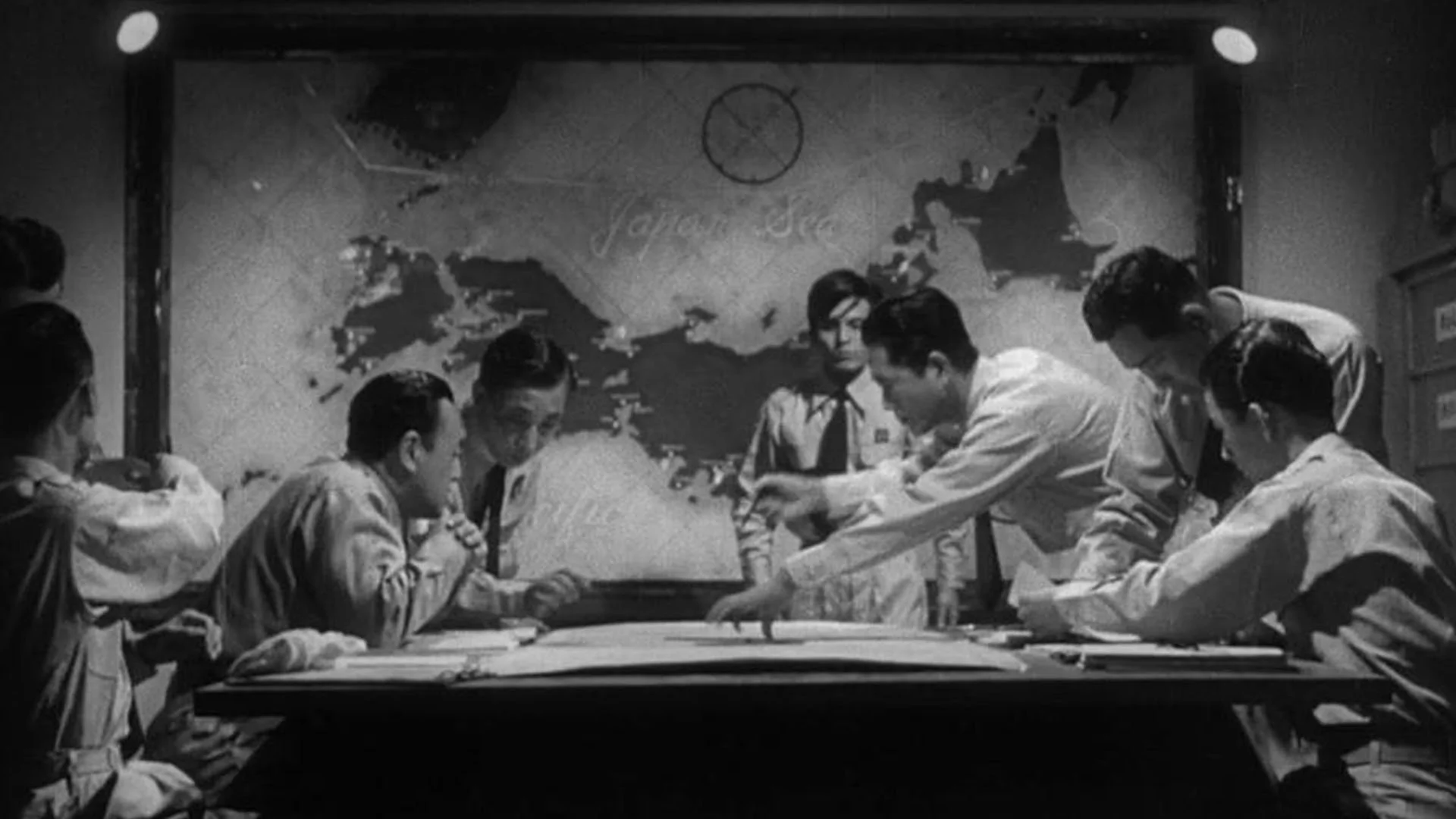

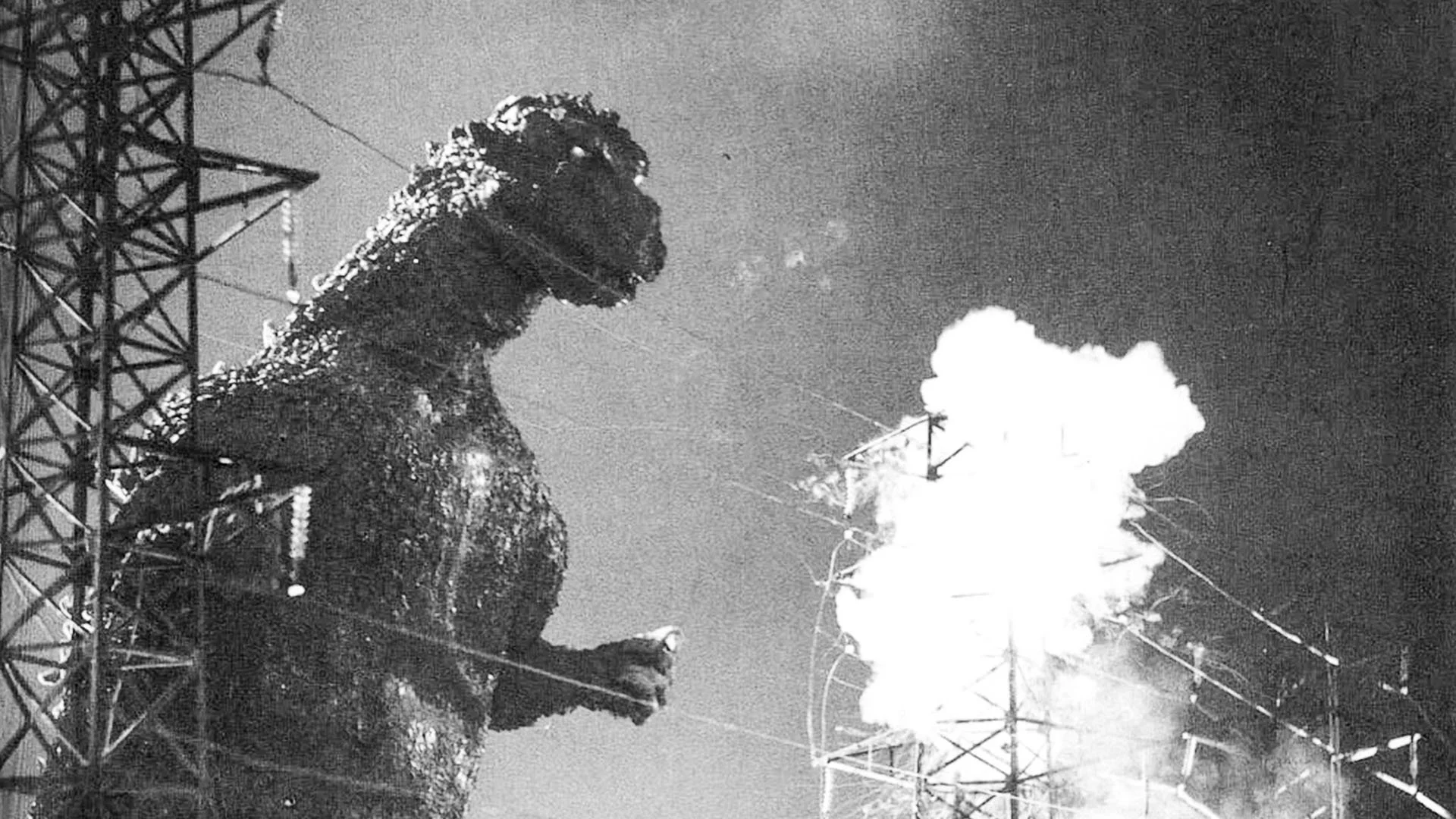
Then there is Godzilla.
The original 1954 Gojira is not just one more big monster movie. It is the atomic monster in its most haunting form. Godzilla is not simply mutated by radiation. He is radiation as myth. He is the bomb, the blast, the aftermath, the fire, the survivor’s memory, and the fear that the ocean itself has absorbed humanity’s violence and sent it back.
That is why Godzilla hits differently.
A giant ant is scary. A revived dinosaur is spectacular. But Godzilla feels like punishment. He rises from the water like something ancient and wounded, but also newly made by modern horror. He is both prehistoric and post-atomic. A creature from before us, transformed by what we have done. That contradiction is what makes him unforgettable.
Godzilla is not just big. He is symbolic in a way that almost feels too heavy for a monster suit, and yet that is the genius of it. He turns national trauma into a walking image. He makes the invisible visible. He takes the terror of nuclear destruction and gives it a shadow that falls across an entire city.
Later Godzilla movies would become colorful, weird, campy, cosmic, heroic, and completely wonderful in their own rubber-suited ways. But the original creature is darker than that. He is not there to entertain first. He is there to remind.
The bomb did not vanish after the blast. It kept walking.


Mutation Was the Fear Beneath the Fear
Atomic destruction was one level of anxiety. Mutation was another.
The bomb could destroy you immediately. Radiation could change what survived.
That idea terrified 1950s sci-fi. The thought was not only that nuclear power could kill cities, but that it could alter life itself. Bodies might change. Species might distort. Nature might become unstable. The future might not just be dangerous — it might be genetically wrong.
That is why mutation became such a powerful theme. It made nuclear fear personal and biological. It suggested that the damage could move through flesh, blood, offspring, and ecosystems. The world after atomic power might not simply be broken. It might be transformed into something unrecognizable. And once again, creature features gave that fear a face.
A mutated monster is different from a normal monster because it carries blame. It implies cause and effect. Something happened. Someone tested something. Someone ignored a warning. Someone treated nature like a machine with no warranty. Then the monster appears.
Mutation in 1950s sci-fi is the genre quietly asking: what if the future is not just built, but bred?
The atomic monster was not born evil. It was born contaminated.
The Scientists Were Heroes — and Suspects
One of the most interesting tensions in 1950s sci-fi is how it treats scientists.
The scientist is often the person who understands the threat. They identify the radiation. They explain the mutation. They warn the military. They save the day, or at least provide the plan that allows someone else to save it with flamethrowers and dramatic music.
But science is also usually the reason the problem exists.
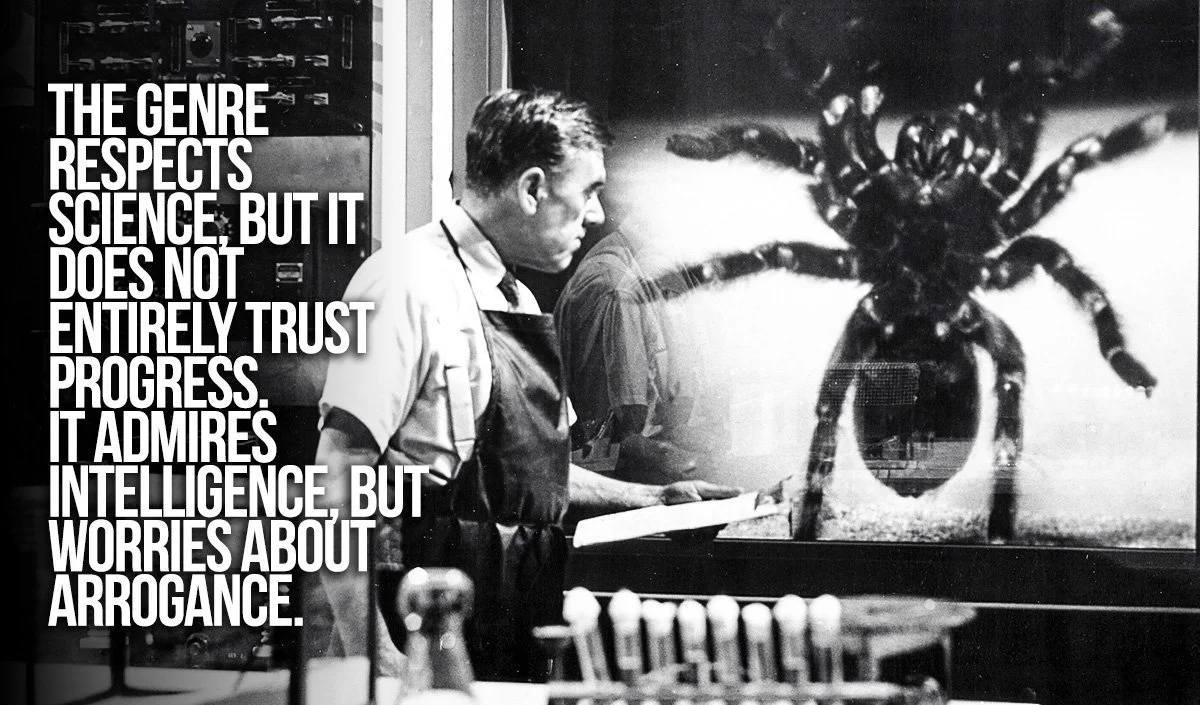
That creates a deliciously uneasy mood. The genre respects science, but it does not entirely trust progress. It admires intelligence, but worries about arrogance. It wants experts in the room, but it also suspects that experts helped open the wrong door in the first place.
This is one of the reasons 1950s atomic sci-fi still feels relevant. We are still living inside that tension. We still love technology. We still want breakthrough cures, faster machines, cleaner energy, better tools, smarter systems, and a bigger future.
Progress has consequences. 1950s sci-fi just made those consequences enormous and covered them in scales.
Why These Monsters Still Work
Yes, some of the effects are dated. Yes, some of the dialogue sounds like it was delivered by men who have never once loosened a necktie. Yes, some of the monsters move with the majestic awkwardness of a parade float having a bad day. But the ideas still work.
That is the thing about atomic creature features. Their surface may be vintage, but their emotional engine is still humming. We still understand the fear of invisible contamination. We still understand the dread of technology outrunning wisdom. We still understand the suspicion that the people in charge may not fully understand what they have unleashed.
The monster gives that suspicion shape.
It is easier to talk about giant ants than nuclear policy. Easier to sell tickets to a dinosaur than to a lecture on fallout. Easier to watch Godzilla flatten a miniature city than to sit with the real horror that inspired him.
But the best of these films do both. They entertain you with spectacle, then leave something radioactive in the back of your mind.
That is why the Atomic Age creature feature is more than camp. It is a cultural pressure valve. A pulp nightmare. A glowing warning sign. A reminder that sometimes the monster is not what attacks civilization.








Sometimes the monster is what civilization made.
Conclusion: The Mushroom Cloud Got a Close-Up
1950s sci-fi did not invent fear of the bomb. It translated it.
It took the mushroom cloud and turned it into a giant ant. It took fallout and turned it into a radioactive dinosaur. It took nuclear trauma and turned it into Godzilla rising from the sea. These films gave audiences a way to look at something almost impossible to face directly.
That is why the monsters mattered.
They were not random. They were not just oversized pests or prehistoric accidents or rubber-suited chaos machines. They were the Atomic Age made visible. The creature feature let people scream at the bomb without saying the word every five minutes.
The bugs were big because the fear was bigger. And sometimes, in 1950s sci-fi, the scariest thing on screen was not the monster. It was the human world that created it.
FAQ
-
Giant monsters gave nuclear fear a visible form. Radiation, fallout, and atomic destruction were hard to picture directly, so creature features turned those anxieties into ants, dinosaurs, mutants, and radioactive giants.
-
Radiation felt modern, mysterious, dangerous, and scientifically plausible to audiences of the time. It became an easy way to explain mutation, contamination, giant creatures, and nature going horribly wrong.
-
The original 1954 Godzilla is strongly connected to nuclear fear, especially Japan’s experience with atomic destruction and later hydrogen bomb testing anxiety. Later films varied widely in tone, but the first Godzilla is rooted in atomic trauma.
-
Not exactly. Many respected science and scientists, but they questioned whether human wisdom could keep up with human invention. The problem was not knowledge itself. The problem was power without humility.


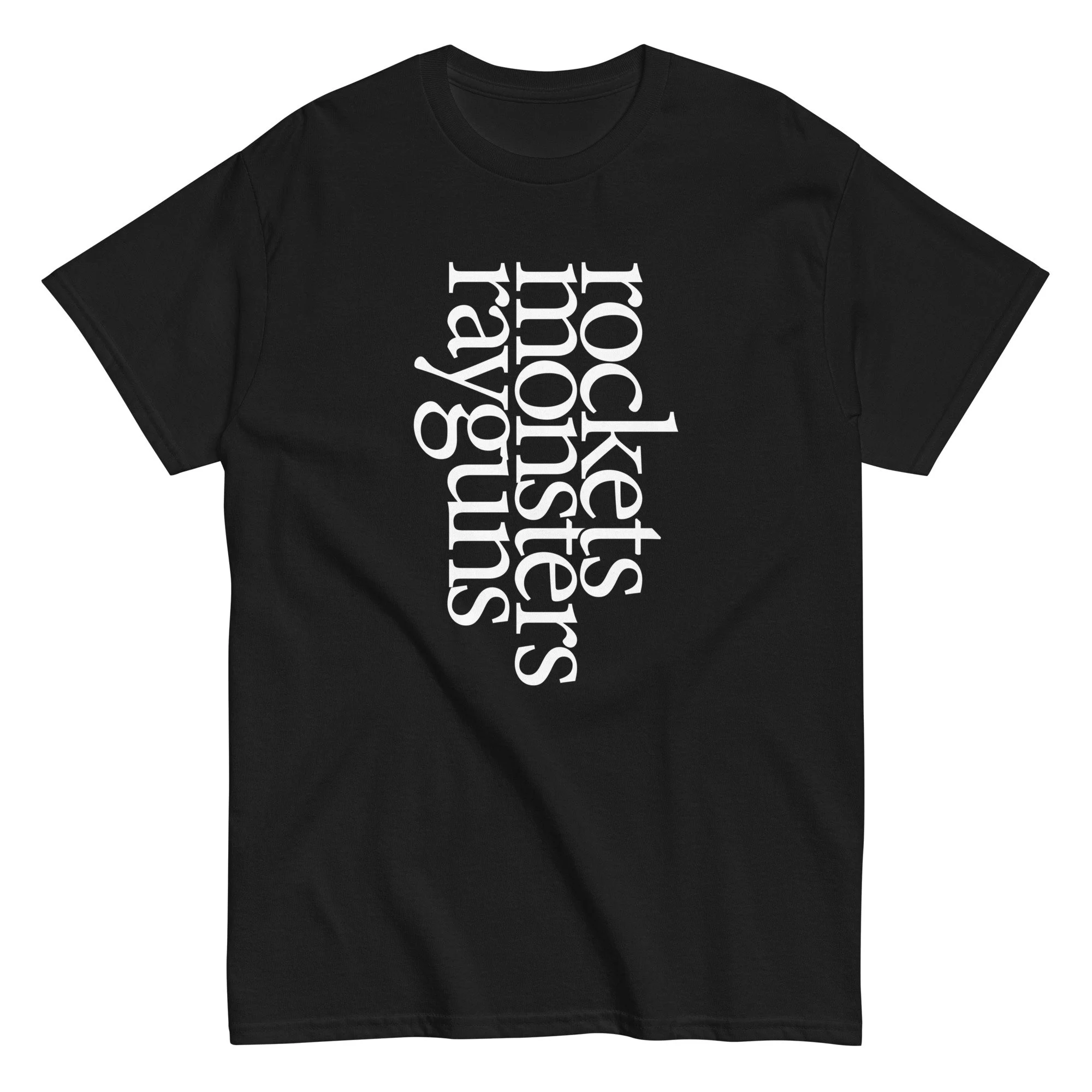
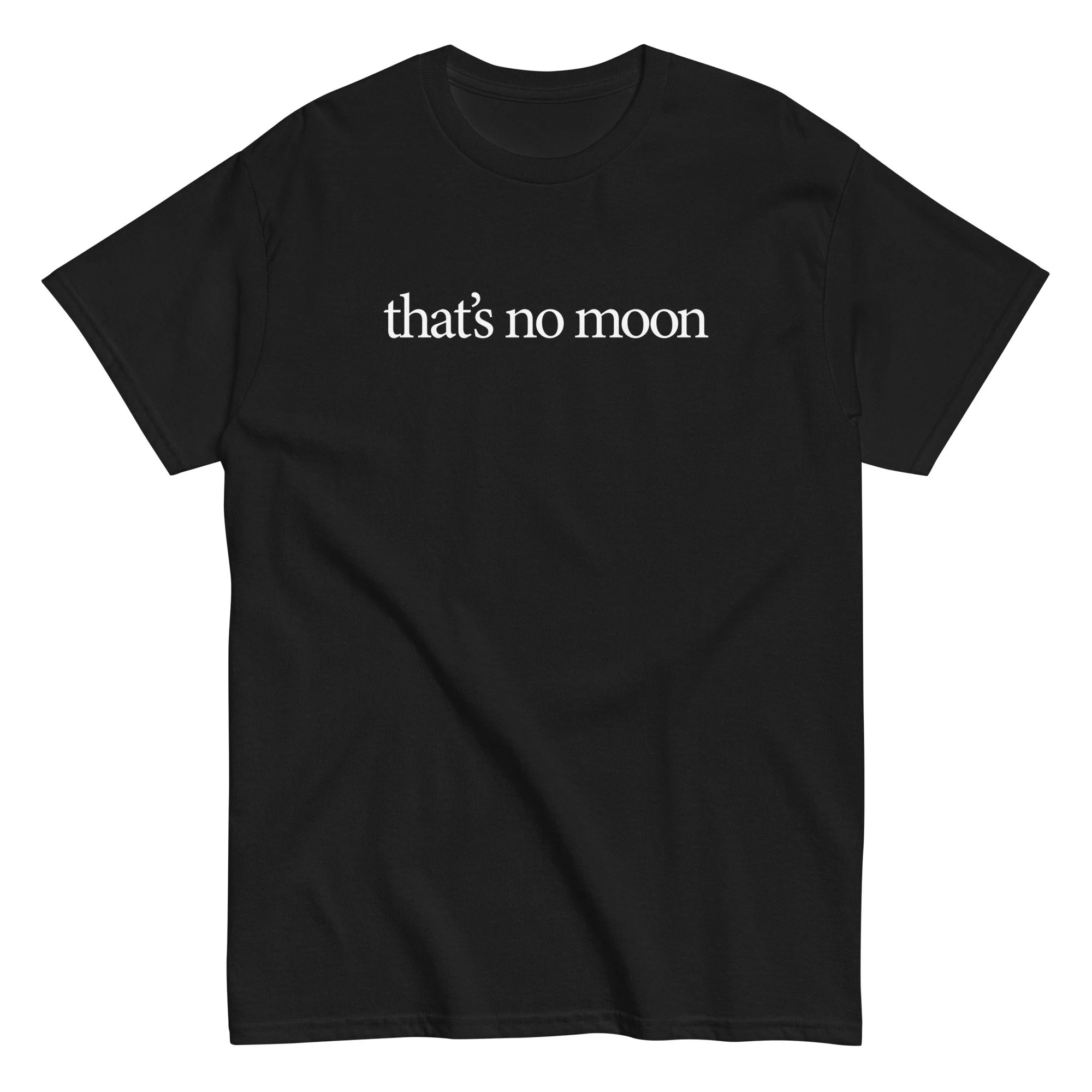
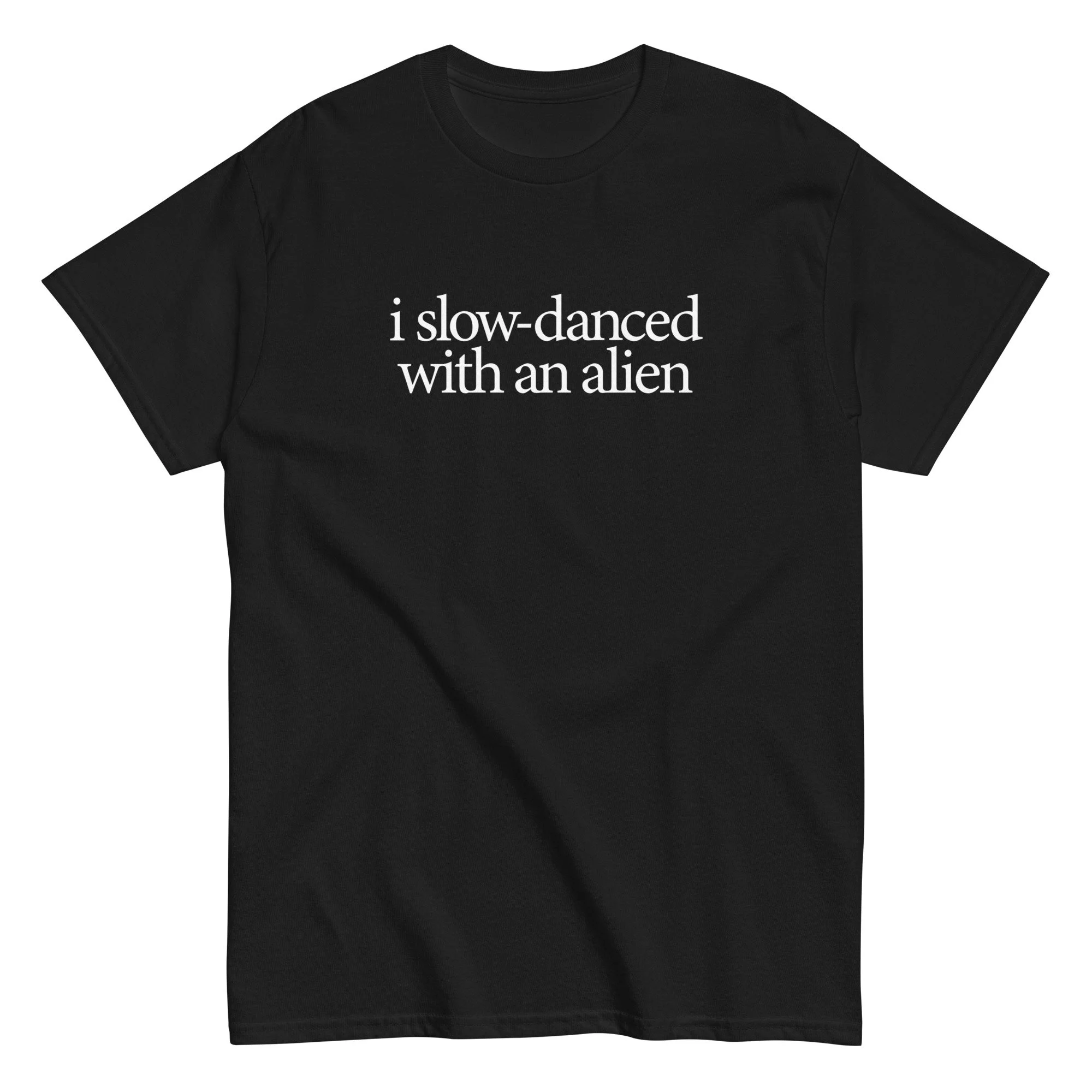
Ready, aim, relax. This 100% cotton men’s classic tee keeps its form and delivers comfort even under alien attack. Sharp enough for space duels, soft enough for Saturday marathons.
The Gildan 5000 is a Heavy Cotton™ T-shirt
• Fit: Men's Classic Crew Neck Tee
• 100% cotton, preshrunk to reduce shrinkage
• Taped neck and shoulders
• Seven-eighths-inch seamless collar
• Double seam at sleeves and bottom hem
• Tear-away Label
This product is made especially for you as soon as you place an order, which is why it takes us a bit longer to deliver it to you. Making products on demand instead of in bulk helps reduce overproduction, so thank you for making thoughtful purchasing decisions!