
The Blacklist and Sci-Fi
Sci-fi became a place where dangerous ideas could hide in plain sight.
During the Hollywood blacklist era, saying the wrong thing too directly could damage a career, end a livelihood, or put a writer under suspicion. So genre became a kind of escape hatch.
Monsters, aliens, robots, pod people, distant planets, and radioactive nightmares could carry political ideas without standing up in the middle of the movie and announcing, “Hello, this is about American paranoia, censorship, conformity, and state power.”
When politics became dangerous, monsters got very useful.
-
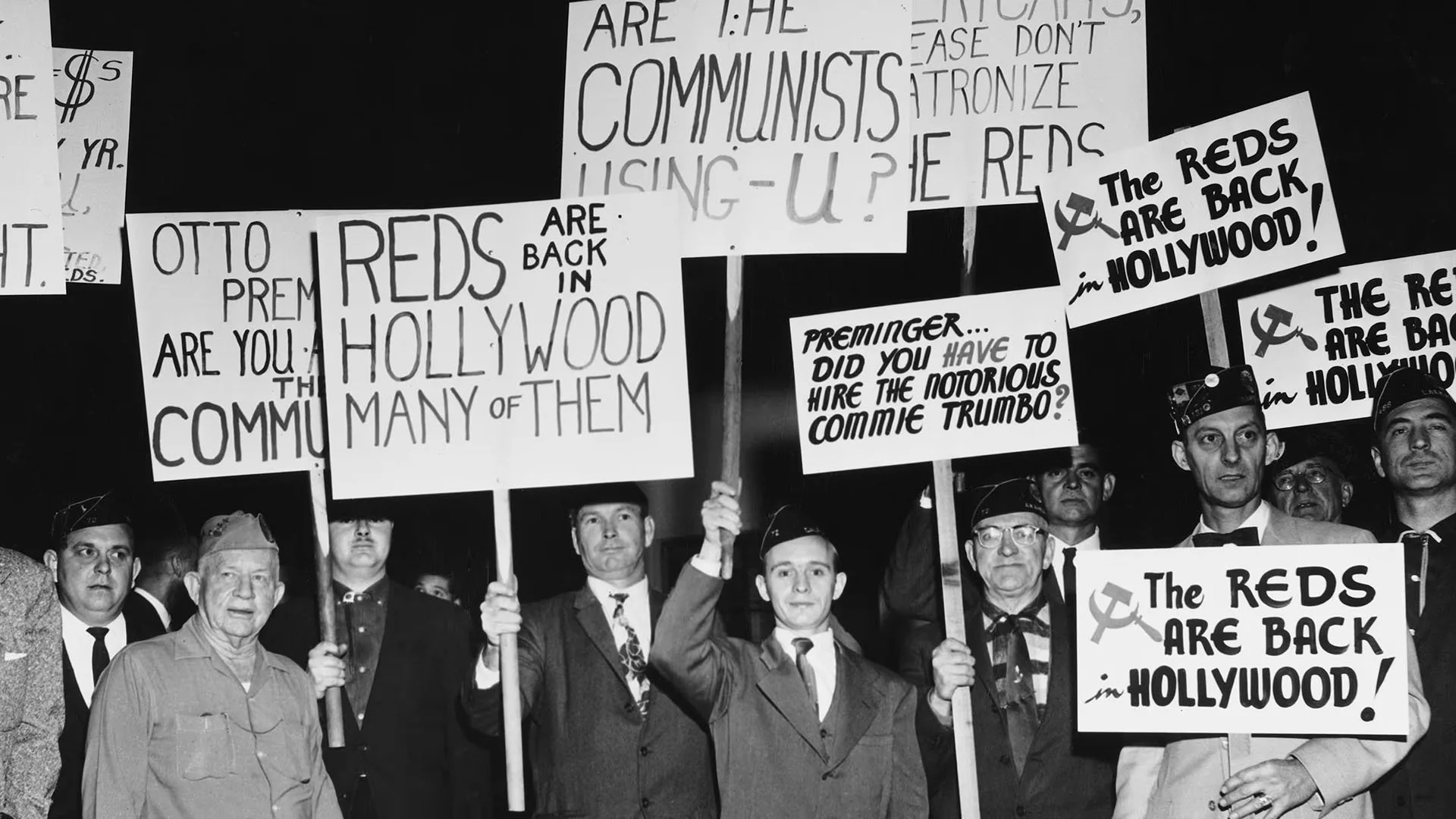
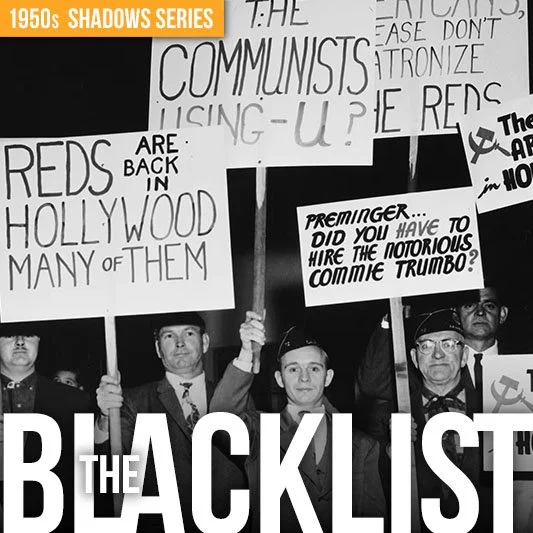
The Hollywood blacklist grew out of HUAC investigations into alleged Communist influence in the film industry.
In 1947, the Hollywood Ten refused to answer questions about Communist Party membership and were later blacklisted.
Science fiction gave filmmakers a coded language for fear, conformity, censorship, authority, and social control.
Genre stories could ask dangerous questions while pretending to be about aliens, monsters, or strange planets.
When Hollywood Learned to Whisper
Hollywood did not stop talking during the blacklist. It learned to whisper.
That is one of the strangest, sharpest things about mid-century science fiction. The genre looked loud: flying saucers, giant ants, crackling laboratories, alien invasions, men in hats shouting into telephones, cities waiting for doom. But under all that spectacle, some of the most interesting sci-fi of the era was speaking in code.
Not always intentionally. Not always neatly. Not always with one clean political message tied up in a bow. But the pressure was there.
The blacklist did not kill political storytelling. It drove it underground.


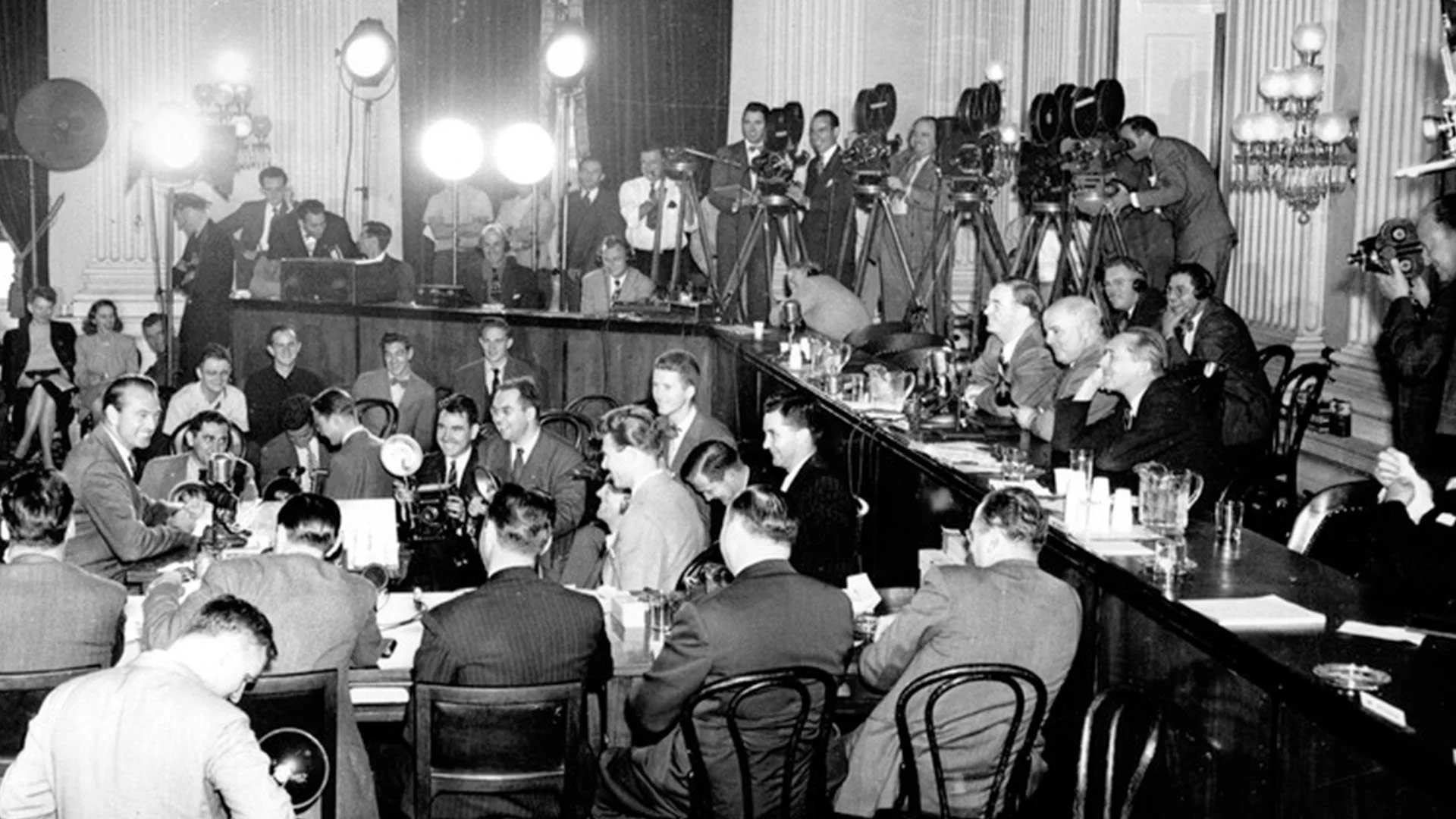
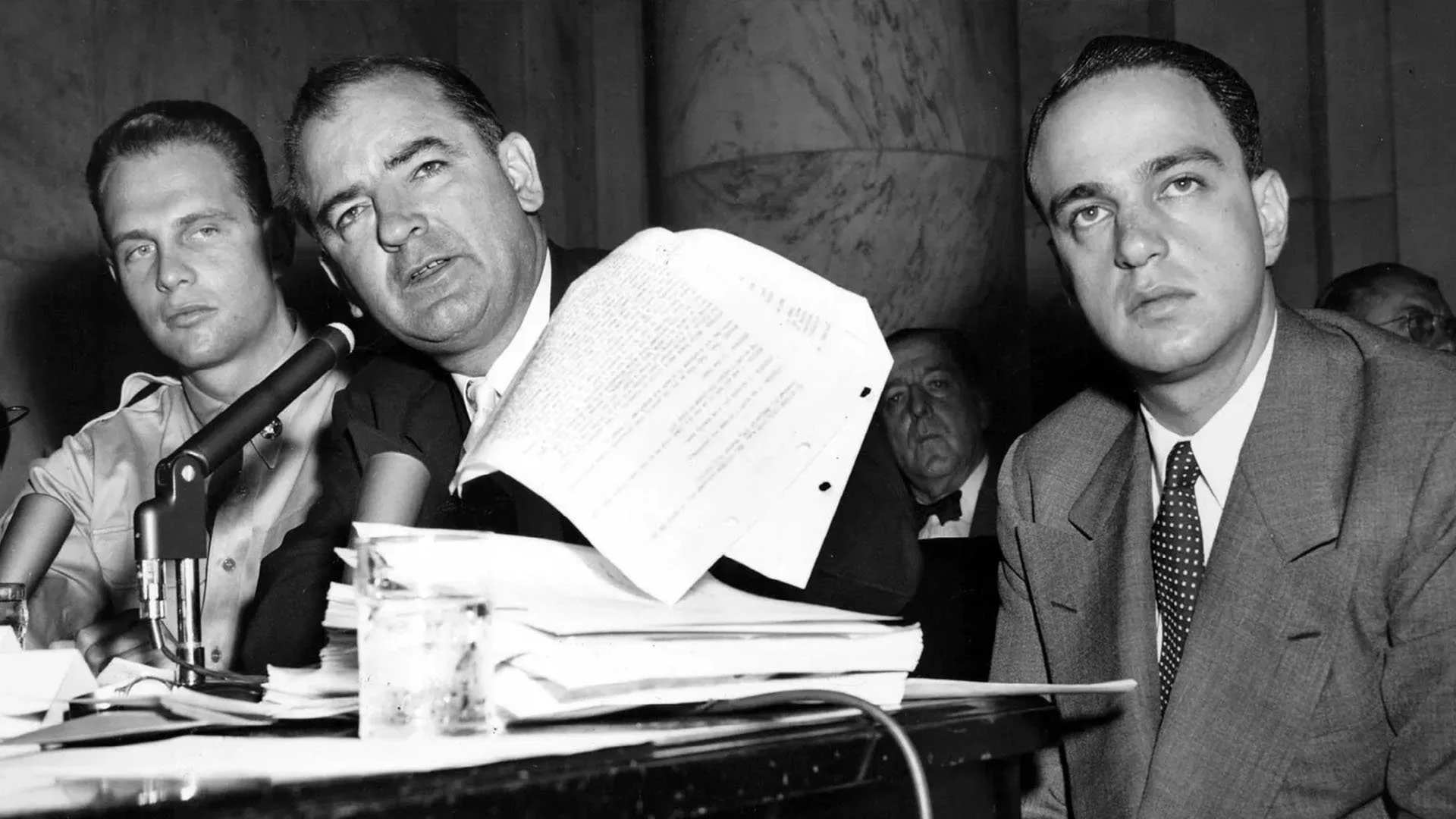
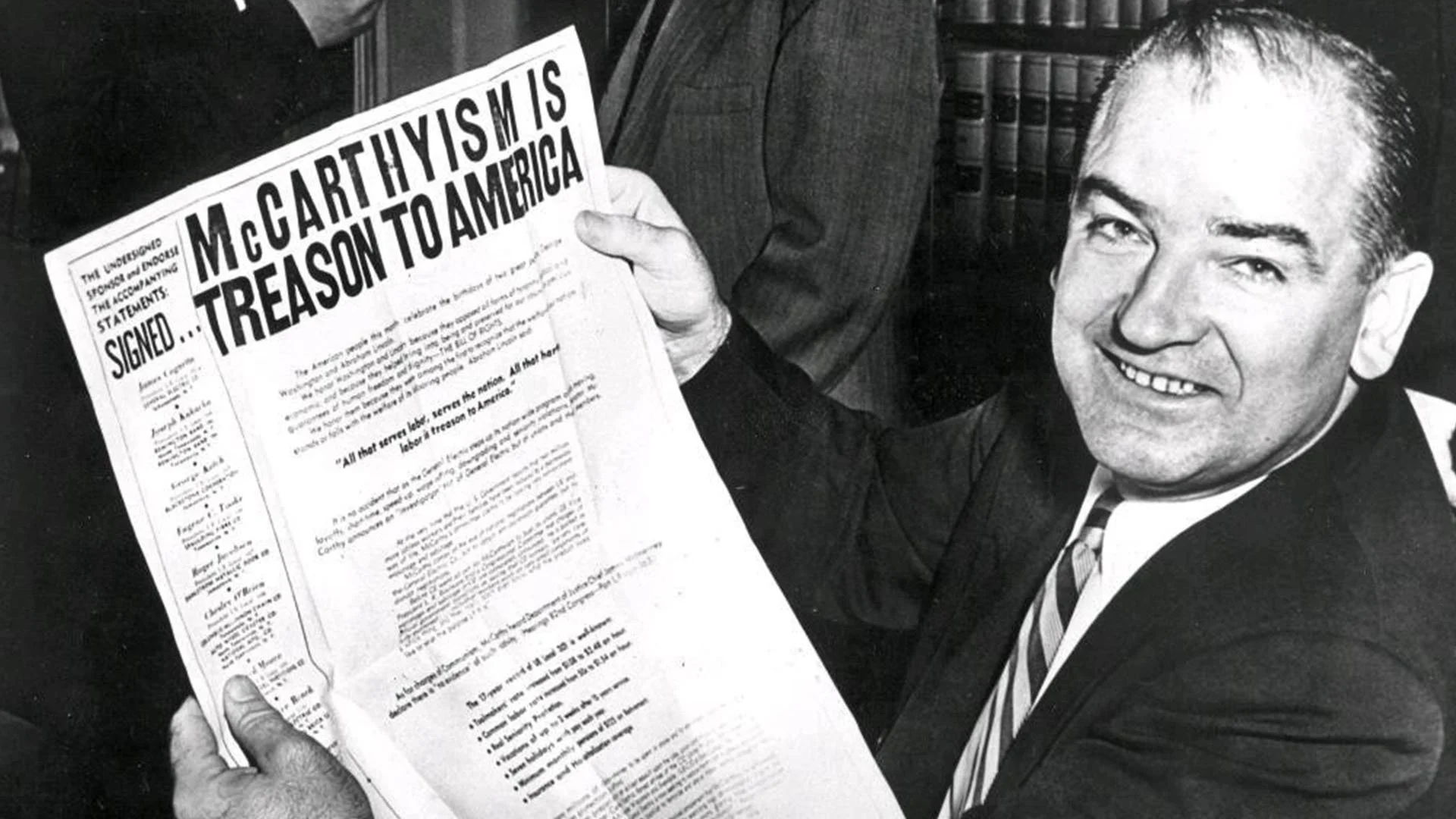
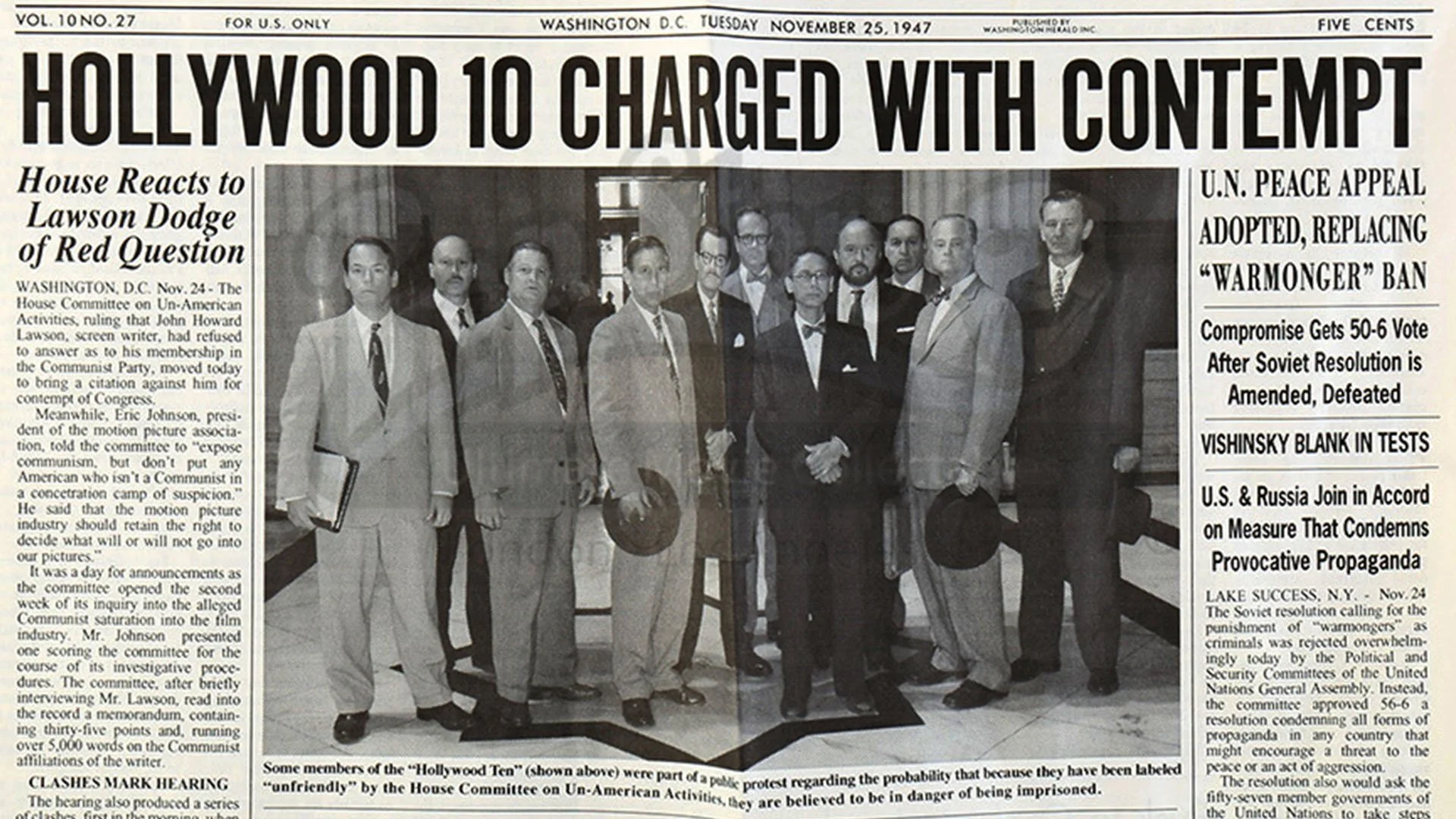
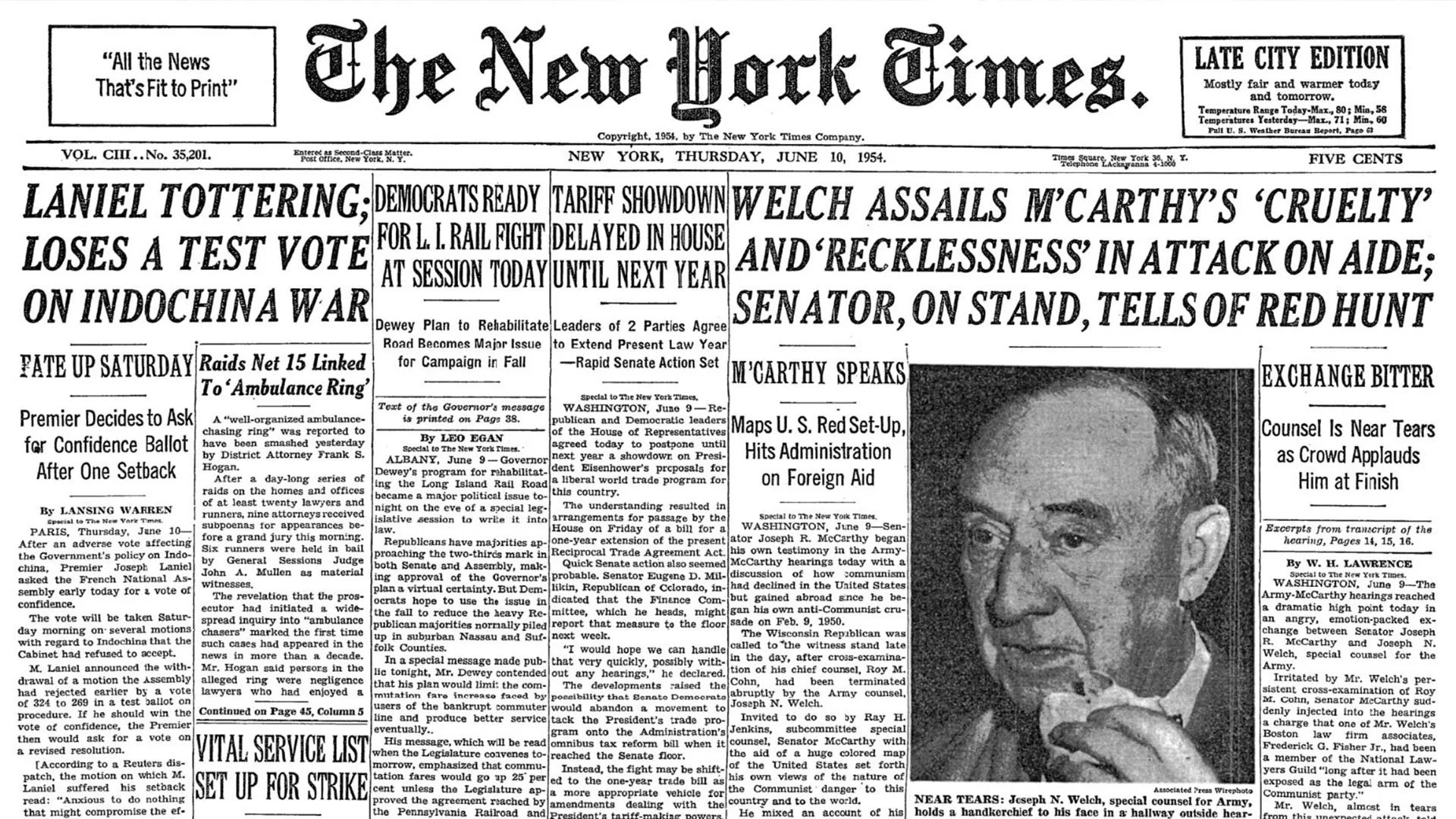
In the late 1940s and 1950s, the House Un-American Activities Committee investigated alleged Communist influence in Hollywood. In October 1947, ten screenwriters and directors — later known as the Hollywood Ten — appeared before HUAC and refused to answer questions about possible Communist affiliations. Britannica describes them as producers, directors, and screenwriters who refused to answer HUAC’s questions and were later imprisoned for contempt of Congress and mostly blacklisted by the studios.
That moment changed the atmosphere.
Suddenly, politics in Hollywood was not just politics. It was risk. It was suspicion. It was employment. It was loyalty. It was whether your name appeared in the wrong place, whether someone named you, whether an idea sounded too radical, whether a story could be interpreted the wrong way by the wrong people.
So what do you do when direct speech becomes dangerous? You give the speech to a monster.
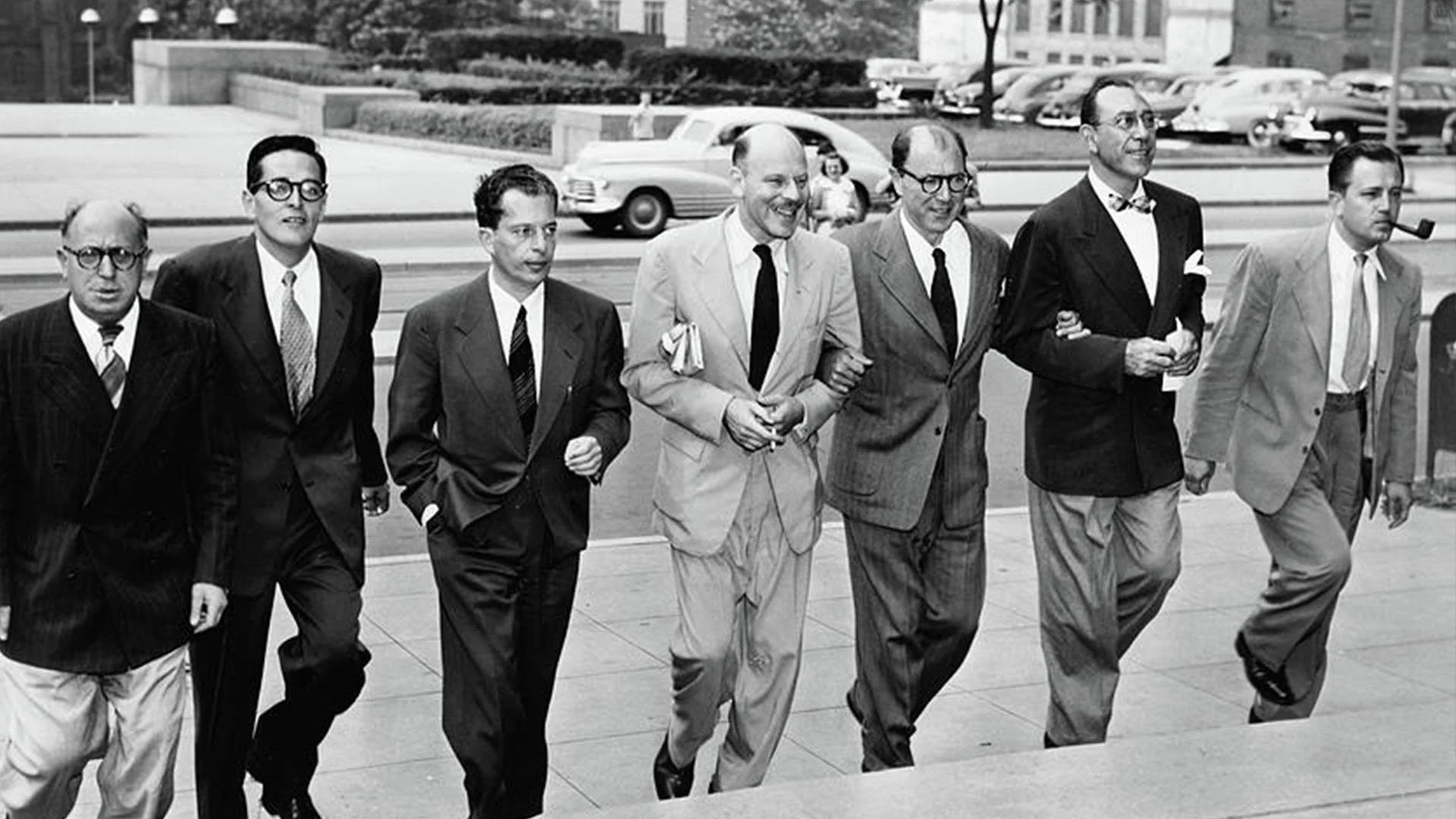
The Hollywood Ten Became the Warning Sign
The Hollywood Ten were not just a legal episode. They became a symbol.
The National Archives notes that screenwriter Ring Lardner Jr. was called to testify before HUAC on October 30, 1947, and was removed from the witness stand after declining to answer whether he was a member of the Communist Party. He and nine others became known as the Hollywood Ten, were found guilty of contempt of Congress, and were blacklisted from Hollywood. That is not some minor footnote. That is the sound of a creative culture tightening its throat.
For writers, directors, actors, and producers, the message was obvious: your ideas could become evidence. Your associations could become liabilities. Your refusal to cooperate could become a career-ending event. The question was not simply, “What do you believe?” It became, “Who else believes it? Who did you meet with? What did you write? What did you mean?”
Imagine trying to make art in that atmosphere.
A monster can say what a politician cannot. A robot can ask what obedience costs. A body-snatching alien can turn conformity into horror.
Every story starts to look suspicious. Every metaphor grows teeth. Every villain, every uprising, every oppressed worker, every corrupt official, every mass panic, every crowd scene, every speech about freedom or conformity might suddenly feel politically radioactive. That is where science fiction becomes useful. Not safe, exactly. Useful.
Genre gives the dangerous idea a costume. And in Hollywood, costumes have always been part of the business.
Sci-Fi Could Say It Sideways
Science fiction is built for indirect speech.
That is one of its superpowers. You can talk about war without talking about a specific war. You can talk about censorship without naming a censor. You can talk about conformity through aliens, class through planets, racism through species, authoritarianism through robots, and nuclear dread through giant insects.
The distance gives the story permission.
A realistic drama about political repression might draw attention. A courtroom film about civil liberties might sound like an accusation. A direct attack on anti-Communist hysteria might put a target on someone’s back.
Genre gave dangerous ideas a mask — and then sold the mask on a lobby card.
But a story about invaders from another world? That could slide through. A story about humans slowly losing their individuality? That could be sold as a thriller. A story about a frightened society turning on outsiders? That could be packaged with a poster full of saucers and screaming faces.
This is why sci-fi mattered during the blacklist era. It offered cover. It could smuggle unease into the marketplace. It could let audiences feel the pressure without requiring the film to explain every political nerve it was touching.
The monster was not always the message. Sometimes the monster was the envelope.
When Monsters Became Political Tools
Monsters are wonderfully useful when a culture does not want to talk plainly.
A monster can represent the enemy, the state, the mob, mass panic, technology, or guilt. Or just the thing everyone created, but no one wants to claim.
That flexibility made sci-fi and horror especially powerful during the Cold War. These genres did not need to deliver official lectures. They could create moods: paranoia, dread, suspicion, helplessness, moral confusion. And those moods were everywhere in blacklist-era Hollywood.
The monster might be an alien invader demanding obedience. It might be a community slowly replaced by emotionless duplicates. It might be a scientific experiment that grows beyond control. It might be a society so afraid of contamination that it destroys its own humanity trying to protect itself.
That is what coded storytelling does best. It does not always point to one answer. It creates a charged space where multiple fears overlap.


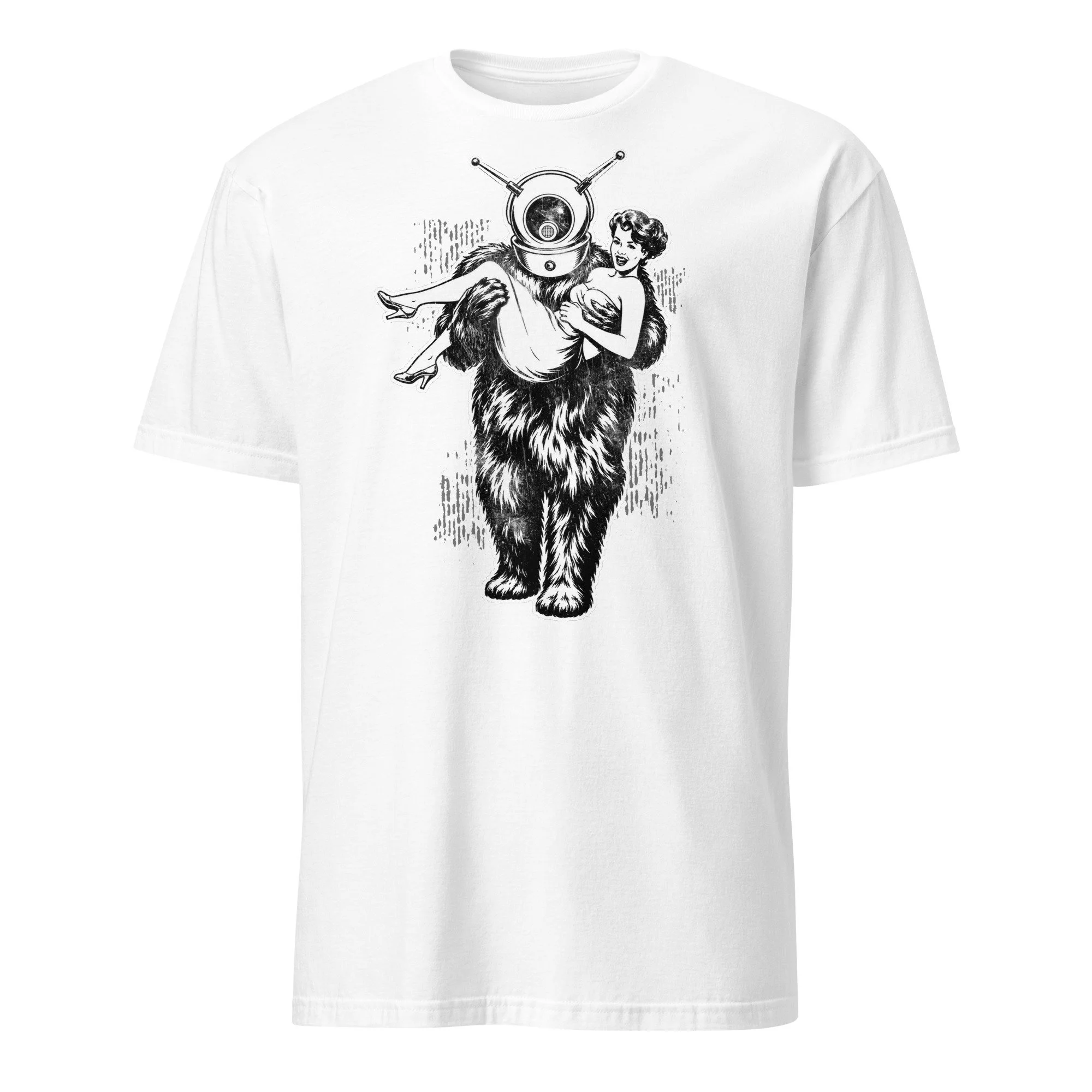
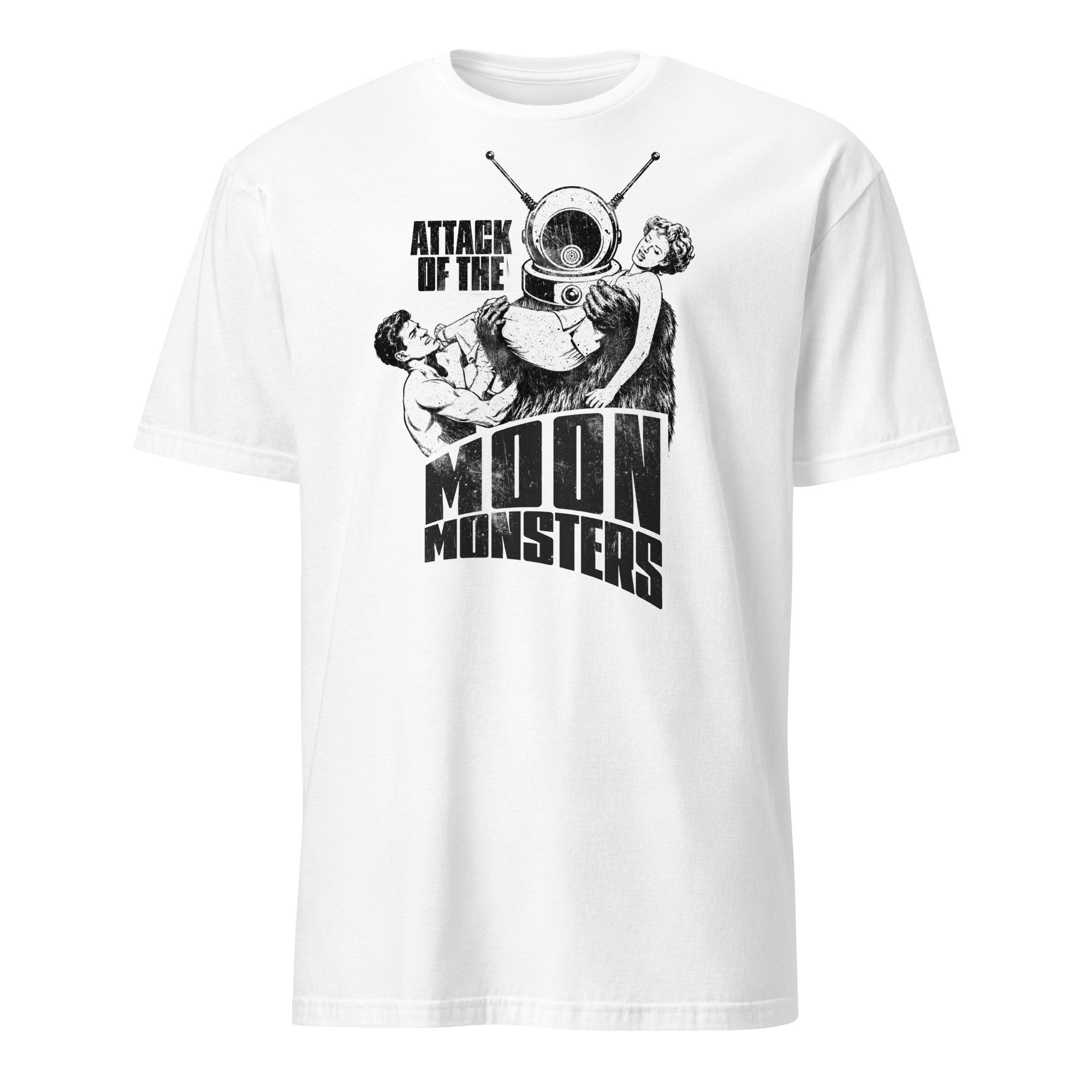
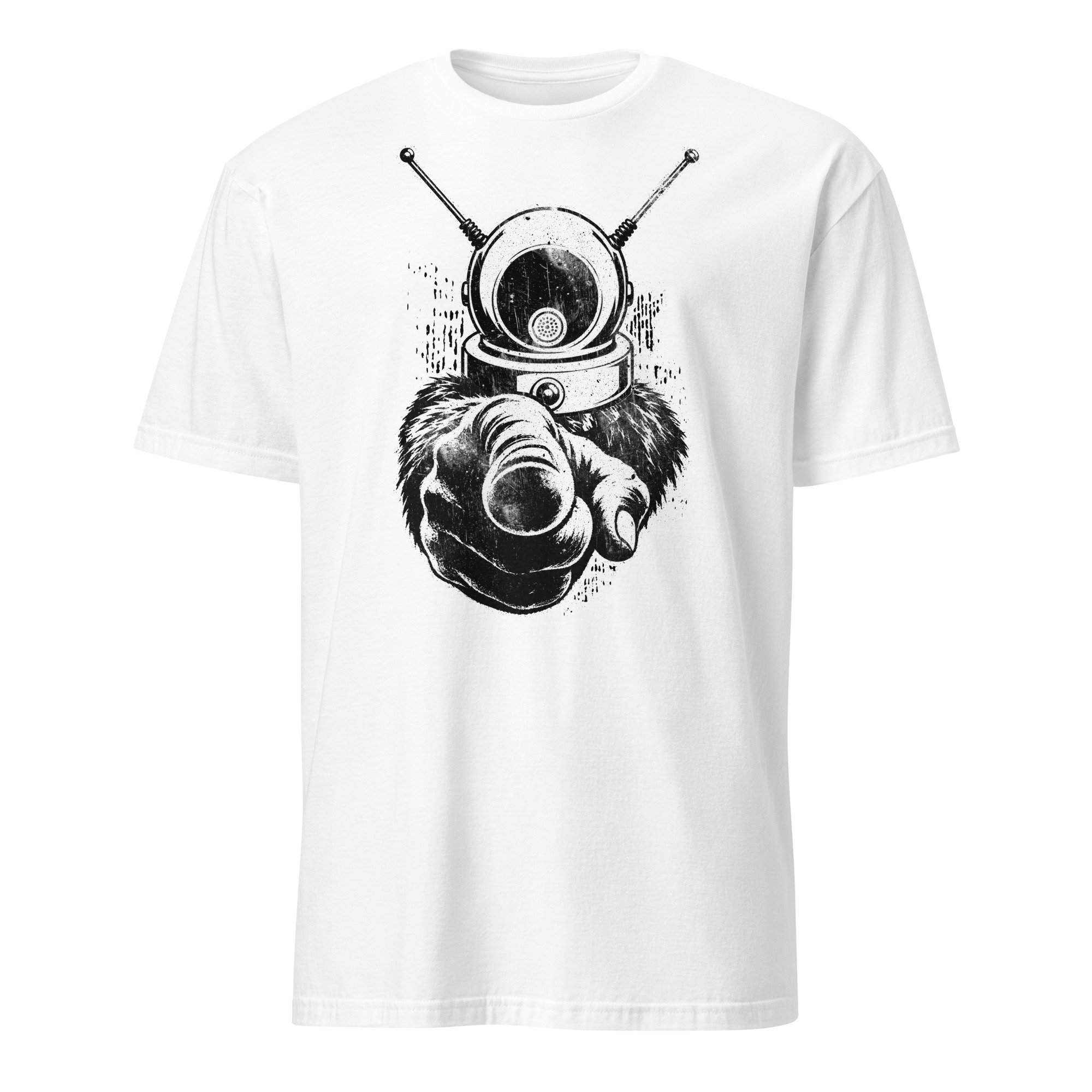


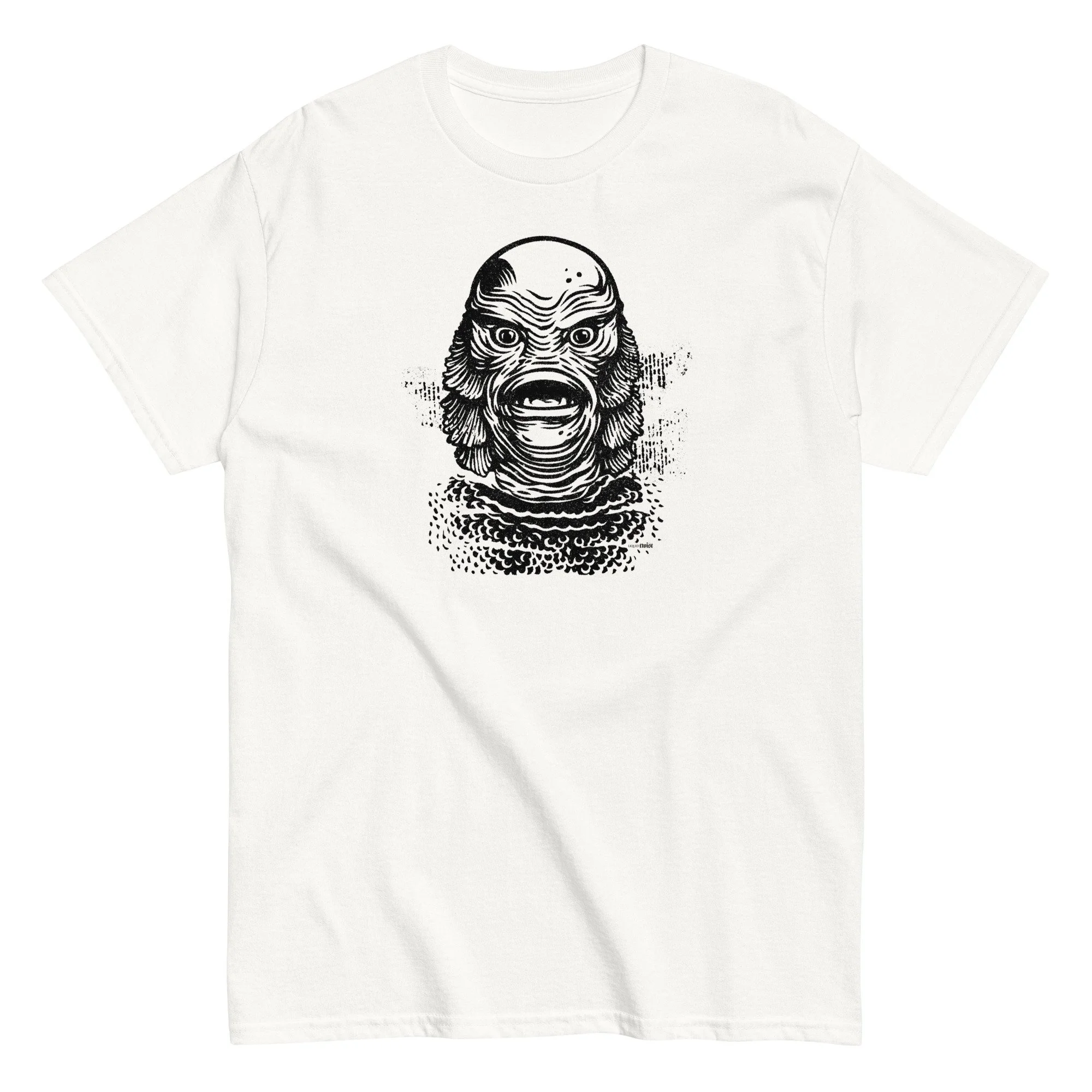
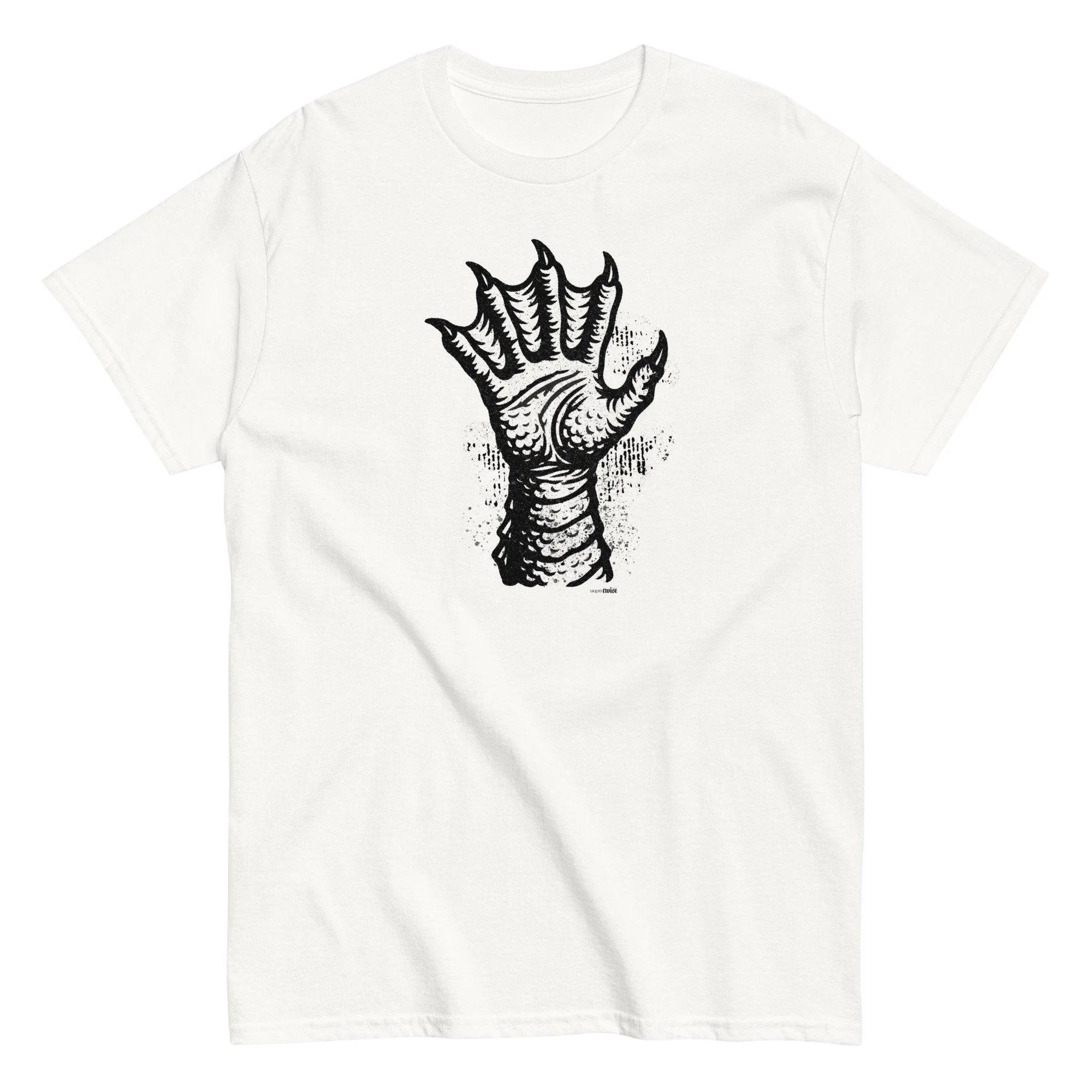
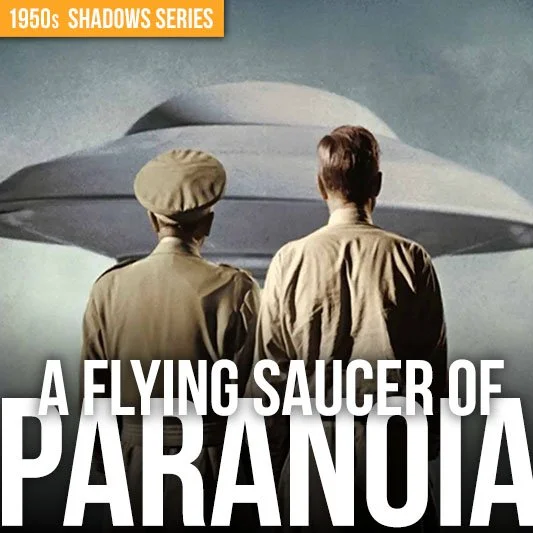
Communism. McCarthyism. Nuclear war. Government power. Conformity. Censorship. Social suspicion. Loss of individuality. All of that could fit inside a flying saucer if the script was clever enough.
Invasion Stories Were Built for Suspicion
Alien invasion movies were especially good at carrying blacklist-era anxiety because they already ran on suspicion.
Who is loyal? Who is pretending? Who has been changed? Who is working for the invaders? Who can still be trusted? That is not just sci-fi plotting. That is the emotional grammar of the Red Scare.
The 1950s invasion film often imagines a community under hidden attack. The enemy does not always arrive with explosions. Sometimes it spreads quietly. Sometimes it recruits. Sometimes it replaces. Sometimes it looks exactly like the people you already know.
That is why these films felt so connected to the era, even when they did not announce their politics. The entire structure mirrored the public mood: invisible threats, loyalty tests, ideological infection, pressure to name names, fear that the enemy was already inside.
The aliens were from space. The suspicion was from home.
And that is what makes the best invasion films feel so nasty in the best possible way. They are not just asking, “Can Earth survive?” They are asking, “Can trust survive?”
That is a much darker question.
Body Snatchers Was the Perfect Blacklist-Era Nightmare
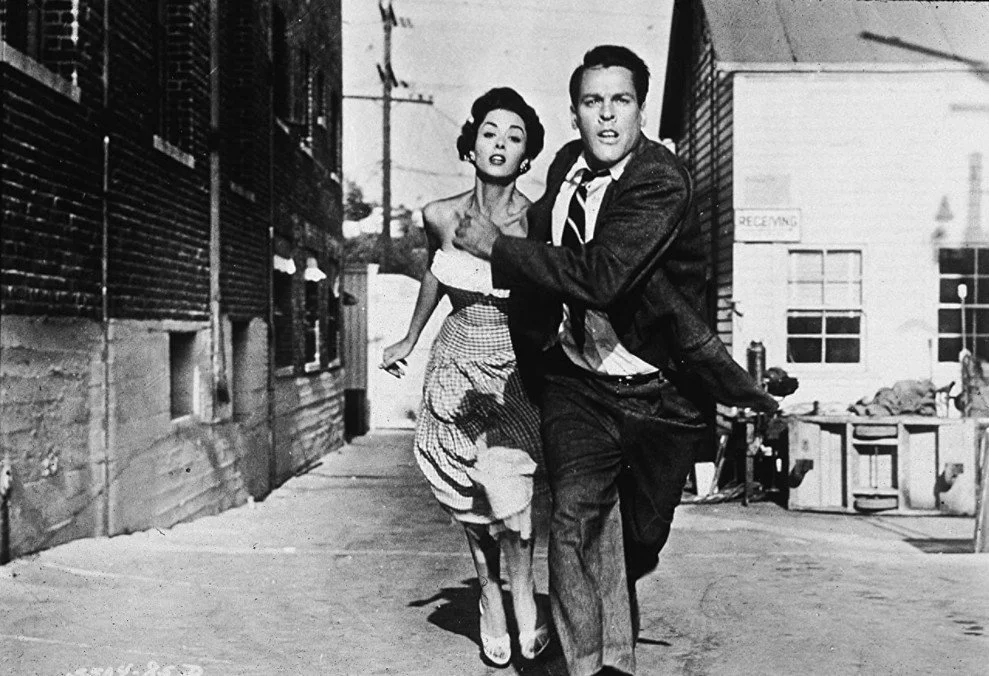
Invasion of the Body Snatchers is the obvious giant glowing pod in the room.
Released in 1956, the film has been interpreted in multiple ways: as fear of communism, fear of conformity, fear of McCarthyism, fear of suburban sameness, fear of emotional deadness, fear of social pressure, fear of people becoming hollow copies of themselves. The British Film Institute notes that the story has endured partly because it can reflect different fears across different eras, including Cold War anxiety, conformity, dehumanization, disease, and political corruption.
That ambiguity is the point.
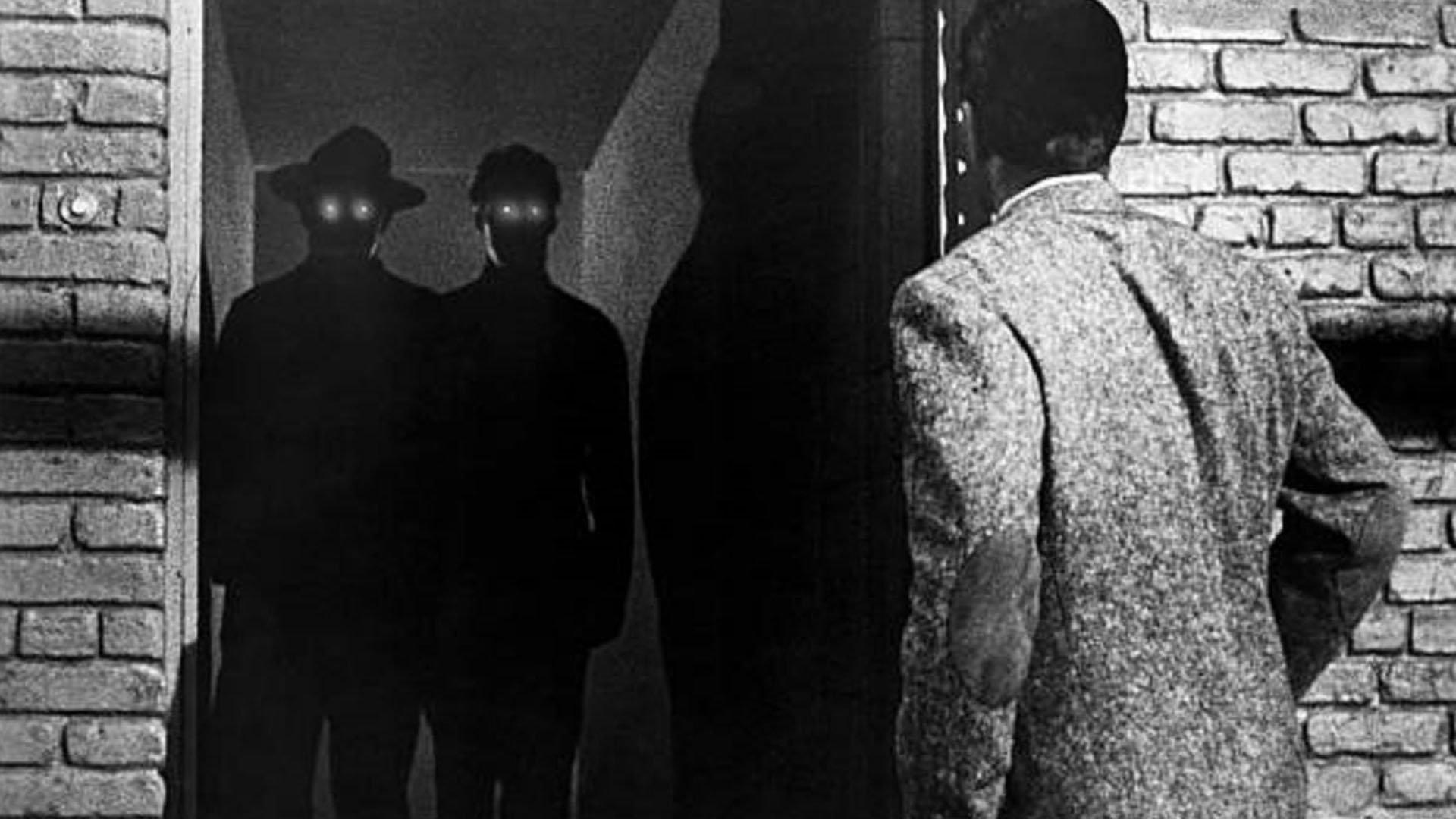
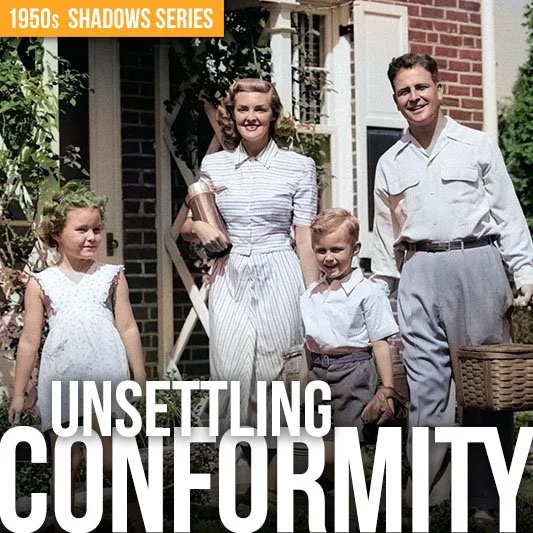
The film does not need to choose one fear because the entire decade was a pressure cooker of overlapping fears. The pod people can be read as communists absorbing the individual into the collective. They can also be read as the anti-Communist culture itself, demanding conformity and punishing difference. They can be read as suburban blandness. They can be read as workplace obedience. They can be read as any system that says: stop feeling, stop questioning, stop being difficult, and everything will be fine.
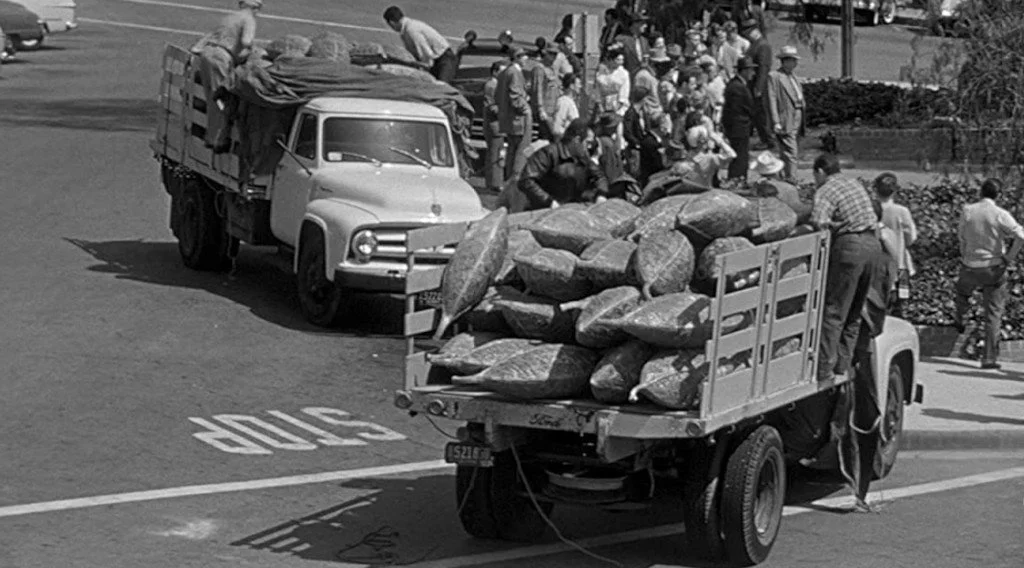
The pods are terrifying because they can stand for almost anything that wants you to stop being fully human.
That is what makes the movie so slippery and so good. It refuses to behave like a pamphlet. A pamphlet tells you what to think. A sci-fi nightmare lets the fear crawl around in your head and find its own hiding place.
The Day the Earth Stood Still Was a Warning in Disguise
Not all coded sci-fi hid its politics in paranoia. Some hid them in moral warning.
The Day the Earth Stood Still, from 1951, used alien visitation to stage a blunt but beautifully dressed-up question: Is humanity mature enough to survive its own weapons? The film is widely understood as a Cold War-era warning about nuclear danger and human self-destruction, but it delivers that warning through the elegant device of an extraterrestrial visitor instead of a domestic political argument. That matters.
That is the beauty of sci-fi. It can make the obvious feel strange enough to be heard.
A human character saying, “Your governments are reckless, your weapons endanger the planet, and your species needs to grow up,” could sound preachy or politically suspect. But Klaatu can say it because he comes from beyond Earth. He is outside our parties, outside our borders, outside our tribal nonsense.
The alien gives the film plausible distance. He is not a leftist critic. He is not a Washington insider. He is not a Soviet agent. He is a man from space telling Earth to stop acting like a drunk toddler with a loaded gun.
The Censor Could Miss the Raygun
The Production Code had already trained Hollywood to be indirect long before the blacklist era. Filmmakers had learned how to suggest sex without showing it, violence without overdoing it, moral corruption without saying everything out loud.
By the time Cold War political pressure intensified, Hollywood was already fluent in implication.
Sci-fi gave that implication a new playground. A raygun could distract from a political question. A rubber monster could sneak in a moral argument. A planet of obedient drones could talk about authoritarianism without naming a government. A future dictatorship could point backward at the present.
The trick was not always subtle. Sometimes it was as subtle as a robot stepping on a tank. But genre gave filmmakers room to move. Even a B-movie could carry an idea under its arm like contraband.
That is one reason these films are worth revisiting. The cheapness is part of the charm, yes. The painted backdrops, the stiff dialogue, the lab equipment, the military stock footage, the impossible science — all of that is delicious.
But underneath, there is often something else happening. A culture trying to speak while watching its words.
Writers Found Ways to Survive
The blacklist did not only affect what appeared on screen. It affected who could work, who got credit, who used pseudonyms, who left the country, who wrote under fronts, and who saw their career damaged or destroyed. Dalton Trumbo, one of the Hollywood Ten, famously continued writing under other names and fronts before later public credit helped expose the absurdity and cruelty of the system.
The University of Wisconsin’s Wisconsin Center for Film and Theater Research notes that Trumbo was one of the 1947 witnesses summoned by HUAC who refused to state whether they had been members of the Communist Party, becoming one of the Hollywood Ten.
That is the human cost behind the coded movies.
We can have fun with the monsters — and we should, because the monsters are fantastic — but the blacklist was not just an interesting backdrop. It ruined livelihoods. It pressured people to betray colleagues. It pushed artists into silence, exile, aliases, and fear. It narrowed what could be said openly.
And narrowing open speech always changes art. Sometimes it makes art timid. Sometimes it makes art sneaky. Sometimes it makes art stranger.
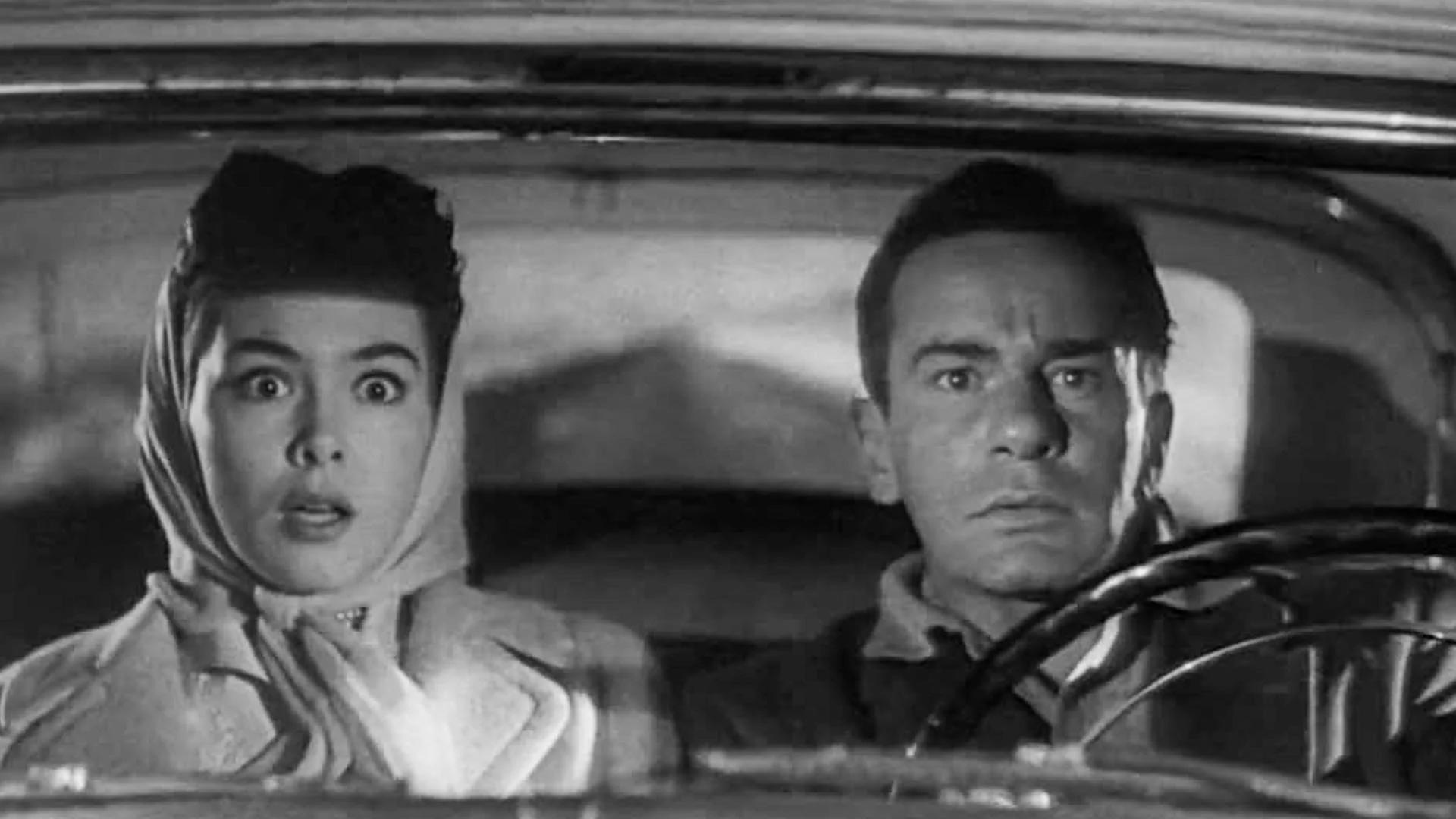
Science fiction benefited from that strangeness because the genre already loved disguise.
It was already comfortable with symbols. It already knew how to make a serious idea wear a ridiculous helmet and still somehow work.
The Dangerous Idea Was Often Freedom
For all the fear of subversion, many of the “dangerous” ideas hiding in sci-fi were not especially exotic. They were often basic human questions.
What happens when a society demands obedience, and fear becomes law? What happens when people are punished for thought, and the crowd turns against the individual? What happens when the state claims emergency power, and technology outruns conscience? What happens when everyone is told to act normal while something monstrous grows underneath?
Those are not fringe questions. Those are civilization questions. But in the blacklist era, asking the wrong question could feel risky.
Sci-fi explored themes through monsters, aliens, and futures. It sent the argument into space and waited for the audience to recognize it on re-entry.
That is why this material still feels alive. The specific politics of the era matter, but the deeper issue has not gone anywhere. Artists still face pressure. Studios still avoid risk. Public moods still punish complexity. Audiences still argue over what a story “really means.” And genre still gives dangerous ideas a place to hide until people are ready to see them.
The spaceship was never just a spaceship. Sometimes it was a getaway car.
Why This Makes the Movies Better
Knowing the blacklist context does not ruin the fun. It makes the fun sharper.
The flying saucers get stranger. The pod people get scarier. The stiff speeches about freedom and humanity start to glow a little brighter. The cheap sets look less like limitations and more like hiding places. Suddenly, a monster movie is not just a monster movie. It is a record of a culture speaking under pressure.
That is the pleasure of watching classic sci-fi closely. You see the seams. You see the fear. You see the workaround.
You see how a movie can be ridiculous on the surface and serious underneath. Sometimes very serious. Sometimes deadly serious. Sometimes written by people who knew exactly what it meant to be watched, questioned, accused, or silenced.
That does not mean every bug-eyed alien was a coded political dissertation. Let’s not turn every rubber suit into a graduate seminar wearing flippers.
But it does mean the genre gave filmmakers options. When plain speech was dangerous, sci-fi could still whisper. And sometimes the whisper outlived the shouting.


Conclusion: The Monster Knew What It Was Doing
The Hollywood blacklist tried to control speech by making fear professional.
It made careers fragile. It made association dangerous. It made politics a workplace hazard. It turned writers and filmmakers into suspects and forced the industry to prove its loyalty by sacrificing its own people.
But ideas are stubborn little creatures. They mutate. They disguise themselves. They crawl under doors.
In 1950s sci-fi, dangerous ideas found shelter inside monsters, aliens, robots, and strange worlds. The genre gave political fear a mask, and that mask let the stories keep moving. A film could be sold as entertainment while quietly asking what happens when society becomes obsessed with enemies, obedience, purity, and control.
When politics became dangerous, monsters got very useful. And that is why these old movies still matter. Not because every one of them was secretly brilliant, and not because every saucer was a manifesto.
Sci-fi, at its best, has always known how to tell the truth sideways. Especially when telling it plainly could get you erased.
FAQ
-
The Hollywood blacklist was a period when writers, directors, actors, and other entertainment professionals were denied work because of alleged Communist ties, political beliefs, or refusal to cooperate with anti-Communist investigations.
-
The Hollywood Ten were ten screenwriters and directors who refused to answer HUAC questions in 1947 about Communist Party membership or affiliations. They were cited for contempt of Congress, imprisoned, and blacklisted by major studios.
-
Sci-fi allowed filmmakers to explore political fear, conformity, censorship, nuclear anxiety, and authoritarianism indirectly. A story about aliens or monsters could carry ideas that might be risky if stated plainly.
-
No. Some were just monster movies, and some were commercial entertainment first. But the blacklist and Cold War atmosphere shaped the culture around them, making themes of suspicion, conformity, invasion, and control especially powerful.
-
It can be read both ways, which is why it remains so interesting. The pod people can symbolize Communist collectivism, anti-Communist conformity, suburban sameness, or any force that replaces individuality with obedience.

Stay in Wonderland, follow the rabbit, and see how deep the hole goes.
The Gildan 5000 is a Heavy Cotton™ T-shirt.
• Fit: Men's Classic Crew Neck Tee
• 100% cotton t-shirt that is preshrunk to reduce shrinkage
• Taped neck and shoulders
• Seven-eighths-inch seamless collar
• Double seam at sleeves and bottom hem
• Tear-away Label
Gear up and expand your human potential with Liquid Twist.