
The Dark Side of the Atomic Age
The Atomic Age gave 1950s sci-fi its glow — and its nightmares.
This was the era when the future came wrapped in chrome, fins, rockets, miracle plastics, and smiling magazine ads. But underneath all that shine was a darker pulse: mushroom clouds, fallout drills, contaminated deserts, and the terrifying idea that one human mistake could erase an entire city before lunch.
That fear crawled straight into the movies, where nuclear anxiety became giant ants, awakened dinosaurs, radioactive monsters, and landscapes that looked like tomorrow had already gone wrong. The future looked shiny because the present was terrified.
-
1950s sci-fi was shaped by real nuclear fear, not just wild imagination.
Atomic radiation became a storytelling shortcut for monsters, mutation, destruction, and moral panic.
Films like Them! and The Beast from 20,000 Fathoms turned scientific anxiety into creature-feature spectacle.
The genre’s glowing rockets and chrome optimism often hid a much darker question: what if progress destroys us before it saves us?

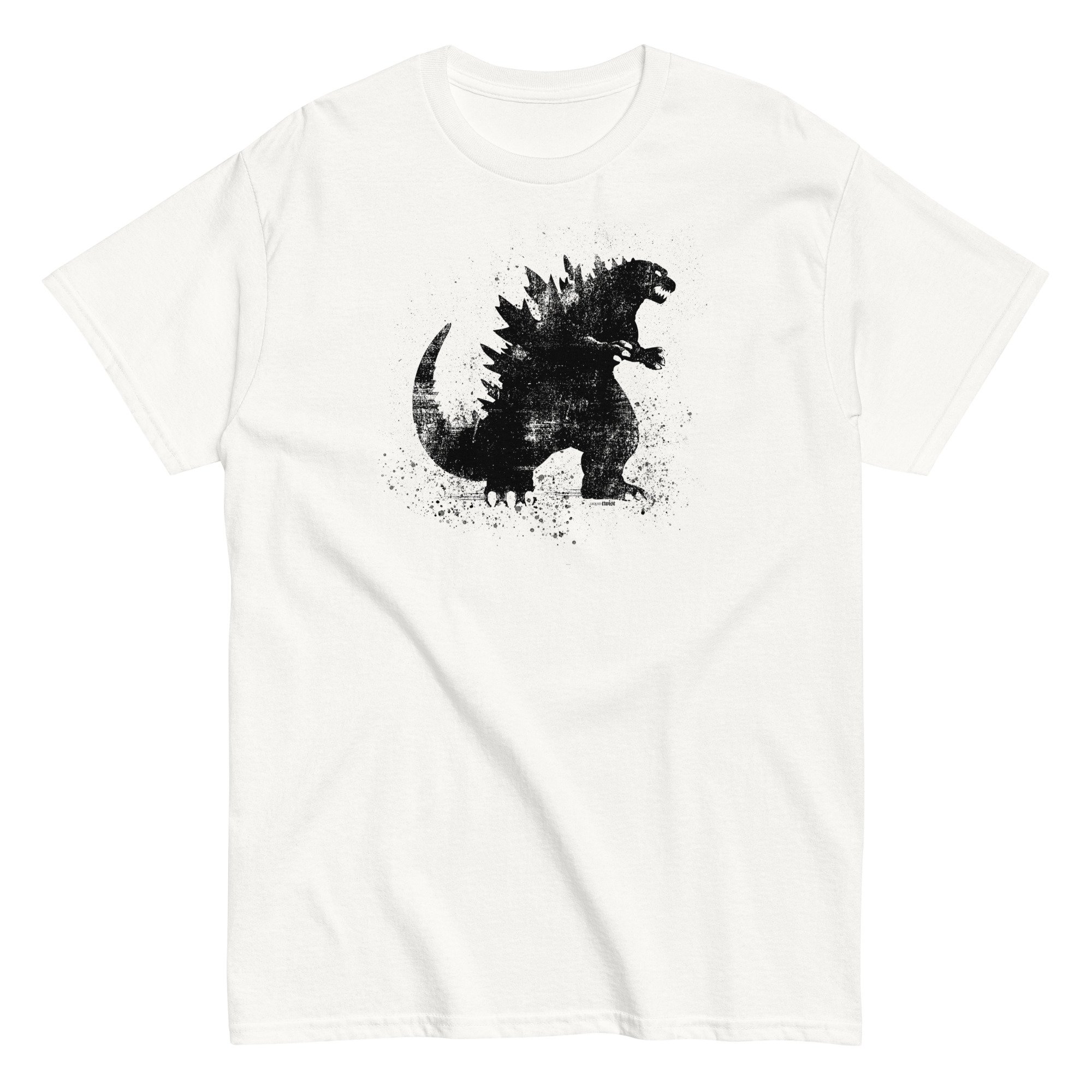

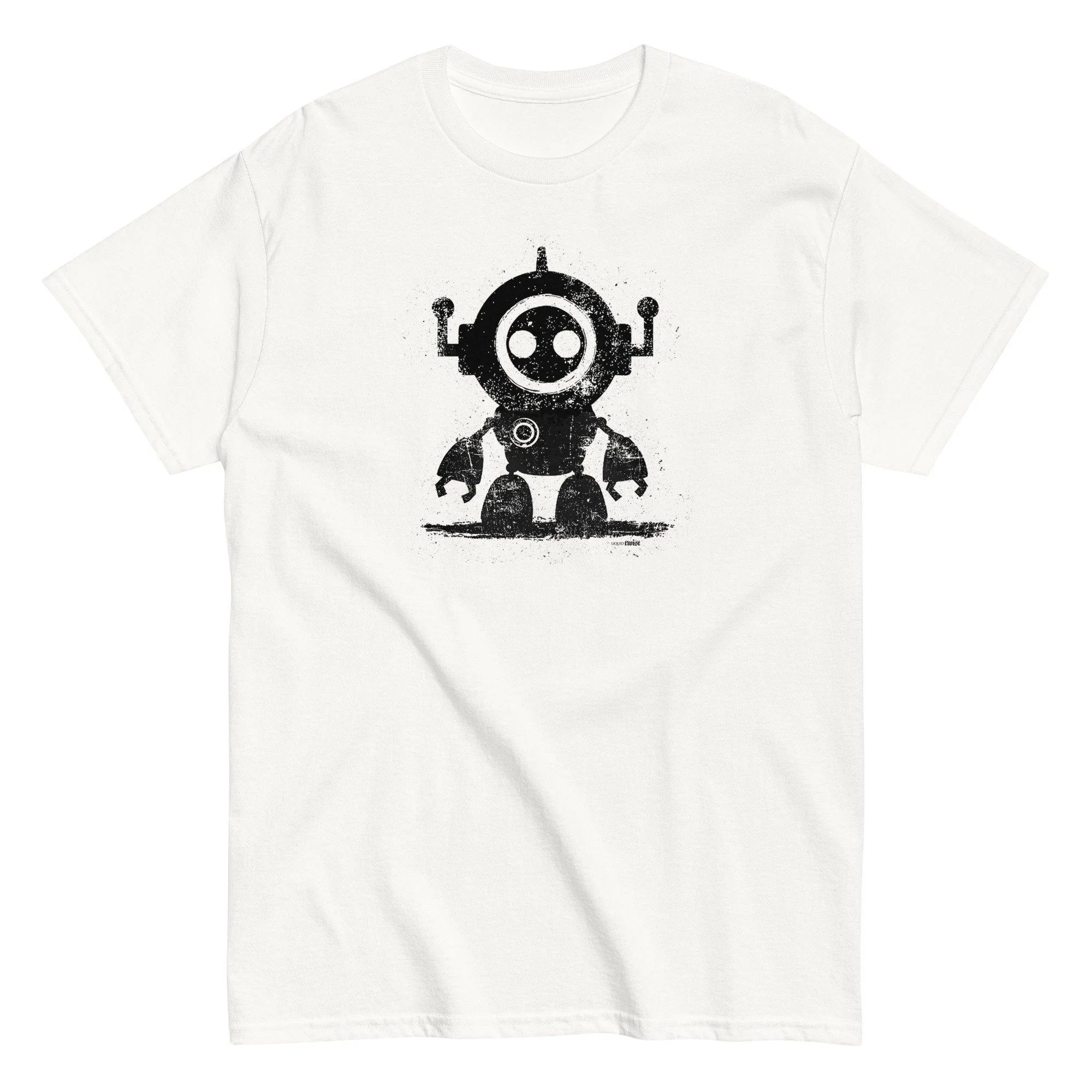

The Future Had a Mushroom Cloud
The 1950s loved the future — but it did not trust it.
That is the strange magic of Atomic Age science fiction. On the surface, everything sparkled. Flying saucers glided across matte-painted skies. Rocket ships stood proudly on pulp covers. Scientists wore crisp white coats and announced the next breakthrough with total confidence. The future seemed clean, fast, and full of possibility. But then the Geiger counter started clicking.

The same culture that promised atomic-powered cities was also teaching schoolchildren to duck under their desks. The same nation dreaming of space colonies was building fallout shelters. The same magazines selling tomorrow as a bright new frontier were surrounded by a world where nuclear war no longer felt theoretical. In the early 1950s, American civil defense campaigns pushed survival messaging into everyday life, including school drills and mass-distributed materials meant to reassure the public that preparation could help them survive an attack.
That contradiction is what makes 1950s sci-fi so fascinating. It is not just “old movies with rubber monsters.” It is a culture trying to process the fact that humanity had invented a power it could barely comprehend.
And because movies are movies, that fear did not stay abstract for long. It grew legs, mandibles, scales, tentacles, and a glowing dorsal spine.
The Atomic Age promised tomorrow — then immediately asked if we would live long enough to see it.
Radiation Was the Perfect Monster Maker
Radiation became one of the great cheat codes of 1950s science fiction.
Need a giant insect? Radiation. Need a dinosaur thawed from prehistoric ice? Atomic testing. Need a hideous mutant? Radiation. Need a desert where science has gone morally sideways? Radiation again.
It was invisible, modern, scientific, and terrifying. You could not see it. You could not smell it. You might not know you had been touched by it until it was too late. For filmmakers, that made radiation almost supernatural — but with a lab-coat excuse.
That is why atomic sci-fi hits differently from older monster stories. Dracula came from the old world. Frankenstein came from Gothic science and human arrogance. But the atomic monster came from us. From test sites. From military projects. From laboratories. From the bright, humming machinery of progress.
The monster was not hiding in a castle. It was born in the blast radius.
1950s sci-fi understood something very sharp: the scariest monsters are not always invaders from beyond. Sometimes they are side effects.
Giant Bugs Were Not Just Giant Bugs
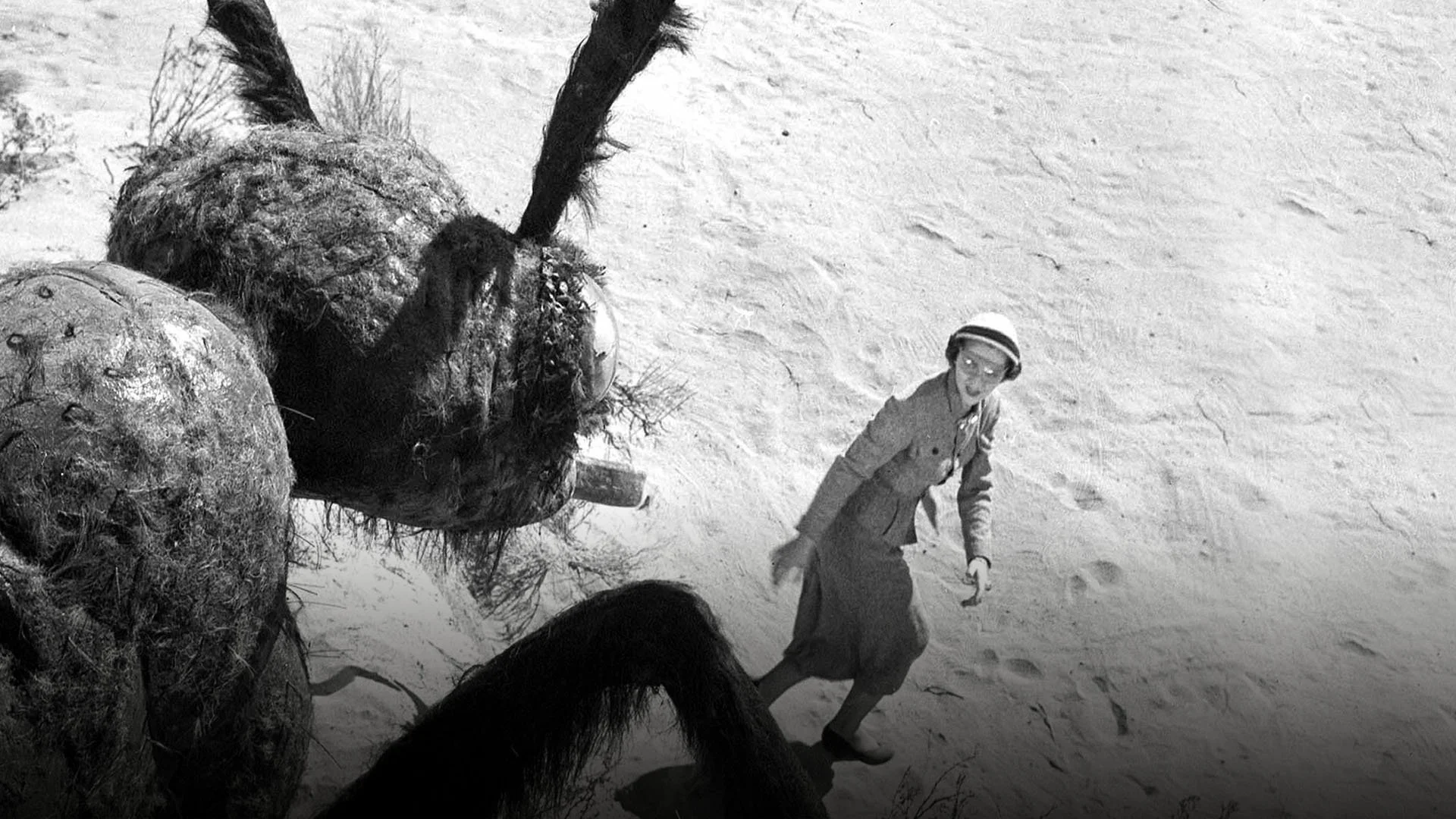
The great atomic creature feature Them! arrived in 1954 and gave audiences one of the cleanest metaphors of the decade: nuclear testing creates giant ants in the New Mexico desert, and then those ants become a national threat. The story eventually moves toward Los Angeles, where the nightmare goes underground into storm drains and concrete channels. That is not subtle. And honestly, thank goodness.
Them! works because it takes something tiny, ordinary, and easy to ignore — an ant — and makes it impossible to dismiss. That is atomic fear in a nutshell. One little test. One little scientific breakthrough. One little military project out in the desert. Then suddenly, the problem is ten feet tall and chewing through civilization.
The brilliance of the giant insect movie is that it turns scale into accusation. The ants are not evil in some Shakespearean sense. They are nature distorted by human force. They are the unpaid bill for all that scientific confidence.
That is why these movies still have bite. The special effects may creak. The dialogue may stiffen. The military men may point at maps with heroic seriousness. But the central idea still lands:
We changed the world before we understood the consequences. And the world changed back.
The Desert Became a Warning Sign
The desert is one of the great visual spaces of 1950s atomic sci-fi.
It is empty, but not peaceful. Bright, but not safe. Open, but full of secrets. In these movies, the desert often feels like a place where civilization has pushed its worst ideas far enough away that polite society does not have to look at them. Until something crawls out.
The glowing desert became a kind of cinematic no-man’s-land — part science lab, part military zone, part haunted landscape. It was where bombs were tested, monsters were discovered, and men in uniforms arrived too late with equipment that looked impressive but never quite reassuring.
There is something visually perfect about it: the white-hot sky, the cracked earth, the distant mountains, the tiny human figures walking into a place that feels already contaminated by the future.
The desert in 1950s sci-fi says, “Something happened here, and now we all have to pay for it.” The Atomic Age desert was not empty. It was waiting.
Atomic Monsters Were Progress With Teeth
One of the most important atomic monster films of the era, The Beast from 20,000 Fathoms from 1953, begins with an Arctic atomic test that awakens a prehistoric creature frozen in the ice. The Rhedosaurus eventually makes its way toward New York, turning nuclear experimentation into urban panic.
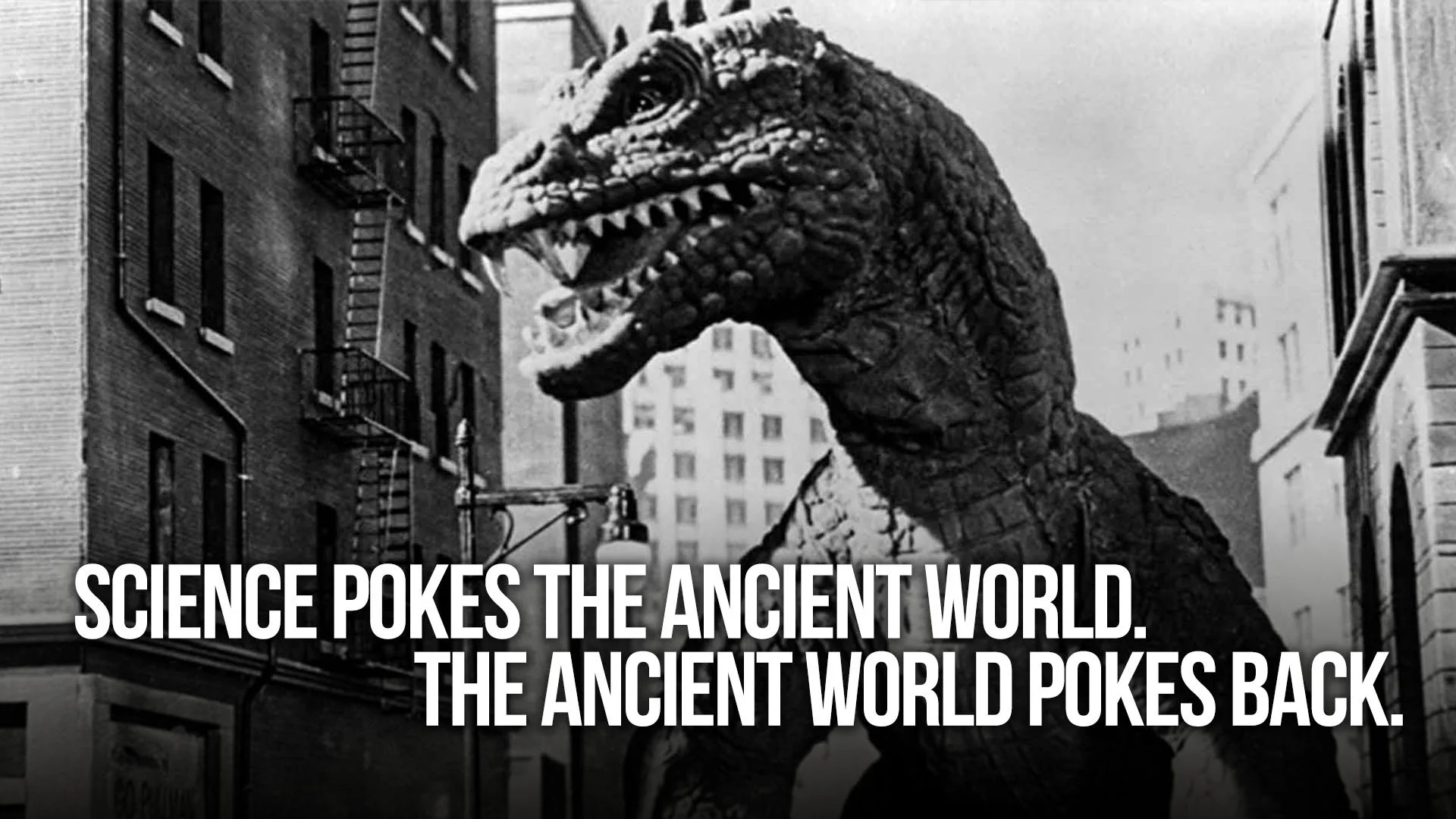
Again, the formula is simple. Science pokes the ancient world. The ancient world pokes back.
That is the thing people sometimes miss about these movies. The monster is not just a monster. It is a consequence with claws. It is the return of something humanity thought it had mastered, buried, frozen, classified, or explained away. And in the Atomic Age, that mattered.
The 1950s were full of faith in experts, institutions, laboratories, and technological progress. But atomic sci-fi often placed a little crack in that confidence. The scientist might be brilliant, but brilliance was not the same as wisdom. The military might be powerful, but power was not the same as control.
The monster usually proved that point by smashing through a city. Which, as arguments go, is hard to ignore.







Godzilla Made the Fear Impossible to Laugh Off
No discussion of atomic sci-fi’s dark side can avoid Godzilla.
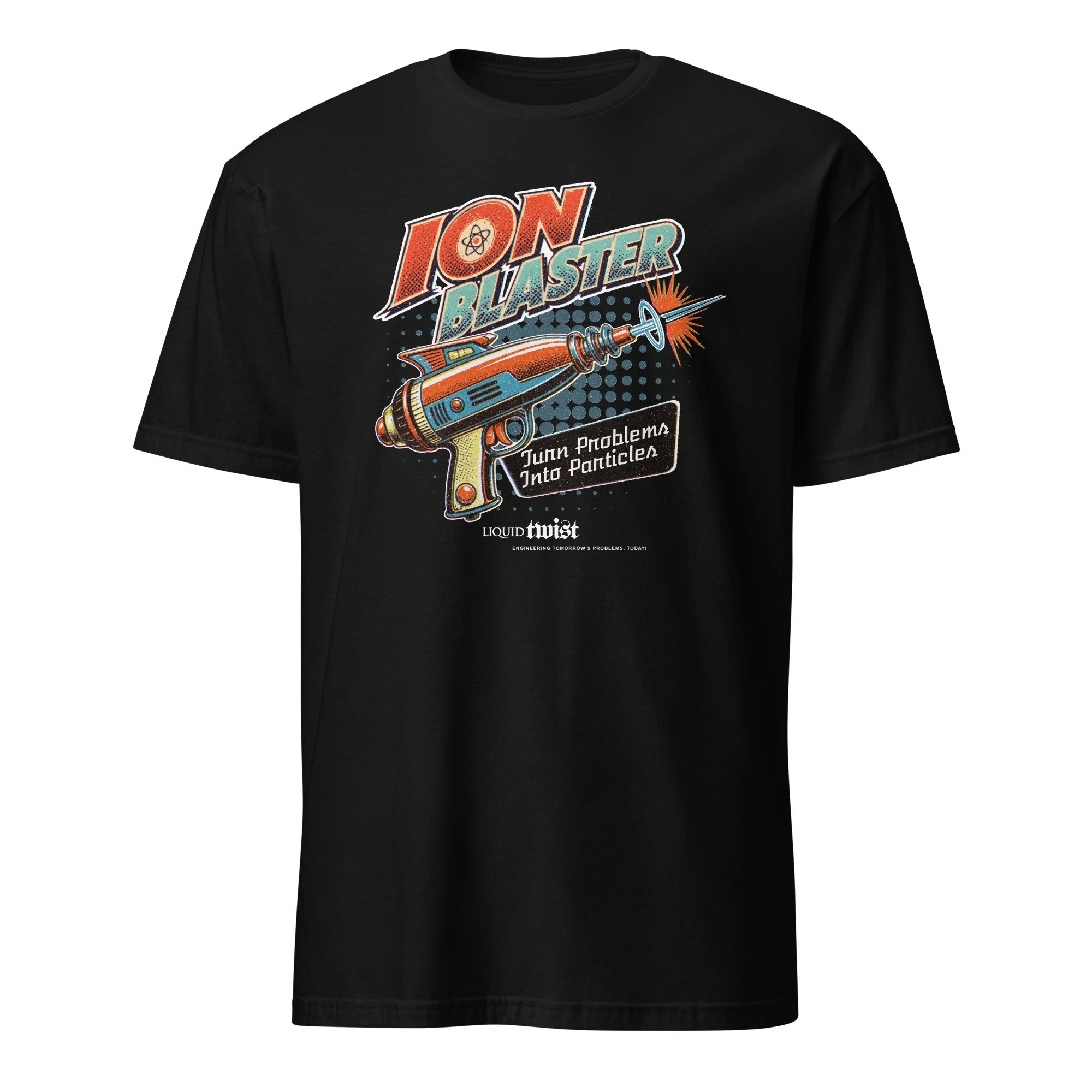
Released in Japan in 1954 as Gojira, the original film was not just a monster romp. It was a national nightmare walking out of the sea. The film arrived the same year as the Lucky Dragon No. 5 incident, when a Japanese fishing vessel was exposed to fallout from the U.S. Castle Bravo nuclear test at Bikini Atoll on March 1, 1954. The incident helped intensify Japanese public fear around nuclear testing and radiation.
That context matters.
The original Godzilla is not merely “big lizard attacks city.” It is a radioactive trauma made visible. Godzilla is the bomb, the blast, the firestorm, the survivor’s memory, and the fear that the ocean itself has become poisoned by human ambition.
American atomic monster movies often turned nuclear fear into pulp thrills. Godzilla did something heavier. It made the monster mournful. It made destruction feel intimate. It made the city not just a playground for spectacle, but a place full of human lives waiting to be erased.
That is why Godzilla endures. Yes, the franchise would later become colorful, strange, kid-friendly, cosmic, ridiculous, and wonderful. But the original creature came from a very dark place. He was not born from fun. He was born from fallout.
Why Cities Were Always Waiting to Be Erased
New York. Los Angeles. Tokyo. Washington.
The city becomes the target, the prize, the test case, the thing that proves the monster is no longer local. Once the creature reaches the city, the nightmare has gone public. That is pure Cold War psychology.
A city is not just buildings. It is density. Crowds. Infrastructure. Families. Traffic. Newspapers. Neon signs. Department stores. Apartment windows. All the ordinary machinery of modern life. To threaten the city is to threaten the idea that daily life can continue. Atomic sci-fi understood that fear beautifully.
A monster in the desert is disturbing. A monster in the city is civilization failing in real time.
And in the nuclear age, cities were not abstract targets. They were the obvious nightmare. One flash. One blast. One map coordinate. Gone.
So the movies gave audiences a version they could survive. A monster could be shot, trapped, burned, frozen, electrocuted, or lured into a final showdown. A nuclear war could not be handled so neatly.
They let people watch the end of the world for 80 minutes, then walk back into the lobby.
Creature features gave shape to a shapeless fear.
Atomic sci-fi gave audiences a monster they could see, because the real fear was invisible.
The Shiny Future Was Always Cracked
This is why the Atomic Age remains so visually powerful.
The era gave us some of the most irresistible design language in pop culture: starbursts, boomerangs, chrome rockets, bubble helmets, sleek fins, orbit lines, control panels, and typography that looked like it had just escaped from a spaceport cocktail lounge. But underneath that style was dread.

That tension is the whole flavor. The future looked amazing because people desperately needed it to look amazing. The shine was not fake, exactly. It was aspirational. It was hope with a polished surface.
But sci-fi kept scratching that surface. Behind the rocket was the missile. Behind the laboratory was the test site. Behind the glowing skyline was the mushroom cloud. Behind every “world of tomorrow” was the possibility that tomorrow might not show up.
That is the dark side of the Atomic Age. It did not kill the imagination. It supercharged it. Fear became design. Anxiety became monsters. The end of the world became a Saturday matinee.
And somehow, decades later, we are still watching.
1950s sci-fi reminded us that some things glow because they’re radioactive.
Conclusion: Tomorrow Had a Warning Label
The best 1950s atomic sci-fi is not charming because it is old.
It is powerful because it caught a culture arguing with itself. One side wanted rockets, progress, convenience, and a glittering future. The other side knew humanity had just built the most terrifying weapon in history and immediately started acting like everything was fine.
That contradiction gave us monsters.
Giant ants in the desert. Dinosaurs awakened by atomic tests. Radioactive giants rising from the sea. Cities trembling under the shadow of something too large to understand.




FAQ
-
Because radiation was one of the defining fears of the Atomic Age. It was invisible, poorly understood by the public, and tied directly to nuclear weapons, testing, fallout, mutation, and mass destruction.
-
Many of them were. Films like Them!, The Beast from 20,000 Fathoms, and Godzilla used monsters as visible symbols of atomic anxiety, scientific overreach, and the fear that modern progress could unleash consequences humanity could not control.
-
Deserts worked visually and symbolically. They felt remote, dangerous, experimental, and connected to real-world nuclear test imagery. In 1950s sci-fi, the desert often became the place where the future went wrong before the rest of society noticed.
-
Both. That is what makes it interesting. It loved rockets, science, and future design, but it was also haunted by nuclear war, fallout, mutation, and the fear that humanity might destroy itself with its own inventions.
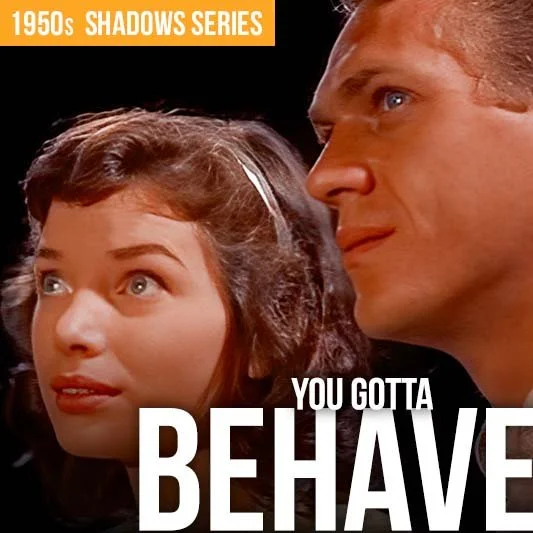


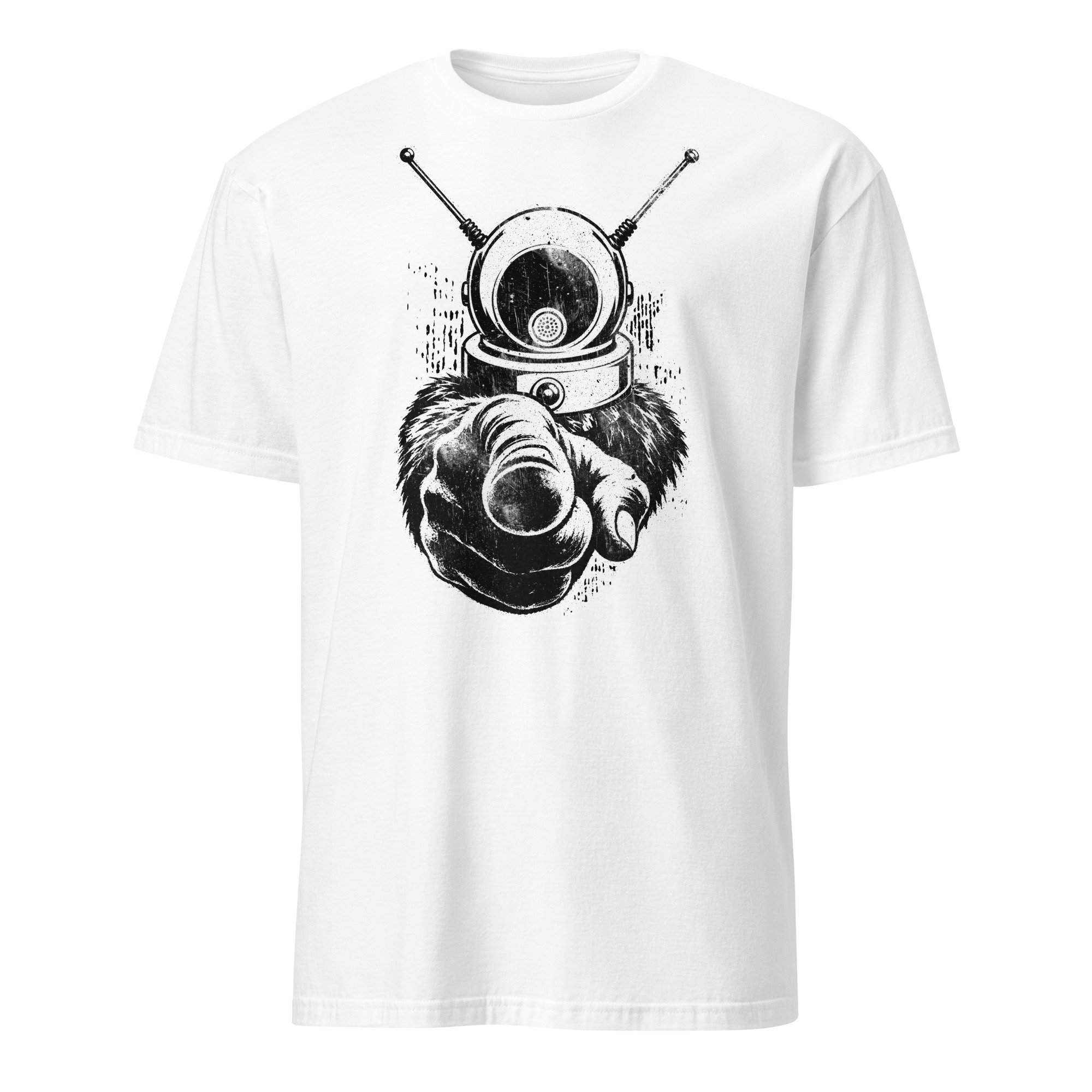
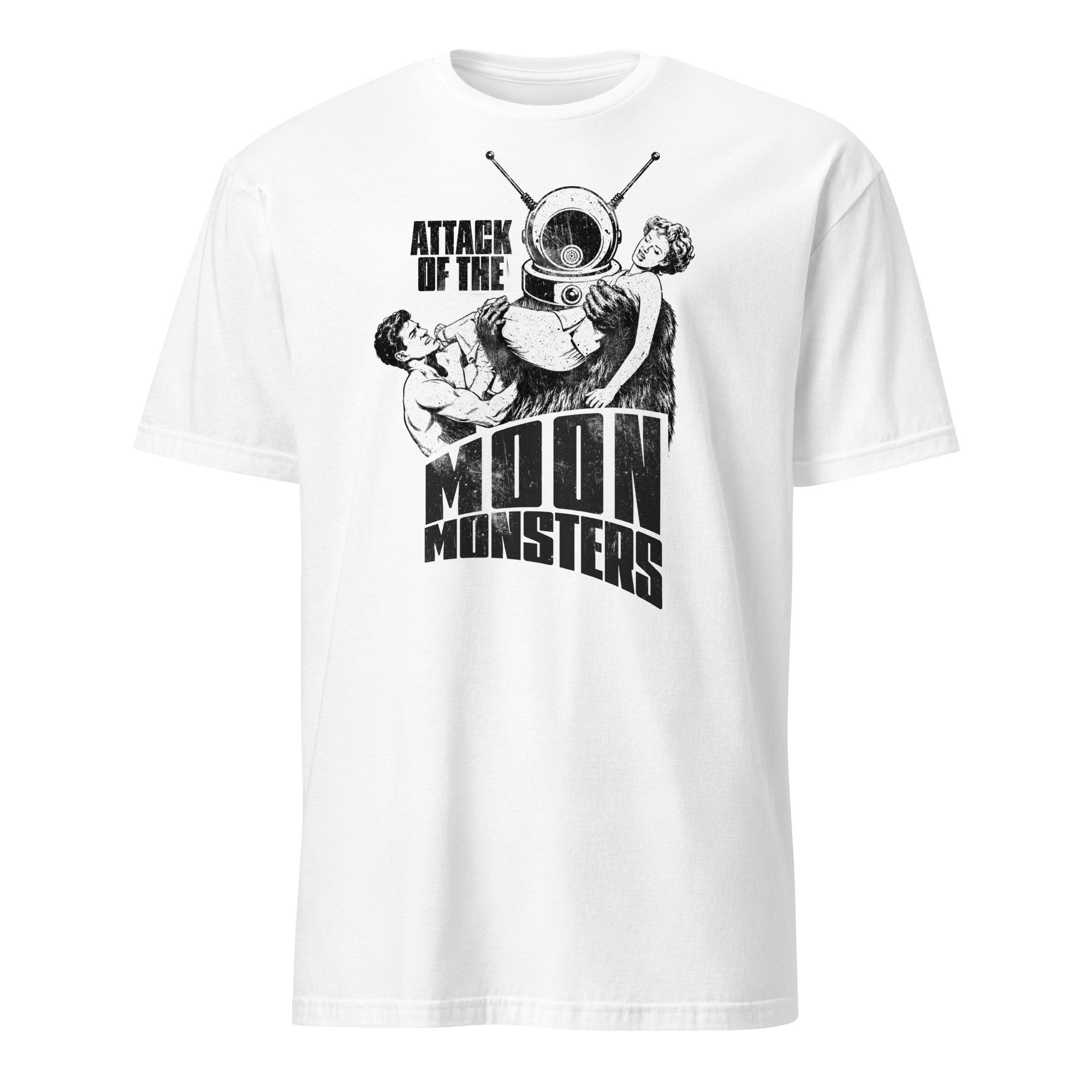
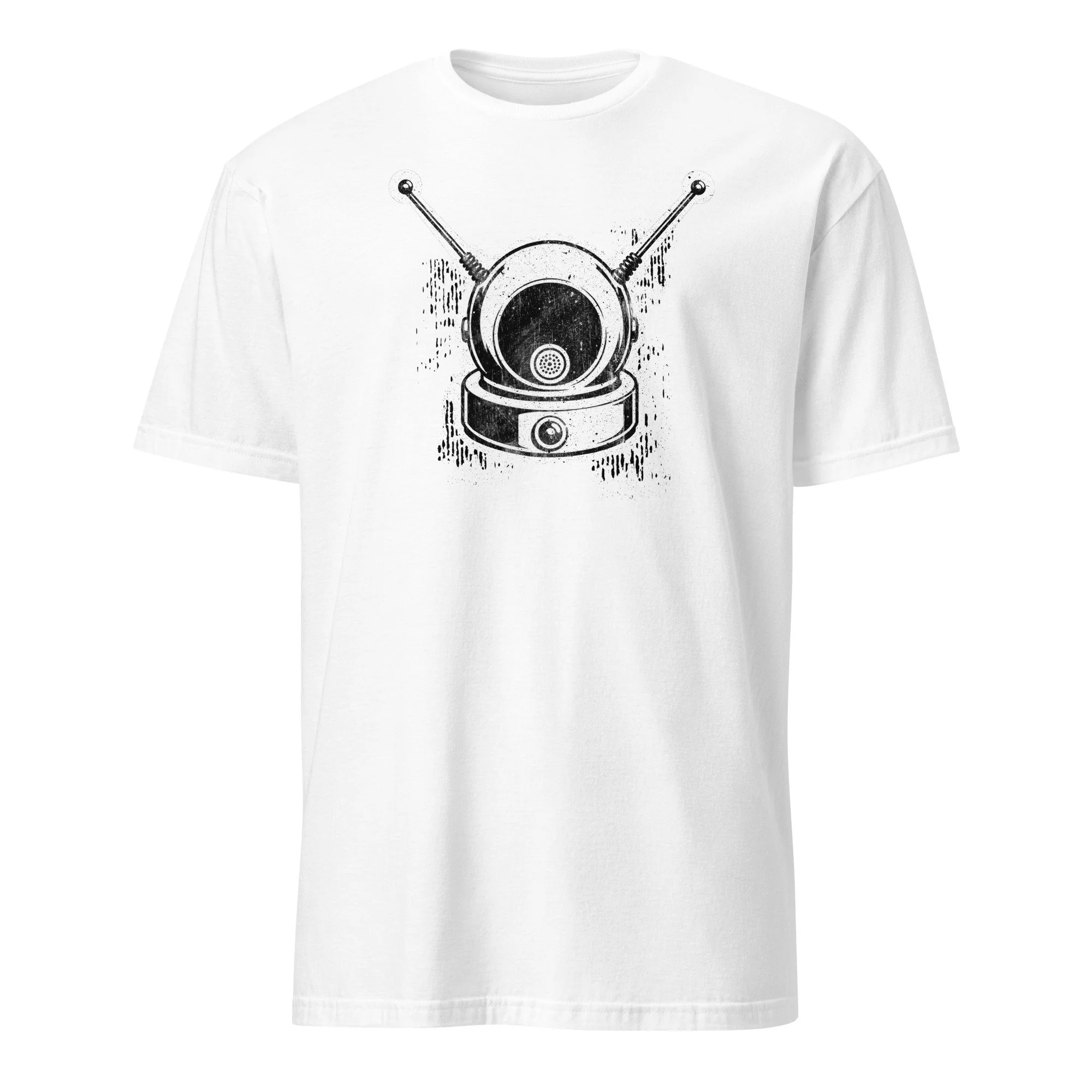
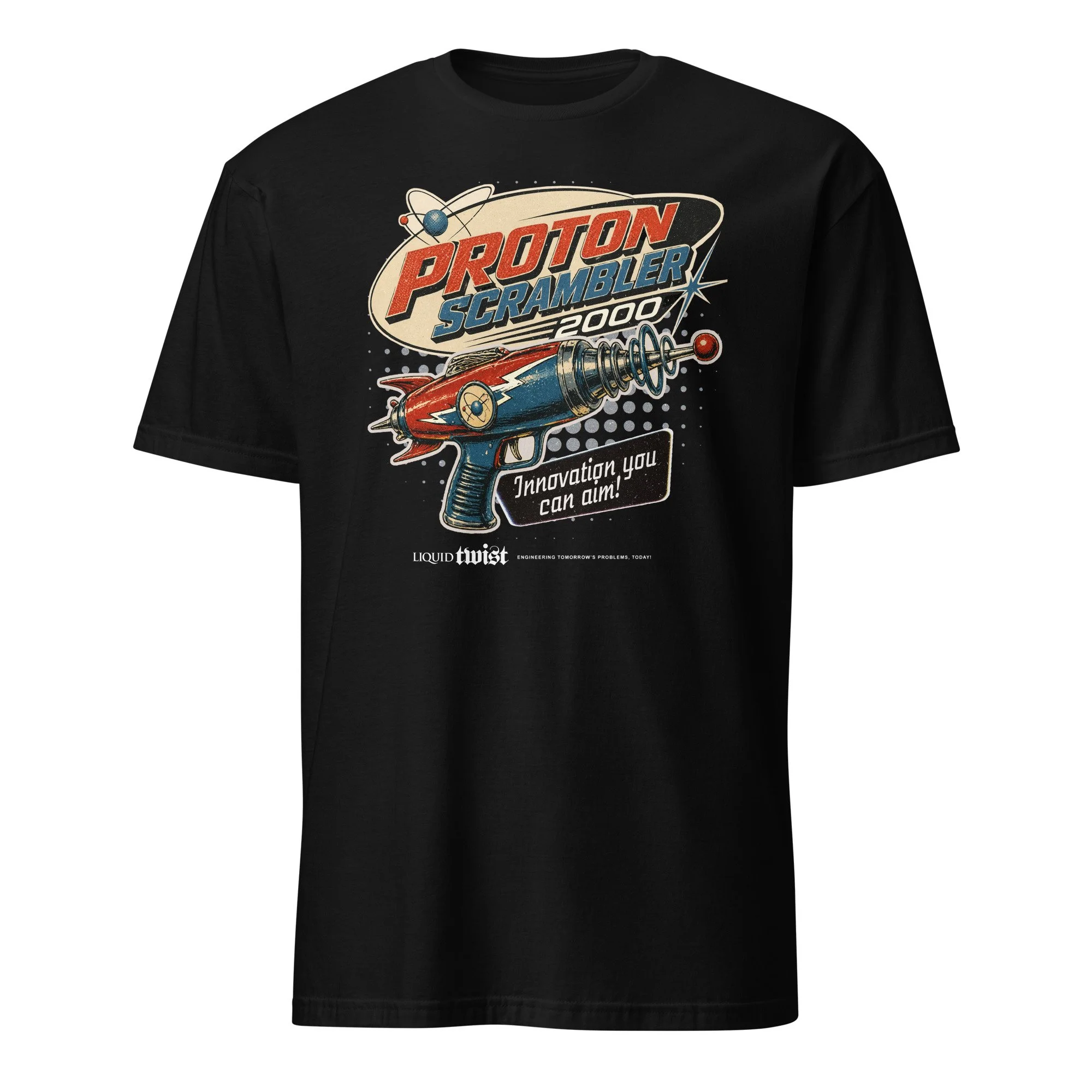
No matter what planet you're on or traveling to, the 100% cotton men's classic tee sits nicely, maintains sharp lines around the edges, and feels great on long intergalactic space flights.
The Gildan 5000 is a Heavy Cotton™ T-shirt
• Fit: Men's Classic Crew Neck Tee
• 100% cotton, preshrunk to reduce shrinkage
• Taped neck and shoulders
• Seven-eighths-inch seamless collar
• Double seam at sleeves and bottom hem
• Tear-away Label