
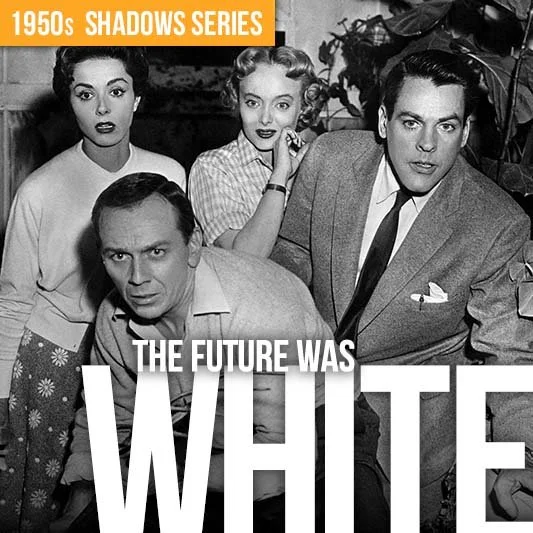
The Future Was Mostly White
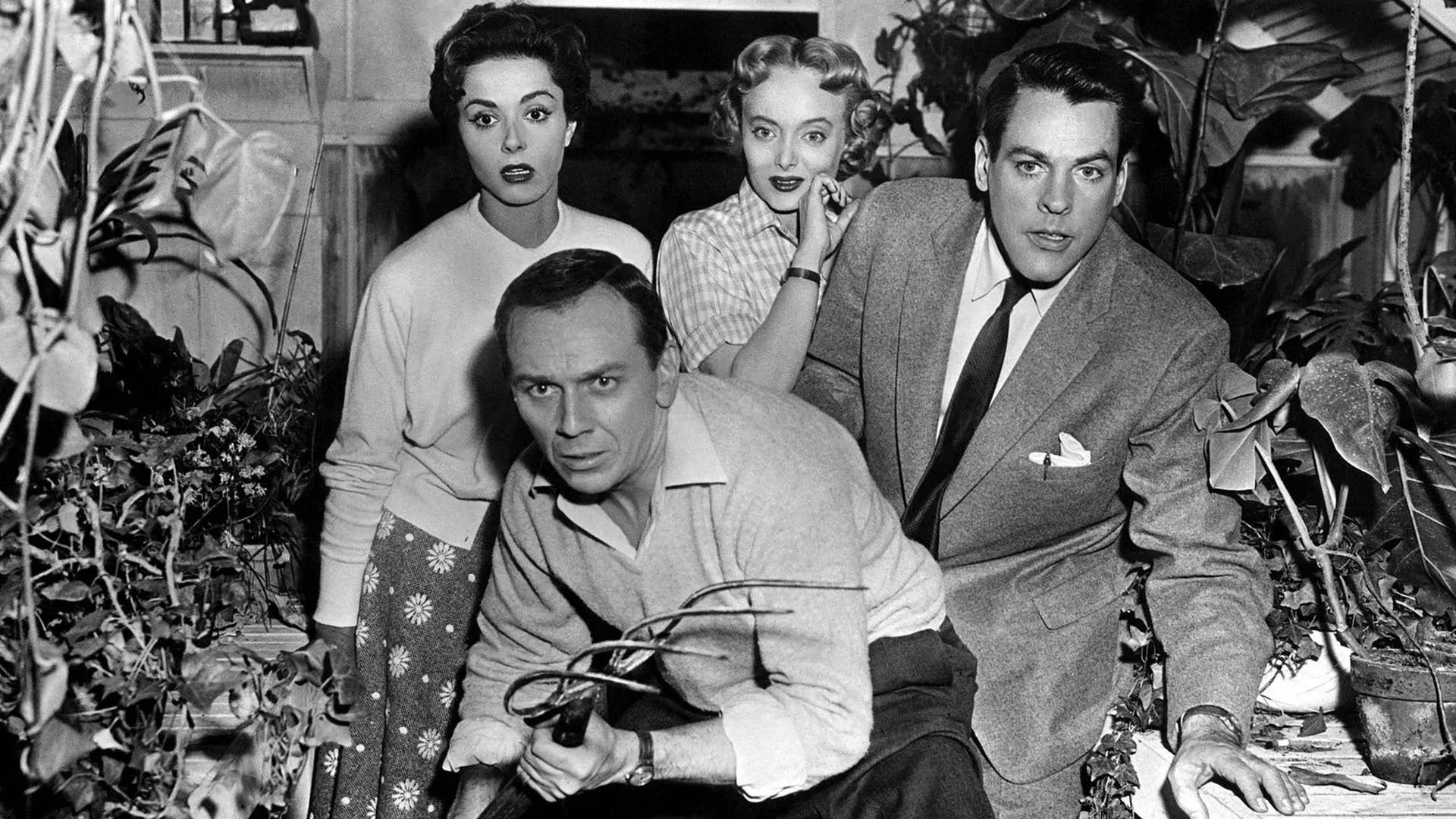
Classic sci-fi imagined other planets more easily than it imagined a fully inclusive America.
That is one of the strangest and most revealing things about 1950s science fiction. These movies could dream up alien civilizations, radioactive monsters, advanced robots, flying saucers, interstellar warnings, and cities of tomorrow — but the human future on screen was usually very white, very male-led, very suburban, and very narrow. The galaxy was huge. The casting was not.
This does not mean we stop loving classic sci-fi. It means we watch it with better eyes. Because sometimes the most interesting thing about an imagined future is not what it includes, but who it quietly leaves out.
-
Many 1950s sci-fi films imagined space, science, and the future through an overwhelmingly white American lens.
Racial exclusion was often not the stated subject of these movies, but it shaped who appeared on screen and who mattered in the story.
Classic sci-fi frequently placed white men in positions of scientific, military, and political authority.
Noticing exclusion does not mean “canceling” the movies — it means understanding the limits of the futures they imagined.
The Future Had a Guest List
1950s sci-fi loved to ask big questions. Are we alone in the universe? Will science save us or destroy us? What happens if aliens invade? What if radiation mutates life? What if robots become smarter than people? What if humanity reaches the stars?
But there was one question the genre often seemed weirdly bad at asking: Who gets to be part of the future?
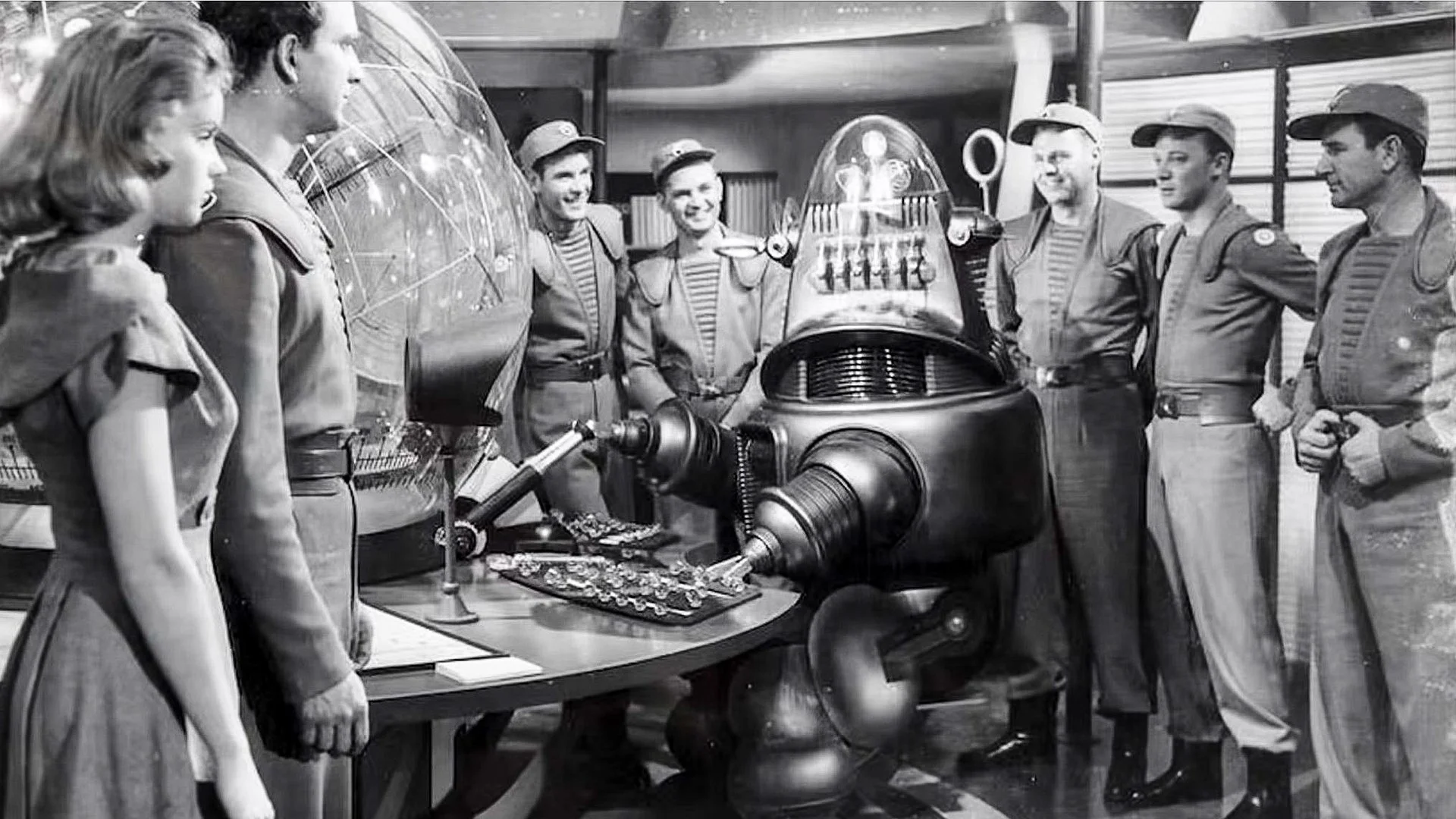
Because if you look at many classic sci-fi films from the decade, the answer is pretty obvious. The future was mostly white. Usually male-led. Often suburban. Frequently military. Almost always centered on the same narrow version of American life. That does not make these movies worthless. It makes them revealing.
The same films that imagined other worlds often struggled to imagine America beyond its dominant image of itself. Scientists, generals, reporters, astronauts, government men, small-town doctors, and heroic problem-solvers were usually white men. Women were often limited. People of color were often absent entirely, pushed into the background, stereotyped, or not invited into the imagined future at all.
Classic sci-fi could imagine life on Mars before it could imagine a truly inclusive Earth.
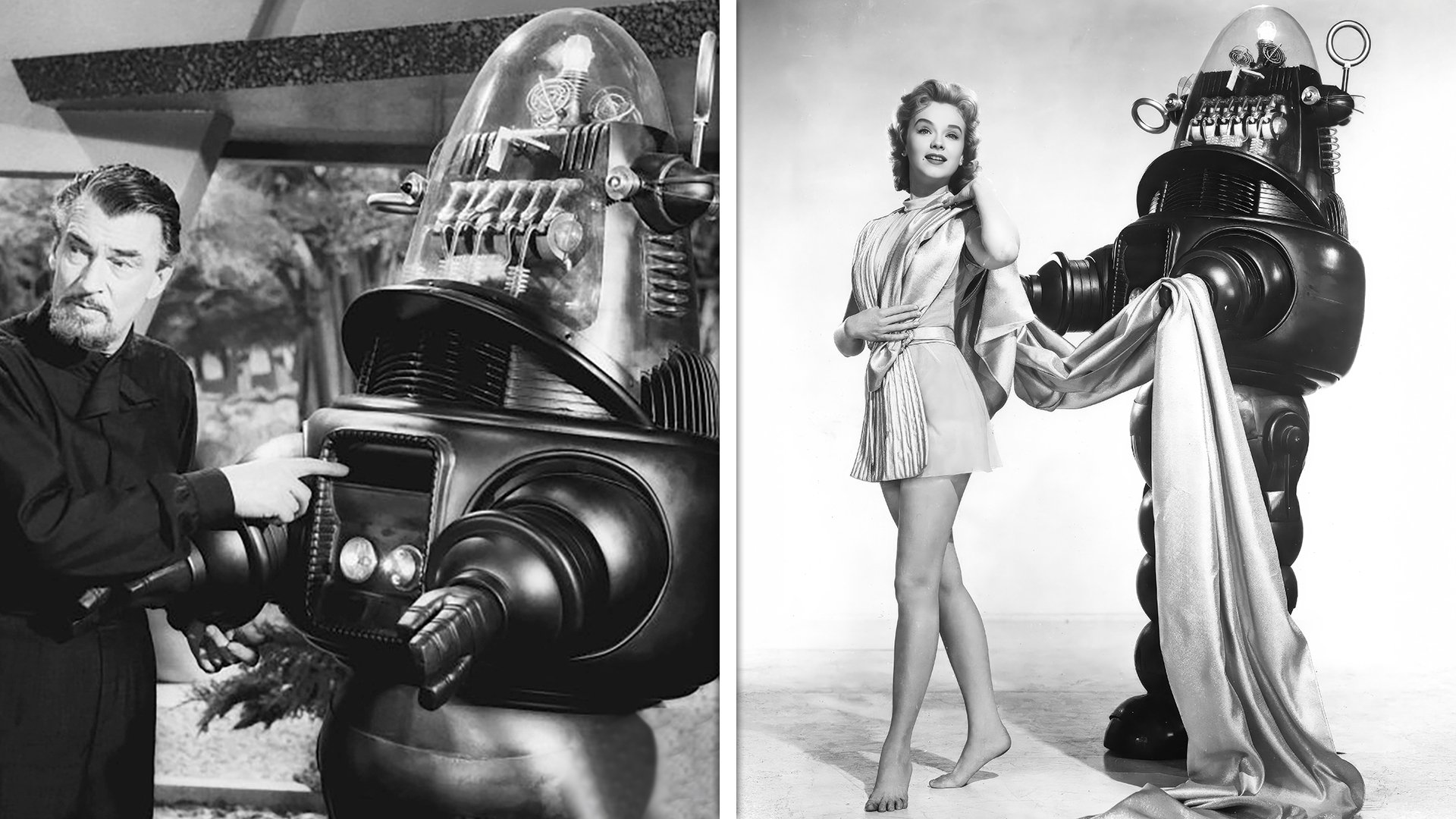
The Control Room Was Not for Everyone
Look at the classic 1950s sci-fi control room. There are men in uniforms. Men in suits. Men in lab coats. Men holding clipboards. Men arguing over maps. Men deciding whether to fire the weapon, trust the alien, evacuate the city, or listen to the one scientist who has finally figured out what the glowing thing is doing.
Usually, they are white men.
That visual pattern matters because 1950s sci-fi was obsessed with authority. Who speaks for humanity? Who makes decisions in a crisis? Who understands science? Who commands the military? Who gets believed when something impossible happens? Again and again, the answer was narrow.
The future was imagined as a place where white male authority continued almost seamlessly into space. The setting might be futuristic, but the power structure was very familiar.
That is why representation matters in classic sci-fi. Not because every old movie needed to solve every social problem at once. That is not a serious standard. But because these films were building images of tomorrow. They were showing audiences who belonged in the future and who did not.
And when the same people are always at the table, the future starts to look less like imagination and more like inheritance.
America Went to Space Without Bringing America
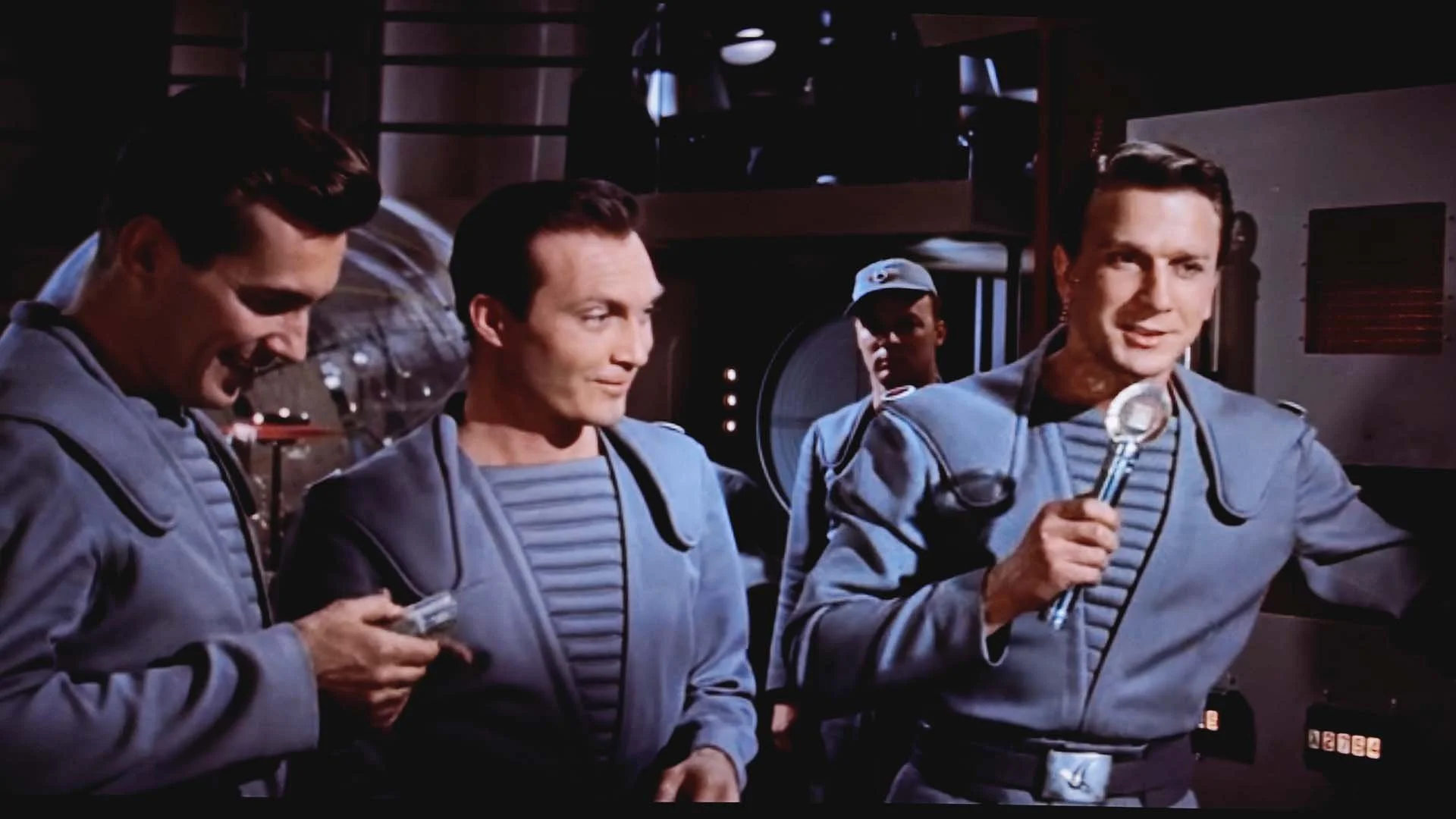
One of the odd things about 1950s sci-fi is how small its America can feel. The country was racially diverse. It was full of Black Americans, Mexican Americans, Asian Americans, Native peoples, immigrants, working-class communities, rural communities, urban communities, and cultures far beyond the white suburban ideal often presented on screen.
But many sci-fi films filtered “America” down to a very specific image: white families, white experts, white soldiers, white small towns, white scientists, white reporters, white officials, white romance, white survival.
The country was complicated. The movie future was streamlined.
Science fiction is not just entertainment. It shows what a society hopes for, fears, protects, and assumes. And in much 1950s sci-fi, the assumption was that the future would be led by the same faces already holding power.
Aliens could land anywhere. But somehow they usually landed in a version of America where huge portions of actual America were missing.
That absence can be easy to overlook because it is quiet. It does not always announce itself. It is not always a villain speech or a cruel line of dialogue. Sometimes exclusion is just the background condition of the world.
No one says, “This future is not for everyone.” The movie simply behaves as if it is obvious.


The most revealing thing about some imagined futures is who never appears in them.
The Alien Was Diverse. Humanity Was Not.
Here is the strange irony. Classic sci-fi was often fascinated by difference — but mostly when difference came from outer space.
Aliens could have strange bodies, strange minds, strange societies, strange languages, strange technologies, strange moral systems, strange warnings for Earth. The genre loved the idea that life might exist in forms completely unlike our own. But when it came to human society, the imagination often tightened up.
This is one of the great contradictions of mid-century science fiction. It could imagine radically different alien civilizations, but not always a radically broader human future.
It could picture tentacled invaders, glowing brains, metallic robots, and godlike beings from distant worlds. But a racially inclusive control room? A Black scientist leading the investigation? A Mexican American astronaut? An Asian American military commander? A Native futurist shaping humanity’s survival? Those possibilities were usually nowhere to be found. The genre’s imagination expanded outward but not always inward.
Science fiction is supposed to challenge the boundaries of what seems possible. When it fails to imagine inclusion, that failure tells us something about the culture producing it. The limit was not the galaxy. The limit was the social imagination.
The White Suburban Future Was a Comfort Fantasy
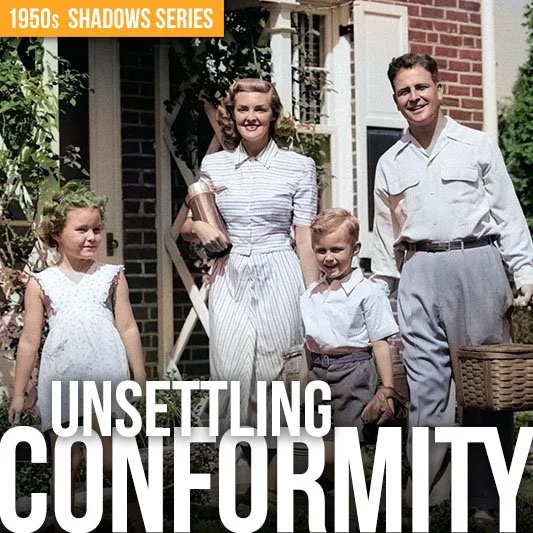
Many 1950s sci-fi films were built around a specific idea of normal American life.
The family. The boyfriend and girlfriend. The respectable doctor. The newspaper man. The military officer. The scientist. The government official. The small town. The diner. The school. The house and lawn. The living room.
These images helped audiences understand what was at stake. When the monster attacks, it threatens this familiar world. When the alien invades, it disrupts this version of normal. When the bomb looms, this is the life that might be erased. But whose normal was it? That is the question.
The white suburban future was often presented as universal, even though it was not universal at all. It was a specific cultural fantasy
A fantasy tied to postwar prosperity, home ownership, gender roles, segregation, consumer culture, and a narrow image of American success. Sci-fi did not always invent that fantasy. It inherited it. Then it launched it into space.
That is why watching these films now can be so revealing. The “normal world” they protect often looks less like all of humanity and more like one slice of mid-century America being treated as the whole pie. A very carefully frosted pie.
The Future Was Male-Led, Too
Race was not the only limit.
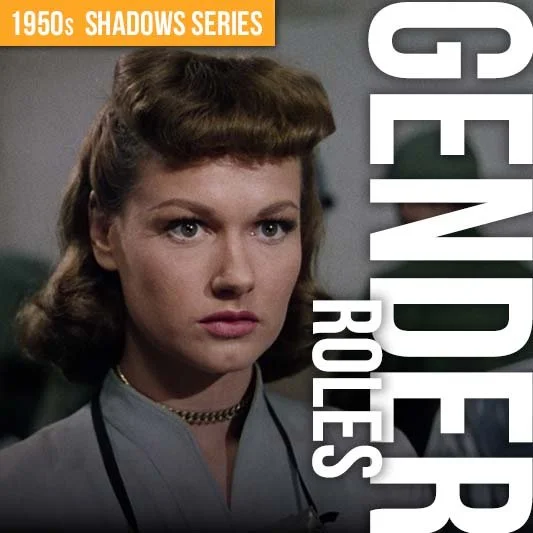
The future was also usually male-led. White male-led, to be more specific. Scientists, military commanders, astronauts, presidents, police chiefs, reporters, and crisis managers were overwhelmingly men. Women, as we already know from our previous stop on this little tour of mid-century discomfort, were often girlfriends, assistants, screamers, moral anchors, or people who needed saving. So the imagined future was narrow in multiple ways.
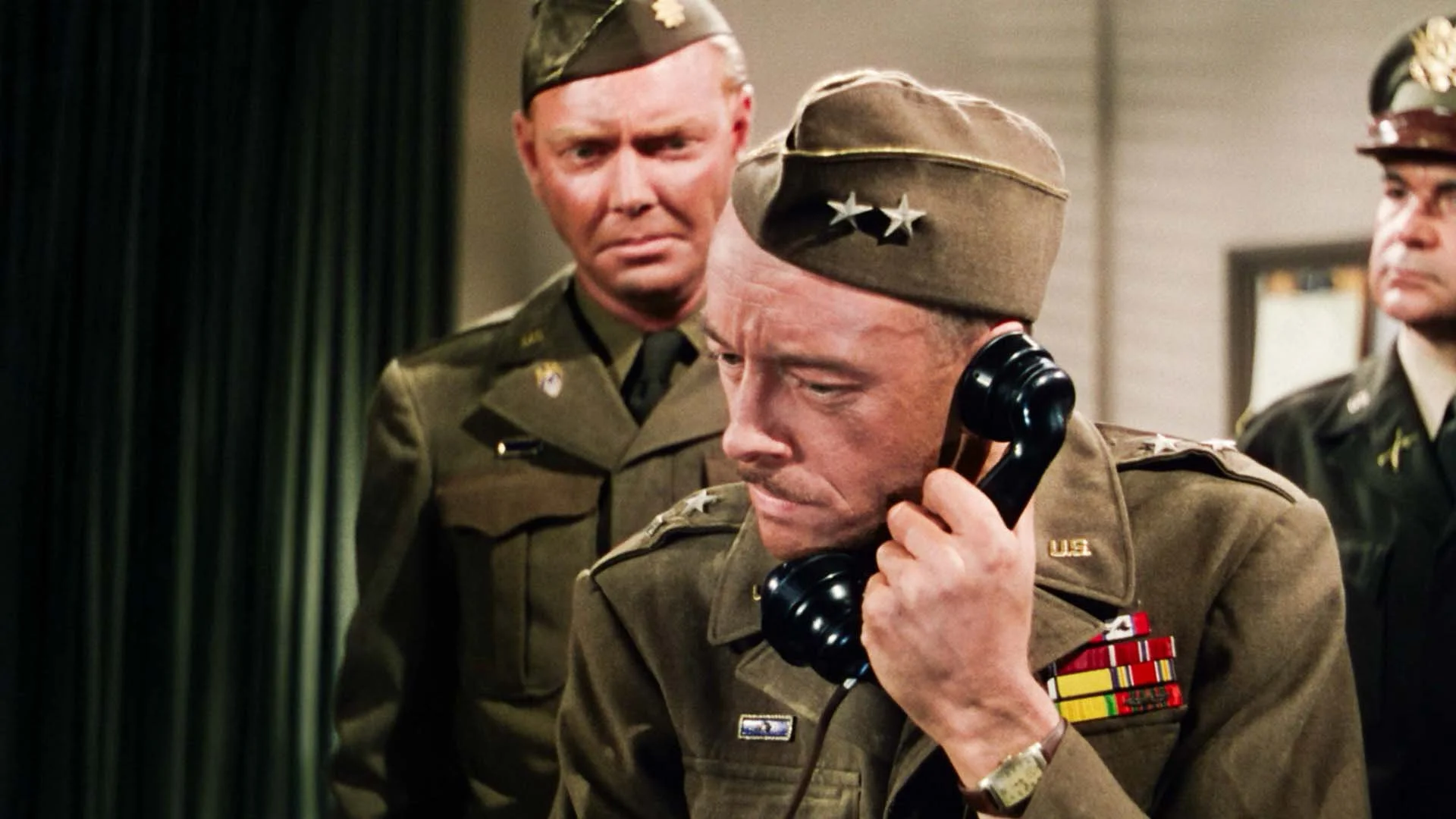
It was not just that people of color were left out. It was that authority itself was coded as white and male.
The person who gets to explain the alien, operate the machine, command the troops, calm the public, brief the president, or make the final sacrifice is usually drawn from the same social template. That template becomes invisible if you see it often enough. Which is exactly why we should look at it.
Science fiction asks us to notice patterns. Signals. Systems. Hidden meanings. Strange repetitions. If we can analyze alien transmissions and radioactive mutations, we can certainly analyze who keeps getting handed the clipboard. The future was not just imagined. It was cast.





Absence Is Not Neutral
It is tempting to say, “Well, that was just how movies were back then.” And yes. That is partly true. But “that was how it was” is not the end of the conversation. It is the beginning. Because movies do not simply reflect culture. They also reinforce it. They teach audiences what feels normal, heroic, intelligent, trustworthy, romantic, dangerous, disposable, central, or invisible.
When entire groups rarely appear in future-facing stories, that absence sends a message, even if no one says it out loud. Absence is not neutral.
If the scientist is always white, that means something. If the future city is always white, that means something. If the people worth saving are mostly white, that means something. If alien civilization gets more curiosity than actual human diversity, that definitely means something.
This is not about demanding perfection from old films. It is about understanding how imagination works. Every imagined world has borders. Sometimes those borders are visible: force fields, city walls, forbidden planets. Sometimes they are social borders disguised as casting habits.
The camera shows us what the culture thought mattered. It also shows us what the culture thought it could ignore.
The Civil Rights Era Was Already Here
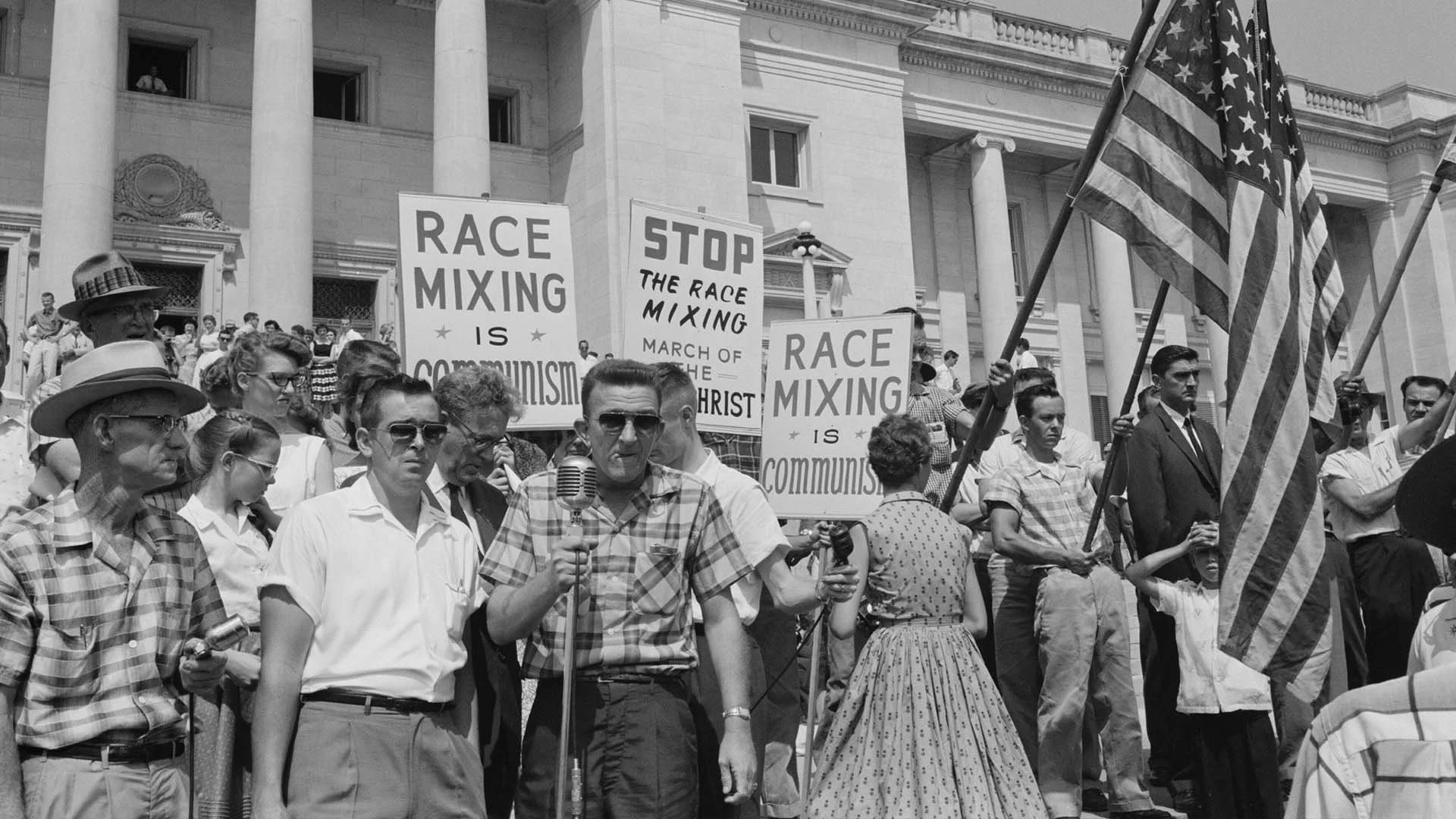
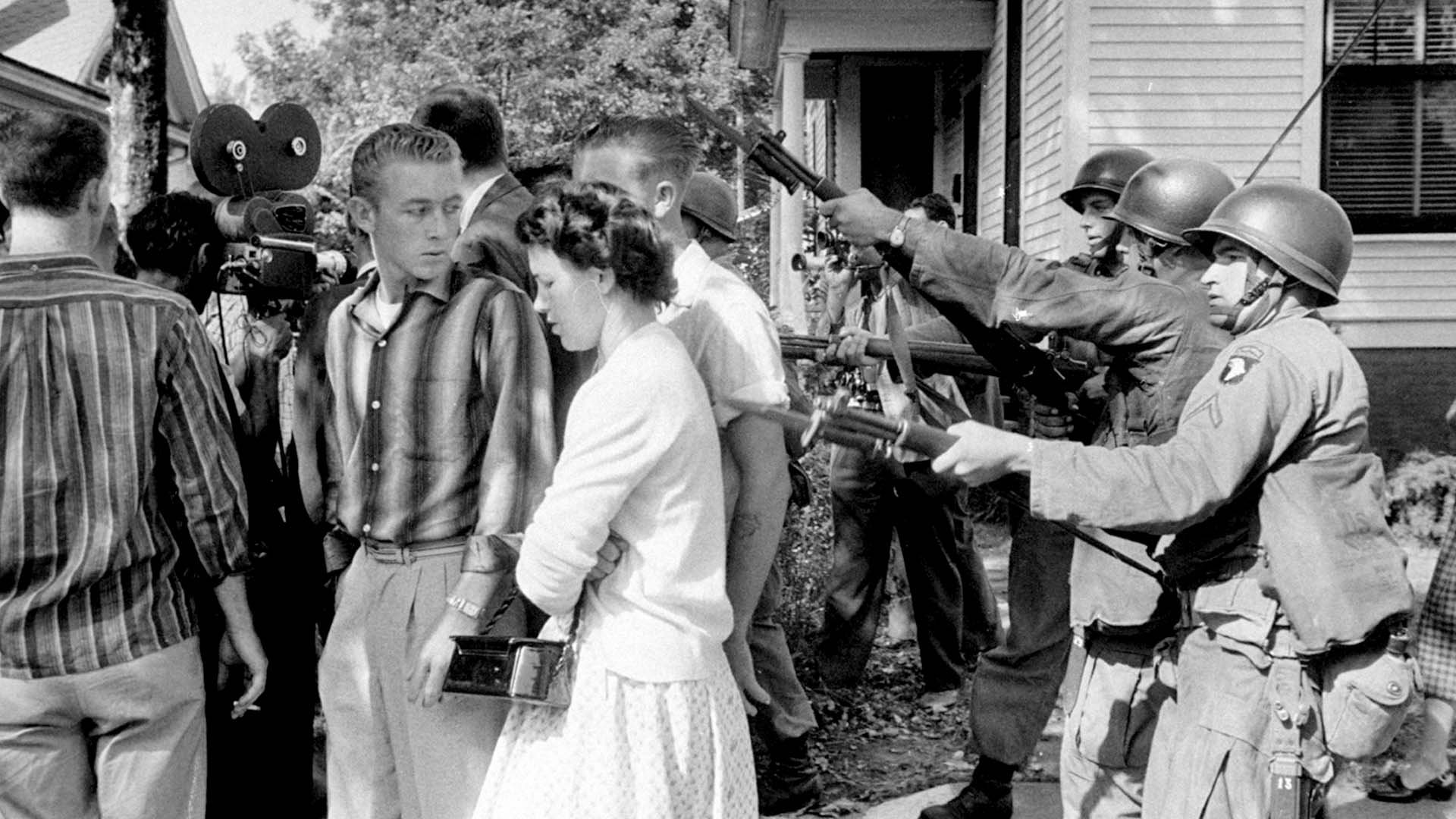
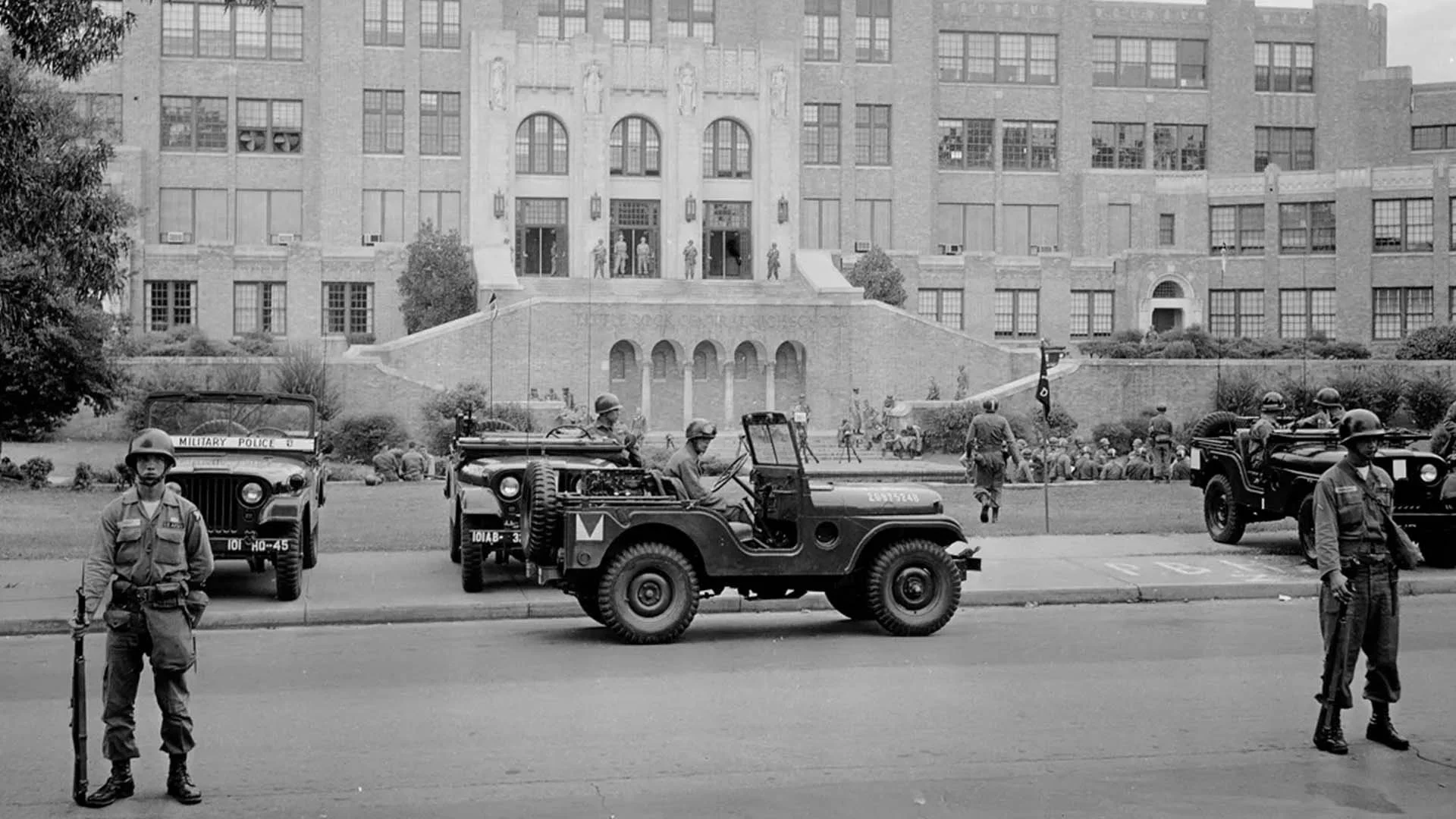
Here is what makes the whiteness of 1950s sci-fi especially striking: the civil rights struggle was not some distant future issue.
It was happening.
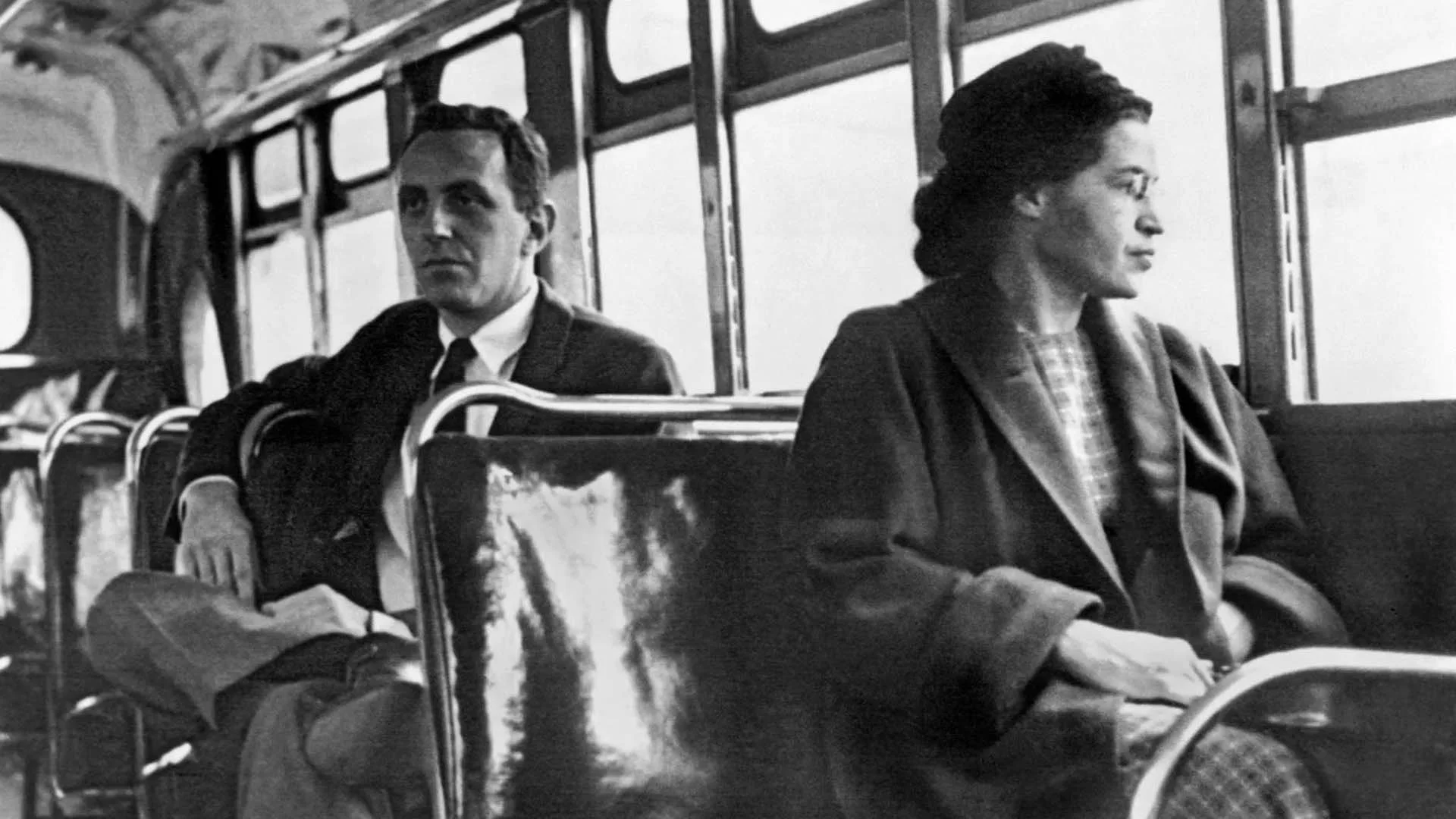
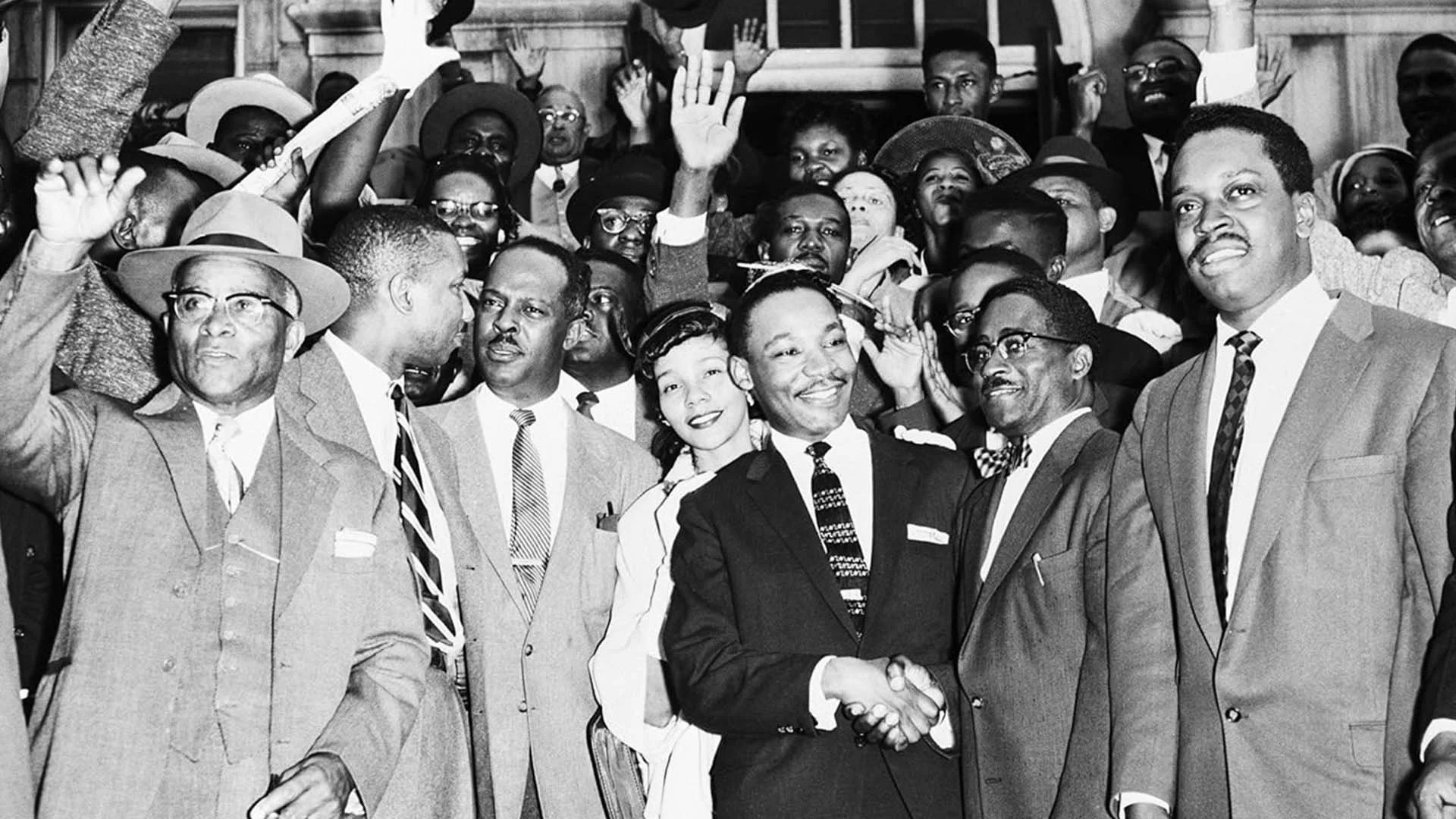
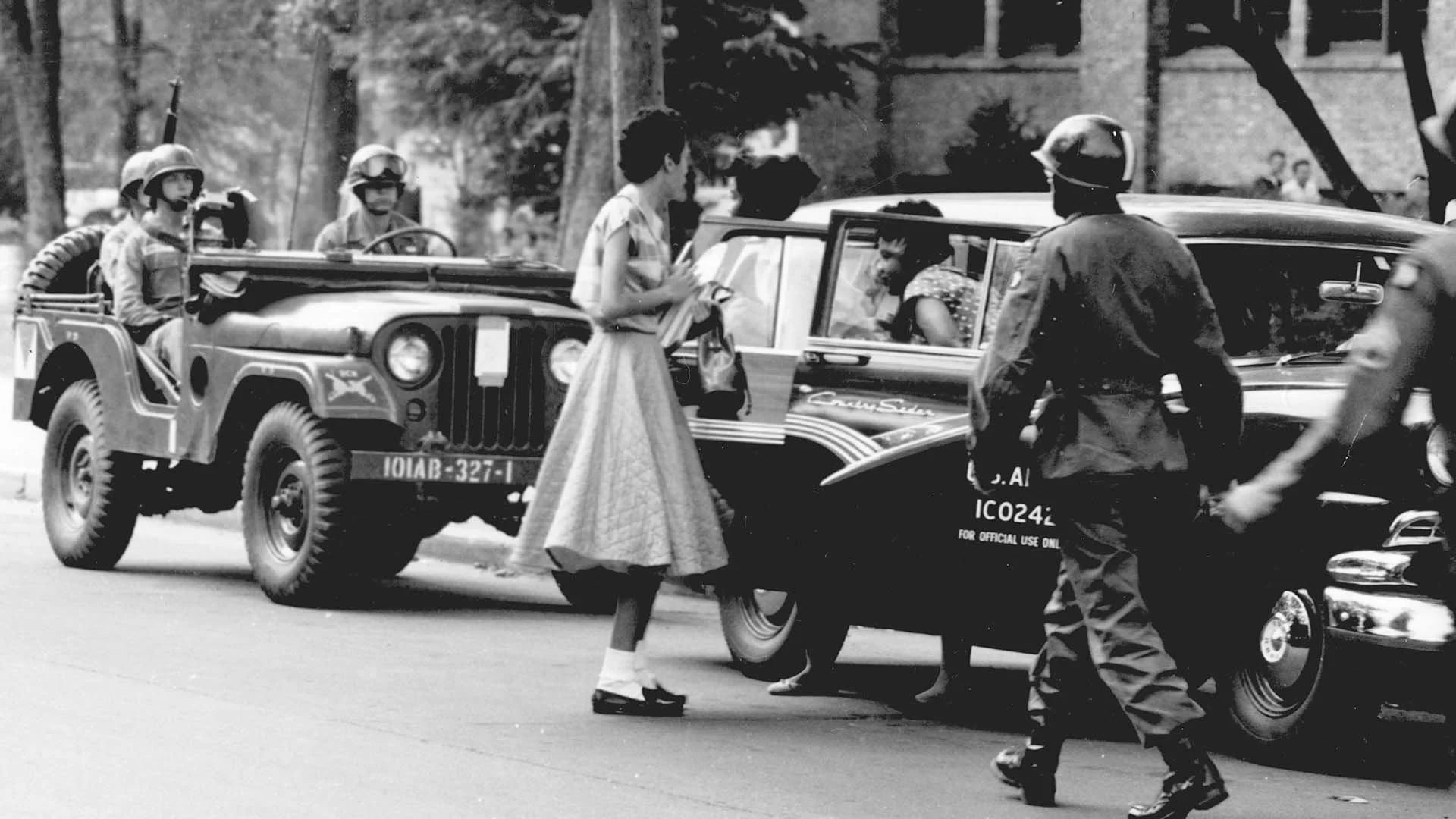
The 1950s included Brown v. Board of Education in 1954, the Montgomery Bus Boycott beginning in 1955, and the Little Rock school desegregation crisis in 1957. America was being forced to confront segregation, racial injustice, and the gap between its democratic ideals and its actual practices.
Meanwhile, many sci-fi films were imagining humanity’s future as if these social and racial conflicts barely existed. That silence is loud.
While real America was fighting over who got access to schools, buses, neighborhoods, jobs, voting power, safety, and public dignity, movie America was often fighting aliens with an almost entirely white cast of problem-solvers. The genre looked to Mars, Venus, deep space, and atomic tomorrow while sidestepping one of the defining moral struggles of its own country.
Again, this does not mean every sci-fi movie needed to become a civil rights drama. That would be a strange and unfair demand. But when a genre claims to imagine the future, its failure to imagine a fuller humanity becomes part of the story.
The question is not “Why didn’t every movie solve racism?” The question is “Why did so many futures look like segregation never had to be questioned?” That is a much sharper question. And it deserves to be asked.
The Exception Proves the Rule
When people of color did appear in classic sci-fi, the roles were often limited, stereotyped, exoticized, backgrounded, or disconnected from real authority. That makes exceptions stand out sharply when they happen.
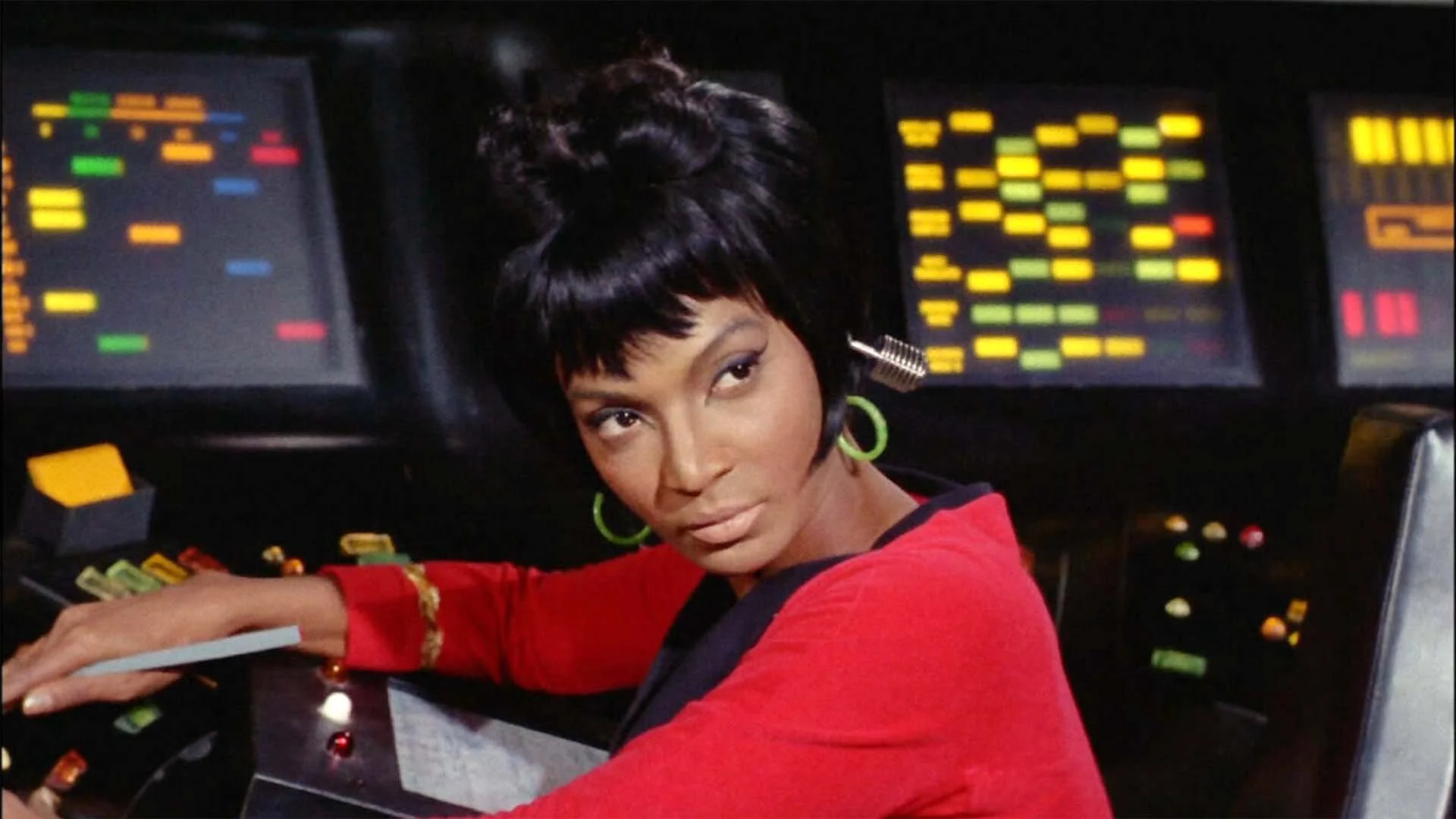
Later science fiction would make more visible breakthroughs. The most famous example is Nichelle Nichols as Lieutenant Uhura on Star Trek in the 1960s — not 1950s cinema, but impossible to ignore in the larger history of sci-fi representation. Uhura mattered because she stood on the bridge. She was part of the future’s working machinery. She was not a monster, a servant, a punchline, or a distant symbol. She was there.
That visibility was powerful because earlier futures had so often excluded that possibility. And this is the point: representation is not only about quantity. It is about position.
Who gets to be present? Who gets to be competent? Who gets to be trusted? Who gets to make decisions? Who gets to survive? Who gets to be the future rather than merely appear in the background of it?
Classic sci-fi often failed that test. Not always with malice. Often with habit. But habit is how narrow futures get built—one casting choice at a time.
Loving the Movies Does Not Mean Ignoring the Frame
This is where people sometimes get defensive. “Can’t we just enjoy the old movies?” Yes. Absolutely.
Enjoy the saucers, the robots, the rubber monsters, along with the matte paintings and the theremin wobble. Enjoy the absurd science, the dramatic military briefings, the serious men in serious hats, the tiny model cities, the alien ultimatums, the control panels with blinking lights that do absolutely nothing but look fantastic.
Loving classic sci-fi is not the problem. Pretending not to see it clearly is the problem.
The goal is not to cancel the movies. The goal is to notice the frame. The frame tells us who the culture imagined as central, heroic, intelligent, and worth saving. It also tells us who got left outside the airlock.
A movie can be fun and limited. A film can be visually brilliant and socially narrow. A genre can be beloved and still need examination. Actually, that is usually where the most interesting conversations begin.
Because the moment we stop treating old sci-fi like sacred moon rocks and start treating it like living culture, it gets richer. Messier. Stranger. More human. And much more useful.
What the Missing Future Teaches Us
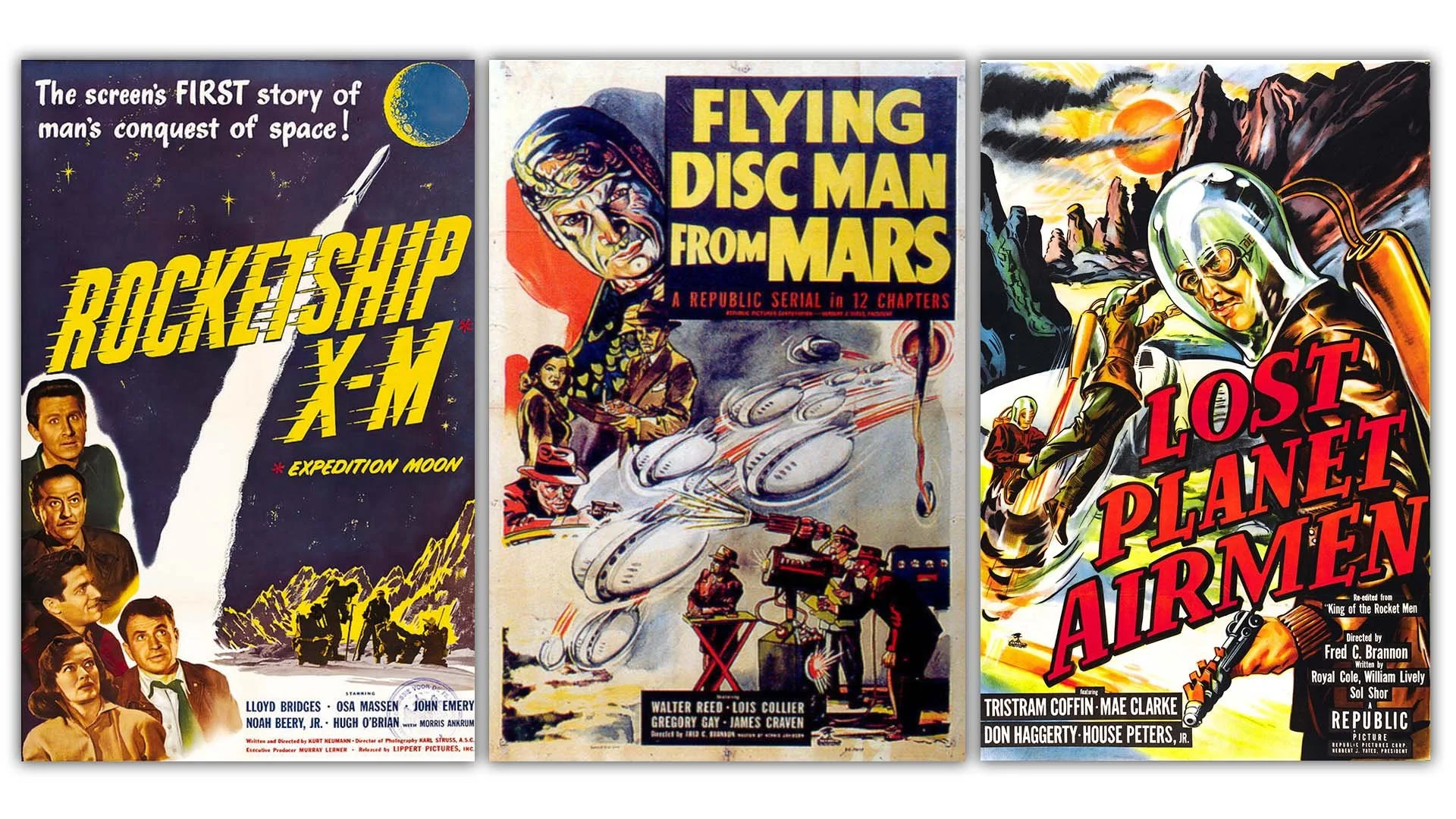
The racial exclusion in 1950s sci-fi teaches us something important about imagination. Imagination does not automatically make people free.
A culture can dream of rocket ships and still reproduce its prejudices. It can invent advanced civilizations and still cling to old hierarchies. It can look at the stars and still fail to see its neighbors. That is a hard truth, but it is also useful.
Because it reminds us that better futures do not appear just because technology advances. You can have robots and still have racism. You can have space travel and still have exclusion. You can have atomic power and still have a tiny, cramped idea of who counts.
Science fiction at its best pushes past that. It asks not only what machines we will build, but what kind of humanity we are bringing with us. 1950s sci-fi did not always ask that question fully. But we can.
That is part of the fun of revisiting it. We are not only watching what the movies imagined. We are watching what they failed to imagine — and then imagining beyond them.
A rocket is not a better future if it carries the same old exclusions into space.
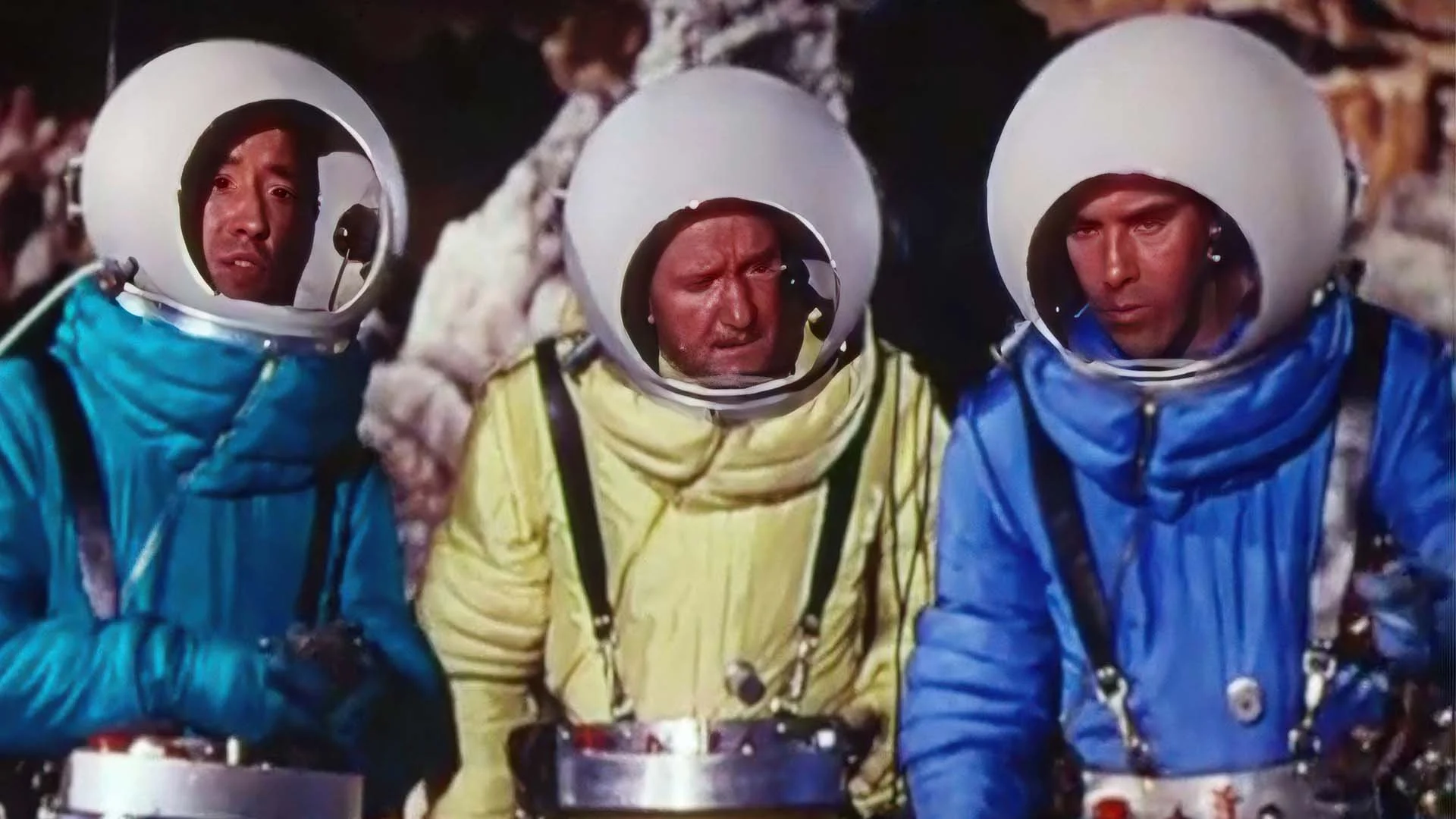
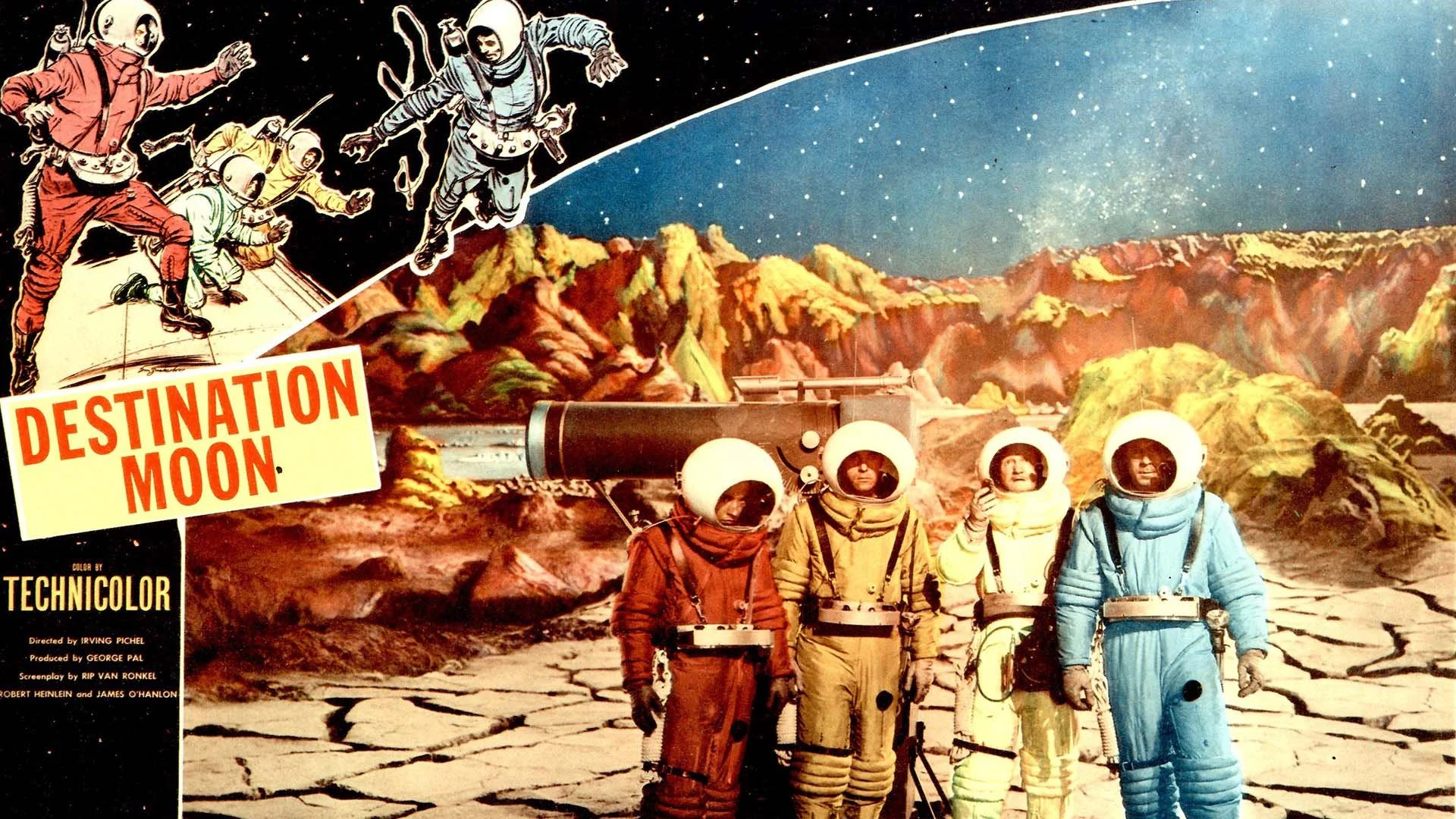
Conclusion: The Galaxy Was Huge. The Casting Was Not.
Classic 1950s sci-fi gave us incredible images.
Flying saucers in the night sky. Robots with glowing eyes. Mutants in the desert. Scientists racing against time. Cities under threat. Strange planets. Cosmic warnings. The future as wonder, fear, spectacle, and possibility.
But that future was often crowded with the same familiar faces.
Mostly white. Mostly male-led. Mostly shaped by a narrow vision of American normalcy. The genre could imagine alien civilizations with tentacles, telepathy, and impossible machines, but often struggled to imagine a future where all of humanity was fully present.
That is worth noticing. Not because we hate these movies. Because we care enough to look closely.
The future should be bigger than the past. That is the whole promise of science fiction. And when classic sci-fi fails to keep that promise, we do not have to throw it away. We can understand it better. We can enjoy it honestly. We can see both the dream and the blind spot.
The galaxy was huge. The casting was not. And the next future we imagine should have a much bigger guest list.
FAQ
-
Sometimes racism was explicit in the wider culture, but in many sci-fi films the issue was more often exclusion and narrow imagination. People of color were simply absent, backgrounded, or denied meaningful authority in stories about humanity’s future.
-
No. The better approach is to watch it honestly. You can love the genre’s imagination, design, monsters, and mood while also noticing who was left out of its vision of the future.
-
Because sci-fi is about possibility. When future-facing stories only center one narrow group, they quietly suggest that only certain people belong in tomorrow. A better future should include more of humanity.
-
There were exceptions and later breakthroughs, but they were limited. The 1960s brought more visible progress in television science fiction, especially with Star Trek, though even that progress existed inside many limits.
-
Because 1950s sci-fi helped define the visual language of the future: rockets, saucers, labs, cities, robots, and space exploration. Understanding its exclusions helps us see how the “future” was culturally constructed.

• Fit: Men's Classic Crew Neck Short-Sleeve Tee
• 100% cotton t-shirt preshrunk to reduce shrinkage
• Taped neck and shoulders
• Seven-eighths-inch seamless collar
• Double seam at sleeves and bottom hem
• Tear-away Label