
The Sanitized Future
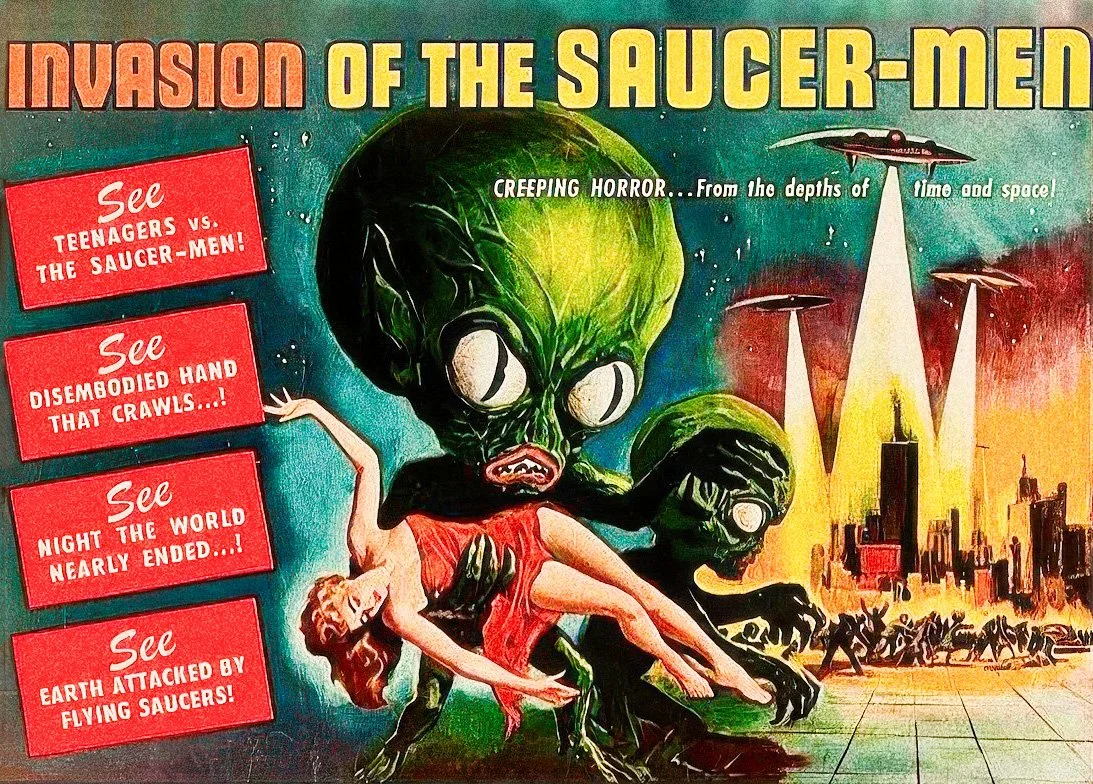
1950s sci-fi could show alien brains, death rays, radioactive monsters, mind control, giant insects, and cities on the edge of annihilation. But human life? That had rules.
Under the Motion Picture Production Code, often called the Hays Code, Hollywood films were shaped by a powerful system of self-censorship that restricted profanity, sexuality, crime, race mixing, homosexuality, violence, moral ambiguity, and anything considered too improper for public viewing.
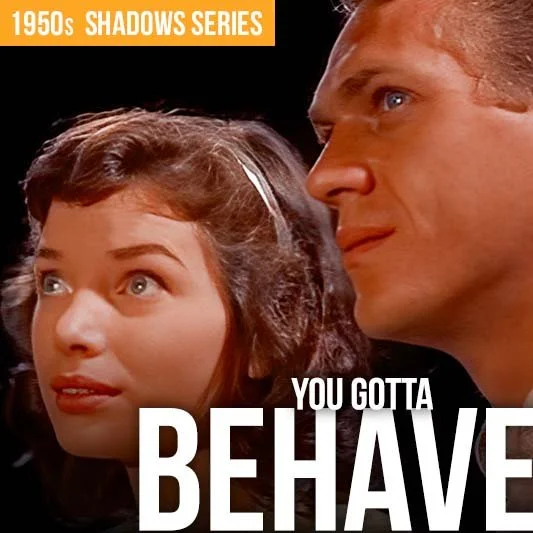
Classic sci-fi lived inside a strange contradiction: the monsters could be grotesque, the aliens could be terrifying, the planet could be doomed — but the people had to behave.
-
The Hays Code shaped Hollywood movies from the 1930s through the 1960s, including 1950s sci-fi.
Sci-fi could show bizarre monsters and apocalyptic threats more easily than it could show sexuality, queerness, racial complexity, or moral ambiguity.
The Code helped create a sanitized screen future where human behavior often seemed cleaner, narrower, and more controlled than real life.
Genre storytelling became a way to smuggle forbidden subjects into metaphor, monsters, aliens, and coded tension.
The Future Had a Dress Code
1950s sci-fi loved danger.
The universe was crawling with it. Flying saucers could hover over Earth. Robots could threaten civilization. Radiation could mutate insects into nightmares. Alien brains could pulse inside glass domes. Entire cities could be vaporized, invaded, hypnotized, or flattened by something that should never have crawled out of the desert.
But the people? The people had to keep it together.
That is the odd, fascinating tension of Hays Code-era science fiction. The films could be wild in concept, but controlled in conduct. You could suggest the end of the world, but not show too much of a kiss. You could unleash a grotesque creature, but not let human desire get too messy. You could explore invasion, mutation, and planetary doom, but many ordinary human realities had to be hidden, softened, coded, punished, or erased.
The result was a very peculiar kind of future. One with rayguns, robots, and radiation. But also neat manners, moral guardrails, carefully managed romance, and a strange absence of all the complicated human stuff that actually makes civilization interesting.
The future had death rays, but heaven forbid someone behaved like an adult human.
What Was the Hays Code?
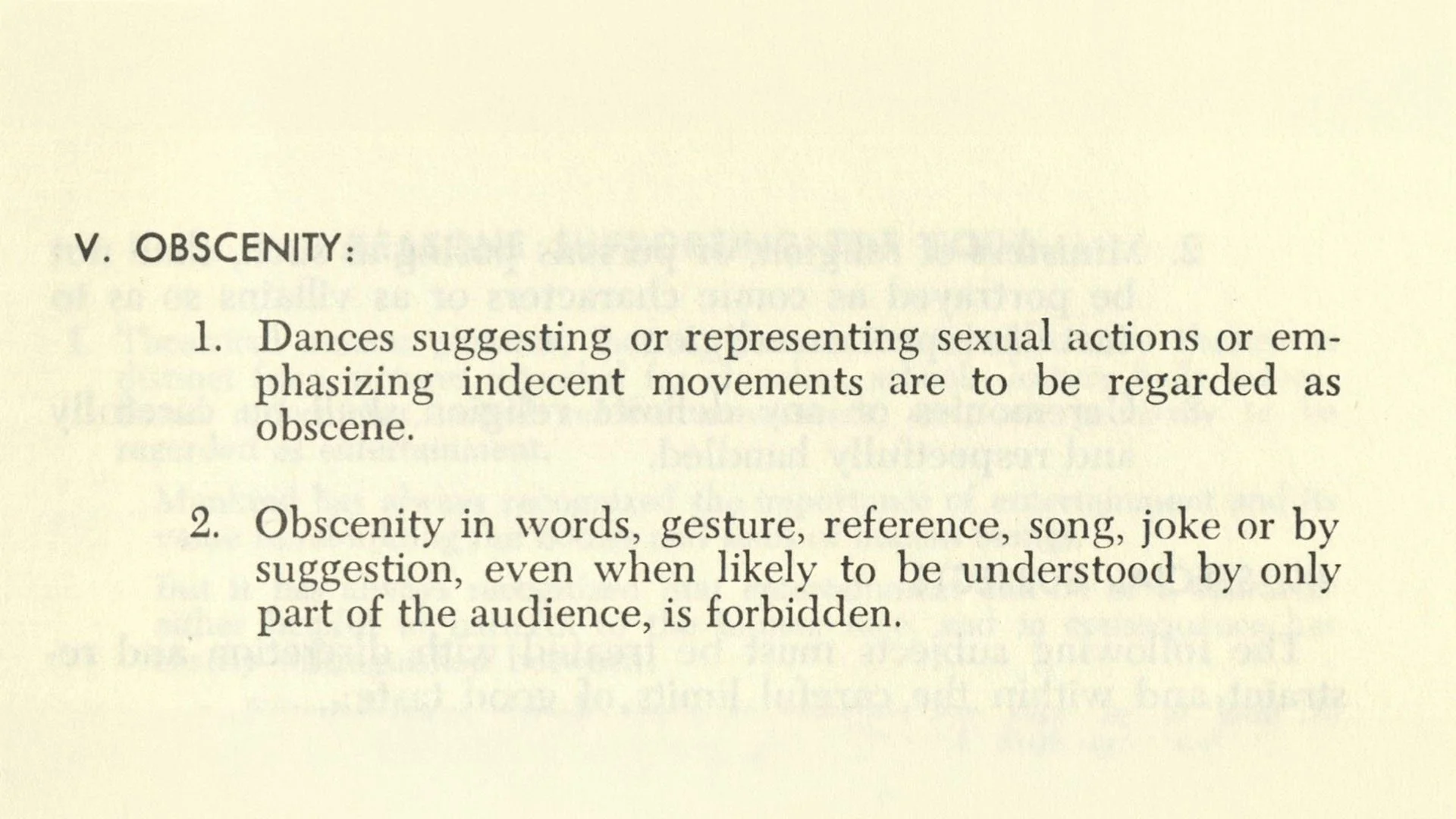
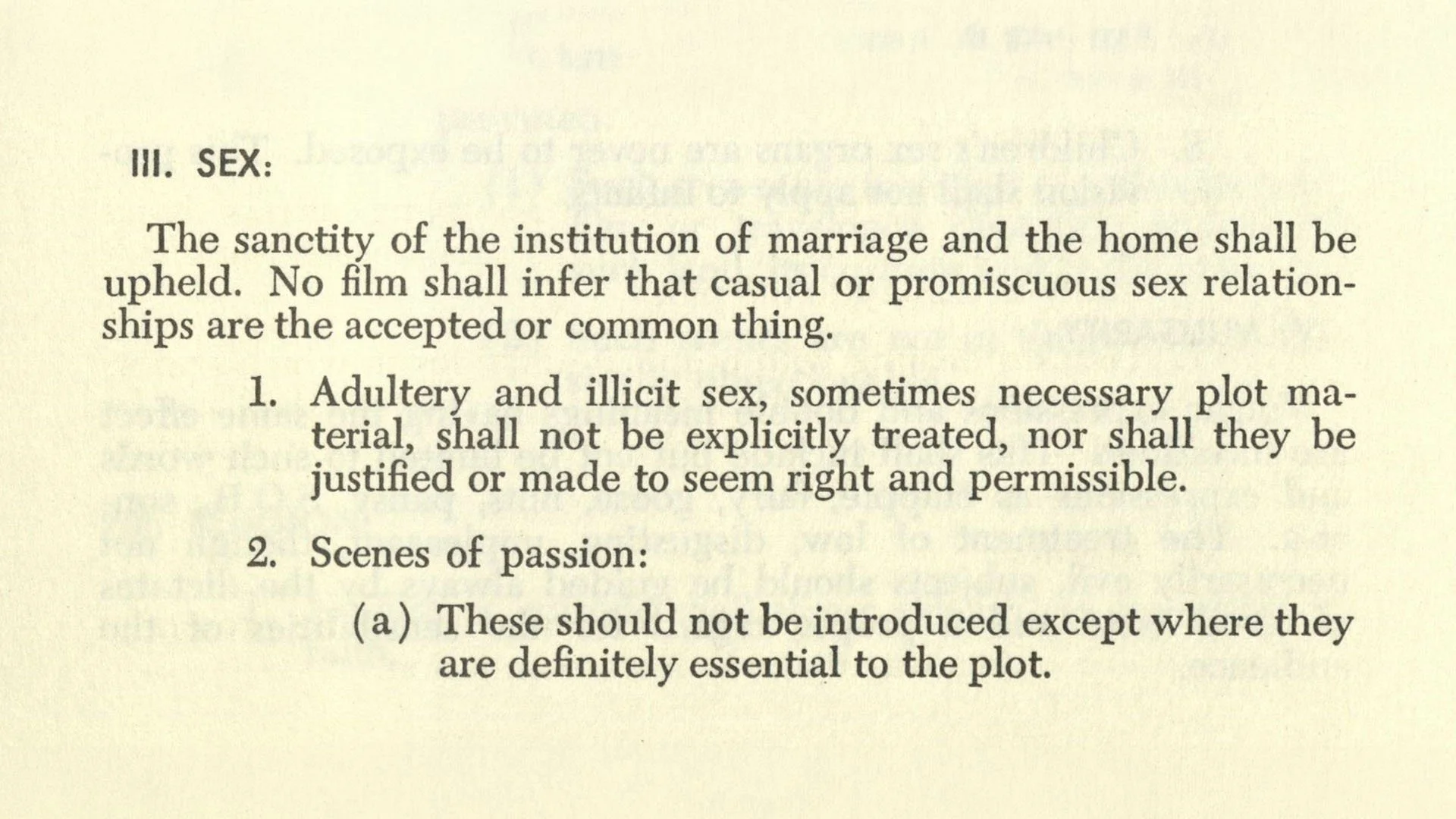
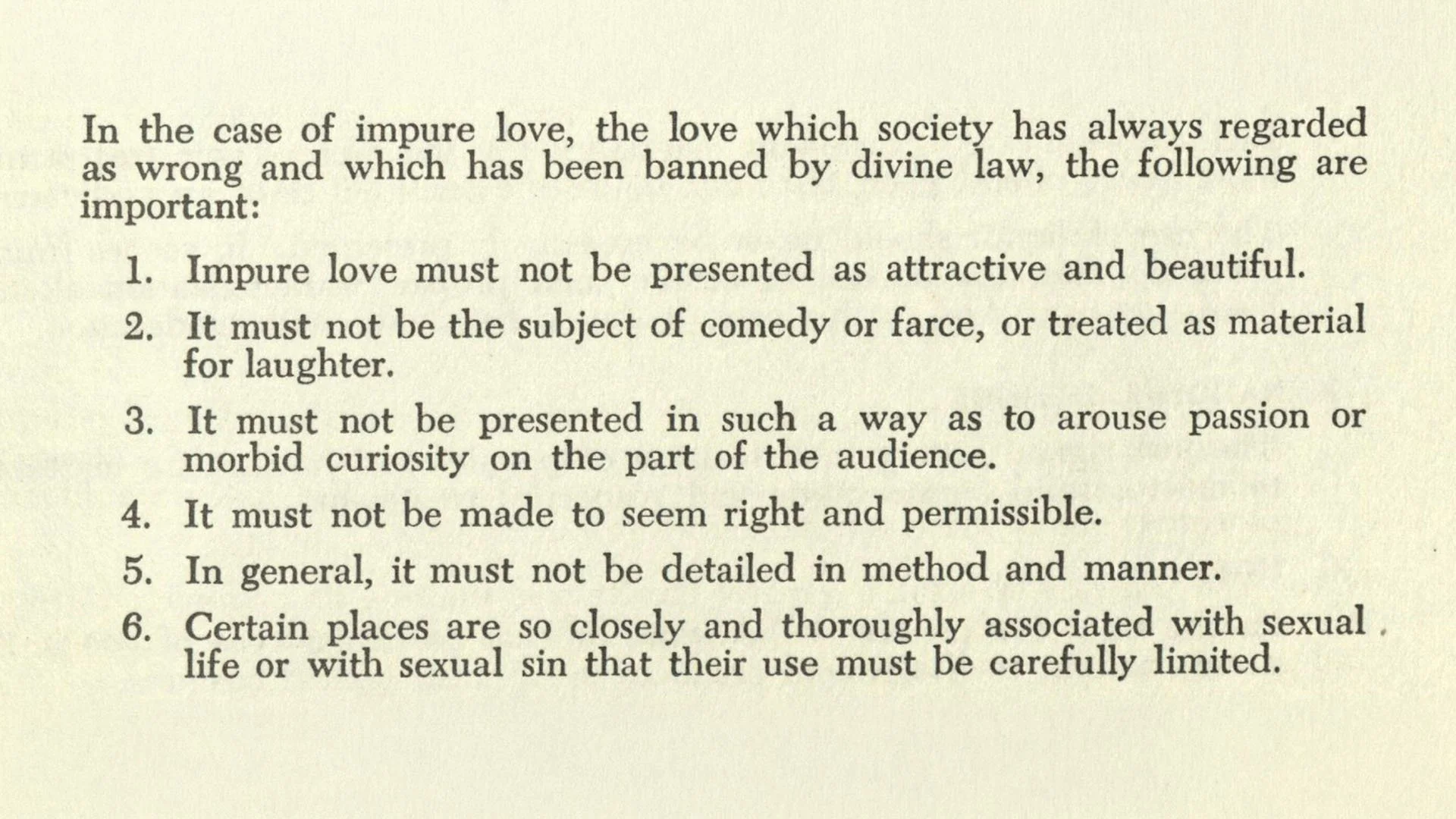
The Hays Code, more formally the Motion Picture Production Code, was Hollywood’s long-running self-censorship system.
Used from 1934 to 1968, it shaped what American films could show, suggest, celebrate, punish, or avoid. The Code did not just ban a few dirty words and call it a day. It tried to regulate morality on screen. It restricted profanity, nudity, sexual behavior, crime, violence, drug use, interracial relationships, homosexuality, “perversion,” and anything that might be seen as lowering moral standards.
It was not just about what audiences saw. It was about what Hollywood was allowed to admit existed.
That matters for sci-fi because science fiction is supposed to imagine possibility. Other worlds. Other bodies. Other futures. Other ways of living. But under the Code, those possibilities had fences around them. A movie could travel across the galaxy, but it still had to return to a version of moral order acceptable to mid-century censors.
That is why some classic sci-fi feels so strange now. The monster can violate every known law of biology. The humans must not violate the rules of propriety.

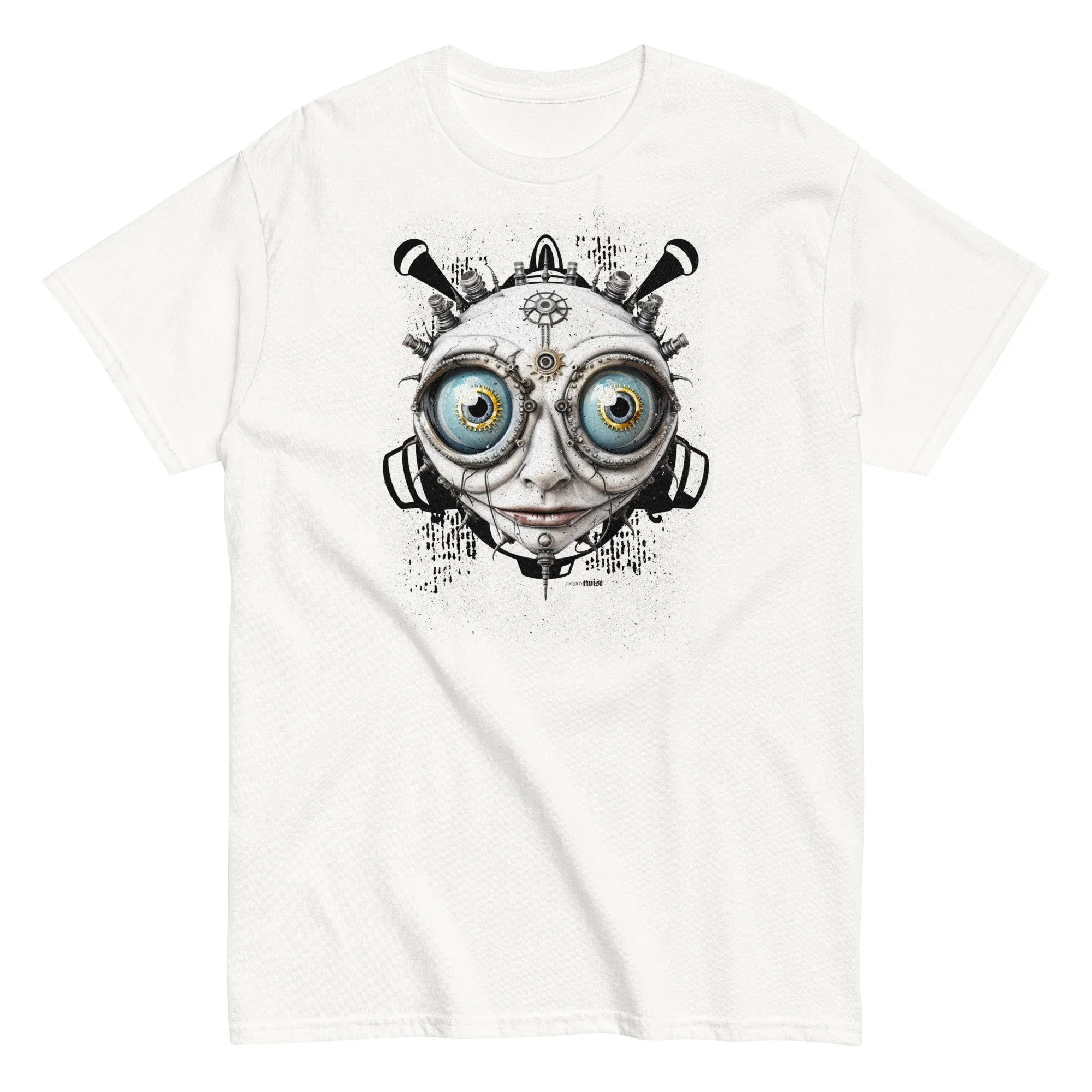

The Monsters Could Be Grotesque. The People Had to Behave.
This is the central weirdness.
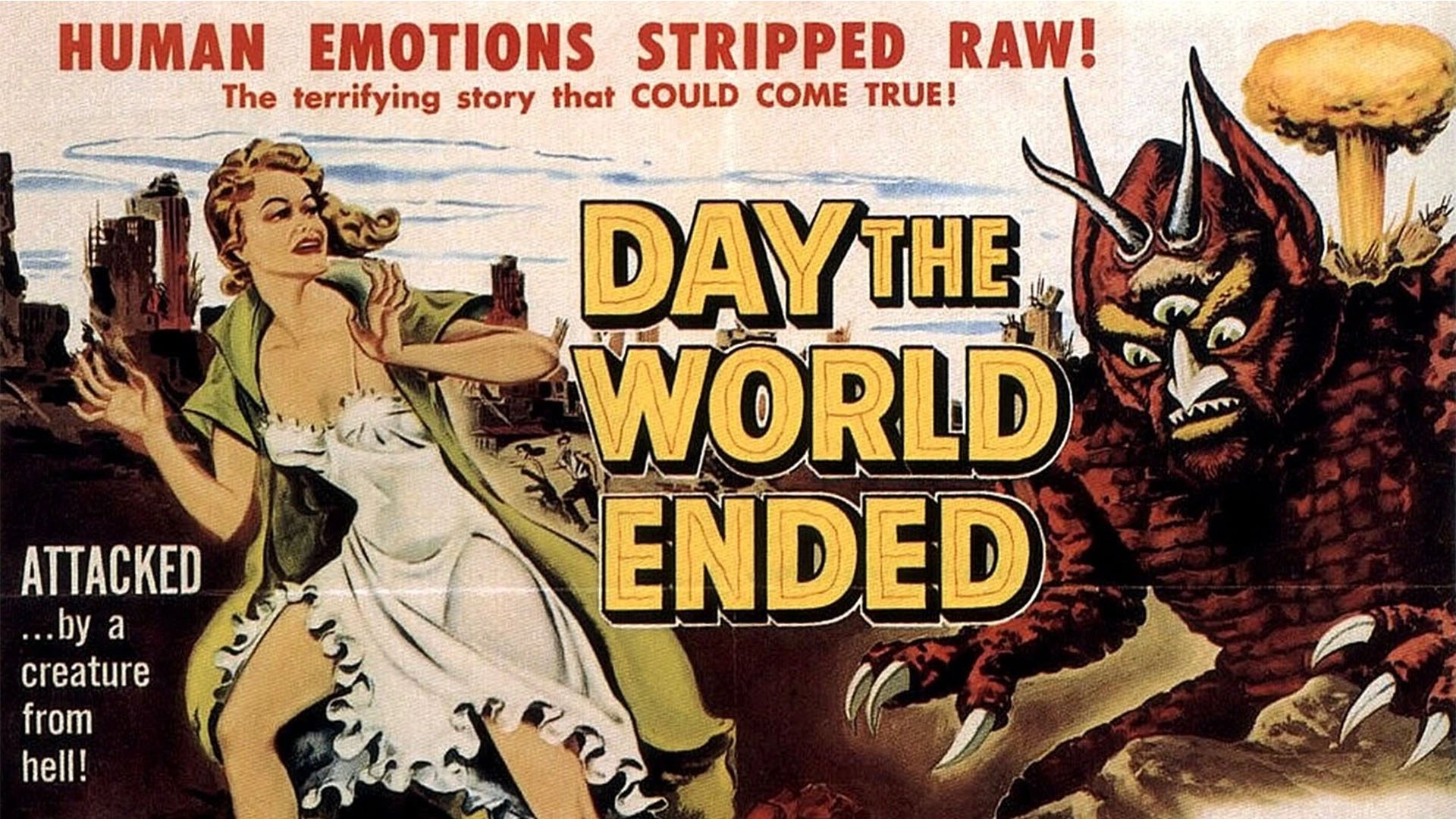
A giant radioactive creature could rise from the ocean. A man could become a fly. A scientist could open the wrong door in the universe. A blob could absorb people. A town could be replaced by pod duplicates. A severed alien intelligence could threaten humanity. All fine, within limits. Fantastic. Put it on a poster.
Sexuality? Too dangerous.
Queerness? Basically unspeakable.
Interracial Romance? Restricted and taboo.
Moral Ambiguity? Careful now.
Crime? It better not pay.
Desire? Preferably expressed through longing glances and immediate narrative consequences.
The Code did not make 1950s sci-fi boring. In some ways, it made the genre stranger. Since filmmakers could not always approach human realities directly, those realities often reappeared in disguised forms. Anxiety became aliens. Sexual fear became monstrous transformation. Social taboo became otherness. Repressed desire became strange energy pulsing inside a laboratory.
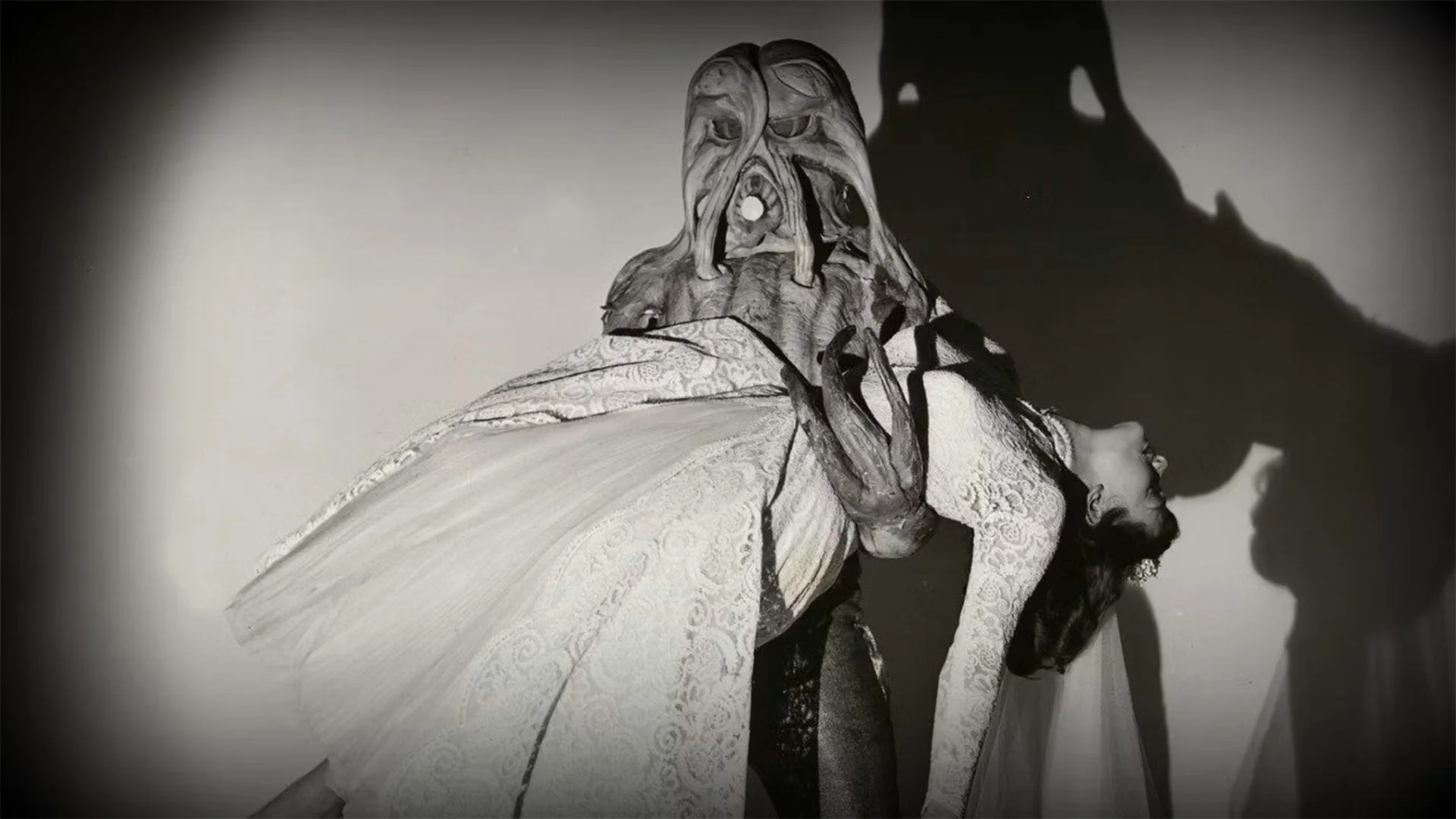
The forbidden did not disappear. It put on a monster suit. Censorship did not erase the weird. It taught the weird to wear a mask.
Sci-Fi became a safe place for unsafe ideas. Science fiction is very good at plausible deniability.
That is one of the genre’s secret weapons. You can say, “No, no, this is not about sex, race, politics, conformity, repression, or fear of the body. This is about a radioactive mutant from beyond the stars who happens to be menacing a very anxious small town.”
Sure. Absolutely. Nothing to see here except the giant metaphor.
Because sci-fi already works through symbols, it could move around the edges of censorship better than some realistic dramas. A forbidden subject could be displaced into alien contact. A social fear could become a monster. A taboo desire could become possession, transformation, hypnosis, or contamination.
That does not mean every 1950s sci-fi movie was secretly radical. Many were perfectly comfortable with the moral assumptions of the era. Some reinforced them enthusiastically. But the genre’s weirdness created openings. It let filmmakers and audiences feel things that could not always be named.
The Code wanted clarity. Sci-fi thrived on disturbance. And disturbance has a way of slipping through the cracks.
Sexuality Went Underground
Sex did not vanish from Hays Code sci-fi. It went underground.
You can feel it in the laboratory. In the creature’s gaze. In the terrified fascination with mutation. In the woman menaced by the monster. In the alien seduction. In the fear of bodies changing, merging, reproducing, absorbing, or becoming something uncontrollable.
The Code made overt sexuality difficult, but sci-fi was full of displaced desire. The genre often treated the body as a problem: something to be invaded, transformed, duplicated, enlarged, shrunk, contaminated, controlled, or exposed to mysterious rays.
That is not accidental. When human sexuality is heavily sanitized, the monster becomes a strange substitute. It carries threat, attraction, disgust, fascination, and forbidden contact all at once.
A tentacle can do what a character cannot say. A transformation scene can express fear of desire without admitting desire is the subject.
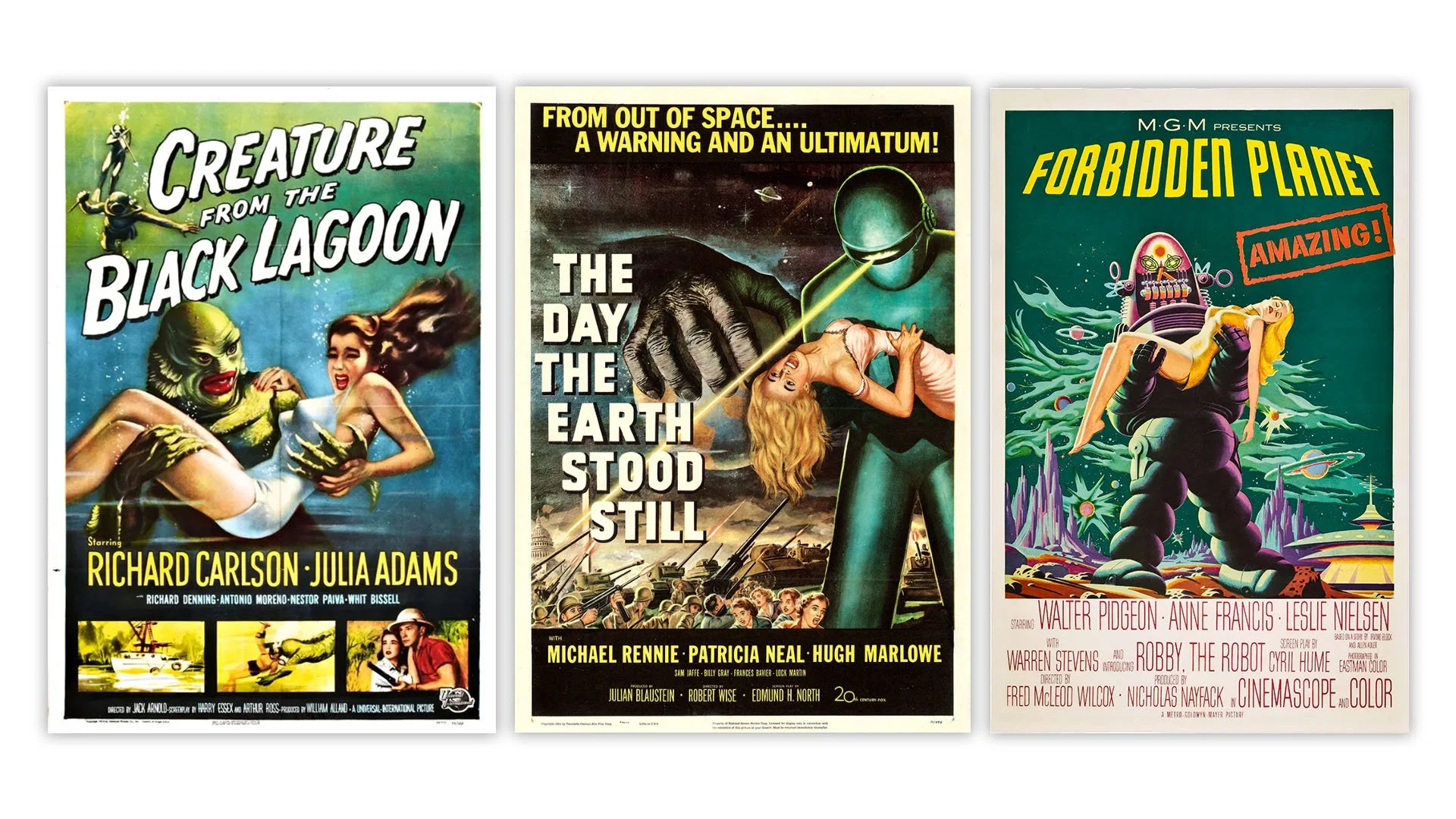
A creature reaching toward a woman on a poster can sell danger, sex, and moral panic under the cover of “science fiction spectacle.”
Very classy. Very repressed. Very 1950s.
This is one reason vintage sci-fi posters are so revealing. The films often behaved politely. The posters knew exactly what they were selling.
Race Had to Be Managed, Minimized, or Removed
The Code also shaped how films handled race. And often, the answer was: badly, barely, or not at all.
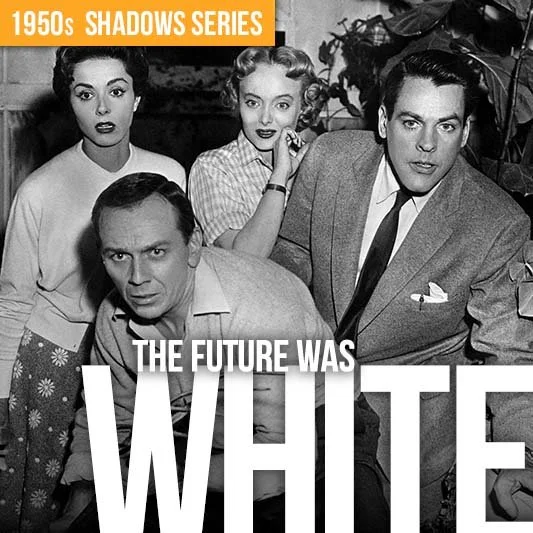
The Production Code included restrictions around so-called “miscegenation,” meaning interracial relationships, and Hollywood’s broader studio culture reinforced racial exclusion in countless ways. As a result, many 1950s sci-fi futures looked overwhelmingly white, especially in positions of science, authority, romance, and survival.
This matters because sci-fi was imagining humanity. Not just a town. Not just one family. Not just one workplace. Humanity.

Sci-fi “humanity” on screen often looked suspiciously narrow. White scientists. White generals. White reporters. White couples. White cities and suburbs represent the whole species.
The Code was not the only reason for that exclusion, but it was part of the moral and industrial system that kept certain realities off screen. Interracial intimacy was restricted. Social critique was softened. American normalcy was protected as an image, even while real America was being transformed by civil rights struggle.
So while sci-fi imagined life on other planets, it often avoided the full reality of life in its own country. The galaxy was open. The casting window was not.
Hollywood could imagine alien civilizations more easily than interracial intimacy.
Queerness Became Subtext, Monster, or Absence
Queerness in Hays Code-era film was rarely allowed to exist openly.
That does not mean it was absent. It means it was coded, displaced, punished, implied, hidden, or turned into something monstrous, strange, tragic, or unspeakable. The Code’s language around “sex perversion” helped push queer life out of direct representation and into shadow.
Science fiction, being a genre of outsiders, transformations, secret identities, strange bodies, and forbidden knowledge, had plenty of room for coded queerness — but not always kindly.
The alien could represent difference. The mutant could represent the body that does not fit. The hidden identity could echo the closet. The fear of discovery could feel uncomfortably familiar.
The outsider could be sympathetic, dangerous, tragic, or all three at once. But because the films could not speak plainly, queerness often appeared as atmosphere rather than character. A charge in the room. A discomfort around normalcy. A fascination with altered bodies. A villain coded as too strange, too refined, too unnatural, too outside the expected order. That is the mixed legacy.
Censorship forced subtext to become an art form. But it also denied real people the dignity of being present as themselves. Sci-fi gave outsiders powerful symbols. The Code kept many outsiders from simply existing on screen.
Violence Was Allowed — As Long as Morality Won
The Hays Code did not ban violence outright.
It controlled how violence was framed. Crime could not be too attractive. Brutality could not be too graphic. Evil had to be punished. Moral order had to be restored. If someone crossed certain lines, the story usually had to drag them back into judgment.
This shaped 1950s sci-fi endings:
The monster dies
The alien threat is stopped
The dangerous experiment is destroyed
The mad scientist pays
The city survives
The couple reunites
The military restores order
The scientist learns humility
The social world resets itself
That reset can be satisfying. There is real pleasure in watching a movie put the nightmare back in the box. But it can also feel like a moral vacuum cleaner has been run over the story. All the weirdness, ambiguity, and danger get tidied up so the audience can leave reassured that proper order still holds.
The Code liked that. But sci-fi was often more interesting before the cleanup.
The best moments are usually when the movie briefly loses control: the monster appears, the town panics, the scientist doubts himself, the alien speaks a truth no one wants to hear, the body changes, the social mask slips. Then the Code-era ending comes along with a broom.
Crime, Authority, and the Approved Universe
The Code also had a strong interest in authority.
Police, courts, religion, government, and moral institutions were generally not supposed to be mocked or undermined too aggressively. Crime could be depicted, but not celebrated. Wrongdoing had to have consequences. The universe had to remain morally legible.
In 1950s sci-fi, that often meant authority figures were treated with a certain seriousness, even when they were useless for half the movie.
The military mobilizes. The police investigate. The government responds. The scientist briefs the officials.
The chain of command may be slow, skeptical, or unimaginative, but the film often wants some official structure to restore order by the end.
That is why the genre’s more paranoid films feel so electric. When authority cannot be trusted, when the town is already compromised, when the officials do not believe the warning, when normal systems fail — suddenly the movie gets dangerous. Not just because of the alien. Because the approved universe has cracked.
The Code preferred a world where institutions ultimately held. Sci-fi kept imagining situations where they might not. That tension gives the films their nervous energy.
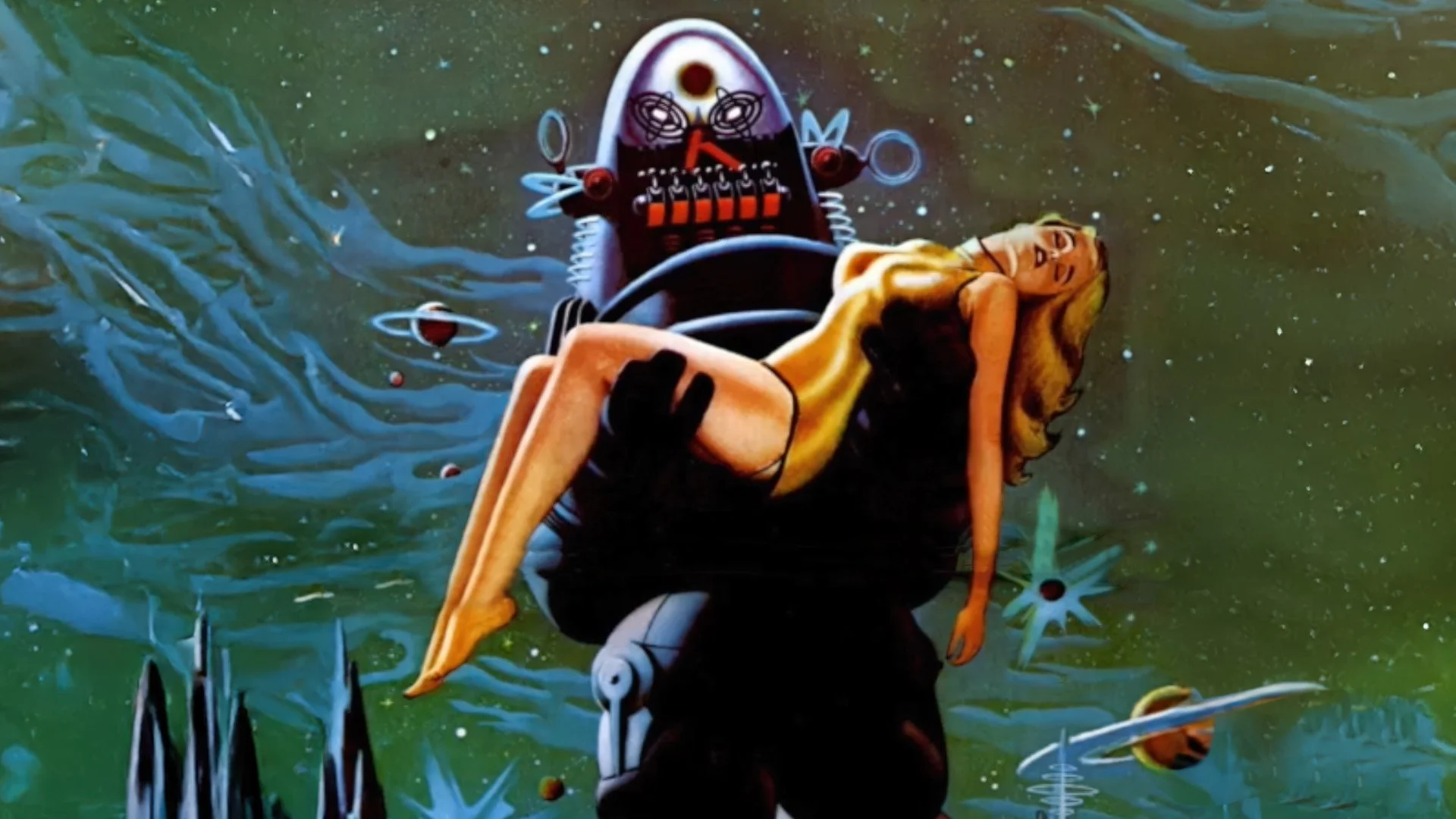
The Sanitized Future Was Not the Real Future
The sanitized future of 1950s sci-fi was not truly clean. It was edited. That is an important distinction.
A sanitized movie world does not mean a world without sex, racism, queerness, violence, corruption, desire, or moral contradiction. It means a world where those things have been pushed out of direct view. They still shape the story. They still haunt the edges. They still return as metaphor, monster, silence, or strange behavior.
That is why these movies can feel both innocent and deeply weird.
On the surface, many are tidy. The dialogue is clean. The romance is restrained. The social order is familiar. The good guys are good. The bad things are eventually contained.
But underneath, everything is vibrating. Bodies are changing. Minds are being controlled. Families are being replaced. Aliens are watching. Scientists are crossing moral lines. Cities are nearly destroyed. Normal life is constantly one experiment away from collapse.
That is not innocence. That is repression with a theremin soundtrack.
How Censorship Made the Movies Stranger
Censorship sometimes made sci-fi more interesting. Not better morally. Not fairer. Not more honest. But stranger.
When filmmakers cannot say something directly, they often develop elaborate symbolic machinery. They create doubles, monsters, curses, strange diseases, alien powers, forbidden planets, secret laboratories, and all kinds of narrative weirdness to get at the thing they cannot name.
That is why Hays Code-era genre films can be so rich for modern viewers. You watch them on two levels at once.
On the surface: monsters, saucers, robots, death rays. Underneath: repression, desire, fear, conformity, race, gender, queerness, authority, punishment, and social control.
It is like watching a movie argue with its own limits. Sometimes the limits win. Sometimes the monster does. And sometimes, for one glorious scene, the movie becomes stranger than the culture that tried to control it.













Why This Still Matters
The Hays Code is gone. But sanitized futures are not.
Movies, TV shows, brands, studios, and platforms still decide what versions of humanity are “marketable,” “safe,” “relatable,” “too political,” “too sexual,” “too dark,” “too niche,” or “too much.” The old Code was formal. Today’s pressures are different — corporate, cultural, algorithmic, international, political, financial — but the question remains:
What parts of human life are allowed into the future?
That is why looking back at 1950s sci-fi is useful. It shows us how censorship does not only remove content. It shapes imagination. It changes who appears, who desires, who speaks, who suffers, who is punished, and who gets to be normal.
The films are still fun. Absolutely. Bring on the saucers. Bring on the monsters. Bring on the blinking consoles and the giant brains in fishbowls.
But watch the humans, too. Notice what they are allowed to do. Notice what they are not allowed to say. Notice what the monster gets away with what the people never could.
Conclusion: The People Were More Censored Than the Monsters
The Hays Code gave 1950s sci-fi one of its strangest contradictions.
The genre could show alien invasions, planetary doom, grotesque monsters, radioactive mutations, body-snatching, mind control, and the collapse of civilization. But human realities — sex, race, queerness, desire, violence, moral ambiguity, social conflict — often had to be hidden, softened, punished, or erased.
That does not make the movies less fascinating. It makes them more revealing. The monsters tell us what the culture feared. The censorship tells us what the culture could not admit. Somewhere between the two, classic sci-fi found its peculiar glow: clean on the surface, radioactive underneath.
So yes, enjoy the robots. Enjoy the saucers. Enjoy the death rays. Enjoy the giant bugs, the alien brains, the doomed scientists, and the cities trembling under impossible threats. Just remember: the monsters could be grotesque. The people had to behave.
FAQ
-
The Hays Code, formally the Motion Picture Production Code, was Hollywood’s self-censorship system used from 1934 to 1968. It restricted how films could depict sexuality, profanity, crime, violence, race mixing, homosexuality, drug use, and other subjects considered morally sensitive.
-
Yes. Even though sci-fi could show monsters, aliens, and apocalyptic threats, it still had to follow Hollywood’s moral restrictions. That shaped how characters behaved, how romance was shown, how violence was framed, and which human realities could appear openly.
-
Monsters were considered fantasy spectacle, while sexuality, queerness, and certain social realities were treated as moral threats by the Code. That created the strange situation where grotesque creatures were allowed more visual freedom than human desire or identity.
-
Sometimes. Censorship forced filmmakers to use metaphor, suggestion, and coded imagery. That made some films richer and stranger. But it also erased, distorted, or punished real human experiences, especially around race, sexuality, and queer identity.
-
Absolutely. The point is not to stop enjoying the movies. The point is to understand the conditions that shaped them. You can love the monsters and still notice what the humans were not allowed to say.

The Gildan 5000 is a Heavy Cotton™ T-shirt
• Fit: Men's Classic Crew Neck Tee
• 100% cotton, preshrunk to reduce shrinkage
• Taped neck and shoulders
• Seven-eighths-inch seamless collar
• Double seam at sleeves and bottom hem
• Tear-away label